
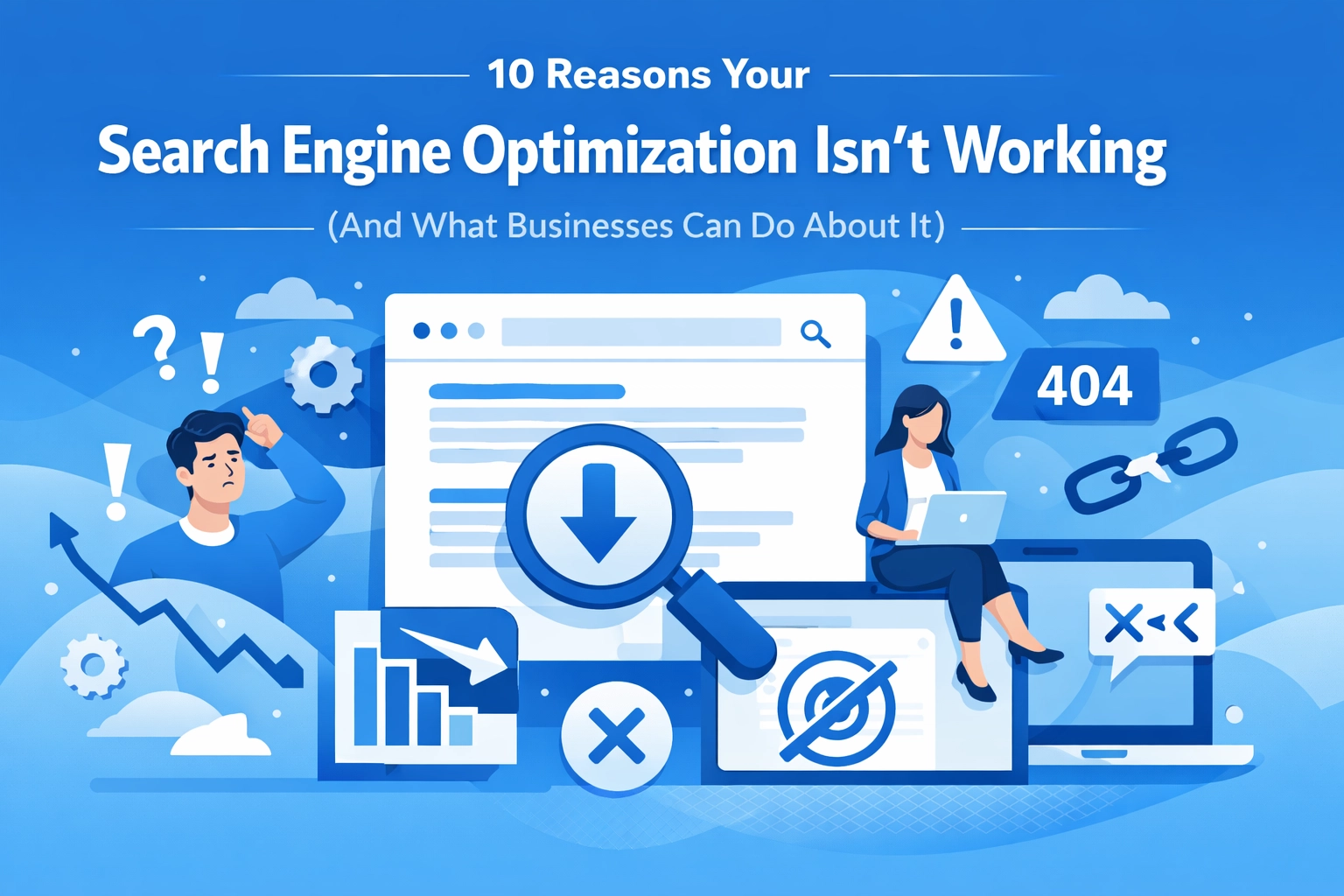

You've invested time and money into search engine optimization. You've tweaked your website, published blog posts, and maybe even hired someone to help. But your rankings haven't budged, and organic traffic remains flat.
You're not alone. Most businesses struggle with SEO because they're making one (or several) of these common mistakes. The good news? Once you identify the problem, the fix is usually straightforward.
Here are 10 reasons your search engine optimization isn't working: and what you can do about it.
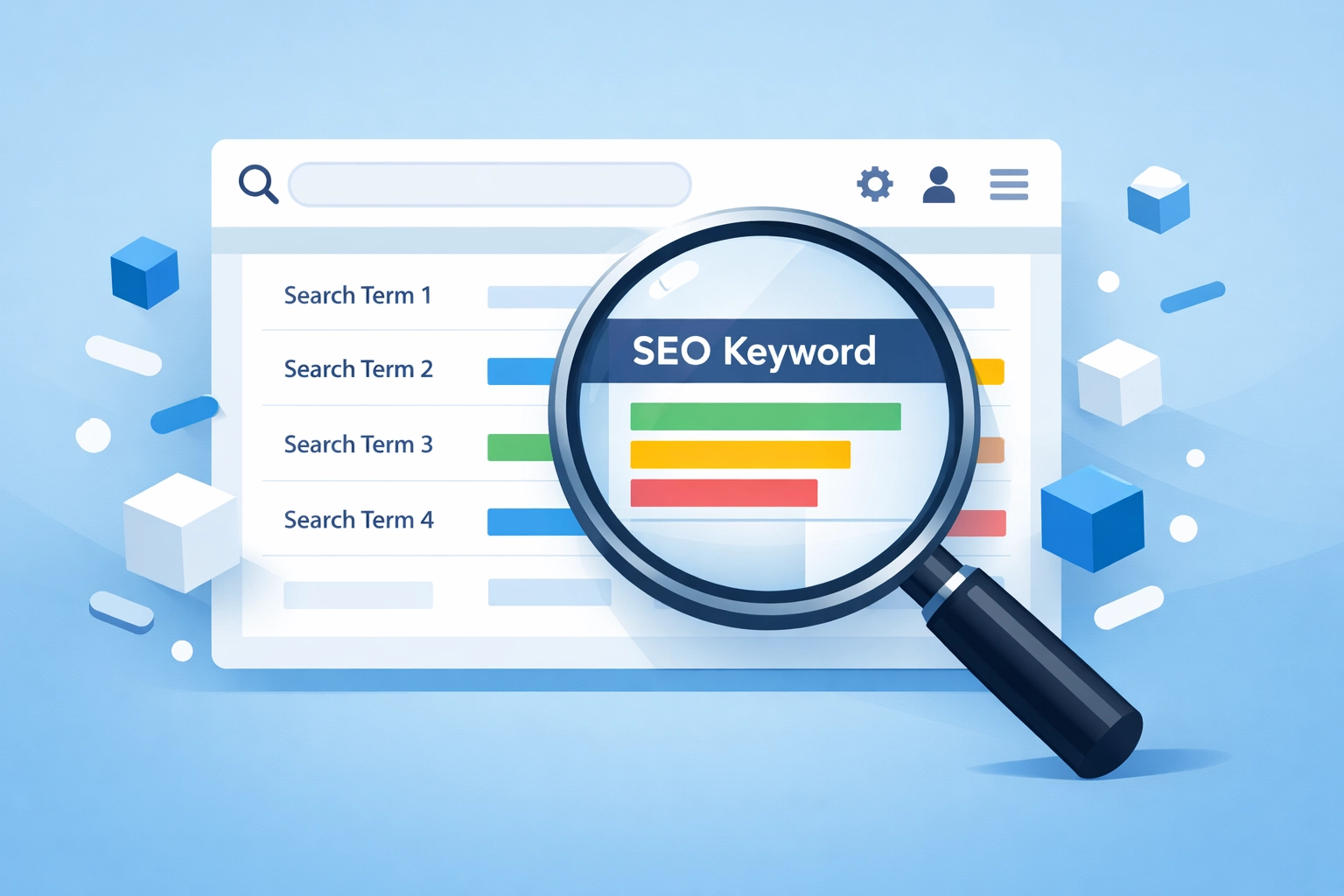
1. You're Skipping Keyword Research
Most businesses guess at what their customers are searching for. They target broad, generic terms like "plumber" or "web design" without understanding what their specific audience actually types into Google.
Generic keywords attract massive competition. You're competing against national brands with enormous budgets and years of domain authority. That's a losing battle for most small businesses.
The fix: Use tools like SEMrush, Ahrefs, or Google Keyword Planner to find keywords your target audience actually searches for. Look for terms with reasonable search volume but lower competition. Focus on longer, more specific phrases that match your services and customer intent.
2. Your On-Page SEO is Broken
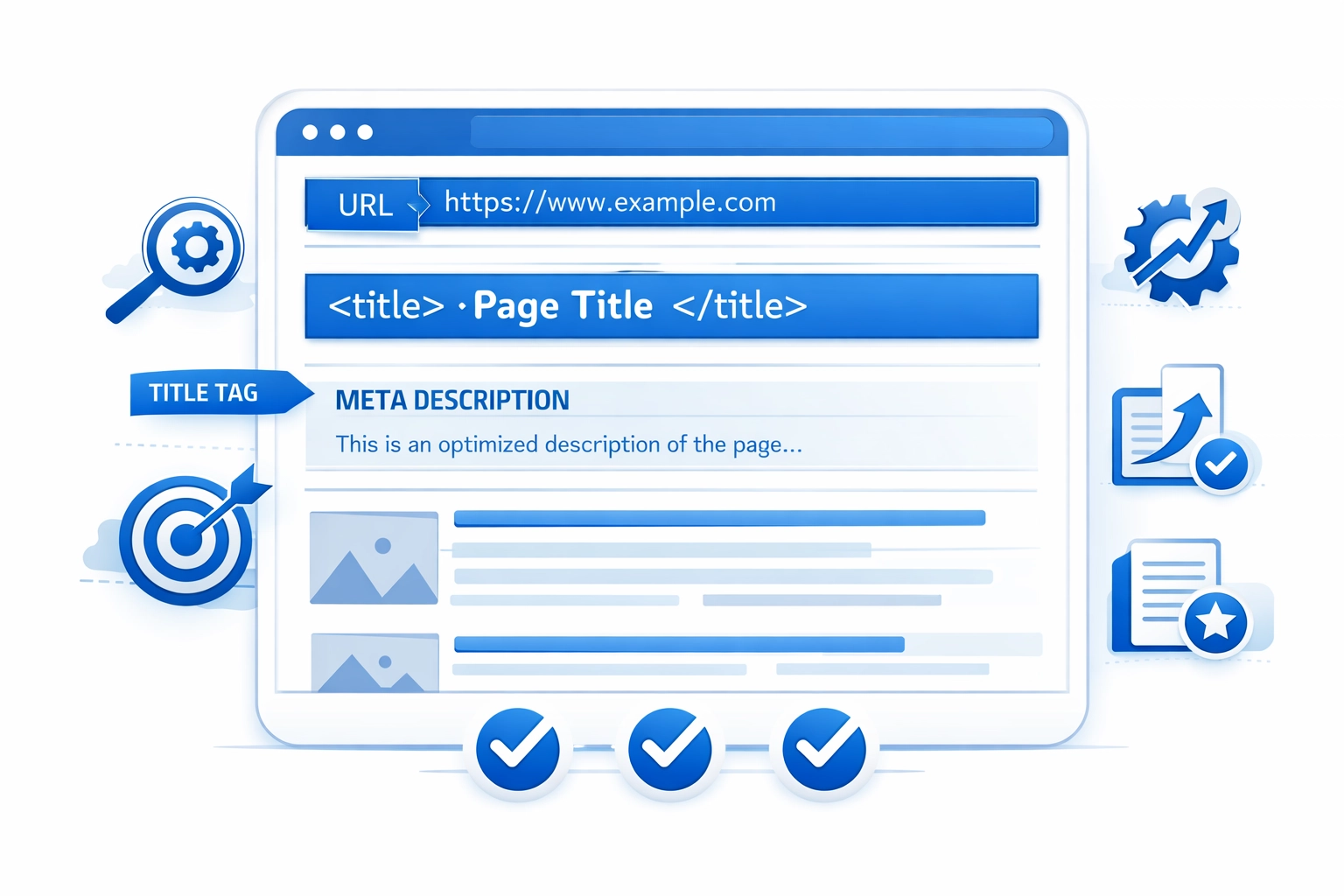
You've done keyword research, but you're not implementing it correctly. Your title tags are generic. Your meta descriptions are missing. Your URLs look like this: "yoursite.com/page?id=12345."
Search engines rely on these signals to understand what your page is about. When you skip them, Google has to guess: and it usually guesses wrong.
The fix: Optimize every page on your site. Write compelling title tags that include your target keyword. Create meta descriptions that encourage clicks. Use clean, descriptive URLs. Structure your content with proper heading tags (H1, H2, H3) that include relevant keywords naturally.
3. Your Website Loads Too Slowly
Page speed is a ranking factor. If your site takes more than three seconds to load, you're losing both rankings and visitors. Mobile users are even less patient: they'll bounce after two seconds.
Google measures site performance through Core Web Vitals. If your scores are poor, your rankings suffer regardless of your content quality.
The fix: Run your site through Google PageSpeed Insights. Compress your images (they're usually the biggest culprit). Enable browser caching. Consider a content delivery network (CDN) for faster global load times. Make sure your hosting plan can handle your traffic.
4. You're Ignoring Local Search Opportunities
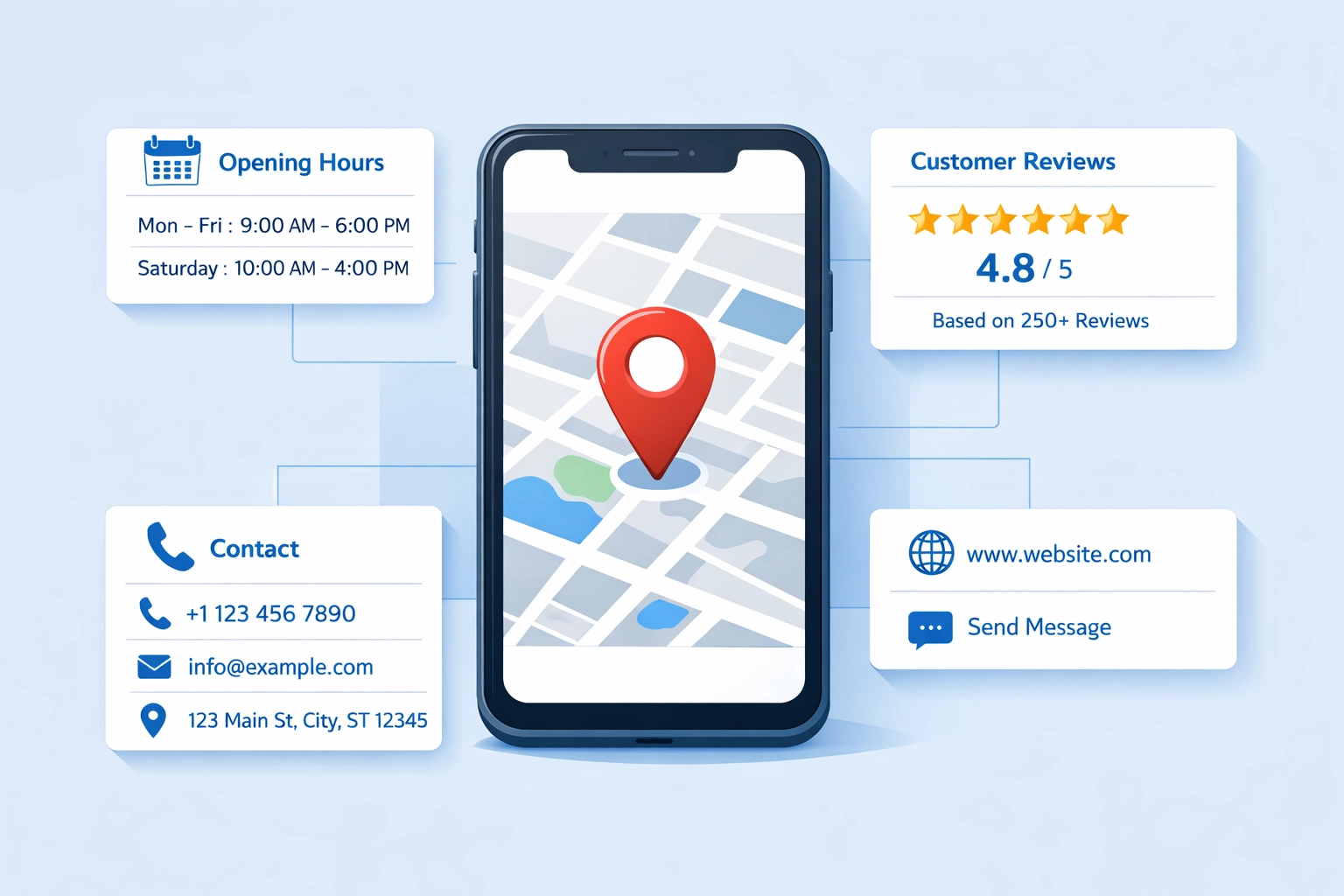
If you serve customers in specific areas, local SEO should be a major focus. Businesses that skip local optimization miss enormous amounts of traffic to competitors who show up in "near me" searches and Google Maps results.
Your business information is probably inconsistent across different platforms. Maybe your address is slightly different on Yelp than on Google Business Profile. Maybe your phone number has changed but old listings still show the outdated version.
The fix: Claim and fully optimize your Google Business Profile. Make sure your business name, address, and phone number (NAP) are identical across every platform: Google, Yelp, Facebook, industry directories. Create content that targets location-specific searches without being spammy about it.
5. You Haven't Implemented Schema Markup
Schema markup is structured data that helps search engines understand your content. Without it, Google can't easily identify your business hours, customer ratings, product prices, or other important details.
Schema unlocks rich snippets: those enhanced search results with star ratings, pricing, and other eye-catching elements. Rich snippets increase click-through rates and can dramatically improve visibility.
The fix: Add structured data to your site. Use LocalBusiness Schema for your company information. Add Product Schema for items you sell. Implement Review Schema to display customer ratings. Test your implementation with Google's Rich Results Test to make sure it's working correctly.

6. You're Keyword Stuffing
You've heard that keywords matter, so you've crammed them into every sentence. Your content reads like a robot wrote it. "Looking for web design? Our web design company offers web design services for web design clients who need web design."
Google's algorithm is sophisticated. It understands context, synonyms, and user intent. Keyword stuffing doesn't fool it: it triggers penalties.
The fix: Write for humans first, search engines second. Use your target keywords naturally in key locations (title, first paragraph, subheadings, conclusion), but focus on creating genuinely useful content. Answer questions. Solve problems. Use related terms and synonyms naturally.
7. Your Content is Too Generic
Your "About Us" page could describe any business. Your blog posts rehash the same information found on a hundred other sites. There's nothing unique, nothing that demonstrates real expertise or gives users a reason to choose you over competitors.
Generic content doesn't rank because it doesn't deserve to. Search engines prioritize content that offers unique value.
The fix: Create content that reflects your specific expertise and experience. Share case studies. Tell customer success stories. Offer actionable insights based on your real-world work. Be specific, be useful, and be different from everyone else in your industry.
8. You're Not Tracking Performance
You published content six months ago and haven't looked at it since. You have no idea which pages rank, for what keywords, or how much traffic they generate. You're flying blind.
Without measurement, you can't identify what's working or where to focus your efforts.
The fix: Set up Google Analytics and Google Search Console. Monitor which pages rank and for which keywords. Track your organic traffic over time. Identify your best-performing content and create more like it. Find pages that rank on page two and optimize them to push them onto page one.
9. You're Chasing Traffic Instead of Conversions
You're obsessed with visitor numbers. You target high-volume keywords that attract tons of traffic: but none of those visitors become customers. You're getting the wrong kind of attention.
Traffic means nothing if it doesn't convert. A thousand visitors who leave immediately are worthless compared to fifty visitors who become paying customers.
The fix: Align your SEO strategy with business goals. Target keywords that indicate commercial intent: people actively looking to buy or hire. Focus on attracting qualified visitors who match your ideal customer profile. Track conversions, not just traffic.
10. You Expect Overnight Results
You launched a new website last month and expected to rank #1 by now. You're frustrated that your blog post from two weeks ago isn't dominating search results. You're ready to give up because SEO "doesn't work."
Search engine optimization is not a quick fix. It's a long-term strategy that compounds over time. Depending on your industry and competition, meaningful results can take 3-6 months or longer.
The fix: Commit to consistency. Create quality content regularly. Build backlinks steadily. Optimize continuously. Track your progress month over month, not day by day. SEO rewards patience and persistence: businesses that stick with it while competitors give up eventually dominate their markets.
Moving Forward
Search engine optimization works when done correctly. If you're not seeing results, you're likely making one or more of these mistakes.
The solution isn't to abandon SEO: it's to fix your approach. Start with the basics: proper keyword research, solid on-page optimization, fast page speeds, and realistic expectations. Track your performance so you know what's working.
If you need help developing a search engine optimization strategy that actually drives results, explore our SEO services. We'll identify exactly what's holding your site back and create a plan to fix it.