
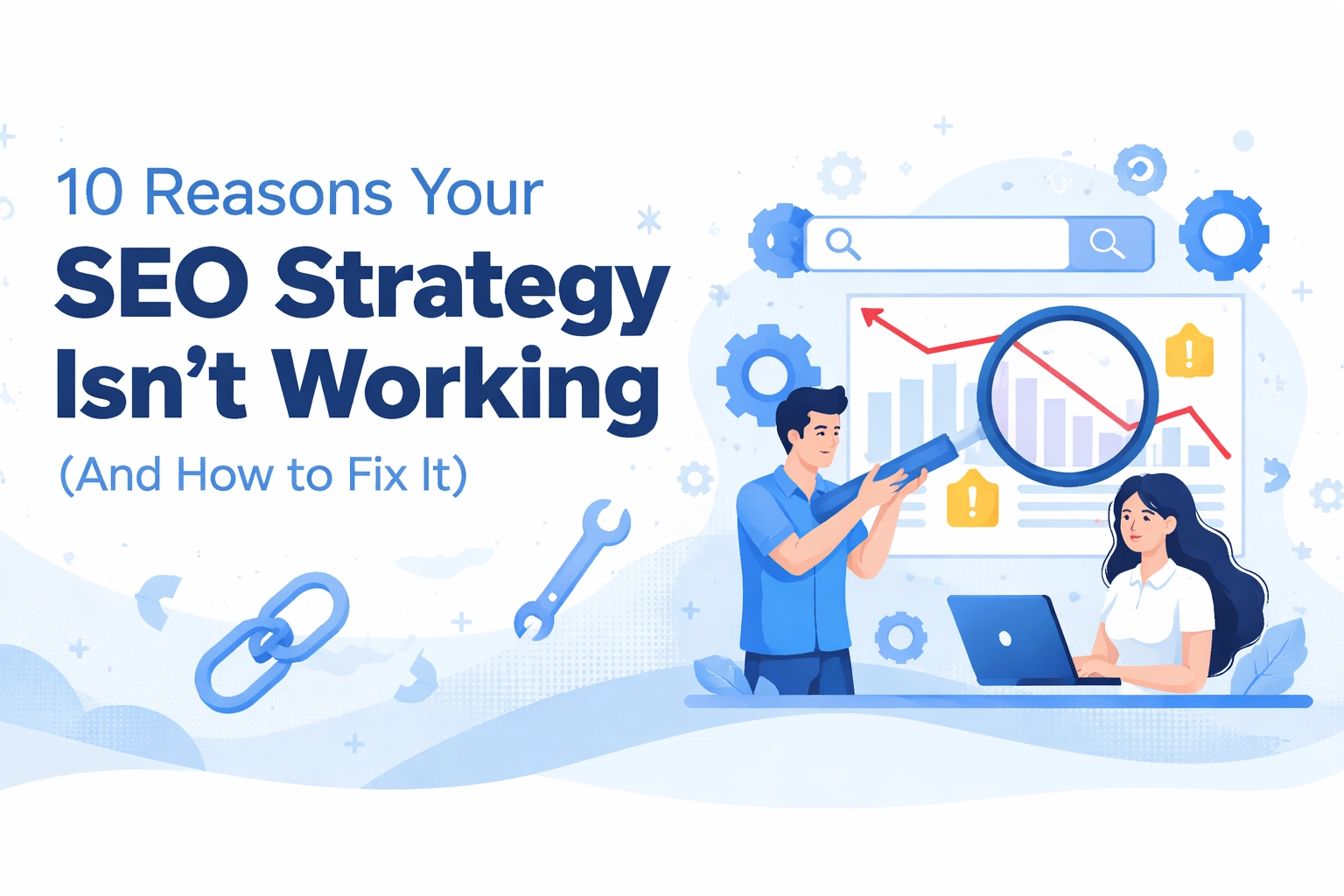

You've invested time, money, and energy into your SEO strategy. You've published blog posts, tweaked your website, and waited patiently for results. But the traffic isn't coming. Your rankings are stuck. And you're starting to wonder if SEO even works anymore.
Here's the truth: SEO absolutely works. But only when it's done right.
The good news? Most SEO failures come down to a handful of common mistakes. Once you identify what's holding you back, fixing it becomes a whole lot easier. Let's break down the 10 most common reasons your SEO strategy isn't working: and exactly what you can do about it.
1. You're Targeting the Wrong Keywords
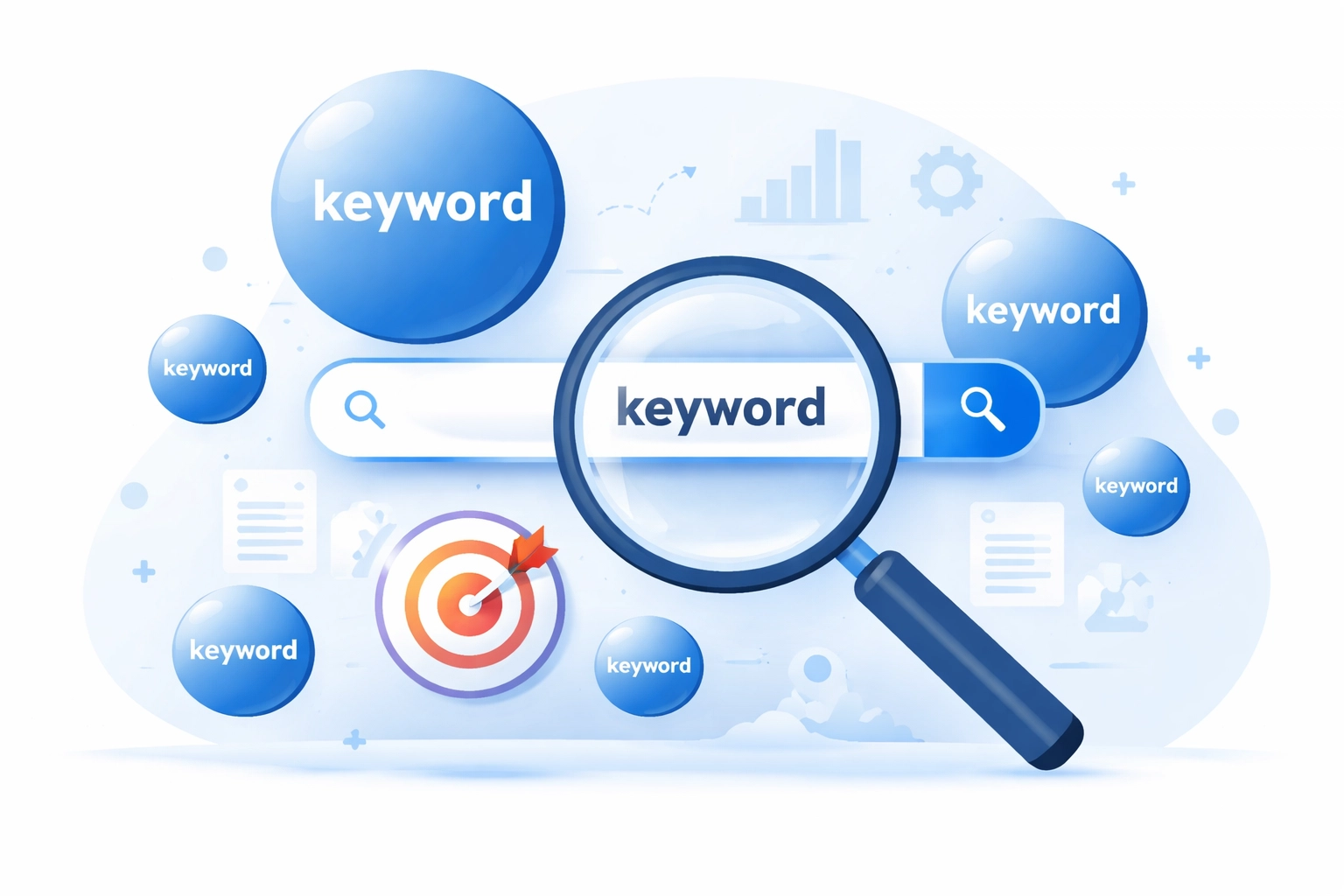
This is probably the most common SEO mistake out there. You pick keywords that seem relevant, but they're either too competitive or too vague to drive meaningful traffic.
If you're a small business trying to rank for broad terms like "marketing" or "web design," you're competing against massive companies with massive budgets. That's a losing battle.
The fix: Get specific. Focus on long-tail keywords that match what your ideal customers are actually searching for. Use tools like Google Search Console, Ahrefs, or SEMrush to find keywords with realistic ranking potential. Think about search intent: what does someone typing that phrase actually want to find?
2. Your Website Is Slow
Nobody likes waiting for a website to load. Not your visitors, and definitely not Google. Page speed is a direct ranking factor, and slow sites see higher bounce rates, lower engagement, and worse rankings overall.
The fix: Run your site through Google PageSpeed Insights. Look for quick wins like compressing images, enabling browser caching, and minimizing unnecessary code. Sometimes the issue is your hosting: cheap hosting often means slow performance. If speed is a persistent problem, it might be time for an upgrade. Our team at WorldWise offers reliable web hosting solutions built for performance.
3. Your Site Isn't Mobile-Friendly
More than half of all web traffic comes from mobile devices. If your site doesn't work well on phones and tablets, you're losing visitors before they even see your content. Google uses mobile-first indexing, which means the mobile version of your site is what gets evaluated for rankings.
The fix: Make sure your website is fully responsive. Test it on multiple devices and screen sizes. Pay attention to things like button sizes, font readability, and navigation. If your site was built years ago without mobile in mind, it might be time for a redesign. Check out our web design services to see how we can help.
4. You Have Duplicate Content Issues
Duplicate content confuses search engines. When you have multiple pages with the same or very similar content, Google doesn't know which one to rank. The result? None of them rank well.
This often happens unintentionally: maybe you have product pages with nearly identical descriptions, or blog posts covering the same topic from slightly different angles.
The fix: Run a content audit to identify duplicate pages. Pick your strongest page for each topic and redirect the others to it using 301 redirects. Merge any unique valuable content into the primary page before you delete anything.

5. You're Stuffing Keywords
Back in the early days of SEO, cramming as many keywords as possible into your content actually worked. Those days are long gone. Google's algorithms are sophisticated enough to detect keyword stuffing, and they'll penalize you for it. Plus, keyword-stuffed content reads terribly and drives visitors away.
The fix: Write for humans first. Use your target keywords naturally where they make sense, but don't force them. Focus on creating genuinely helpful content that answers your audience's questions. Google rewards content that provides real value.
6. Your Technical SEO Is a Mess
You can have the best content in the world, but if search engines can't properly crawl and index your site, it won't matter. Technical SEO issues like broken links, poor URL structures, missing XML sitemaps, and lack of schema markup can tank your rankings.
The fix: Conduct a technical SEO audit. Use tools like Screaming Frog or Google Search Console to identify crawl errors, broken links, and indexing issues. Make sure your URLs are clean and descriptive (not something like "yoursite.com/?p=883"). Implement schema markup to help search engines understand your content better.
If technical stuff isn't your thing, that's okay. A solid digital marketing strategy should include technical SEO as a foundation.
7. You're Dealing With Keyword Cannibalization
Keyword cannibalization happens when multiple pages on your site target the same keyword. Instead of boosting your chances of ranking, you're actually competing against yourself. Search engines get confused about which page to show, and often neither page ranks as well as it could.
The fix: Map out your content strategy so each page targets distinct keywords and user intents. If you find overlapping content, consolidate it into one comprehensive guide. Redirect the weaker pages to your new, stronger resource.

8. Your Anchor Text Is Generic
"Click here." "Read more." "Learn more." These phrases tell search engines absolutely nothing about where the link goes. You're wasting valuable opportunities to signal relevance and context.
The fix: Use descriptive, keyword-rich anchor text. Instead of "click here to learn about our services," try "explore our digital marketing services." It's better for SEO and better for users who want to know what they're clicking on.
9. Your Meta Tags Are Missing or Weak
Title tags and meta descriptions are your first impression in search results. If they're missing, poorly written, or don't include relevant keywords, you're leaving clicks on the table. Even if you rank well, a weak meta description means fewer people will actually visit your site.
The fix: Write compelling title tags between 50-60 characters that include your target keyword and clearly describe the page content. Meta descriptions should be 150-160 characters and give users a reason to click. Think of them as mini advertisements for your content.
10. You're Chasing Traffic Instead of Conversions
This one's subtle but important. Some businesses get so focused on increasing traffic numbers that they forget why traffic matters in the first place. If you're attracting visitors who have no interest in your products or services, those numbers are meaningless.
The fix: Shift your focus from volume to intent. Conduct keyword research that considers where users are in the buying journey. Target keywords that indicate commercial intent: people who are ready to take action, not just browse. Quality traffic that converts is worth far more than high volumes of visitors who bounce.
The Bottom Line
SEO isn't magic. It's a process. And like any process, it only works when you get the fundamentals right.
If your SEO strategy isn't delivering results, don't throw in the towel. Start by working through this list and identifying which mistakes might be holding you back. Sometimes it's one big issue. Sometimes it's several small ones adding up.
Either way, the path forward is clear: fix the problems, stay consistent, and give it time. SEO is a long game, but it pays off when you play it right.
Need help getting your SEO strategy back on track? Get in touch with the WorldWise team: we'd love to help you figure out what's working, what's not, and how to move forward.