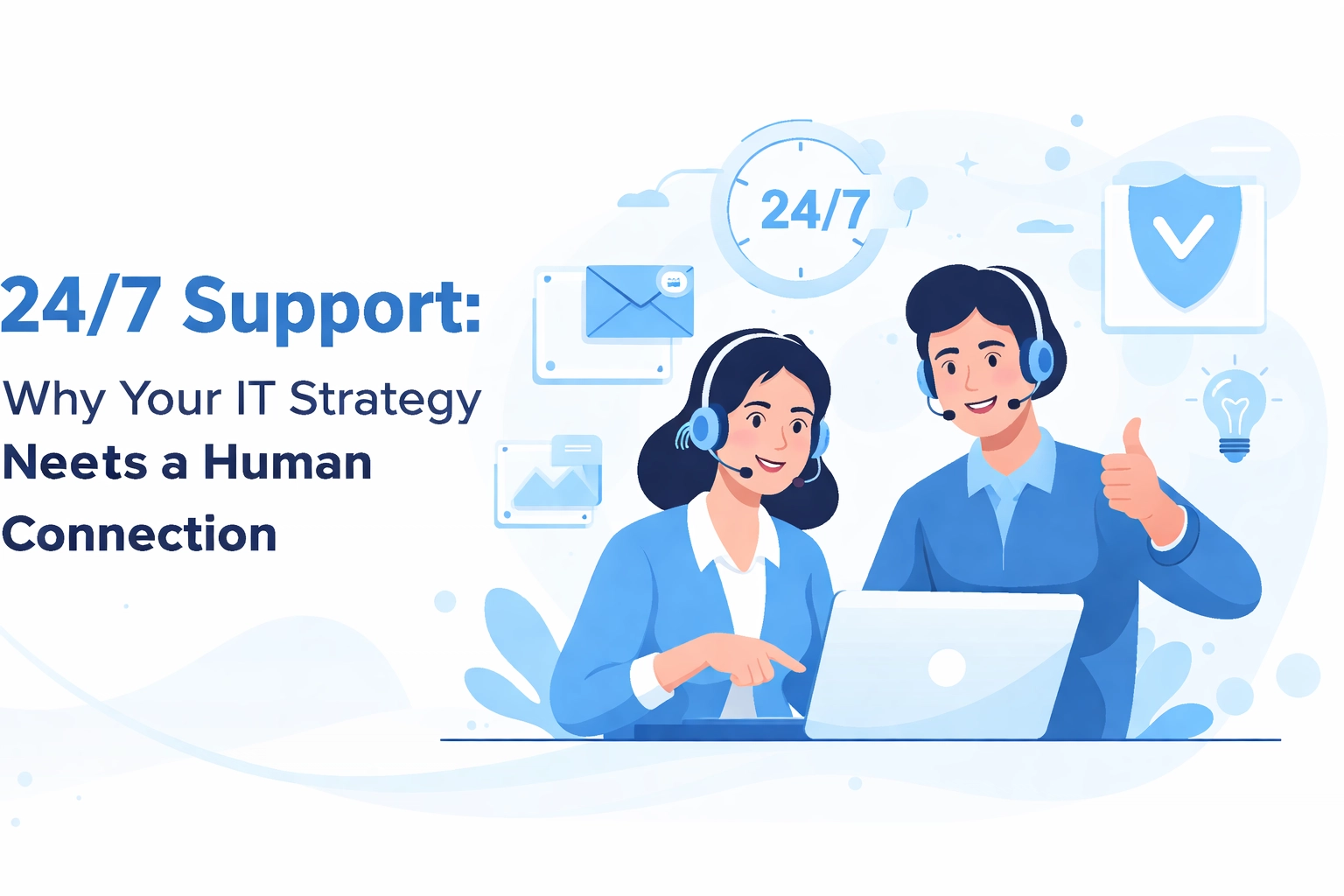

Technology runs your business. That's not an exaggeration: it's just reality. Your website, your email, your data, your customer interactions. It all depends on systems working the way they should
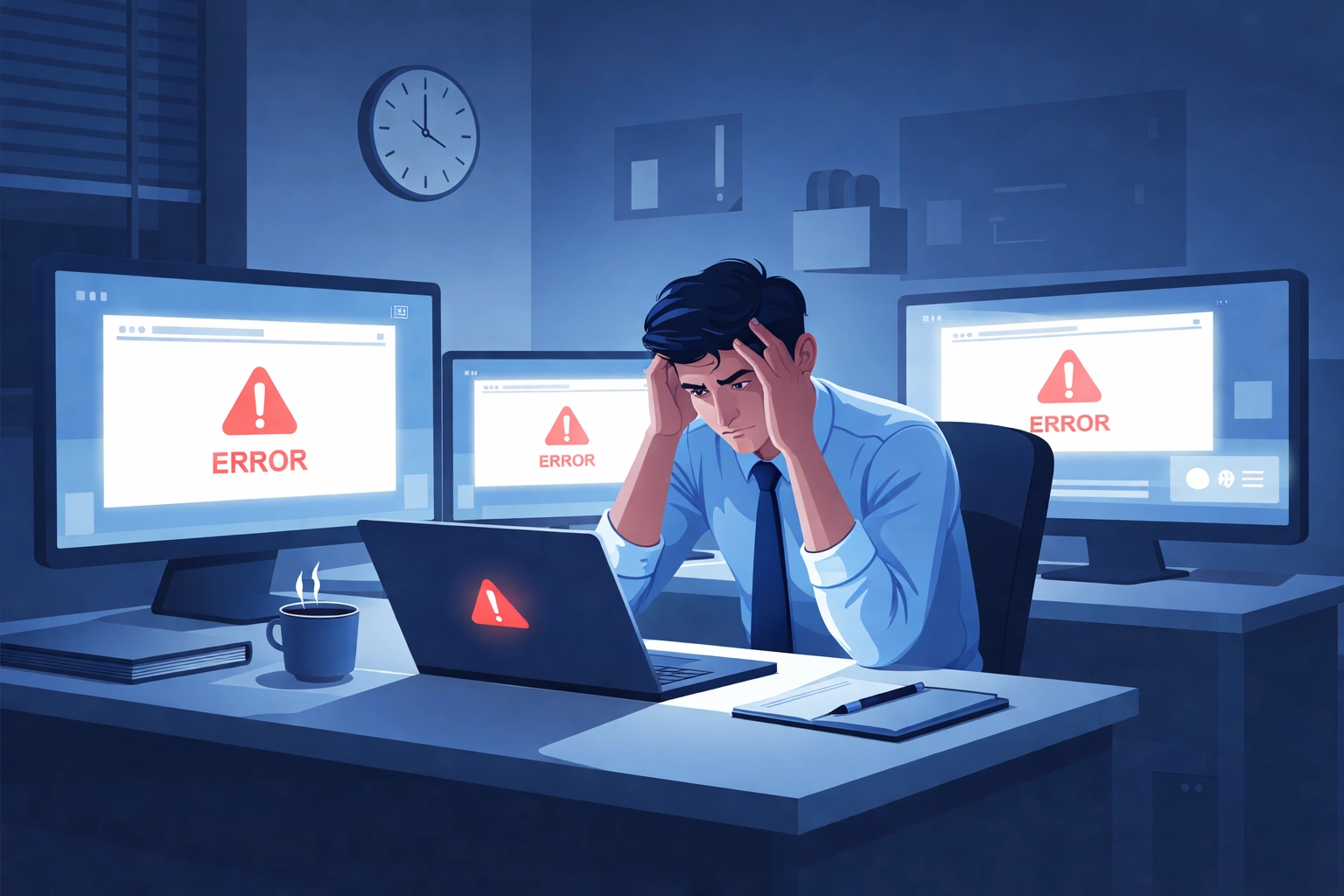
So what happens when something breaks at 2 AM? Or on a Sunday afternoon? Or right before your biggest client presentation?
If your answer involves crossing your fingers and hoping for the best, we need to talk
The Problem With "Set It and Forget It" IT
A lot of businesses treat IT like a utility. Flip the switch, pay the bill, move on. And that works: until it doesn't
The truth is that technology fails. Servers go down. Software conflicts happen. Security threats don't wait for convenient business hours. When these issues hit, the difference between a minor hiccup and a major disaster often comes down to one thing: how fast you can get help
Automated systems can handle some of this. Chatbots answer basic questions. Ticketing systems organize requests. Monitoring tools flag problems before they escalate
But here's what automation can't do: understand context, show empathy, or think creatively when the situation doesn't fit a script
Why Human Connection Still Matters
We live in an age of AI assistants and automated everything. So why does human IT support still matter? A few reasons
Complex Problems Need Human Brains
Not every IT issue fits into a neat category. Sometimes the printer isn't working because of a driver conflict that's somehow related to a recent Windows update that's interacting weirdly with your VPN software
Good luck explaining that to a chatbot
Human technicians can dig into the details, ask the right follow-up questions, and connect dots that automated systems miss. They bring experience and intuition to problems that don't have obvious solutions
Empathy Isn't Programmable
When your systems are down and you're losing money by the minute, you don't want a generic "We apologize for the inconvenience" message. You want someone who gets it
Human support agents understand the stress and frustration that comes with technical problems. They can adjust their communication style based on your situation. They can reassure you that someone competent is actually working on the issue
That emotional component matters more than most people realize. It turns a frustrating experience into one that actually builds trust
Accountability Has a Name
AI operates like a black box. You submit a request, something happens (or doesn't), and you're left wondering what went wrong
Human support gives you accountability. A real person takes ownership of your issue. They explain what happened, why it happened, and what they're doing to fix it. If something goes sideways, there's someone to answer for it
That transparency makes a real difference when you're trusting someone with your business-critical systems
The 24/7 Factor
Here's where timing comes in. Business doesn't stop at 5 PM anymore. Your website is always live. Your team might be working across different time zones. Your customers expect instant responses
IT problems don't care about your schedule. They show up whenever they feel like it
That's why 24/7 support isn't a luxury: it's a necessity for any business that takes technology seriously. But not all 24/7 support is created equal
Some providers offer round-the-clock chatbots with human backup "during business hours." Others route your calls through overseas call centers where agents read from scripts. Neither of these actually solves the core problem
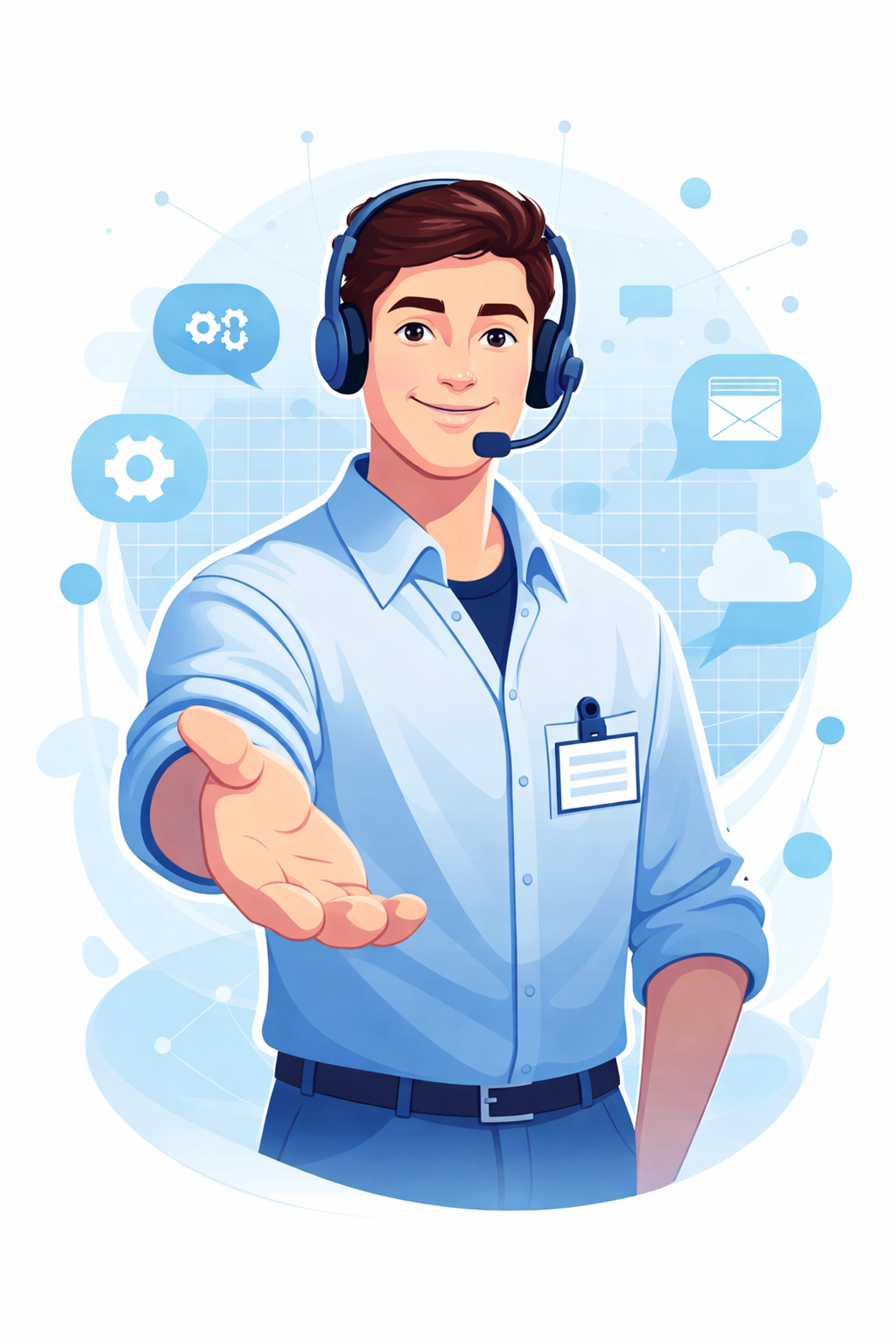
What you need is access to real expertise whenever you need it. Someone who knows your systems, understands your business, and can make informed decisions at 3 AM if that's when the crisis hits
Finding the Right Balance
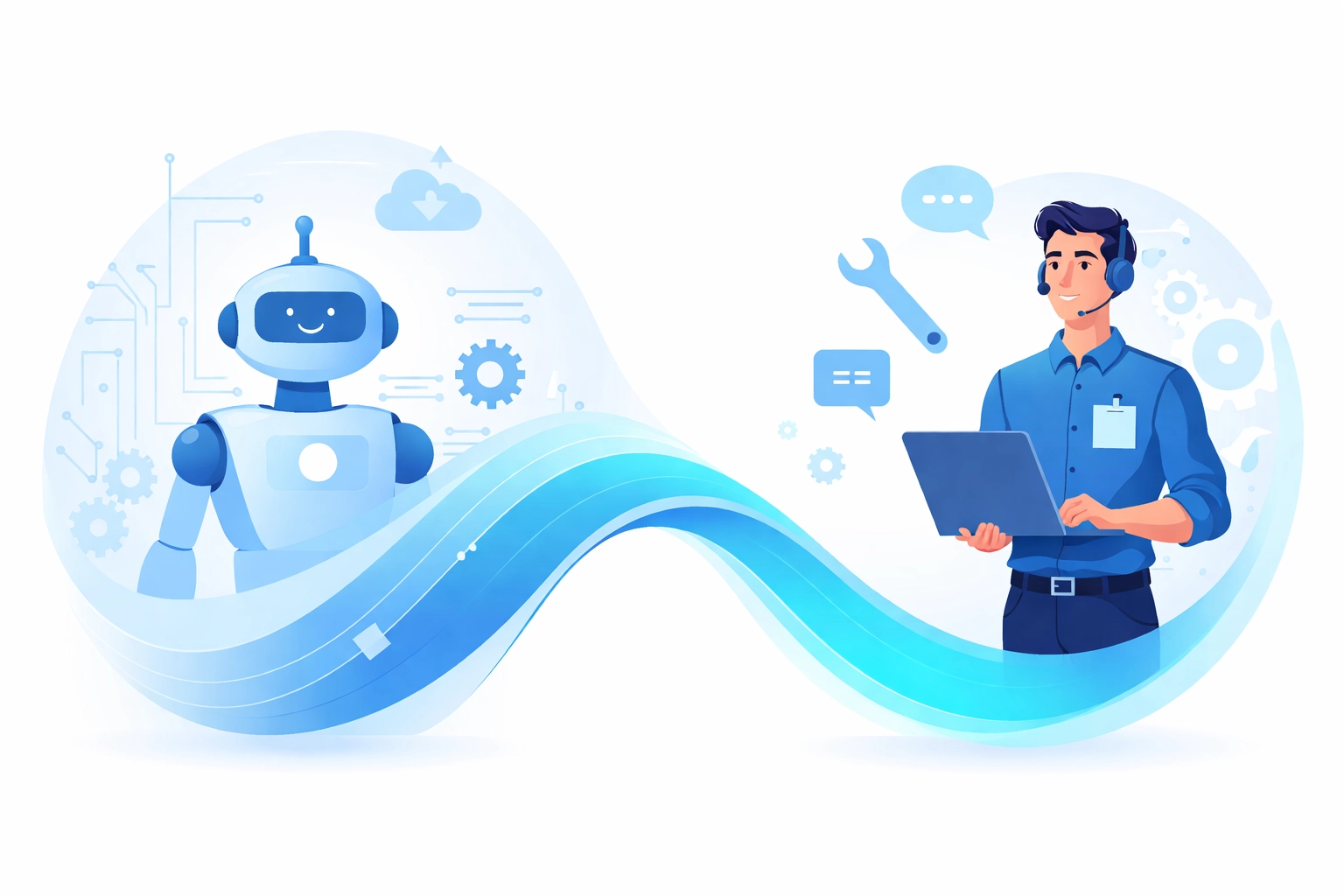
This isn't about choosing between automation and humans. The best IT support uses both strategically
Automation handles the routine stuff efficiently. Password resets, basic troubleshooting, system monitoring, ticket management. These tasks benefit from speed and consistency
Human expertise kicks in where it matters most. Complex troubleshooting, security incidents, strategic decisions, anything that requires judgment or creativity
The key is seamless handoffs between the two. When automation reaches its limits, a human should step in immediately: not after three escalation levels and a 48-hour wait
What to Look For in IT Support
If you're evaluating IT support options, here's what actually matters
Response time that's actually responsive. "24/7 support" means nothing if you're waiting hours for a callback. Look for providers who guarantee fast response times and actually deliver on them
Real expertise, not script readers. Your support team should understand the technology your business uses. They should be able to diagnose problems, not just document them and pass them along
Proactive monitoring. The best support catches problems before you even notice them. That means active monitoring of your systems with alerts and interventions happening behind the scenes
Clear communication. You should always know what's happening with your issue. No black boxes, no mysterious delays, no corporate runaround
A relationship, not just a transaction. IT support works best when your provider actually knows your business. They understand your setup, your priorities, and your pain points. That context makes everything faster and more effective
The Human Element Is a Competitive Advantage
In a world where everyone has access to the same technology, how you support that technology becomes a differentiator
Businesses that invest in quality IT support experience less downtime, recover faster from incidents, and build more resilient systems over time. Their teams stay productive instead of fighting with broken tools. Their customers never see the chaos happening behind the scenes
More importantly, they sleep better at night knowing that someone competent is watching the store
That peace of mind has real value. It lets you focus on running your business instead of worrying about what might break next
Building Long-Term IT Partnerships
The best IT support relationships are partnerships, not vendor contracts. Your support team should feel like an extension of your own staff
That means they invest time in understanding your business. They make recommendations that actually fit your needs and budget. They're honest when something isn't working and proactive about suggesting improvements
This kind of relationship takes time to build. But once you have it, everything gets easier. Problems get solved faster because your support team already knows the lay of the land. Strategic decisions get better because you have trusted advisors in your corner
Ready for Real Support?
If your current IT strategy leaves you holding your breath every time something glitches, it might be time for a change
At WorldWise, we believe technology should make your life easier, not harder. Our managed IT support combines the efficiency of modern tools with the irreplaceable value of human expertise: available whenever you need it
No scripts. No runaround. Just real people solving real problems
Get in touch and let's talk about what reliable IT support could look like for your business