
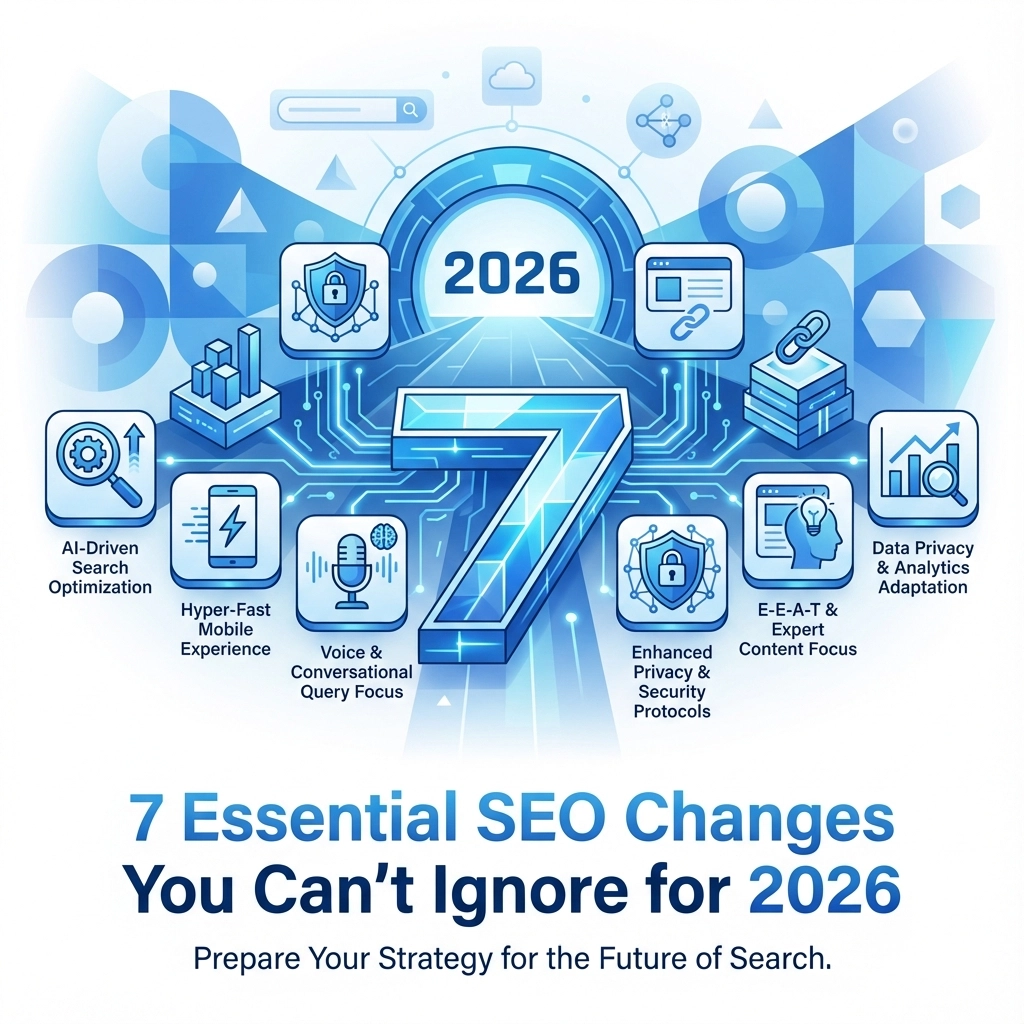

The SEO landscape is shifting faster than ever, and 2026 brings changes that will separate winning websites from those left behind. If you're still relying on 2023 tactics, you're already losing ground to competitors who've adapted to these new realities.
Here are the seven most critical SEO changes you need to implement right now to stay competitive in 2026.
1. EEAT Is Now Your Most Important Ranking Factor
Experience, Expertise, Authoritativeness, and Trustworthiness (EEAT) has evolved from a secondary consideration to the primary ranking signal search engines use to evaluate content quality.
This shift means traditional link-building and keyword optimization take a backseat to demonstrating real credibility. Search engines now prioritize websites that can prove their expertise through external validation rather than self-proclaimed authority.
What this looks like in practice:
- Guest appearances on industry podcasts and interviews
- Third-party reviews and testimonials across multiple platforms
- Media mentions and press coverage
- Professional certifications and credentials prominently displayed
- Social proof through case studies and client success stories
The websites winning in 2026 have moved beyond on-page optimization to build genuine brand recognition. They're getting quoted in industry publications, speaking at conferences, and establishing thought leadership through consistent, expert-level content creation.

2. AI Search Optimization Requires a Complete Strategy Overhaul
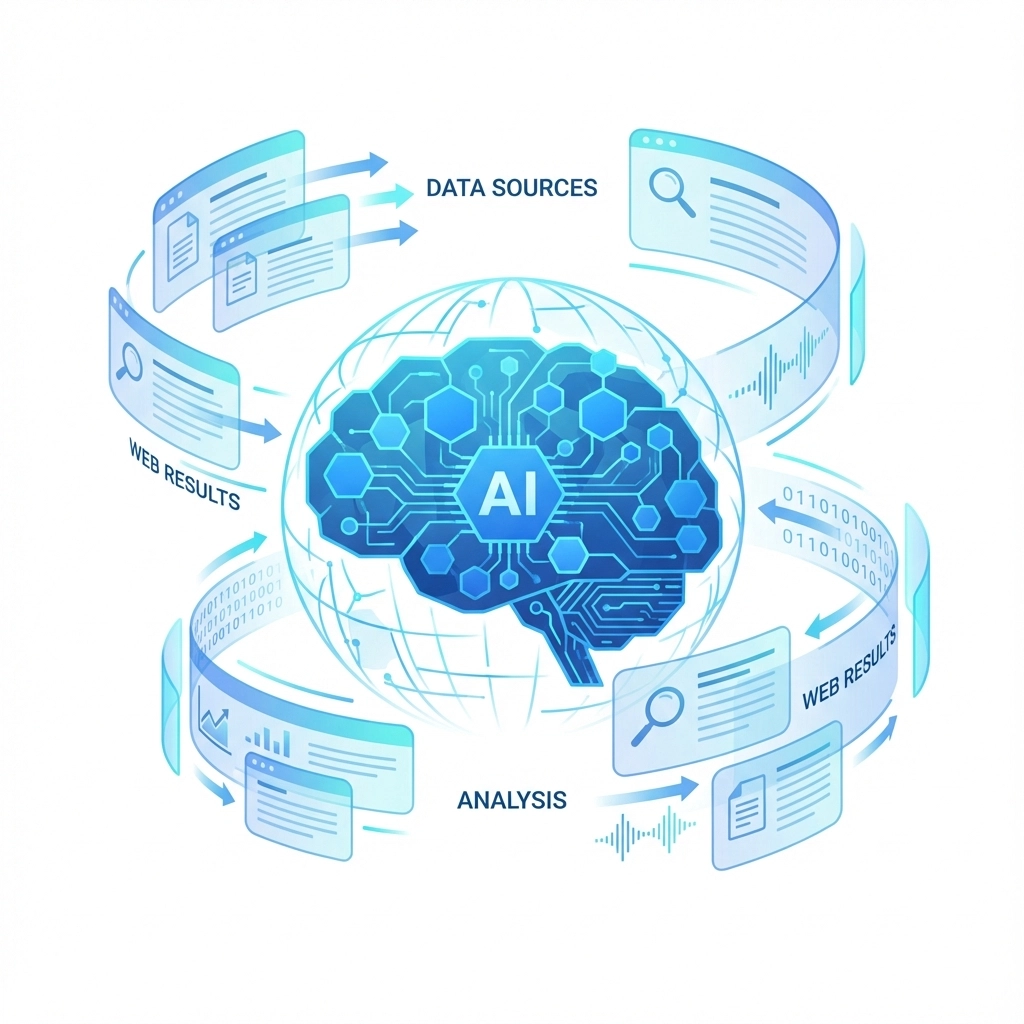
Traditional SEO focused on ranking for specific keywords, but AI-powered search results demand a fundamentally different approach. Large language models and AI Overviews now influence how search results appear, making old optimization tactics less effective.
AI search engines pull information from multiple sources to create comprehensive answers. This means your content needs to be structured for machine understanding while remaining valuable for human readers.
Key optimization strategies:
- Implement detailed schema markup to provide context to AI engines
- Target conversational, long-tail phrases that match how people naturally ask questions
- Create content that answers complete questions rather than focusing on single keywords
- Ensure your information appears across diverse web properties since AI draws from multiple sources
The goal isn't just to rank #1 for a keyword anymore. You need to become a trusted source that AI systems reference when answering user questions in your industry.
3. Human-Created Content Dramatically Outperforms AI-Generated Content
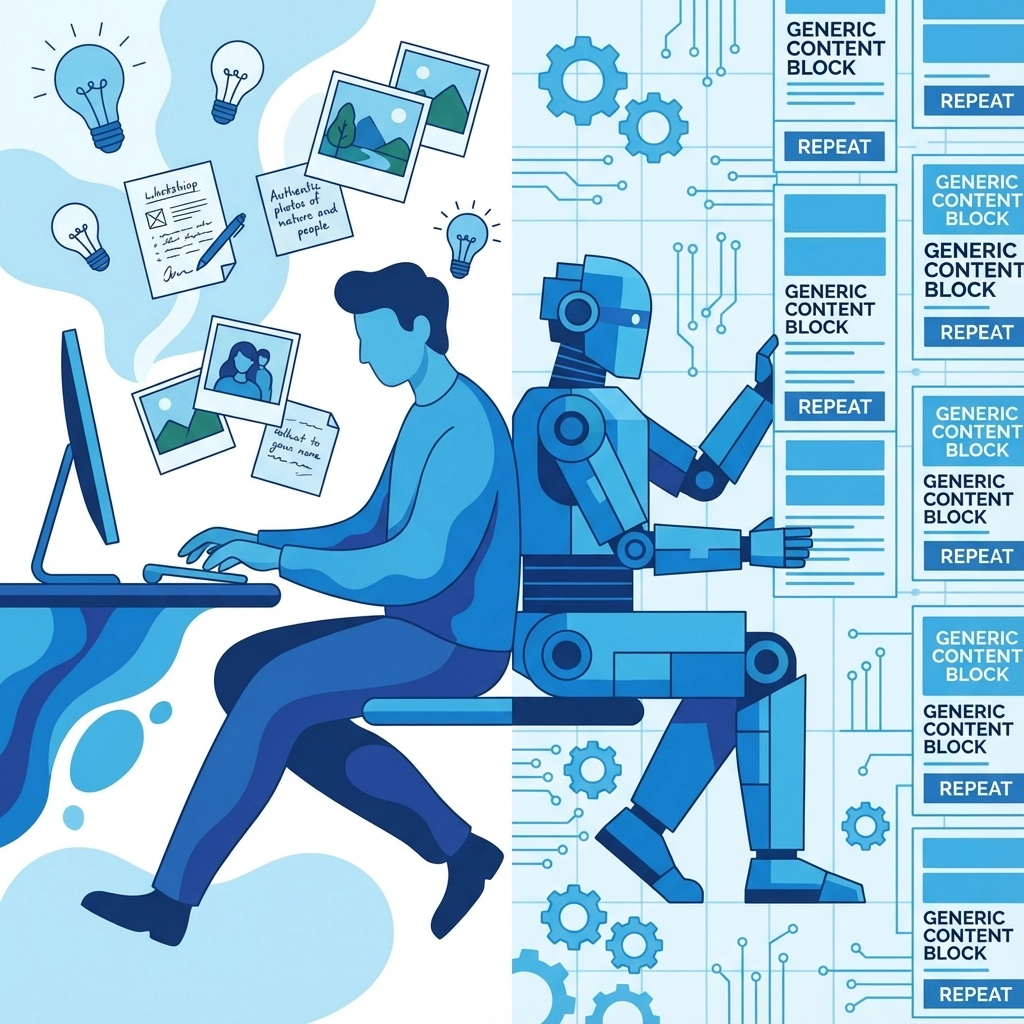
While AI tools made content creation faster and cheaper, search engines have become sophisticated at identifying and deprioritizing machine-generated content. Human-created content now holds a significant advantage in rankings.
This doesn't mean AI has no place in your content strategy, but the highest-performing content comes from genuine human experience and expertise.
Characteristics of winning human content:
- Original insights based on real experience and testing
- Custom images, videos, and examples from actual work
- Personal anecdotes and case studies that AI cannot replicate
- Industry expertise that comes from years of hands-on practice
Volume-based AI content strategies might achieve middle-of-page-one rankings, but positions 1-3 are dominated by authentic human expertise. Focus on quality over quantity, and invest in content created by people with real knowledge in your field.
4. Shift from Intent-Driven to Persona-Driven Strategy
Traditional SEO categorized searches by intent: informational, commercial, navigational, and transactional. This approach worked when search engines delivered the same results to everyone searching identical terms.
AI-powered search now personalizes results based on individual user context, search history, and behavior patterns. Two people searching the exact same phrase can receive completely different results based on their unique profiles.
How to implement persona-driven SEO:
- Define 3-5 clear user personas based on your actual customer data
- Map specific problems and pain points to search topics for each persona
- Create content pathways that address different stages of each persona's journey
- Measure success by whether content helps each persona progress toward their goals
This shift requires deeper customer understanding than traditional keyword research provided. Start with your best customers and work backward to understand their search behaviors and content needs.
5. Content Clustering Captures Micro-Intent Searches
Search behavior has evolved toward increasingly specific queries as users become more comfortable expressing detailed needs to search engines. These micro-intent searches require a different content approach than broad keyword targeting.
Content clustering involves creating comprehensive topic coverage through interconnected content pieces. Instead of targeting single keywords, you're building authority around entire subject areas.
Effective clustering structure:
- Identify a main pillar topic relevant to your business
- Develop 5-8 subtopics that branch from the main pillar
- Create specific content pieces addressing micro-intents within each subtopic
- Link related content pieces together to establish topical authority
For example, if your main topic is "web design," subtopics might include user experience, responsive design, and conversion optimization. Each subtopic then gets multiple detailed pieces covering specific aspects and common questions.
This approach helps you capture the long tail of search queries while building comprehensive expertise in your field.
6. Multimedia Integration Is No Longer Optional
Text-only content cannot compete in 2026 search results. Modern searchers expect visual elements, and search engines prioritize content that provides multiple types of engagement.
Every piece of content should include relevant visuals that enhance understanding rather than serving as decoration. This isn't about adding stock photos for aesthetics: it's about creating genuine value through multimedia.
Essential multimedia elements:
- Custom screenshots and process demonstrations
- Video explanations of complex concepts
- Infographics that summarize key data points
- Interactive elements where appropriate
- Original photography from your actual work
The goal is supporting your written content with visuals that help users understand and apply your information. Quality web design principles apply to content creation: every element should serve a specific purpose.
7. Visibility Metrics Matter More Than Traffic Metrics
Traditional SEO focused heavily on organic traffic numbers, but this metric tells an incomplete story in 2026. Zero-click searches, AI Overviews, rich snippets, and featured snippets mean users often get their answers without clicking through to websites.
This doesn't mean your SEO efforts are wasted: it means you need better measurement approaches that capture your total search influence.
Key visibility metrics to track:
- Search impression volume and trends
- SERP feature appearances (featured snippets, knowledge panels, etc.)
- Brand mention frequency across third-party sites
- AI Overview inclusion rates
- Voice search answer attribution
Connect these visibility gains to downstream conversions through attribution modeling. Users who see your brand in search results, even without clicking, are more likely to convert later through direct visits or other channels.
Focus on building search visibility that influences purchasing decisions throughout the customer journey rather than optimizing solely for immediate clicks.
Making These Changes Work for Your Business
These seven changes represent fundamental shifts in how search engines evaluate and present content. Implementing them requires strategic planning rather than quick fixes.
Start by auditing your current SEO approach against these new realities. Identify which changes will have the biggest impact on your specific business goals and customer needs.
Strategic digital marketing planning helps prioritize these changes based on your resources and timeline. Focus on building long-term competitive advantages rather than chasing short-term ranking improvements.
The websites that adapt to these changes first will establish advantages that become harder for competitors to overcome as 2026 progresses. The question isn't whether these changes will affect your industry: it's whether you'll lead or follow in implementing them.