


SEO can feel like a guessing game. You tweak things here and there hoping something sticks. But the truth is most businesses make the same mistakes over and over again without realizing it
The good news? These mistakes are fixable. Once you know what to look for you can start making real progress
Let's break down seven common SEO mistakes and how to fix them
1. Keyword Stuffing
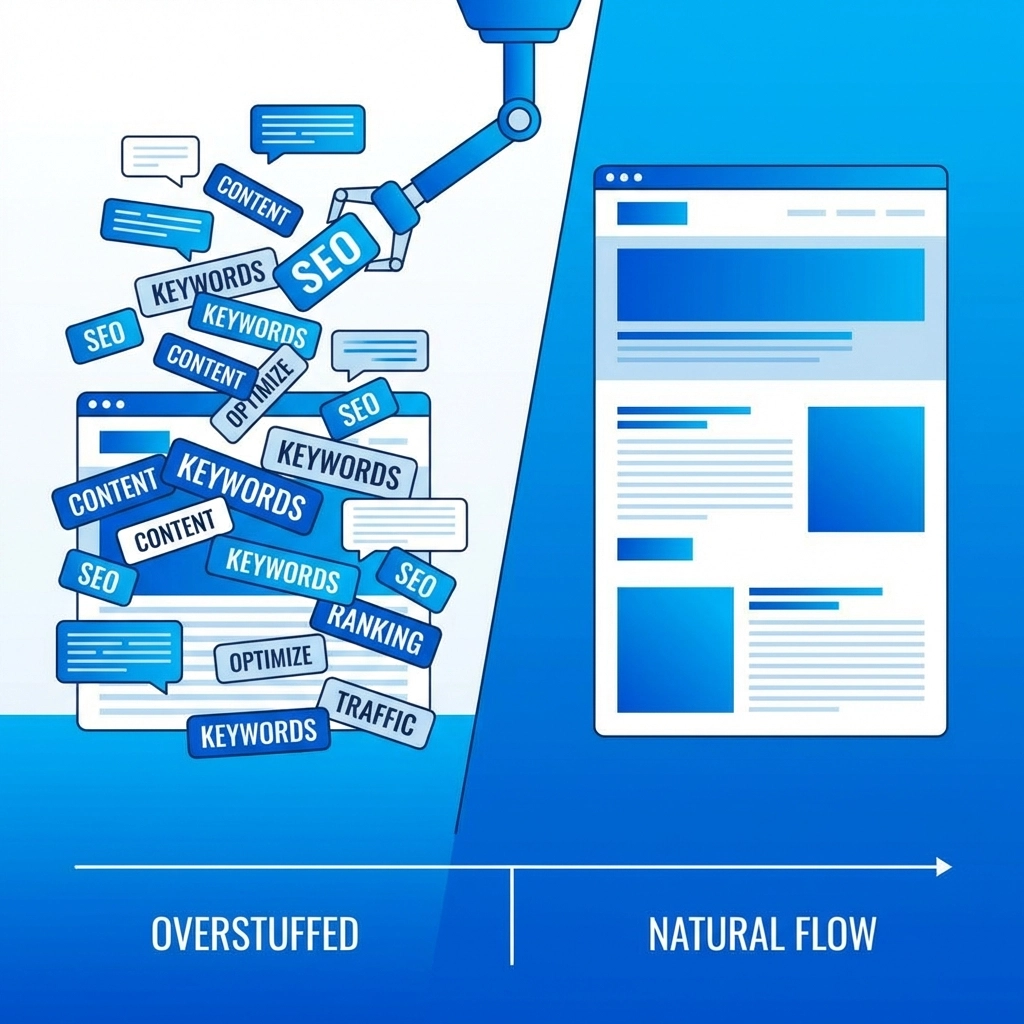
You've probably heard that keywords matter. They do. But cramming them into every sentence isn't the move
When you stuff keywords unnaturally into your content it sounds robotic. Worse it triggers spam filters in search engines. Studies show that nearly 40% of web pages have keyword densities that exceed natural language patterns. That's a lot of websites setting themselves up for penalties
How to fix it:
Write for people first. Your content should flow naturally. Use your target keyword a few times but don't force it. Sprinkle in related terms and synonyms instead of repeating the exact same phrase
If you read your content out loud and it sounds weird you've probably overdone it
2. Ignoring Search Intent
Here's a big one. You might be targeting the right keywords but creating the wrong type of content
Search intent is what someone actually wants when they type something into Google. Are they looking for information? Trying to buy something? Comparing options? Research shows that 67% of web pages don't match the intent behind their target keywords
That's a problem
How to fix it:
Before creating content search your target keyword yourself. Look at what's ranking. If the top results are all how-to guides and you're writing a sales page you're missing the mark
Search intent generally falls into four buckets:
- Informational – They want to learn something
- Navigational – They're looking for a specific site or page
- Commercial – They're researching before buying
- Transactional – They're ready to buy now
Match your content to the intent and you'll have a much better shot at ranking
3. Duplicate Content
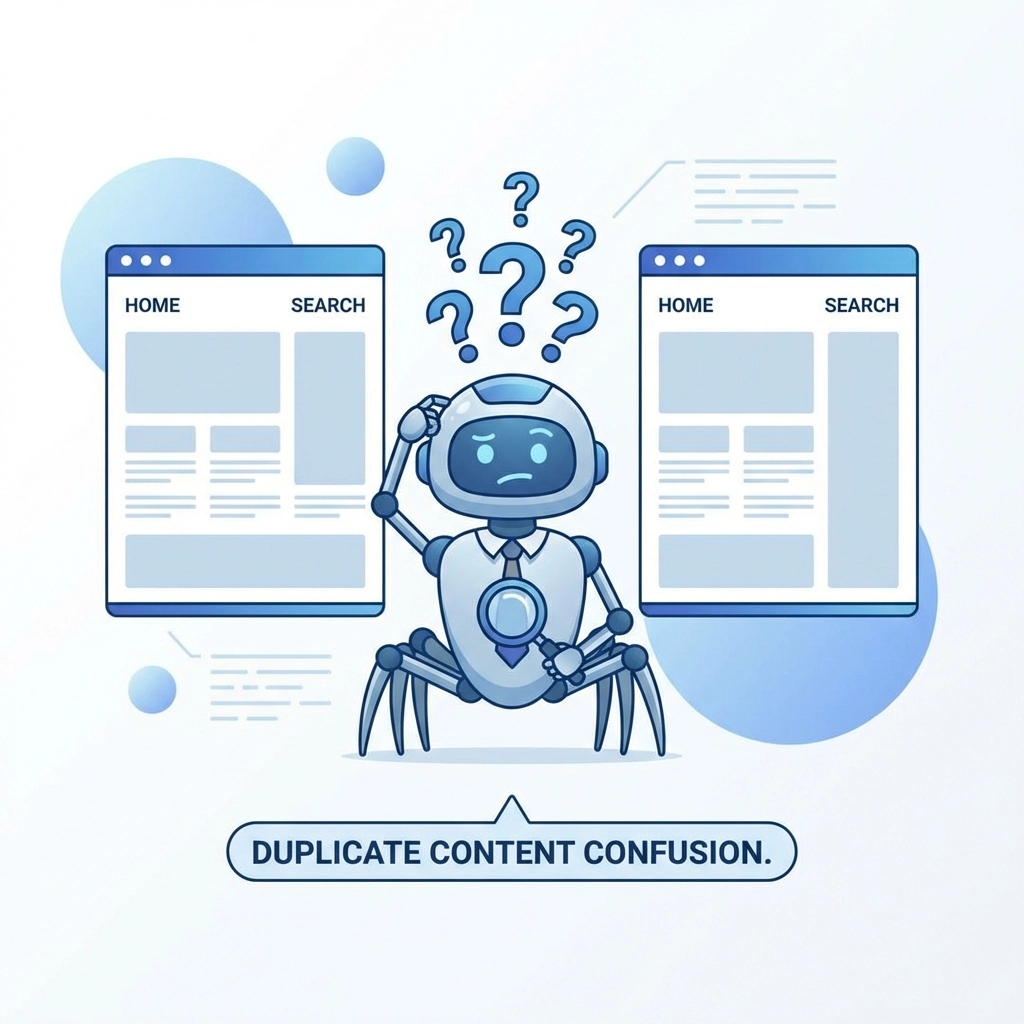
Having the same or very similar content on multiple pages confuses search engines. They don't know which version to rank so sometimes they rank neither
This happens more than you'd think. It's common with product variations category pages or when businesses create multiple landing pages with nearly identical copy
How to fix it:
Audit your site for duplicate content. If you have multiple pages covering the same topic consider consolidating them into one stronger page
For category or archive pages you can no-index them if they're duplicating content elsewhere. Or take the time to make each page unique and valuable on its own
If you're running content in multiple languages use hreflang tags to tell search engines which version to show in different regions
4. Weak Internal Linking
Internal links help search engines understand your site structure. They also help visitors find related content. But a lot of sites either don't use enough internal links or use them poorly
Orphan pages are a common issue. These are pages on your site that don't receive any internal links. Search engines have a harder time finding and ranking them
Another mistake is using the same exact keyword as anchor text every time. It looks manipulative
How to fix it:
Go through your content and add internal links where they make sense. Link from blog posts to relevant service pages. Link between related articles
Vary your anchor text. Instead of always using "web design services" try "our design team" or "how we build websites" or just a natural phrase that fits the sentence
Make sure every important page on your site receives at least one internal link from somewhere else. Need help with your web design or marketing strategy? That's the kind of natural linking we're talking about
5. Bad URL Structure
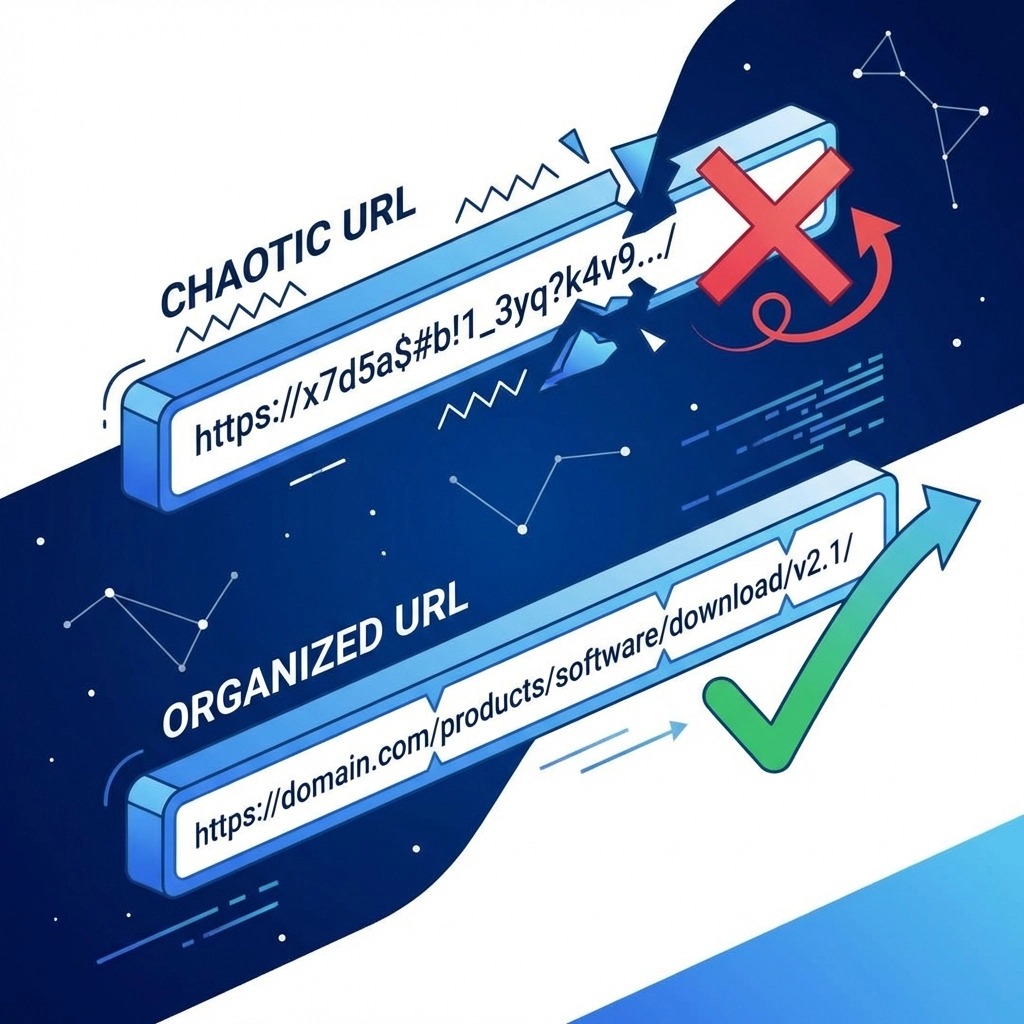
URLs matter more than most people realize. A URL like /p=883 tells no one anything. Not your visitors. Not search engines
Good URLs describe what's on the page. They're clean readable and organized
How to fix it:
Use descriptive URLs that include relevant keywords. For example /blog/seo-mistakes is much better than /archives/883
Keep URLs short. Avoid unnecessary words or parameters. Don't stuff keywords into them either
If you're redesigning your site or cleaning up old URLs make sure to set up proper redirects so you don't lose any existing rankings
6. Missing Schema Markup
Schema markup is code that helps search engines understand your content better. It can also help you show up in rich results like star ratings FAQ dropdowns or event listings
Only about 30% of websites use schema markup. That means most businesses are leaving opportunity on the table
How to fix it:
Identify which schema types make sense for your content. If you have a business add LocalBusiness schema. For blog posts use Article schema. For products use Product schema
You don't need to be a developer to add schema. There are plugins and tools that make it straightforward. Or you can work with a web development team to implement it properly
Once it's set up use Google's Rich Results Test to make sure everything is working correctly
7. Targeting the Wrong Keywords
This might be the most common mistake of all. Businesses often go after super competitive keywords where they have no realistic chance of ranking. Or they focus on a single keyword instead of covering a topic comprehensively
If you're a small business trying to rank for a one-word term that billion-dollar companies dominate you're going to have a bad time
How to fix it:
Start with keyword research. Look at what your audience actually searches for. Consider search volume but also competition. Sometimes a keyword with lower volume but less competition will drive more traffic because you can actually rank for it
Think beyond single keywords. Cover topics thoroughly. If you're writing about SEO mistakes also address related questions people might have. This helps you rank for multiple related searches
Use tools to see what your competitors rank for. Look for gaps where you can create better content

Quick Recap
Here's the short version:
- Stop stuffing keywords – Write naturally
- Match search intent – Give people what they're actually looking for
- Fix duplicate content – Consolidate or differentiate
- Improve internal linking – Connect your pages and vary anchor text
- Clean up URLs – Make them descriptive and readable
- Add schema markup – Help search engines understand your content
- Target realistic keywords – Go after terms you can actually rank for
SEO isn't magic. It's about doing the basics well and avoiding common pitfalls. Fix these seven mistakes and you'll be ahead of most websites out there
Need Help With Your SEO?
If all of this feels overwhelming you're not alone. SEO takes time and expertise to get right
At WorldWise we help businesses build websites that not only look great but actually get found. Whether you need a full digital marketing strategy or just want someone to audit your current setup we're here to help
Get in touch and let's talk about what's holding your site back