

Search engine optimization (SEO) can be confusing. Even with the best intentions, it’s easy to fall into common traps that hurt your rankings and make growth harder than it needs to be. Here are seven mistakes we see all the time : and how to put things right fast.
1. Ignoring Search Intent
You might have great keywords on your page but if your content doesn’t match what people really want, Google will send your visitors (and rankings) elsewhere
How do you fix it?
Check out the pages that already rank well for your target keyword. Notice what types of content win (guides, lists, product pages). Make sure your page satisfies the same intent, whether users are trying to buy, learn, or compare.
2. Keyword Stuffing and Over-Optimization
Sprinkling your main keyword everywhere used to work but today it makes your copy sound clunky : and Google doesn’t like it
How do you fix it?
Write for people, not search engines. Use your main keyword naturally in the title, headings, and opening. Include similar words and phrases (synonyms, related questions). Focus on making your text make sense to a human.
3. Publishing Thin or Surface-Level Content
Thin content is short, vague, or feels like you’re just repeating what everyone else already said. If there’s nothing unique or useful, don’t expect Google’s algorithm to reward you
How do you fix it?
Expand each page with more detail. Answer follow-up questions. Add examples or how-tos that competitors missed. Make sure each page solves a real problem or delivers genuine value to the reader.

4. Neglecting On-Page SEO Basics
If you skip basic things like unique title tags, clear H1 headings, or readable URLs, you’ll have a tough time ranking high
How do you fix it?
Check that every page has a unique and descriptive title tag (with your target keyword). Only one H1 per page. Make URLs short and clear (no random numbers or long strings). Fill out meta descriptions for every important page to improve your search result listings.
5. Poor Mobile Experience and Slow Page Speed
Most traffic is mobile. If your site is hard to use on a phone, or pages take forever to load, visitors bounce : and rankings drop
How do you fix it?
Choose a responsive design so your site works on all screens. Compress images and use modern formats like WebP. Test your site speed and fix anything that slows it down. Google’s Core Web Vitals report will flag issues with speed, layout, and interactivity you can fix.
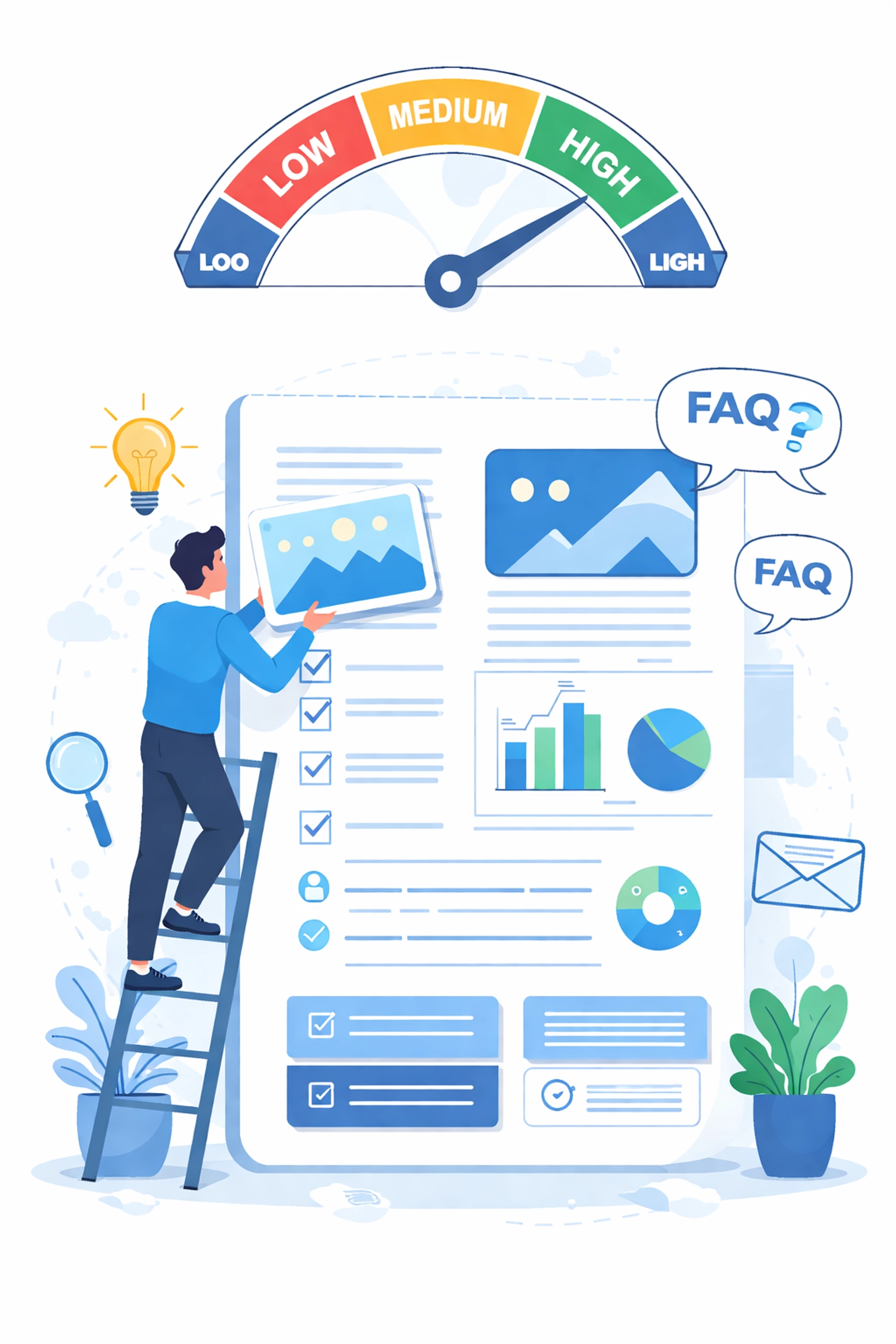
6. Poor Internal Linking and Orphan Pages
Pages that don’t link to any other page (or aren’t linked to themselves) are basically invisible to users and to search engines
How do you fix it?
Link your best content together using descriptive anchor text. Whenever you publish a new post, add links to and from related pages or service offerings. Avoid letting important content become “orphaned” : make sure everything is easy to find.
7. Building Spammy or Low-Quality Backlinks
Buying links or signing up for sketchy link-building schemes might seem fast but it can backfire hard : penalties are real
How do you fix it?
Earn links by creating content that others actually want to reference. Focus on getting a few high-quality mentions from trusted sites, not hundreds of low-grade links. Build relationships and look for opportunities to contribute to reputable industry publications.
Need Help With Your SEO?
Avoiding these mistakes will get you a long way but SEO is an ongoing process with lots of moving parts. If you want to make your site more competitive (without the guesswork or stress), our team at WorldWise can help. Check out our SEO services or get started now. Let’s rank higher, together!