

Local SEO isn't what it used to be. If you're still using tactics from 2020, you're wasting time and losing customers to competitors who've adapted to the current landscape.
Here's the reality: 78% of location-based mobile searches result in offline purchases. That means when someone searches for "best pizza near me" or "plumber in my area," they're ready to buy. The question is whether they'll find your business or your competitor's.
Let's cut through the noise and focus on what actually works in 2025.
1. Optimize Your Google Business Profile Like Your Revenue Depends on It
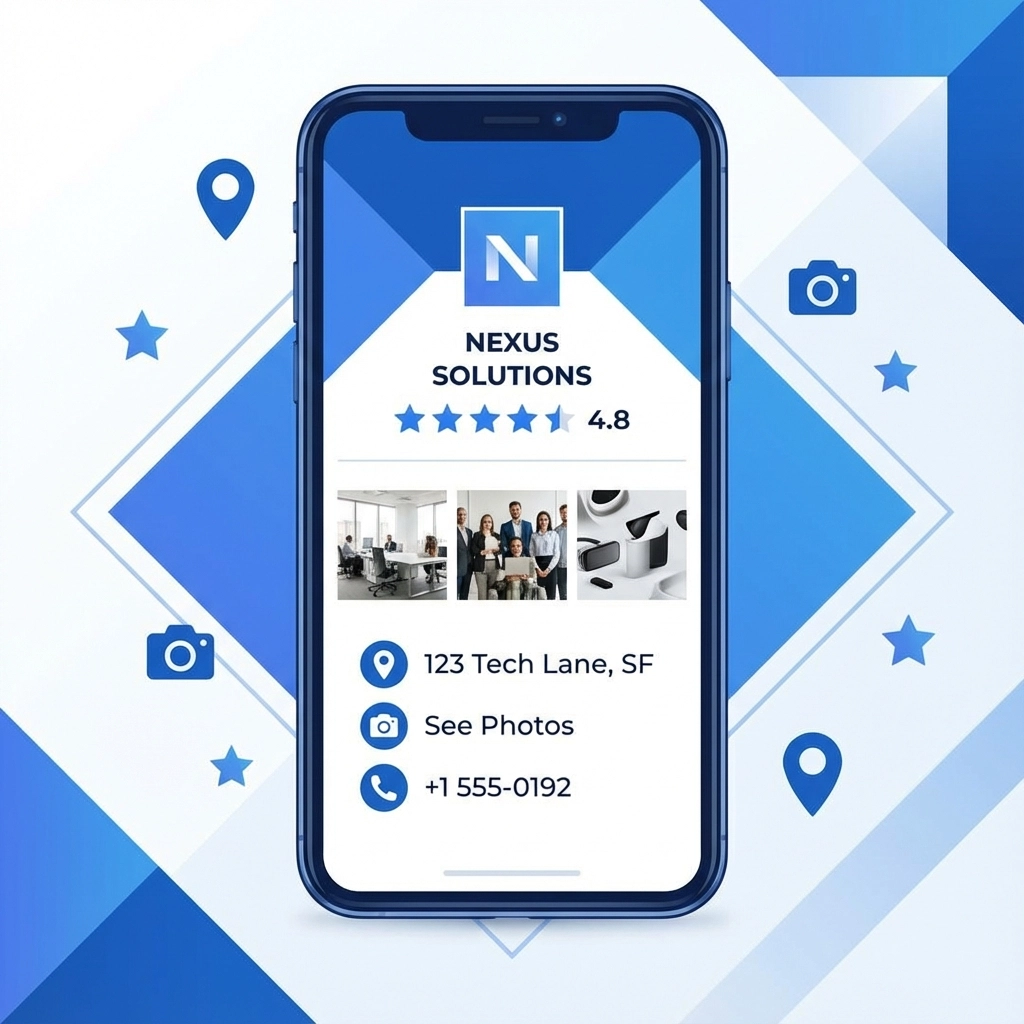
Your Google Business Profile is your digital storefront. Most businesses set it up once and forget about it. That's a mistake.
Keep Everything Current Update your business hours, phone number, and address immediately when they change. Google penalizes outdated information, and customers get frustrated when they show up to a closed business.
Add Fresh Photos Monthly Upload new photos of your products, services, team, or workspace every month. Businesses with photos get 42% more requests for directions and 35% more click-throughs to their websites.
Write a Compelling Description Your business description should clearly explain what you do and who you serve. Include your main keywords naturally, but write for humans, not search engines.
2. Target Location-Specific Keywords That Convert
Generic keywords won't cut it anymore. You need to think like your local customers.
Use the Right Keyword Patterns The most effective local keywords follow these patterns:
- "[Service] in [City]" (roof repair in downtown)
- "Best [Service] near me"
- "[Industry] experts [Location]"
Research What People Actually Search For Don't guess. Use Google Keyword Planner or similar tools to find terms your customers actually type. A bakery might discover people search for "birthday cakes delivery" more than "custom cakes."
Include Keywords Naturally Stuff your content with keywords and Google will ignore you. Instead, use them naturally in your page titles, headers, and content where they make sense.
3. Build Citations That Boost Your Authority
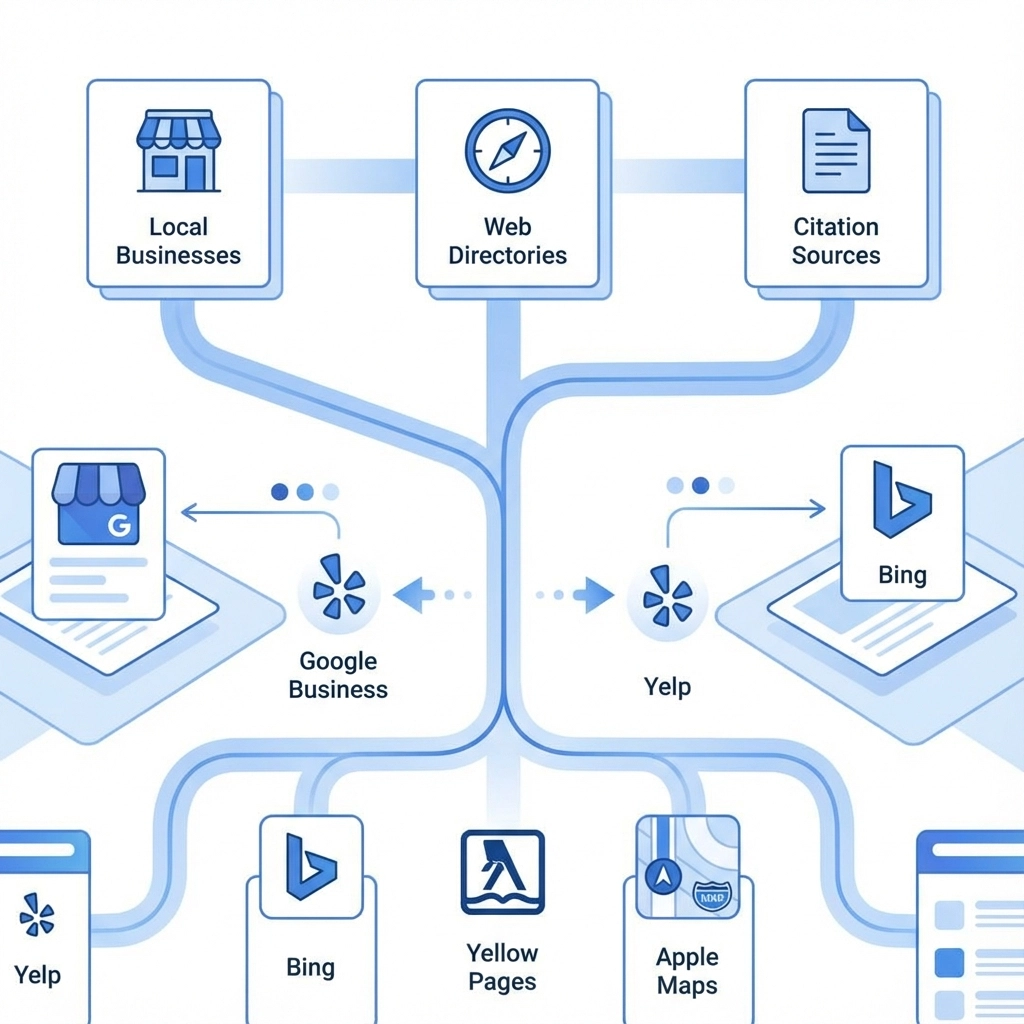
Citations are mentions of your business name, address, and phone number across the web. They're like votes of confidence that tell search engines you're legitimate.
Focus on Quality Over Quantity Getting listed on 100 random directories won't help much. Instead, focus on:
- Industry-specific directories
- Local business associations
- Chamber of Commerce listings
- High-authority review sites
Keep Your Information Consistent Your business name, address, and phone number must be identical across all platforms. Even small differences can hurt your rankings.
4. Create Content That Connects with Your Community
Content marketing isn't about writing blogs that nobody reads. It's about creating valuable information that helps your local audience.
Address Local Problems Write about issues your community faces. A plumbing company might create content about "Common Winter Pipe Problems" with local weather patterns in mind.
Showcase Local Involvement Share stories about local events you've sponsored, community members you've helped, or partnerships with other local businesses. This builds trust and shows you're invested in the community.
Create Location-Specific Pages If you serve multiple areas, create dedicated pages for each location. Don't just copy and paste content – make each page unique and relevant to that specific area.
5. Leverage AI Tools to Work Smarter
AI isn't replacing SEO professionals, but it's making them more efficient. Here's how to use it effectively:
AI-Powered Keyword Research Tools like Google's RankBrain help identify search intent, but you can use AI tools to find low-competition keywords with local modifiers that your competitors might miss.
Content Creation Assistance Use AI tools like ChatGPT or Jasper to generate content ideas, create first drafts, or optimize existing content. But always review and personalize the output – AI content needs human touch to be effective.
Technical SEO Automation AI tools can help with schema markup, meta descriptions, and technical optimizations that used to take hours to complete manually.

6. Turn Reviews Into Your Biggest Marketing Asset
Reviews aren't just social proof – they're content that search engines use to understand your business better.
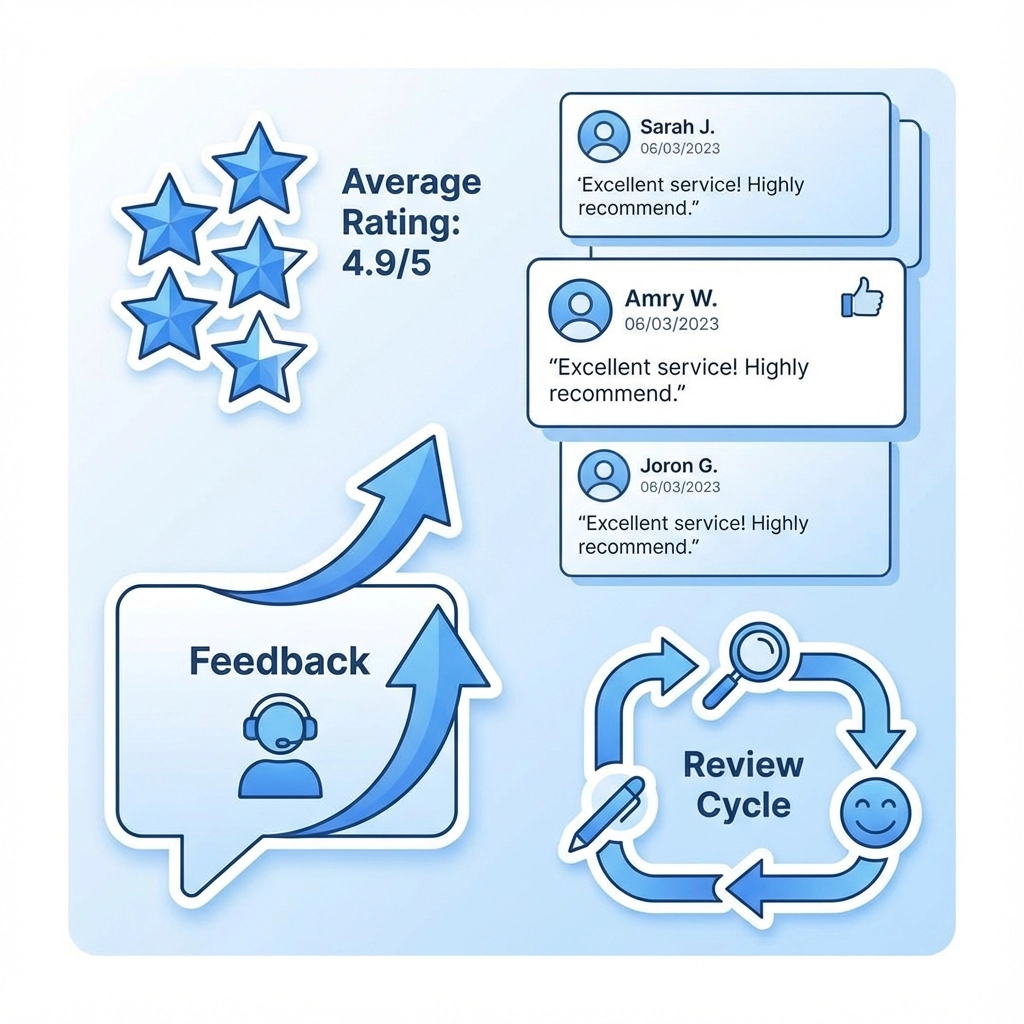
Make Asking for Reviews Part of Your Process Don't leave reviews to chance. Create a system where satisfied customers are automatically asked to share their experience. Make it easy with direct links to your Google Business Profile or other review platforms.
Respond to Every Review Responding shows you care about customer feedback. It also gives you another opportunity to include relevant keywords naturally in your responses.
Use Reviews to Improve Your Service Pay attention to common complaints or suggestions in reviews. Addressing these issues not only improves your business but can lead to better reviews in the future.
7. Track What Matters and Adjust Quickly
Most businesses track vanity metrics that don't impact their bottom line. Focus on metrics that actually matter:
Local Search Visibility Monitor where you appear in local search results for your target keywords. Tools like Google Search Console show you which searches bring people to your site.
Conversion Tracking Set up goal tracking in Google Analytics to see which local SEO efforts actually generate leads or sales, not just website traffic.
Review and Citation Growth Track the number and quality of reviews you receive monthly, along with new citations you've earned.
The Technical Foundation You Can't Ignore
Before implementing these strategies, make sure your website foundation is solid:
Mobile-First Design More than 60% of local searches happen on mobile devices. If your site doesn't work well on phones, you're losing customers before they even consider your services. Our web design team specializes in creating mobile-optimized sites that convert local traffic.
Fast Loading Times Local searchers are impatient. If your site takes more than 3 seconds to load, most people will click back and choose a competitor.
Local Schema Markup This code helps search engines understand your business information better. It's technical, but it makes a significant difference in local search performance.
Common Mistakes That Kill Local SEO Results
Avoid these costly errors:
- Using different phone numbers across platforms
- Ignoring negative reviews instead of addressing them professionally
- Creating thin, duplicate content for different locations
- Focusing only on Google and ignoring other local directories
- Setting up your SEO once and never updating it
Start with One Strategy and Scale Up
Don't try to implement everything at once. Pick one strategy from this list and execute it completely before moving to the next one.
Most businesses see results within 30-60 days when they consistently apply these methods. The key is consistency – local SEO is a marathon, not a sprint.
Your competitors are already implementing some of these strategies. The question is whether you'll catch up or fall further behind.
If you need help implementing these local SEO strategies or want to discuss a comprehensive digital marketing approach for your business, get in touch with our team. We've helped hundreds of local businesses improve their online visibility and grow their customer base through proven SEO methods.
The local SEO landscape changes constantly, but these fundamental strategies will continue working because they focus on what search engines and customers both want: relevant, helpful information that solves real problems for real people in specific locations.