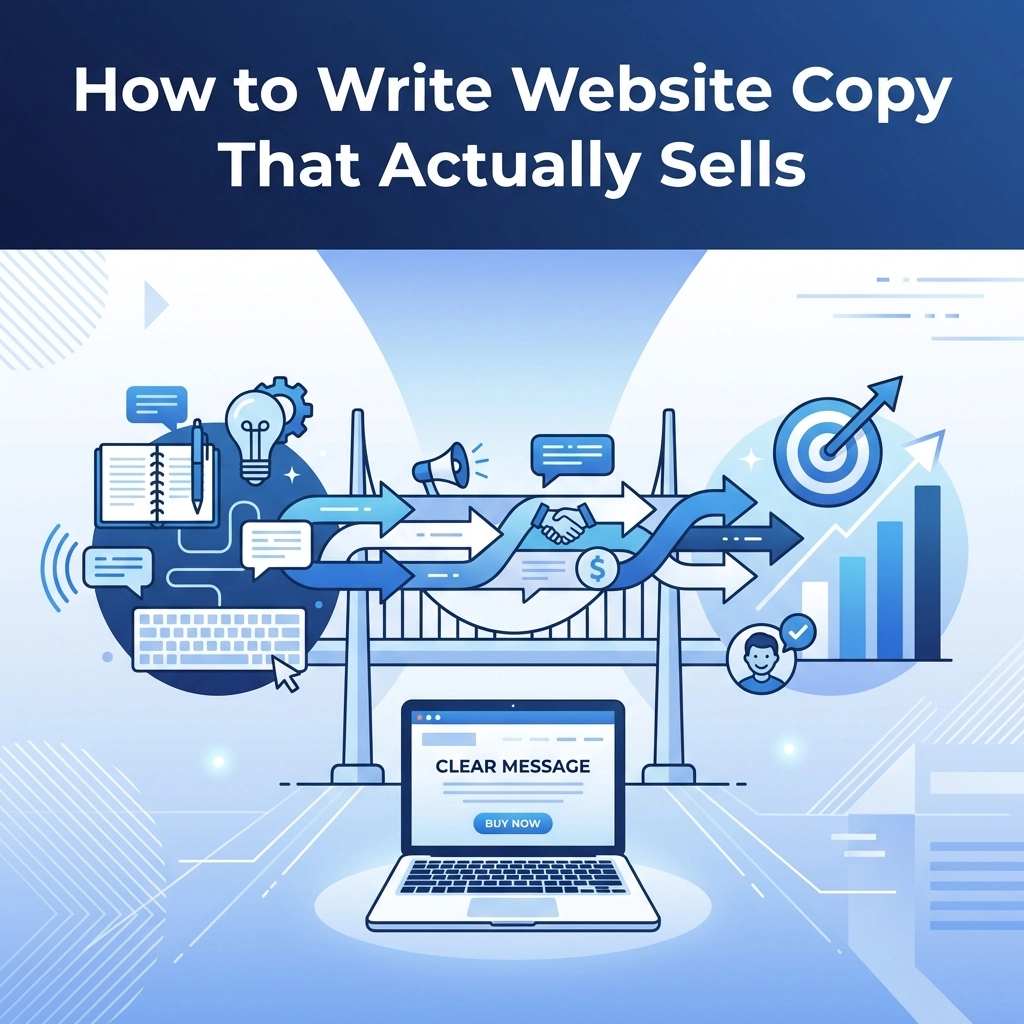

Your website looks great. The design is clean, the colors pop, and everything loads fast. But visitors aren't converting. They browse, they scroll, and then they leave
The problem isn't your design. It's your words
Website copy that sells doesn't happen by accident. It takes strategy, structure, and a deep understanding of who you're talking to. Let's break down how to write copy that actually moves the needle for your business
Know Your Audience Before You Write a Single Word
Here's where most people mess up. They sit down and start writing about their business, their services, their achievements. But effective copy isn't about you. It's about your reader
Before you type anything, answer these questions:
- What problem is your visitor trying to solve?
- What words do they use to describe that problem?
- What objections might stop them from buying?
- What would make them trust you over competitors?
Go beyond basic demographics. Dig into forums, read reviews of similar services, check social media comments. Find the actual language your customers use. Then use those exact words in your copy
This research shapes everything else. Skip it and you're just guessing

Headlines Are Everything
Your headline is the gatekeeper. If it doesn't grab attention, nothing else matters because nobody will read past it
A strong headline should:
- Be clear about what the page offers
- Speak directly to a benefit or pain point
- Create enough curiosity to keep people reading
Forget clever wordplay that confuses people. Clarity beats cleverness every time. Your visitor should know within seconds whether this page is for them
Test this: read your headlines alone, without the body copy. Do they still communicate value? If not, rewrite them
Use subheaders throughout your page too. Most people scan before they commit to reading. Those subheaders act as signposts that guide skimmers to the parts that matter most to them
Structure Your Content Like an Inverted Pyramid
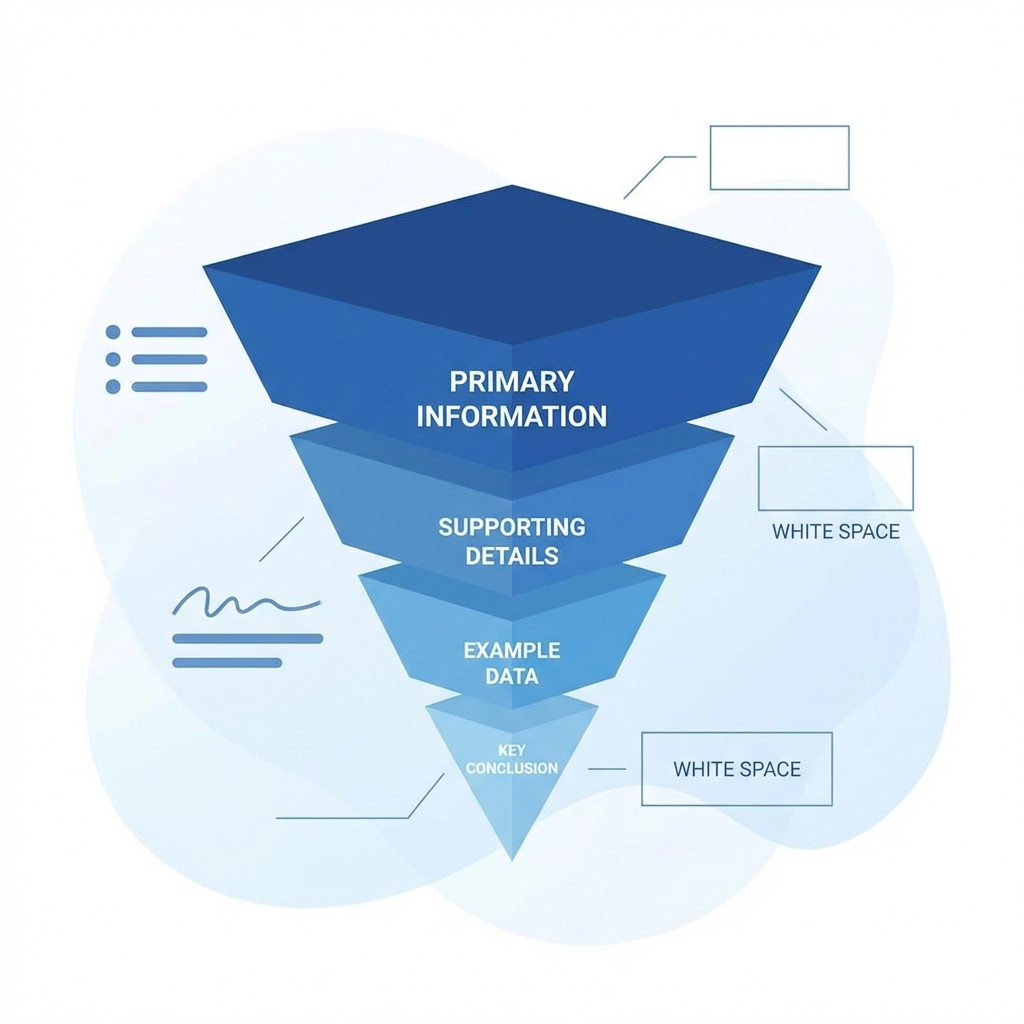
Journalists use this technique and it works perfectly for web copy. Put your most important information first. Supporting details come second. Nice-to-know stuff goes at the bottom
Why? Because attention spans are short online. If someone only reads your first paragraph, they should still understand your core message and value proposition
Break up your content with:
- Short paragraphs (2-3 sentences max)
- Bullet points for scannable lists
- Bold text for key phrases
- Plenty of white space
Dense blocks of text feel overwhelming. They signal "this will take effort to read" and visitors bounce. Make your copy easy on the eyes
Focus on Benefits, Not Features
This is the classic copywriting mistake. Businesses love talking about features. Customers care about benefits
A feature is what something is or does. A benefit is what it does for the customer
Feature: "24/7 customer support" Benefit: "Get help whenever you need it, even at 3 AM"
Feature: "Cloud-based platform" Benefit: "Access your files from anywhere, on any device"
See the difference? Benefits answer the question every visitor is silently asking: "What's in it for me?"
Start with the emotional hook. Address the pain point your reader is experiencing right now. Then show how you solve it differently than anyone else
Write Like a Human, Not a Robot
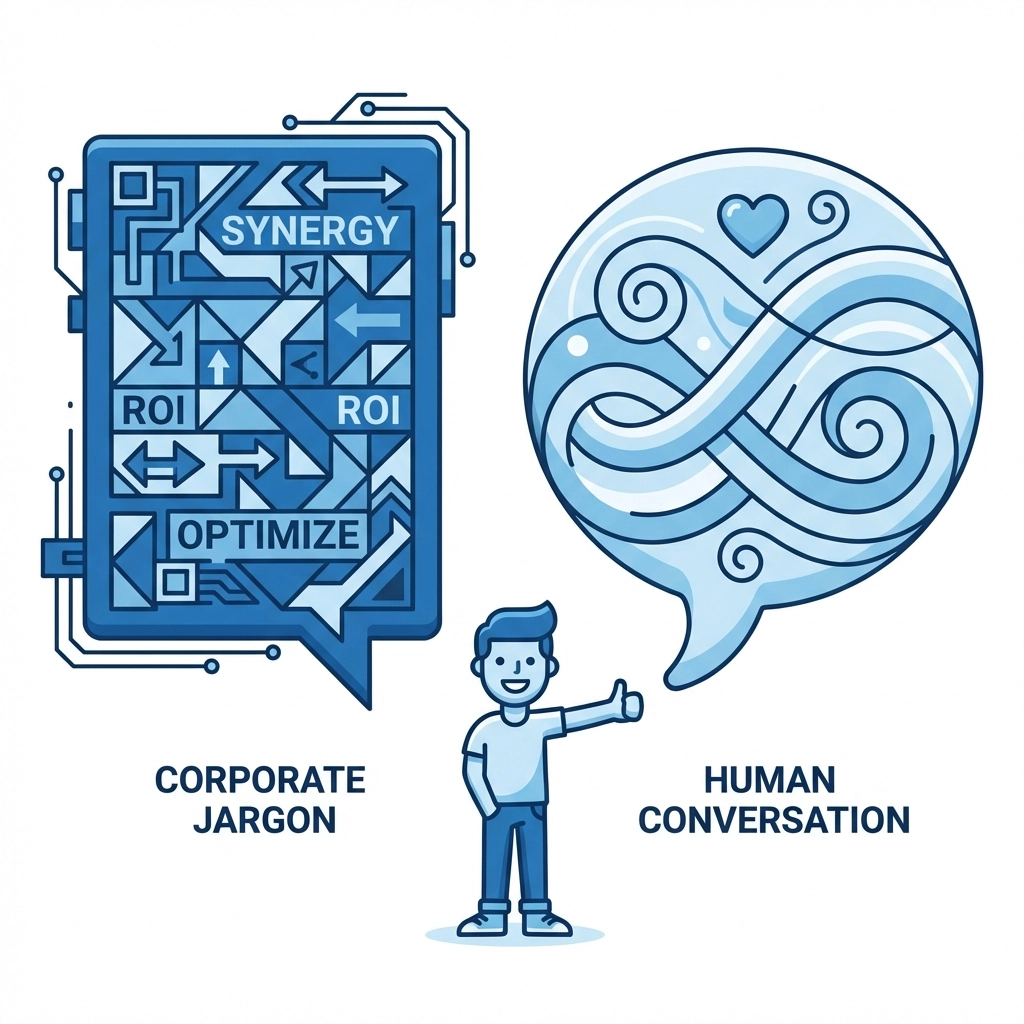
Corporate speak kills conversions. Nobody wants to read "leverage synergies" or "utilize our cutting-edge solutions"
Write like you're talking to a friend. Use:
- Active voice instead of passive
- Short, common words instead of jargon
- Contractions (you're, we'll, it's)
- Second person ("you" and "your")
Read your copy out loud. If it sounds stiff or awkward, rewrite it. Your brand can still be professional while sounding human. In fact, that combination builds more trust than formal corporate language ever could
Build Trust with Social Proof
People are skeptical online. They've been burned before. Your job is to overcome that skepticism with proof
Add credibility markers throughout your copy:
- Testimonials from real customers with names and photos
- Specific numbers (projects completed, years in business, customers served)
- Trust badges (certifications, awards, media mentions)
- Case studies showing real results
Vague claims like "we deliver excellent service" mean nothing. Specific claims like "we've helped 500+ businesses increase their online traffic" carry weight
Place social proof strategically near your calls to action. When someone is deciding whether to take the next step, that's when trust matters most
Craft Calls to Action That Convert
Your call to action (CTA) tells visitors exactly what to do next. A weak CTA leaves people confused. A strong CTA creates momentum
Rules for effective CTAs:
- Use action verbs: "Download," "Start," "Get," "Book," "Join"
- Be specific: "Get Your Free Quote" beats "Submit"
- Match the page goal: A services page CTA differs from a blog post CTA
- Create urgency when appropriate: "Start Your Free Trial Today"
Avoid generic buttons like "Click Here" or "Learn More." They're vague and don't communicate value
Every page should have one primary CTA. Don't make visitors choose between five different actions. Guide them toward the single most important next step
If you're ready to transform your website into a conversion machine, let's talk about your strategy
Don't Forget SEO
Great copy means nothing if nobody finds it. Optimize each page for search engines without sacrificing readability
Assign one primary keyword per page. Include it naturally in:
- Your page title
- The main headline (H1)
- Meta description
- Body copy (a few times, not stuffed)
Write content that answers questions directly. Search engines and AI tools favor clear, definitive statements. Structure your information with obvious hierarchies so search engines can easily understand and feature your content
But here's the balance: write for humans first, search engines second. Keyword-stuffed copy that reads awkwardly will hurt your conversions even if it ranks
Test, Measure, Refine
Copywriting isn't a one-and-done task. The best marketers treat it as an ongoing experiment
Set up tracking to measure:
- Conversion rates on key pages
- Time on page
- Bounce rates
- Click-through rates on CTAs
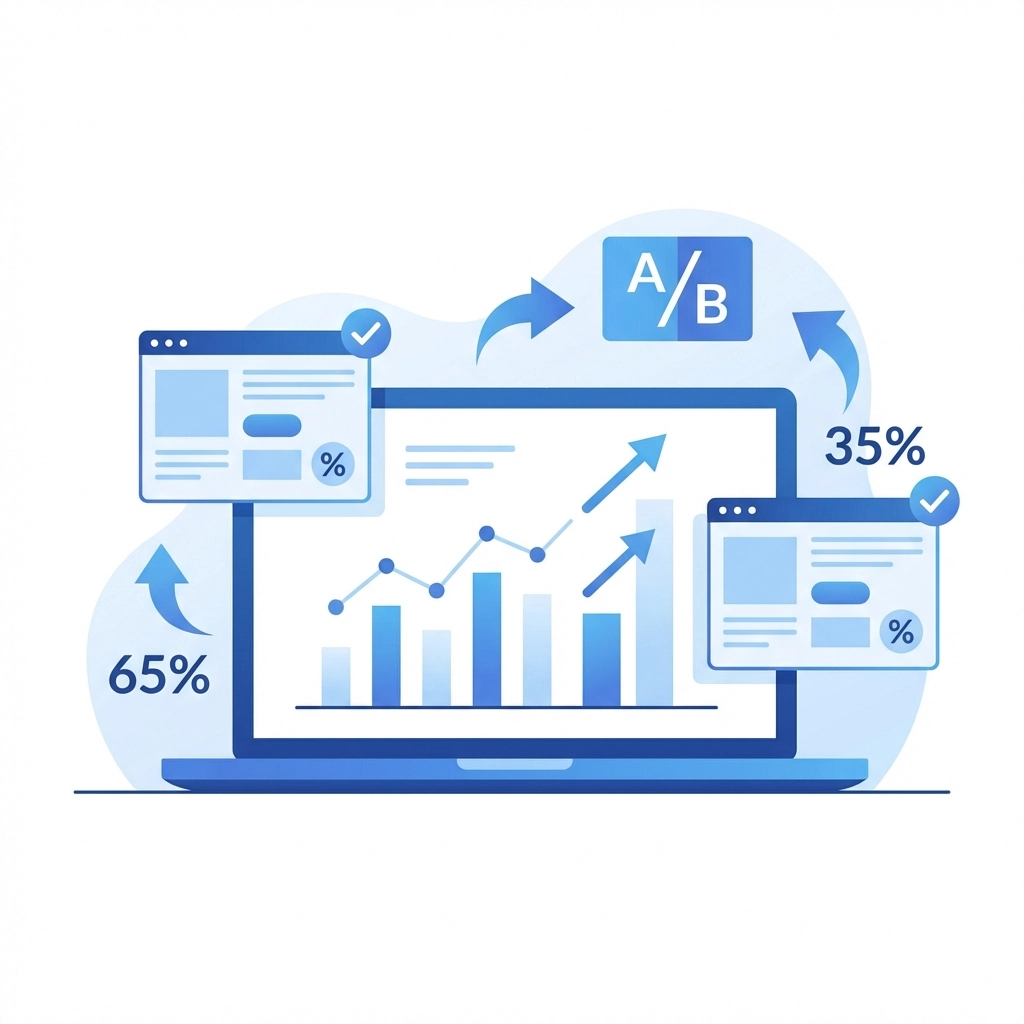
A/B test different headlines, CTAs, and page structures. Small changes can produce big results. One headline swap might increase conversions by 20%
Review your analytics monthly. Identify pages that underperform and rewrite them. Copy that worked last year might need refreshing
Quick Checklist Before You Publish
Run through this list before any page goes live:
- Does the headline clearly communicate value?
- Is the most important information at the top?
- Does every section focus on benefits, not just features?
- Is the copy scannable with short paragraphs and bullet points?
- Does it sound human when read aloud?
- Is there social proof near the CTA?
- Is the CTA specific and action-oriented?
- Is the page optimized for one primary keyword?
The Bottom Line
Website copy that sells isn't about fancy writing. It's about understanding your audience, communicating value clearly, and guiding visitors toward action
Every word on your site should earn its place. Cut the fluff. Focus on benefits. Make it easy to read and easy to act
Your website works 24/7. Make sure your words are working just as hard
Need help turning your website into a sales tool? Check out our web design services or get in touch to discuss your project