

SEO can feel overwhelming. There's a lot of jargon, constant algorithm updates, and conflicting advice everywhere you look. But here's the thing: most of the fundamentals haven't changed much over the years
If you want your business to show up when people search online, you need to understand these 10 essentials. No fluff, just the stuff that actually matters
1. Keyword Research Is Where It All Starts
You can't optimize for search if you don't know what people are searching for. Keyword research helps you understand exactly what your potential customers type into Google when they're looking for products or services like yours
This isn't about guessing. Use tools like Google Keyword Planner, Ahrefs, or SEMrush to find keywords with decent search volume and reasonable competition. Think about search intent too: someone searching "buy running shoes" is ready to purchase, while "best running shoes for flat feet" is still researching
Start with a list of 10-20 primary keywords that align with your business goals. These become the foundation of your entire SEO strategy
2. On-Page Optimization Is Your Foundation
Once you have your keywords, you need to put them in the right places. On-page SEO covers everything you can control directly on your website
The key elements to optimize include:
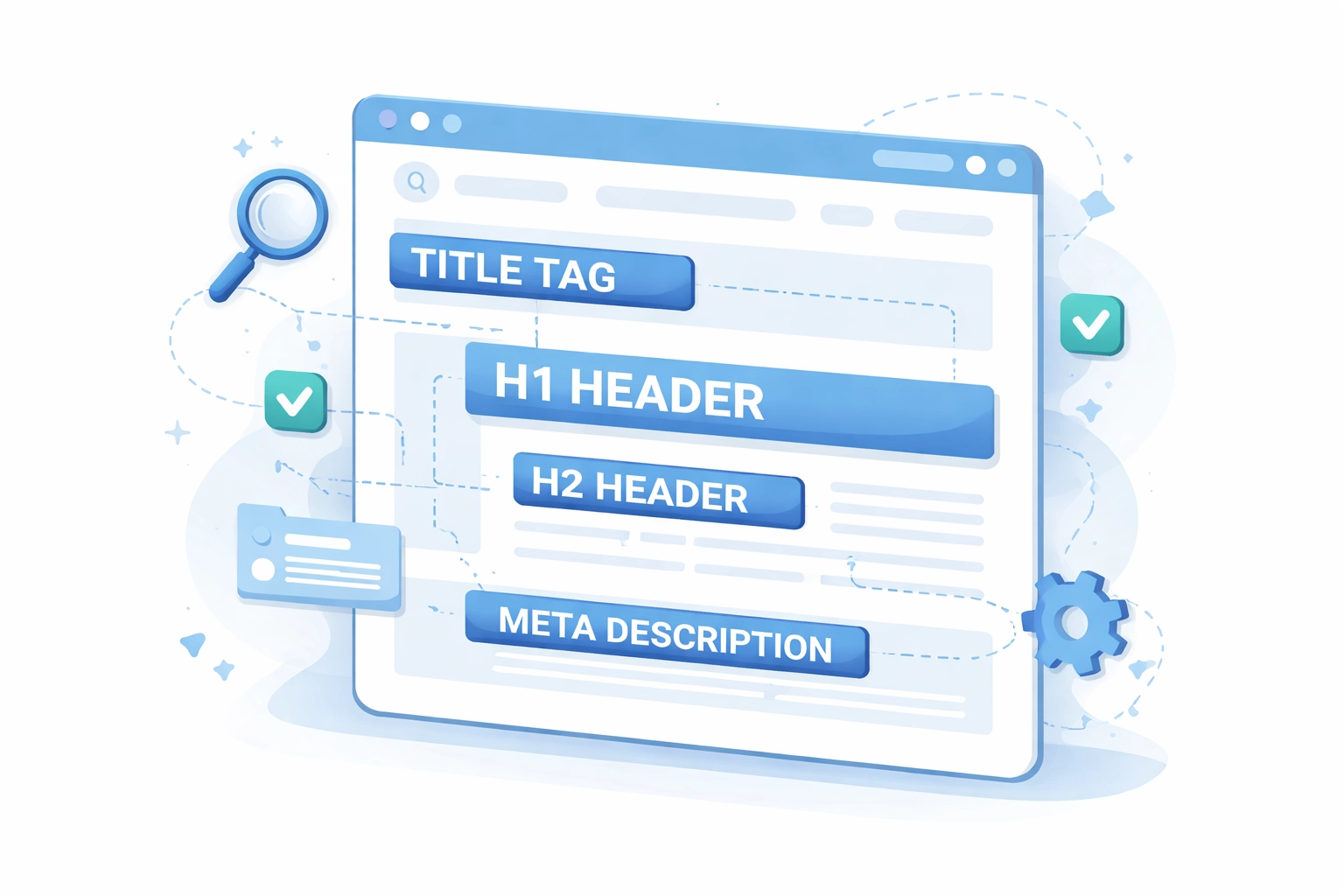
- Title tags – Keep them under 60 characters and include your primary keyword
- Meta descriptions – Write compelling 150-160 character summaries that encourage clicks
- Headers (H1, H2, H3) – Structure your content logically and include relevant keywords
- URL structure – Keep URLs short, descriptive, and keyword-rich
- Body content – Write naturally but include keywords where they fit
If you're working with a professional web design team, they should be building these SEO fundamentals into your site from the start
3. Technical SEO Can Make or Break You
Your website needs to work properly behind the scenes. Technical SEO ensures search engines can crawl, index, and understand your site without issues
Here's what to check:
- Page speed – Slow sites lose visitors and rankings. Aim for under 3 seconds load time
- Mobile responsiveness – Your site must work perfectly on phones and tablets
- SSL certificate – HTTPS is a must. No exceptions
- XML sitemap – Helps search engines find all your pages
- Robots.txt – Tells search engines what to crawl and what to ignore
- No broken links – 404 errors hurt user experience and SEO
Technical issues often hide in the background. Regular audits help catch problems before they tank your rankings
4. Content Quality Beats Content Quantity
Search engines have gotten really good at identifying helpful content. Gone are the days when you could stuff keywords into thin articles and rank
Quality content means:
- Actually answering the questions your audience is asking
- Providing more value than competing pages
- Being well-organized and easy to read
- Including relevant examples, data, or insights
- Staying updated and accurate
You don't need to publish every day. One excellent piece of content per week beats seven mediocre ones. Focus on creating resources people genuinely want to read and share
5. Mobile Optimization Isn't Optional
More than half of all web traffic comes from mobile devices. Google uses mobile-first indexing, meaning they primarily look at the mobile version of your site when determining rankings
Your mobile experience should include:
- Responsive design that adapts to any screen size
- Buttons and links that are easy to tap
- Text that's readable without zooming
- Fast loading on mobile networks
- No intrusive pop-ups that block content
If your site looks great on desktop but falls apart on mobile, you're leaving money on the table. A solid web and mobile development approach addresses both from the start

6. Backlinks Still Matter (A Lot)
Backlinks are links from other websites pointing to yours. They act like votes of confidence: when reputable sites link to you, search engines see you as more trustworthy and authoritative
Not all backlinks are equal though. One link from a respected industry publication beats a hundred links from random directories. Focus on earning quality links through:
- Creating content worth linking to
- Guest posting on relevant blogs
- Building relationships with industry partners
- Getting mentioned in press coverage
- Participating in industry associations
Avoid buying links or participating in link schemes. Google penalizes these tactics and the short-term gains aren't worth the long-term damage
7. Internal Linking Connects the Dots
Internal links are links between pages on your own website. They help users navigate your content and help search engines understand how your pages relate to each other
Good internal linking practices include:
- Using descriptive anchor text (not "click here")
- Linking to relevant pages that add value for readers
- Creating a logical hierarchy from broad topics to specific ones
- Ensuring important pages receive more internal links
- Fixing orphan pages that have no internal links pointing to them
Think of your website as a web. Every important page should connect to others in meaningful ways
8. Schema Markup Gives You an Edge
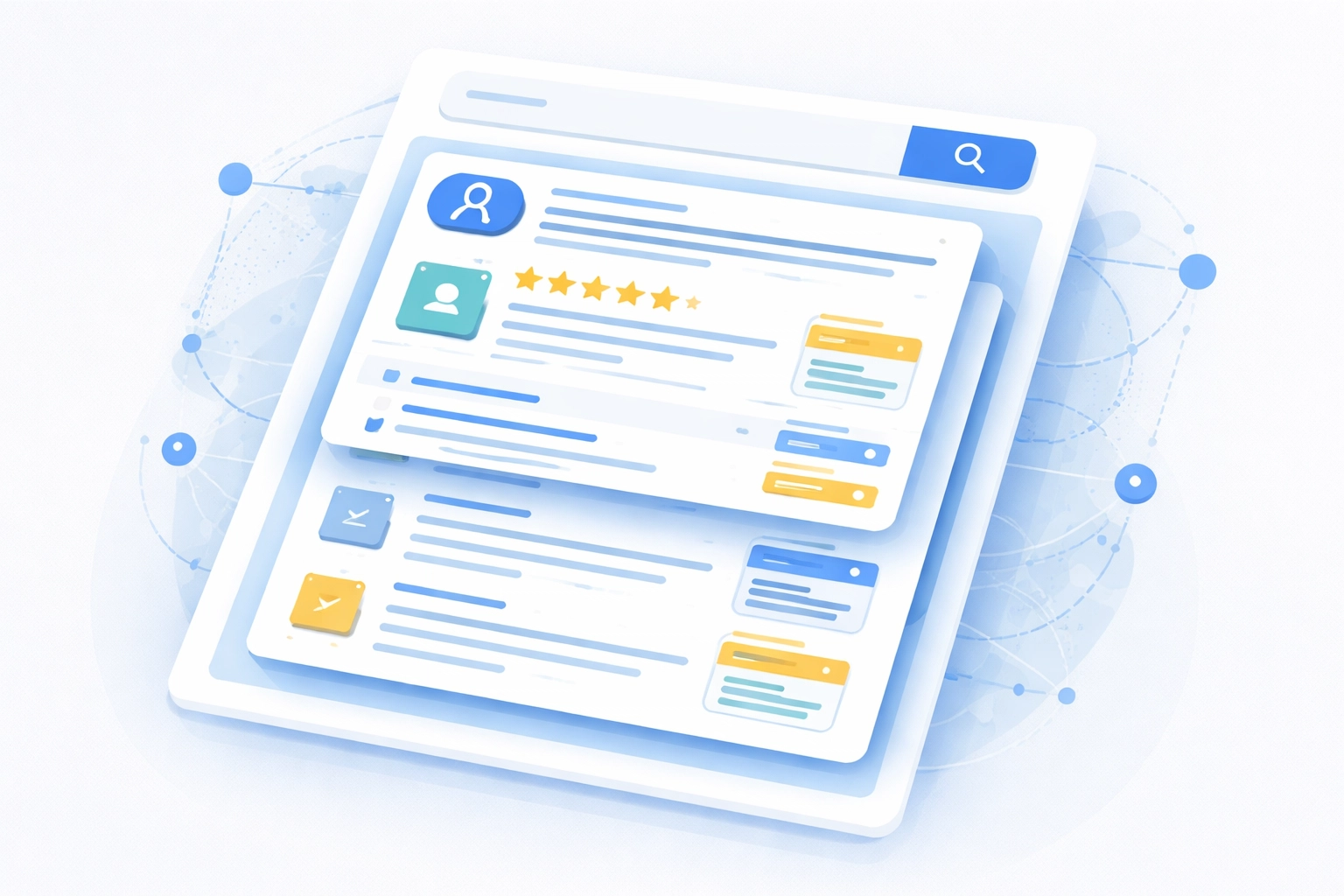
Schema markup is code you add to your website that helps search engines understand your content better. It can also earn you enhanced search results called "rich snippets"
You've seen rich snippets before: star ratings on review results, FAQ dropdowns, event dates, recipe cards. These eye-catching additions can significantly improve your click-through rates
Common schema types include:
- Organization
- Local Business
- Product
- FAQ
- How-To
- Article
- Review
Implementing schema requires some technical know-how, but the visibility boost is worth it
9. Site Architecture Should Make Sense
How your website is organized affects both user experience and SEO. A logical site structure helps visitors find what they need and helps search engines crawl your content efficiently
Best practices for site architecture:
- Keep important pages within 3 clicks of the homepage
- Use clear, descriptive navigation labels
- Group related content into categories
- Create hub pages that link to related subtopics
- Maintain consistent URL structures
Think of it like organizing a filing cabinet. Everything should have a logical place, and finding any document shouldn't take more than a few steps. Your digital strategy should include a clear plan for how content is organized and connected
10. You Need to Track and Measure Everything
SEO without measurement is just guessing. You need data to understand what's working, what's not, and where to focus your efforts
Essential tools include:
- Google Analytics – Track traffic, user behavior, and conversions
- Google Search Console – Monitor search performance, indexing, and technical issues
- Rank tracking tools – See where you rank for target keywords over time
Key metrics to watch:
- Organic traffic trends
- Keyword rankings
- Click-through rates
- Bounce rates
- Page load times
- Conversion rates from organic traffic
Set up regular reporting: weekly or monthly: so you can spot trends and make data-driven decisions. If something isn't performing, the numbers will tell you
Putting It All Together
SEO isn't a one-time project. It's an ongoing process of optimization, measurement, and improvement. But if you nail these 10 fundamentals, you'll be ahead of most of your competition
Start with keyword research and on-page optimization. Get your technical foundation solid. Create quality content consistently. Build authority through backlinks and internal linking. And always measure your results
Need help implementing these SEO essentials for your business? Get in touch with our team to discuss a marketing strategy that drives real results