
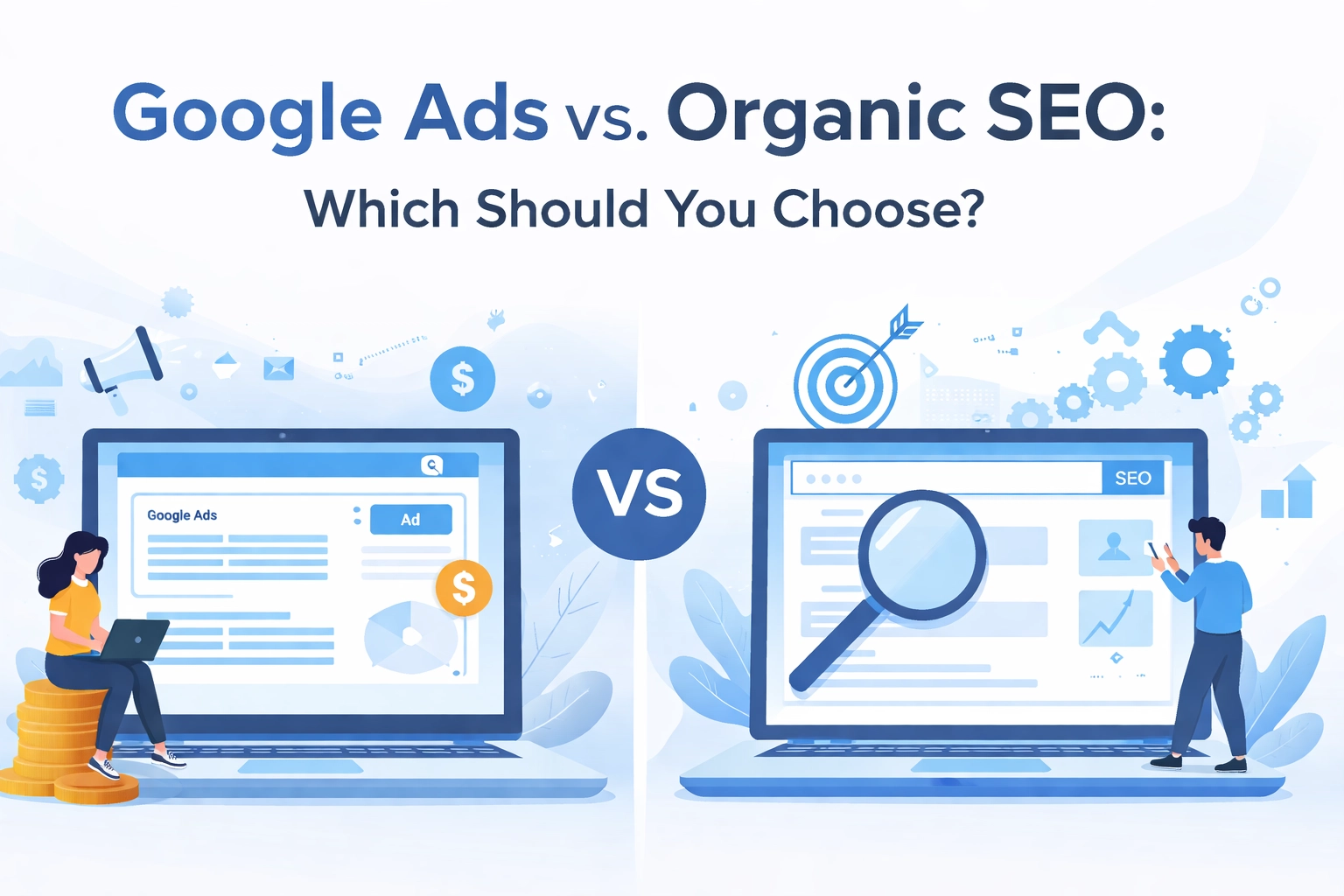

So you want more traffic to your website. You've got two main options staring you in the face: Google Ads or organic SEO. Maybe you've heard people swear by one or the other. Maybe you're just confused about which one actually makes sense for your business
Here's the truth , both work. But they work differently. And understanding those differences is going to save you a lot of time, money, and headaches
Let's break it down
The Quick and Dirty Difference
Google Ads is paid advertising. You pay Google to show your website at the top of search results. The moment you stop paying, you disappear
Organic SEO is the process of optimizing your website so it naturally ranks in search results. It takes longer to see results, but once you're there, you don't pay for every click
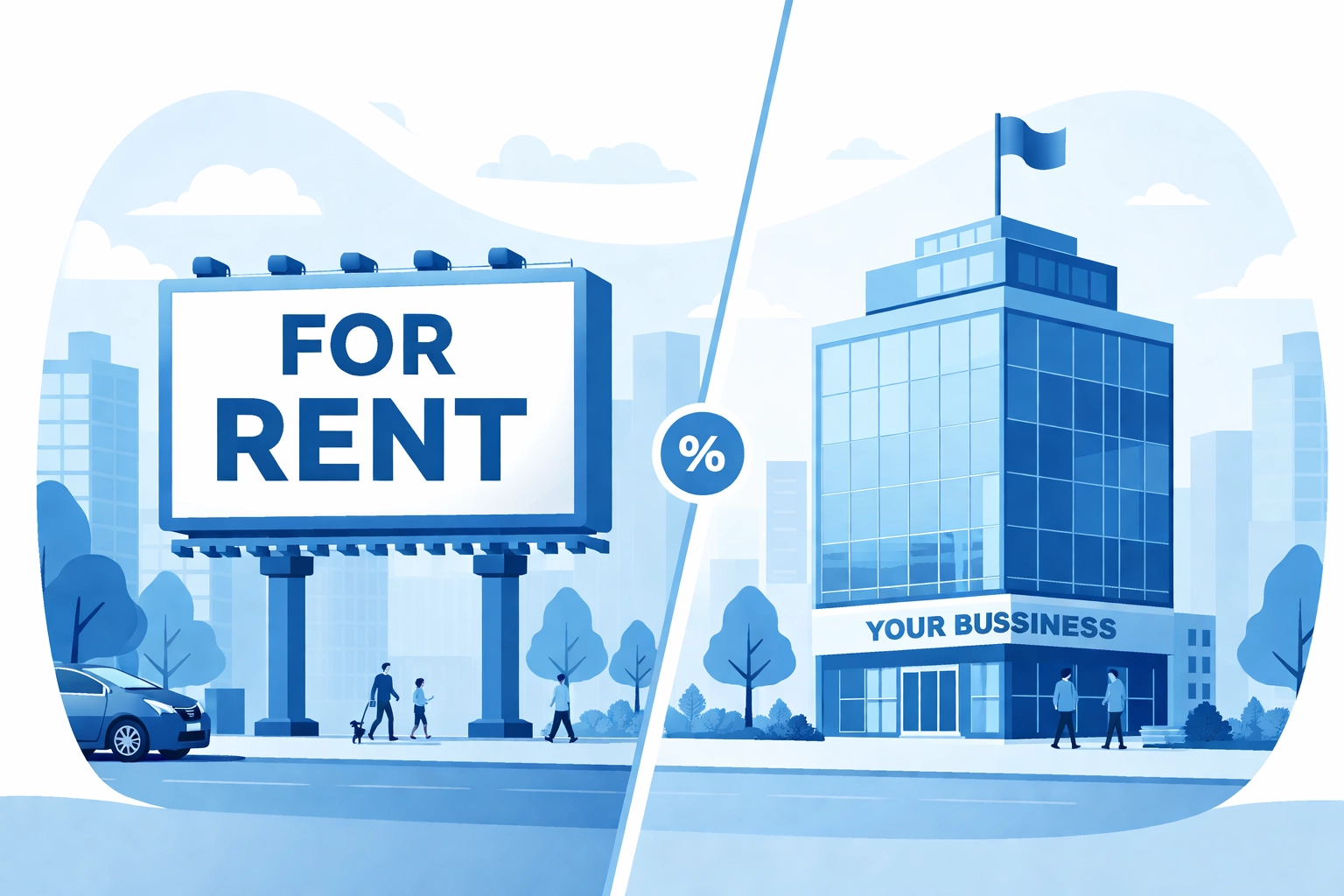
Think of Google Ads like renting a billboard. SEO is like owning the building
Speed: When Do You Need Results?
This is usually the deciding factor for most businesses
Google Ads gives you instant visibility. You can launch a campaign today and start getting clicks within hours. If you need leads right now , like yesterday , paid ads are your friend
Organic SEO takes time. We're talking months, not days. You need to build content, earn backlinks, and wait for Google to recognize your site as an authority. It's a slow burn
If you're launching a new product, running a limited-time promotion, or just need to test if a keyword converts, Google Ads gets you there fast
If you're thinking long-term and want sustainable traffic without constantly feeding the machine, SEO is where you want to invest
Cost: What's Your Budget Look Like?
Let's talk money
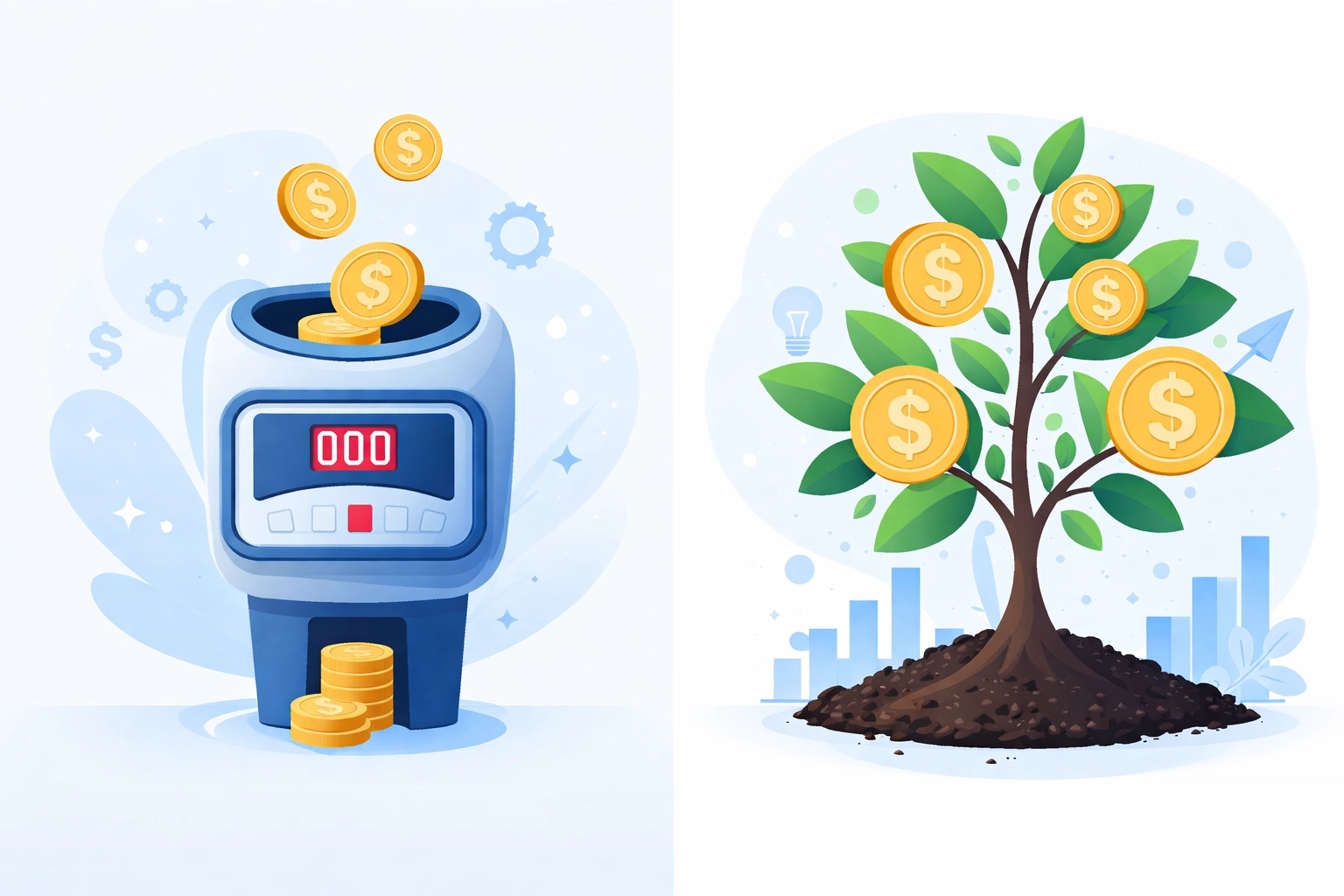
Google Ads operates on a pay-per-click model. Every time someone clicks your ad, you pay. Depending on your industry, that could be a few cents or over $50 per click. And here's the kicker , when your budget runs out, so does your traffic
SEO requires upfront investment in content creation, technical optimization, and link building. But once you rank, you're not paying for each visitor. The cost per click essentially drops to zero over time
Here's a stat worth noting: SEO produces an average return of $22 for every $1 spent. Google Ads averages around $2 for every $1. That's a massive difference in ROI
But don't let that fool you into thinking SEO is always cheaper. The upfront costs can be significant, and you need patience before seeing returns
Trust: How Do People Perceive Your Listing?
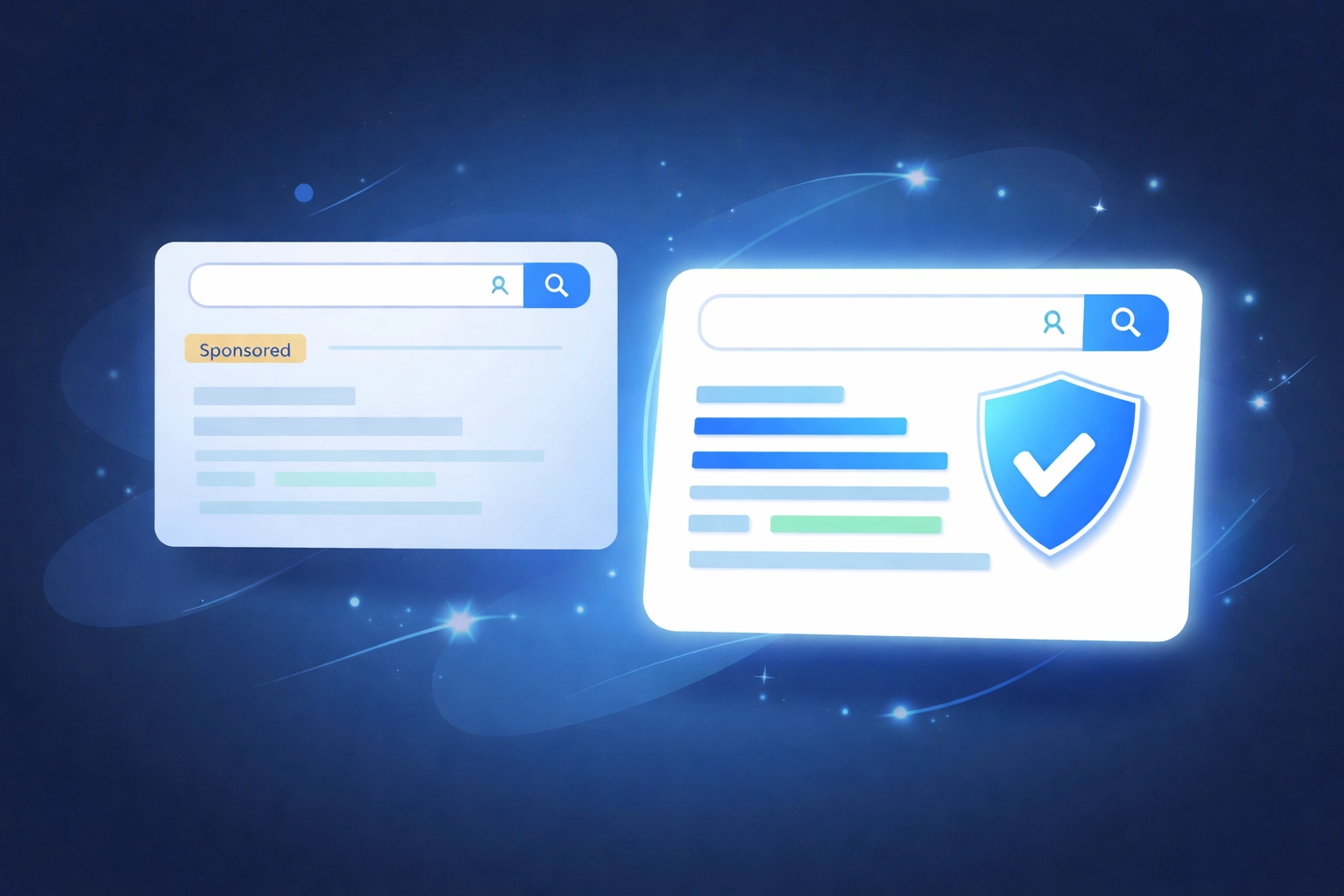
Ever notice those little "Sponsored" labels on Google search results? So does everyone else
Organic results tend to be more trusted. People know those listings earned their spot. There's an inherent credibility that comes with ranking naturally
Paid ads can feel... well, like ads. Some users skip right past them. Others don't mind clicking if the ad matches what they're looking for
Here's an interesting fact: about 94% of all clicks on Google go to organic results. But paid ads still capture a huge chunk of high-intent, ready-to-buy searches
So if someone's looking to "buy running shoes," they might click an ad. If they're researching "best running shoes for flat feet," they're probably clicking organic results
Control: How Much Do You Want to Manage?
Google Ads gives you complete control. You choose exactly which keywords to target, what your ad says, who sees it, and when it runs. You can turn campaigns on and off instantly. You can A/B test everything
SEO is more hands-off but also more unpredictable. Google's algorithm decides where you rank. You can do everything right and still get bumped by an algorithm update. It's frustrating, but it's the reality
If you like having your finger on the pulse and making real-time adjustments, Google Ads fits that style. If you prefer a "set it and optimize occasionally" approach, SEO might be more your speed
The Case for Google Ads
Google Ads makes sense when you need:
- Immediate traffic for a new website or product launch
- Quick testing to see which keywords actually convert before investing in SEO
- Seasonal promotions that have a clear start and end date
- Competitive niches where organic rankings are dominated by big players
- Precise targeting based on location, demographics, or time of day
It's also great for remarketing : showing ads to people who already visited your site but didn't convert
The Case for Organic SEO
Organic SEO makes sense when you want:
- Long-term, sustainable traffic that doesn't depend on ad spend
- Brand authority and credibility in your industry
- Lower cost per acquisition over time
- Compounding returns : content you create today can drive traffic for years
- Independence from advertising platforms and their ever-changing costs
SEO is especially powerful for informational queries. Blog posts, guides, and how-to content can attract visitors at the awareness stage and nurture them toward becoming customers
Why Not Both?
Here's the thing most people don't realize: you don't have to choose
The most successful businesses in 2025 are using both Google Ads and SEO together. And it's not just about hedging bets : there's actual strategic value in the combination
Double your visibility. When you own both the top paid spot and a top organic spot, you dominate that search results page. Studies show this can capture up to 49% of all clicks
Use ads to inform your SEO strategy. Run Google Ads campaigns to quickly identify which keywords actually convert. Then build your SEO content around those proven winners. It's like having a testing ground before you commit to the long game
Fill the gaps. SEO takes time. While you're building up organic rankings, Google Ads keeps the leads flowing. Once your SEO kicks in, you can scale back ad spend on those keywords
Test messaging before scaling. Not sure which headline or offer resonates? Test it with paid ads first. Once you know what works, bake it into your organic content
A Side-by-Side Comparison
| Factor | Google Ads | Organic SEO |
|---|---|---|
| Speed to results | Hours | Months |
| Cost model | Pay per click | Upfront investment |
| Longevity | Stops when budget ends | Long-lasting |
| Control | Full control | Algorithm-dependent |
| Trust level | Lower (marked as ad) | Higher |
| Best for | Immediate needs, testing | Long-term growth |
So Which Should You Choose?
If you're asking "which one is better," you're asking the wrong question
The right question is: what does your business need right now?
Need leads immediately? Start with Google Ads
Building for the long haul? Invest in SEO
Want the best of both worlds? Combine them
Most businesses benefit from a hybrid approach. Start with paid ads to generate immediate traffic and gather data. Simultaneously invest in SEO for sustainable growth. As your organic rankings improve, you can shift budget away from paid ads on those keywords
It's not either/or. It's about using the right tool for the right job at the right time
Need Help Figuring This Out?
At WorldWise, we help businesses with both Google Ads and SEO strategy. Whether you need immediate leads, long-term organic growth, or a combination of both, we can build a plan that fits your goals and budget
Not sure where to start? Get in touch and let's figure out what makes sense for your situation