

Let's get straight to it. You've probably heard a lot about SEO over the years. Maybe you've wondered if it's still worth the effort in 2026. Short answer: yes. Organic traffic remains one of the most valuable assets your website can have
This post breaks down why organic search traffic matters, how it compares to paid ads, and what you can do to make it work for your business
What Is Organic Traffic Anyway
Organic traffic is the visitors who find your website through unpaid search results. They type something into Google, see your site listed, and click through. No ad spend required
Compare that to paid traffic where you're shelling out money every time someone clicks on your ad. Both have their place, but organic traffic has some distinct advantages that make it worth your attention
The Numbers Tell the Story
Here's where things get interesting. Recent data shows organic search delivers a 748% ROI compared to paid search's 36% ROI. That's not a typo. Organic outperforms paid by a massive margin when you look at long-term returns
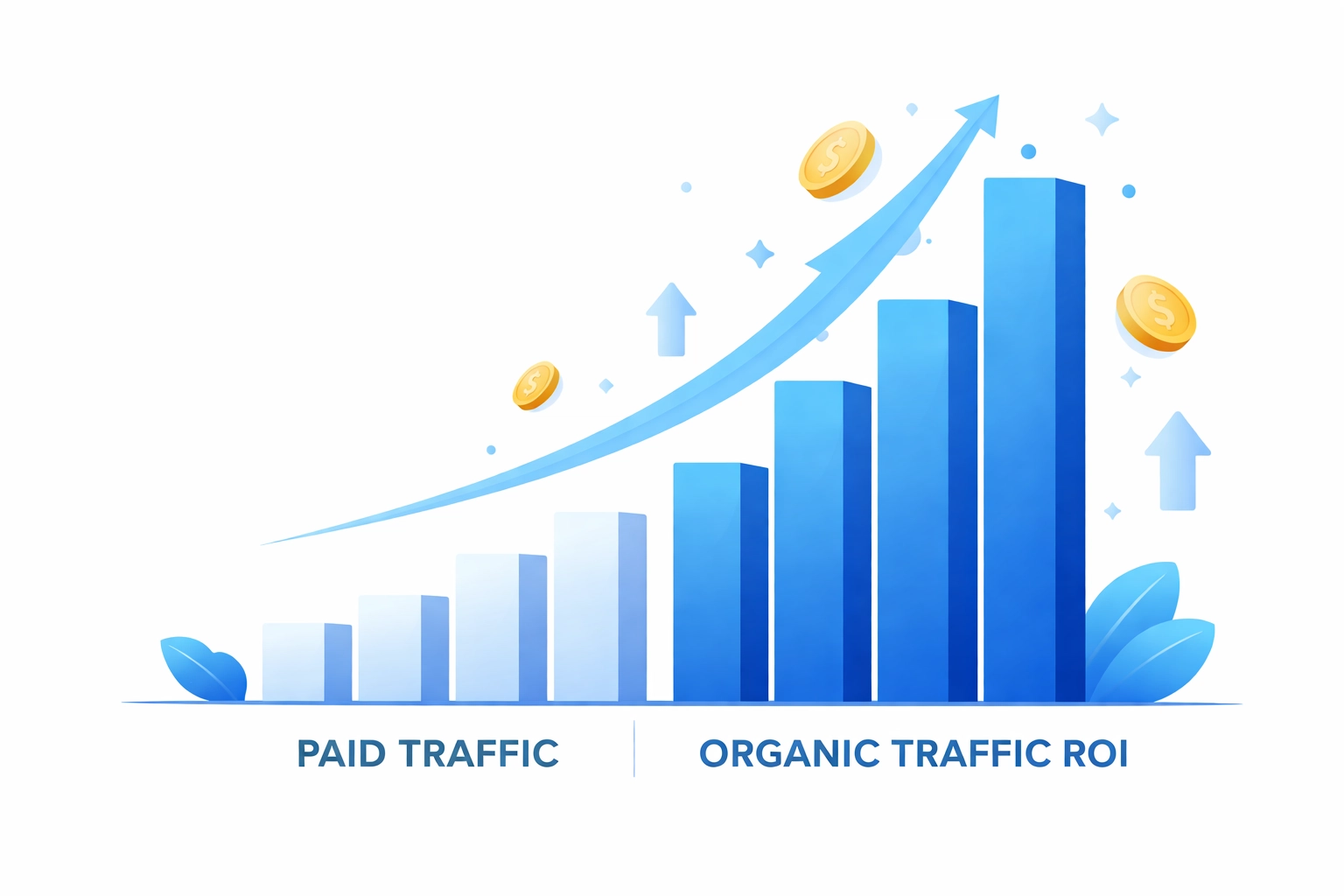
Conversion rates favor organic too. Organic search converts at about 2.4% while paid sits at 1.3%. People who find you through organic search are often further along in their decision-making process. They're actively looking for solutions and your content answered their question
The bottom line: organic search is roughly 5.66 times more effective than paid search when you factor in cost and performance together
Why Organic Traffic Builds Trust
Here's something paid ads can't buy: credibility
When your website ranks highly in organic search results, it signals to visitors that you're a legitimate authority in your space. Google has essentially vouched for you by placing your content near the top. That matters to people
Think about your own browsing habits. Do you scroll past the ads to get to the "real" results? Most people do. Organic rankings carry an implicit endorsement that paid placements simply don't have

This trust factor becomes especially important during the decision phase. When potential customers are comparing options, your organic content: product pages, service descriptions, testimonials: reinforces your credibility. You're not just paying to be seen. You've earned your spot
The Long Game vs The Quick Win
Paid advertising gives you speed. You can launch a campaign today and see traffic tomorrow. That's valuable for product launches, promotions, or when you need immediate visibility
Organic search gives you sustainability. It takes longer to build, but once you've established strong rankings, that traffic keeps coming without ongoing ad spend. Your investment compounds over time rather than disappearing the moment you stop paying
The smart approach? Use both strategically
Studies show that when a brand appears in both paid and organic search results simultaneously, clicks increase significantly. The combination builds familiarity and increases the likelihood of conversion. About 62% of total traffic typically comes from organic sources compared to 21% from paid. Even businesses investing heavily in ads see organic traffic as their primary driver
SEO in 2026: What Actually Matters
Search engines have gotten smarter. The old tricks: keyword stuffing, link farms, duplicate content: don't work anymore. They'll actually hurt you. Modern SEO focuses on providing genuine value to users
Here's what moves the needle now:
Quality Content That Answers Questions
Create content that genuinely helps your audience. Answer their questions clearly. Solve their problems. Google rewards pages that satisfy user intent
Don't write for search engines. Write for people. Then optimize for search engines
Technical Performance
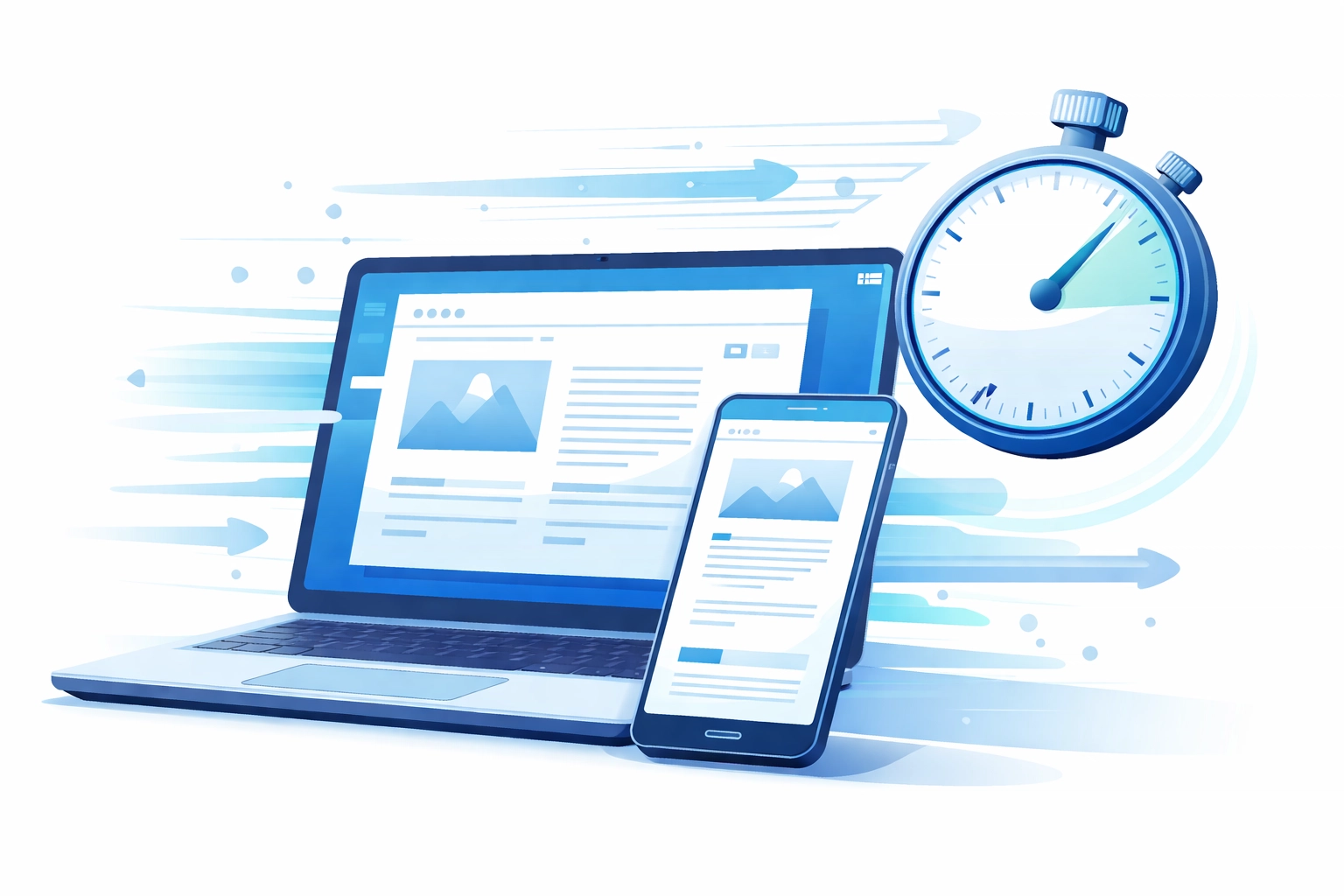
Your site needs to load fast. It needs to work on mobile devices. Navigation should be intuitive. These technical factors directly impact your rankings and user experience
A slow, clunky website sends visitors bouncing back to search results. That behavior tells Google your page didn't deliver what people wanted
Consistent Publishing
Fresh content signals to search engines that your site is active and relevant. A blog that hasn't been updated in two years doesn't inspire confidence. Regular publishing keeps your site in the mix
Strategic Keyword Usage
Keywords still matter, but context matters more. Focus on topics rather than individual keywords. Cover subjects thoroughly. Answer related questions. Build topical authority
User Experience
How people interact with your site affects rankings. Time on page, pages per session, bounce rate: these engagement signals influence how Google evaluates your content. Make your site easy and pleasant to use
Common SEO Mistakes to Avoid
A few things that trip people up:
Expecting overnight results. SEO takes time. Typically 4-6 months before you see meaningful movement. If someone promises first-page rankings in a week, run the other direction
Ignoring mobile users. More than half of web traffic comes from mobile devices. If your site isn't mobile-friendly, you're losing both visitors and rankings
Forgetting about existing content. Don't just create new content. Update and improve what you already have. Refreshed content often performs better than brand new pages
Skipping the technical stuff. Broken links, missing meta descriptions, slow load times: these issues compound. Regular technical audits keep your site healthy
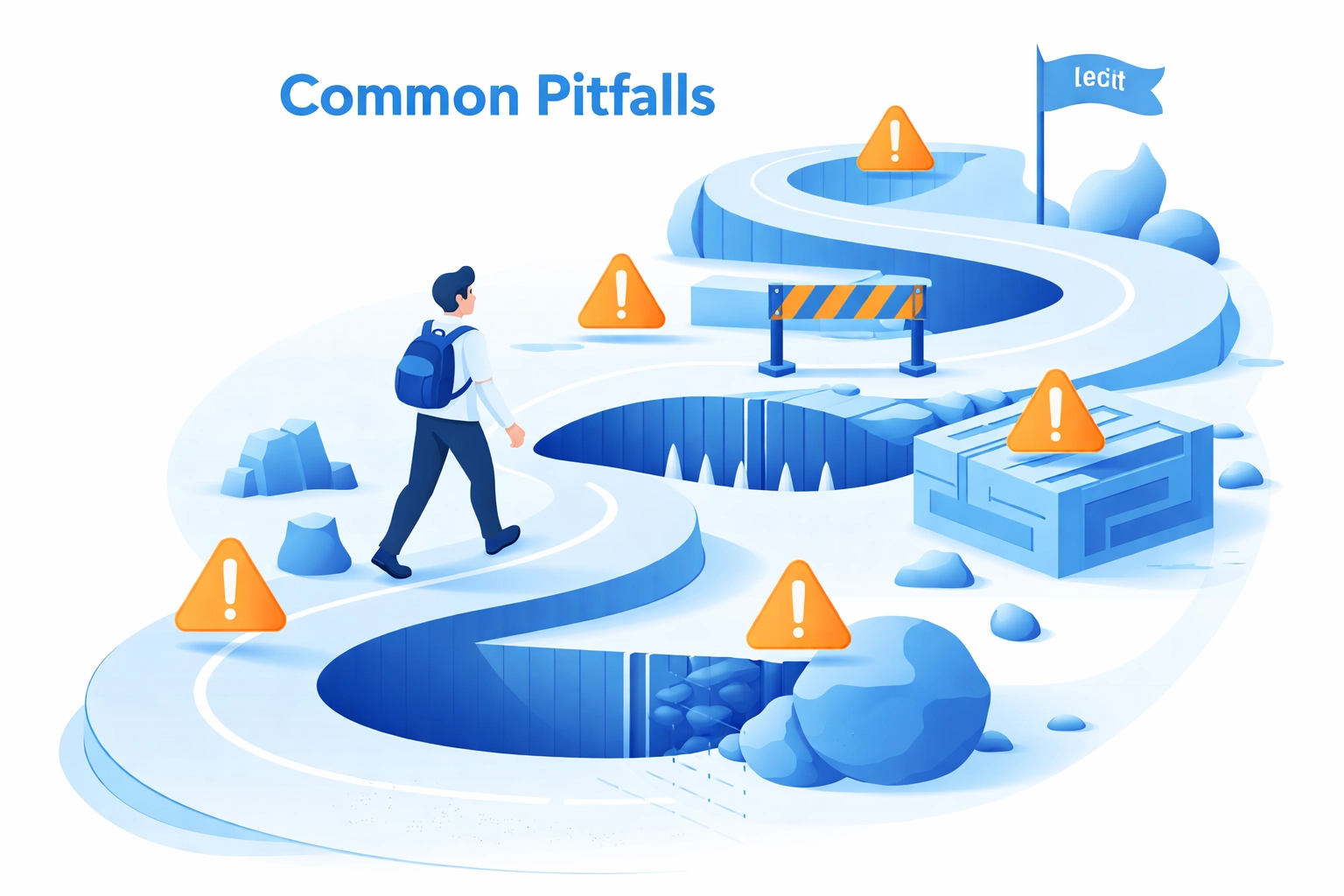
Treating SEO as a one-time project. Search algorithms change constantly. Your competitors are always working to outrank you. SEO requires ongoing attention
Getting Started With Your SEO Strategy
Not sure where to begin? Start with an audit of your current situation. Where does your traffic come from now? Which pages perform well? Where are the gaps?
From there, develop a content and marketing strategy that aligns with your business goals. Focus on topics your audience actually cares about. Build out your site's authority in those areas
If this sounds like a lot to handle on your own, you're not wrong. SEO touches everything from content creation to technical development to ongoing analytics. Many businesses find value in partnering with a team that handles digital marketing as part of a comprehensive approach
The Bottom Line
Organic traffic isn't going anywhere. Despite all the changes in digital marketing over the years, search remains how people find solutions to their problems. Being visible in those results: without paying for every click: delivers serious long-term value
The investment you make in SEO today pays dividends for years. The content you create, the authority you build, the technical improvements you make: they compound. Your website becomes a genuine business asset rather than just an online brochure
Ready to take your organic traffic seriously? Let's talk about what that looks like for your business