

SEO in 2026 looks nothing like it did just a few years ago. AI-driven search, shifting algorithms, and evolving user behavior have changed the game entirely. Yet many businesses are still making the same mistakes: and wondering why their rankings won't budge.
The good news? Most of these mistakes are fixable. And once you know what to look for, you can turn things around fast.
Let's break down the seven most common SEO mistakes businesses make right now and exactly how to fix them.
1. Ignoring User Search Intent
This is the big one. Ranking for a keyword means absolutely nothing if your content doesn't answer why someone searched for it in the first place.
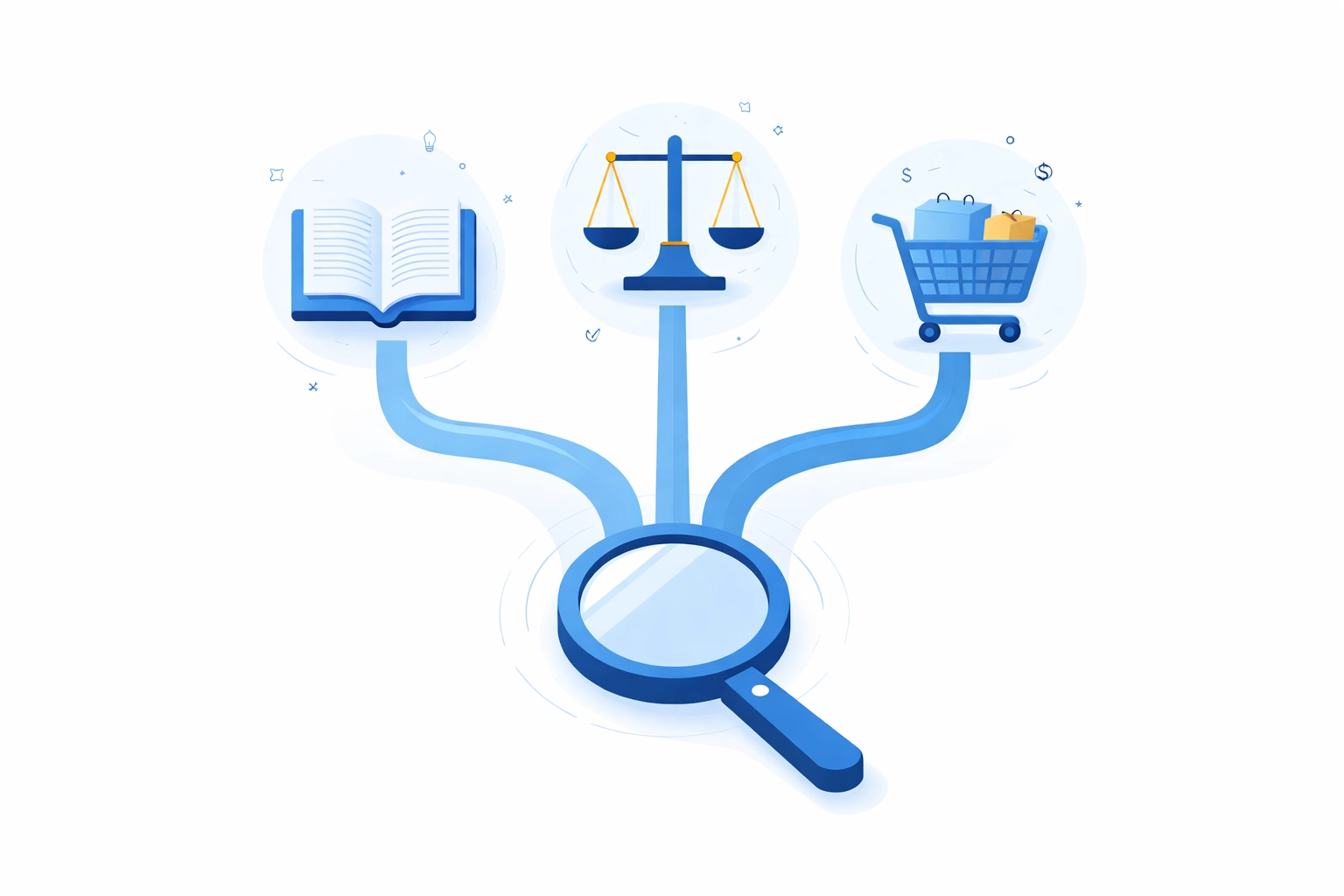
Too many businesses chase keywords without thinking about what users actually need. Someone searching "best project management software" wants a comparison. Someone searching "how to use Trello" wants a tutorial. Someone searching "buy standing desk" is ready to make a purchase.
If your content doesn't match that intent, users will bounce: and search engines will notice.
How to fix it: Before creating any content, search your target keyword and analyze what's already ranking. What type of content dominates the results? Match your page format to that intent. Informational queries need clear explanations. Comparison queries need evidence and differentiation. Transactional queries need confidence-building content and a clear next step.
2. Keyword Stuffing and Unnatural Language
Repeating your target keyword over and over again isn't optimization: it's a liability. In 2026, AI models and search engines are extremely good at detecting content written for algorithms instead of humans.
Stuffing keywords damages readability, kills user trust, and tanks your engagement signals. If your content sounds awkward when you read it out loud, it's probably hurting your SEO rather than helping it.
How to fix it: Write naturally. Use keywords where they fit organically and don't force them. Focus on clarity, structure, and completeness instead of keyword density. Your goal is to create content that genuinely helps users: not content that tricks a search engine.
3. Neglecting Technical SEO Foundations
You could have the best content on the internet, but it won't matter if your site is technically broken.
Common technical mistakes include:
- Slow page speed
- Poor mobile experience
- Missing or broken schema markup
- Unoptimized images
- Duplicate or conflicting pages
- Broken internal links
These issues prevent search engines from properly crawling, indexing, and ranking your pages.
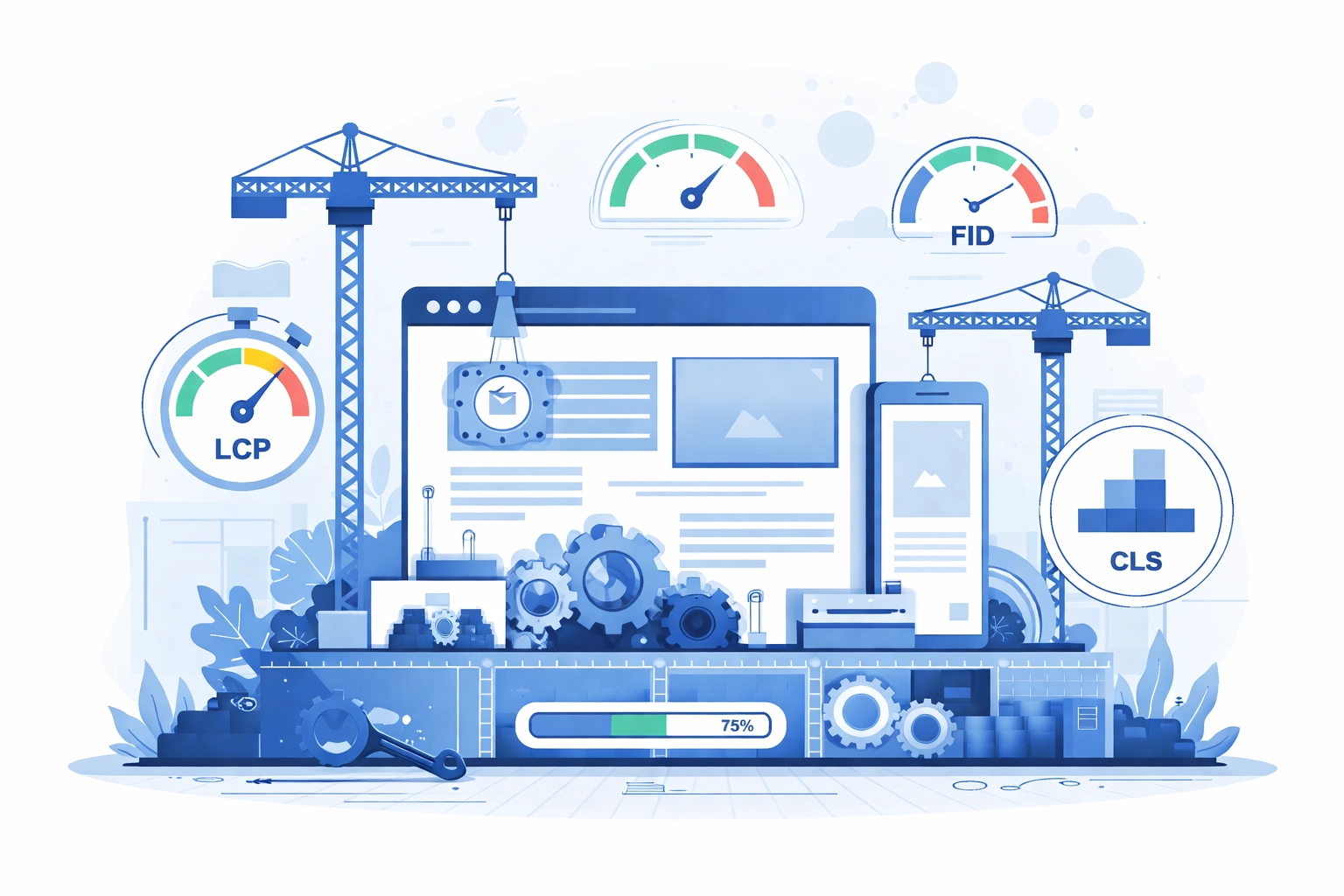
How to fix it: Treat technical SEO as a foundation, not an afterthought. Start by improving your Core Web Vitals (LCP, INP, CLS). Test your pages on real mobile devices. Optimize images and fonts for faster loading. Ensure your site has a clean structure with proper indexing.
If technical SEO isn't your strong suit, working with a professional web design team can save you a lot of headaches down the road.
4. Weak On-Page SEO Basics
The fundamentals still matter. A lot.
Many businesses overlook basic on-page elements that search engines rely on to understand what your page is about. Vague title tags, missing H1 headings, and messy URLs all hurt your chances of ranking.
How to fix it:
- Write clear, specific title tags that reflect user intent
- Use one strong H1 per page
- Keep URLs simple and descriptive
- Make sure your meta titles and descriptions are unique across every page
These aren't glamorous fixes, but they work. Sometimes the basics are basic for a reason.
5. Ignoring AI-Driven Search Behavior
This might be the biggest SEO mistake businesses are making right now.
Search in 2026 is increasingly powered by AI summaries, direct answers, and citations. If you're only optimizing for traditional "blue link" rankings, you're missing a huge piece of the puzzle.
AI-driven search features pull content that's well-structured, clearly written, and easy for machines to understand. If your content isn't built this way, it may never get shown: even if it technically ranks.
How to fix it: Optimize for answers, not just rankings. Use clear headings that signal what each section covers. Write concise explanations that get to the point quickly. Structure your content logically. Build internal links that establish topical authority across your site.
Think of it this way: if an AI needed to summarize your page in two sentences, could it? If not, you've got work to do.

6. Publishing Low-Quality or Duplicate Content
More content isn't always better content.
Duplicate content across pages: like multiple service pages with nearly identical text or reused product descriptions: confuses search engines about which version should rank. The result? All of those pages perform worse than they should.
Low-quality content that doesn't add real value hurts just as much. Thin pages with generic information won't earn links, won't keep users engaged, and won't rank.
How to fix it: Write unique content for each important page. Use canonical tags correctly when you do have similar pages. Merge or differentiate pages that are competing with each other.
Focus on content quality over quantity. One comprehensive, well-researched article will outperform five mediocre ones every time.
7. Neglecting Backlink Quality
Backlinks still matter in 2026: but quality beats quantity by a mile.
Building a ton of low-quality links from irrelevant or spammy sites won't help you rank. It might even hurt. Search engines have gotten very good at evaluating link quality, relevance, and context.
How to fix it: Focus on earning links from credible, topically relevant sites. Create content worth linking to: original research, comprehensive guides, useful tools. Build relationships with other businesses and look for collaboration opportunities.
Getting listed in reputable directories can also help, especially if they're relevant to your industry.

The Bottom Line
SEO mistakes are easy to make, especially when the rules keep changing. But the good news is that most of these issues have straightforward fixes. Match your content to user intent. Write naturally. Nail the technical basics. Stay ahead of AI-driven search. Prioritize quality over quantity.
If you're not sure where your site stands, a comprehensive digital marketing strategy can help you identify gaps and build a plan to fix them.
The businesses that win at SEO in 2026 aren't the ones gaming the system. They're the ones focused on genuinely helping their audience: and making it easy for search engines to understand what they offer.
Start fixing these mistakes today and watch your rankings improve.