

You don't need a Fortune 500 budget to protect your business from cyber threats. That's the good news. The bad news? Doing nothing isn't an option anymore.
Small businesses are prime targets for hackers. Why? Because attackers assume you have fewer defenses than larger companies. They're often right. But building solid cybersecurity doesn't mean emptying your bank account.
How Much Should You Actually Spend?
Here's a practical starting point: allocate 5-20% of your IT budget toward cybersecurity. If that range feels wide, it is. The right percentage depends on your industry, data sensitivity, and current security setup.
Starting at 5% makes sense for most small businesses. You can scale up as you build out your program. Jumping straight to 20% without a plan wastes money on tools you might not need yet.
For context, a growing business with 150 employees might spend $75,000-$120,000 annually on security. Healthcare companies with compliance requirements often hit $200,000-$300,000. But basic protection starts much smaller. A decent firewall runs $200-$500. Anti-virus software? A few bucks per month per device.
The key is starting somewhere and building strategically.
What to Prioritize First
Throwing money at every security tool won't protect you. Smart spending focuses on high-impact areas that close your biggest vulnerabilities.
Employee Training
Your team is your first line of defense and your biggest weakness. Most breaches start with someone clicking a bad link or falling for a phishing scam. Regular training on spotting threats beats the fanciest firewall.
Multi-Factor Authentication (MFA)
This one's non-negotiable. MFA adds a second verification step beyond passwords. It stops about 99% of automated attacks. Setting it up takes minutes and costs little to nothing.
Network Security Basics
A solid firewall creates a barrier between your internal network and outside threats. Budget $300-$1,000 annually for network security. It's foundational stuff that pays for itself by preventing one incident.

Anti-Virus and Anti-Malware
Every device needs protection. Modern solutions go beyond traditional anti-virus to detect malware, ransomware, and suspicious behavior. Cloud-based options offer enterprise-level protection without enterprise prices.
Vulnerability Assessments
Regular security audits identify weak spots before attackers find them. You can't fix what you don't know is broken. Schedule assessments quarterly or after major system changes.
Strategic Spending That Actually Works
Budget-conscious doesn't mean cheap. It means smart allocation of limited resources.
Go Cloud-Based When Possible
Cloud security tools deliver enterprise-grade protection at small business prices. You skip expensive on-premise hardware and get automatic updates. Plus, cloud solutions scale with your growth.
Consider Managed Security Services
No in-house IT team? Managed IT Support lets you outsource security to professionals. They handle monitoring, threat detection, and incident response while you focus on running your business.
MSSPs cost less than hiring full-time security staff. You get 24/7 coverage and expertise across multiple threat types. It's like having a security department on retainer.

Start Small, Scale Smart
Begin with the essentials: firewall, anti-virus, MFA, and employee training. Once those are solid, add layers. Maybe that's advanced threat detection. Or penetration testing. Or enhanced backup solutions.
Building cybersecurity gradually lets you learn what works for your specific setup. You avoid overspending on unnecessary features while closing critical gaps.
The Real Cost of Doing Nothing
Still thinking you can skip cybersecurity? Run the numbers on what an attack costs.
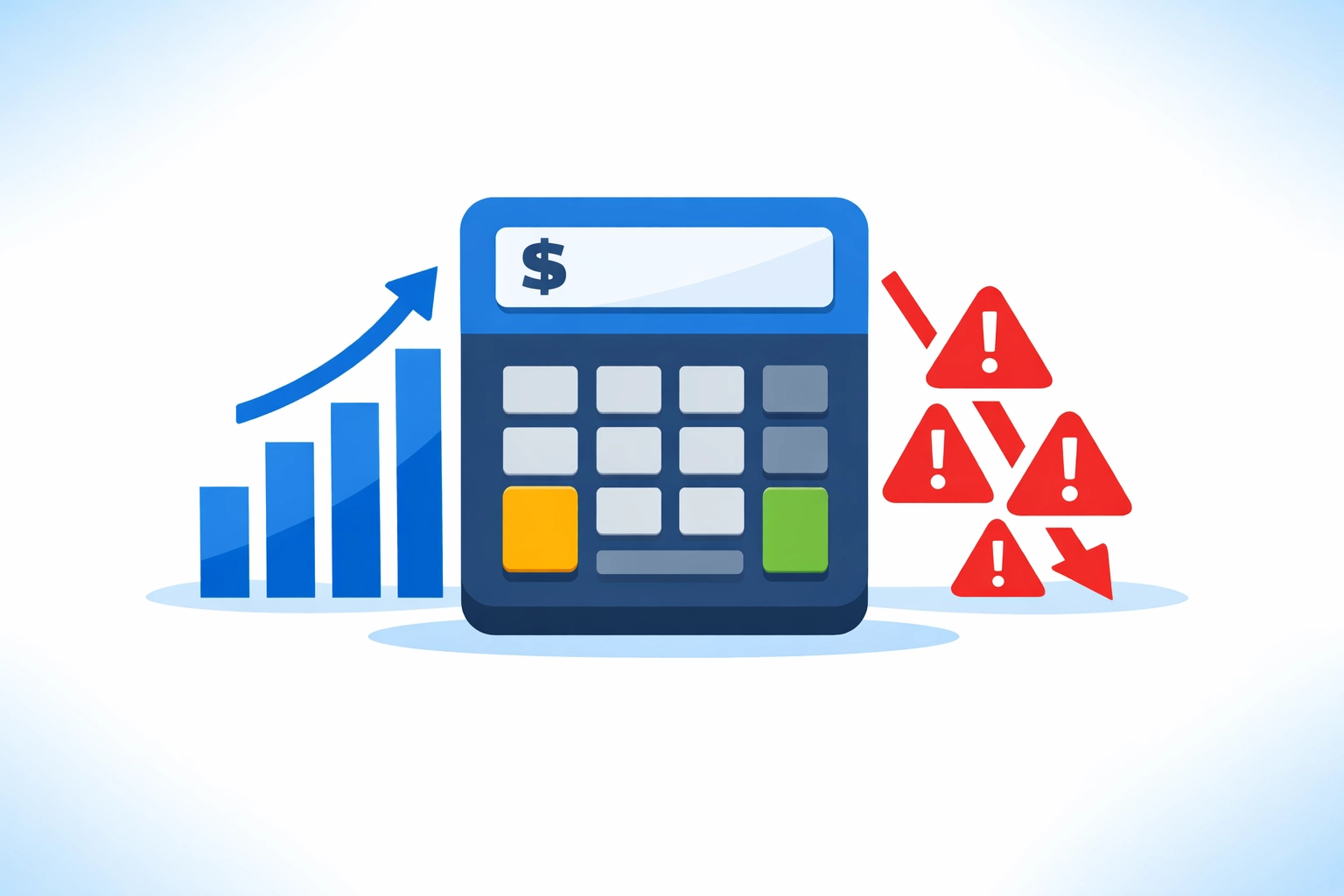
Small businesses spend an average of $955,000 recovering from a cyber attack. That includes downtime, data recovery, legal fees, and lost business. Data breaches alone cost between $120,000 and $1.24 million.
Worse? 28% of small businesses that get hit by cyber attacks go out of business. Not because of the immediate damage. Because customers lose trust. Operations stall. Recovery drains resources.
Compare that to spending 5-10% of your IT budget on prevention. The ROI is obvious.
Building Your Security Plan
Ready to take action? Here's your roadmap:
Assess Current State
Document what security measures you already have. Maybe it's just basic anti-virus. Maybe nothing. Knowing your starting point shows you where to invest first.
Identify Your Most Valuable Assets
What data would hurt most if stolen or lost? Customer information? Financial records? Intellectual property? Protect your crown jewels before worrying about everything else.
Implement Quick Wins
Enable MFA across all accounts today. Update software and patch systems. Create strong password policies. These steps cost almost nothing and close major vulnerabilities.
Schedule Regular Training
Monthly security awareness updates keep threats top of mind. Make it part of your company culture. Recognition for spotting phishing attempts helps more than punishment for mistakes.
Plan for Incidents
Hope for the best, prepare for the worst. Document what to do if systems go down or data gets compromised. Who do you call? How do you communicate with customers? Having a plan cuts response time dramatically.
Getting Professional Help
Complex security needs require expert guidance. Cybersecurity services from experienced providers deliver comprehensive protection without requiring you to become a security expert overnight.
Professional assessments uncover blind spots. Implementation services get tools configured correctly. Ongoing monitoring catches threats before they become breaches.
Think of it like hiring an accountant versus doing your own taxes. Sure, you could learn it all yourself. But specialized knowledge saves time, money, and headaches.
Bottom Line
Cybersecurity at any budget comes down to smart prioritization. You don't need every tool on the market. You need the right protections for your specific risks.
Start with 5% of your IT budget. Focus on employee training, MFA, network security, and anti-virus protection. Build from there as you grow and learn.
The alternative: hoping you won't get targeted: isn't a strategy. It's a gamble with your business on the line. Small, consistent investments in security beat expensive emergency responses every time.
Your business deserves protection. Your budget can handle it. Now you know where to start.