

Let's cut through the sales talk. You're running a small business and someone told you that you need managed IT support. Maybe it was after your website went down for three hours. Maybe it was when your employee clicked that sketchy email link. Or maybe you just keep seeing ads for it and wondering if it's actually worth the money.
Here's the straight answer: most small businesses benefit from managed IT support, but not for the reasons you think.
What Managed IT Support Actually Means
Managed IT support isn't about having some tech person on speed dial. It's about having a team that proactively handles your technology infrastructure before problems happen.
Think of it like this: you wouldn't wait until your car breaks down on the highway to get it serviced. Managed IT works the same way. Regular maintenance, monitoring, and updates happen in the background while you focus on running your business.
The service typically includes:
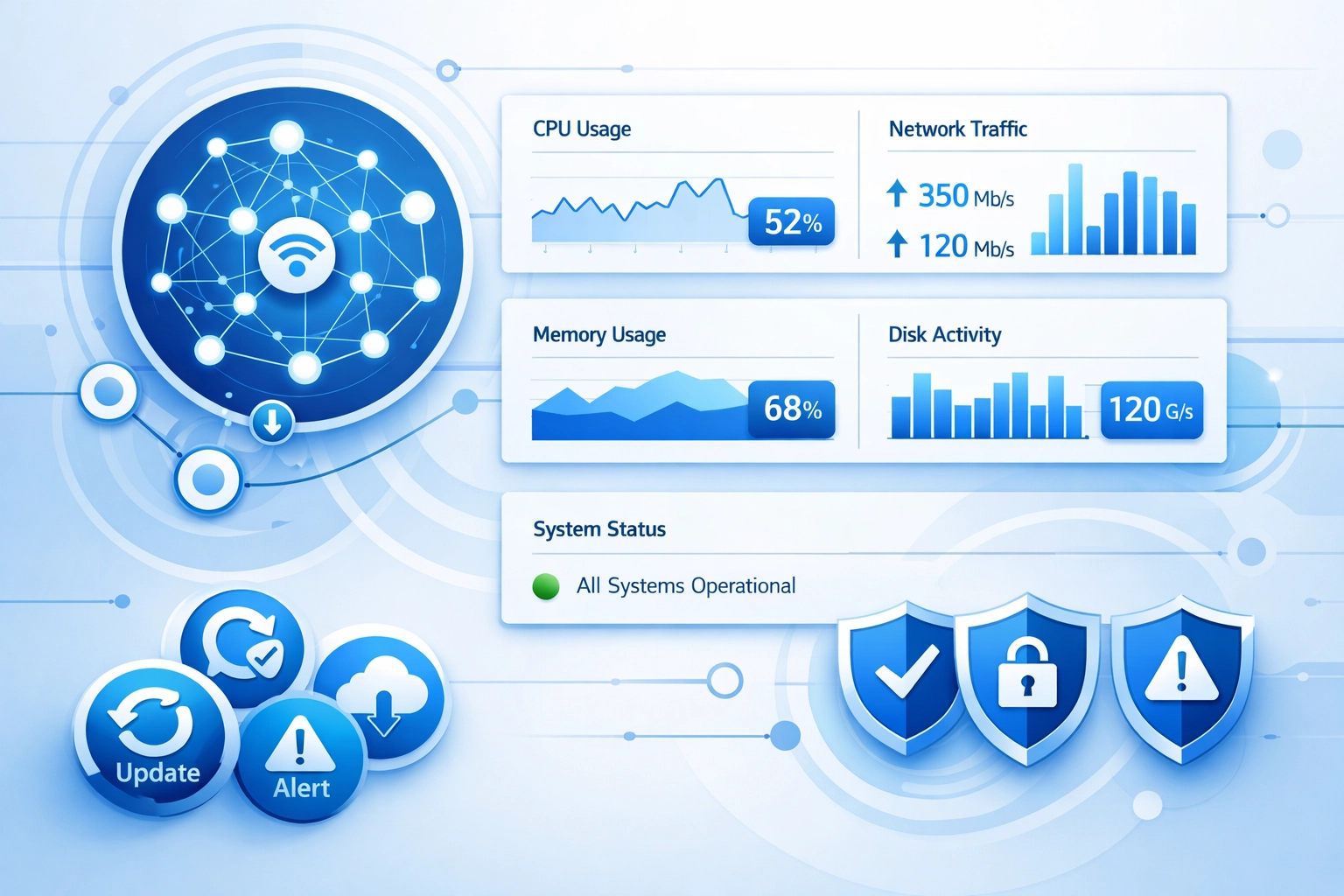
- 24/7 monitoring of your systems
- Regular software updates and patches
- Cybersecurity protection and threat response
- Data backup and disaster recovery
- Help desk support for your team
- Strategic IT planning as you grow
The Real Cost of Going Without It
Most small business owners try to handle IT themselves or hire someone part-time. That works until it doesn't.
Here's what typically happens: your website goes down during peak hours. You lose sales. Your team can't access critical files. You scramble to find someone to fix it. They charge emergency rates. You pay triple what regular maintenance would have cost.
Then there's the security angle. Cyberattacks aren't just targeting Fortune 500 companies anymore. Small businesses are actually preferred targets because they're easier to compromise. One data breach can cost you tens of thousands in recovery costs, legal fees, and lost customer trust.
A single ransomware attack can shut down your operations for days or weeks. The average cost of a data breach for small businesses is around $200,000. Most small businesses can't absorb that hit.
Why Small Businesses Are Actually Prime Candidates
You might think managed IT support is only for big companies with massive tech needs. Wrong.
Small businesses face the same cybersecurity threats, compliance requirements, and software demands as large enterprises. The difference is you don't have a dedicated IT department with specialized skills.
Your web designer might know how to build a great website, but do they know how to configure enterprise-level firewalls? Your office manager might be tech-savvy, but can they handle a sophisticated phishing attack?
This is where managed IT support fills the gap. You get access to enterprise-grade expertise without hiring a full IT team.
The Budget Reality Check
Let's talk money because that's probably your main concern.
Hiring one full-time IT person costs you $50,000-$80,000 per year plus benefits. That person has limited expertise in specific areas and can only work 40 hours per week.
Managed IT services typically run $100-$250 per user per month depending on your needs. For a small team of 10 people, that's roughly $12,000-$30,000 annually. You get a whole team of specialists with different expertise areas, 24/7 coverage, and predictable monthly costs.
No surprise emergency bills. No scrambling to find contractors at 3 AM when your server crashes. No paying overtime rates for weekend fixes.
The subscription model also means you're not making huge upfront investments in infrastructure or constantly budgeting for unexpected IT expenses.
When You Definitely Need It
Some situations make managed IT support essential rather than optional:
You're handling sensitive customer data. If you process payments, store personal information, or deal with any regulated data, you need proper security protocols and compliance support. One data breach will cost you far more than years of managed IT services.
Your team works remotely or hybrid. Securing distributed teams is complex. You need VPNs, endpoint protection, cloud security, and monitoring across multiple locations and devices.
You're planning to grow. Technology that works for five people falls apart with 20. Managed IT providers help you scale your infrastructure efficiently without costly overhauls every time you add staff.
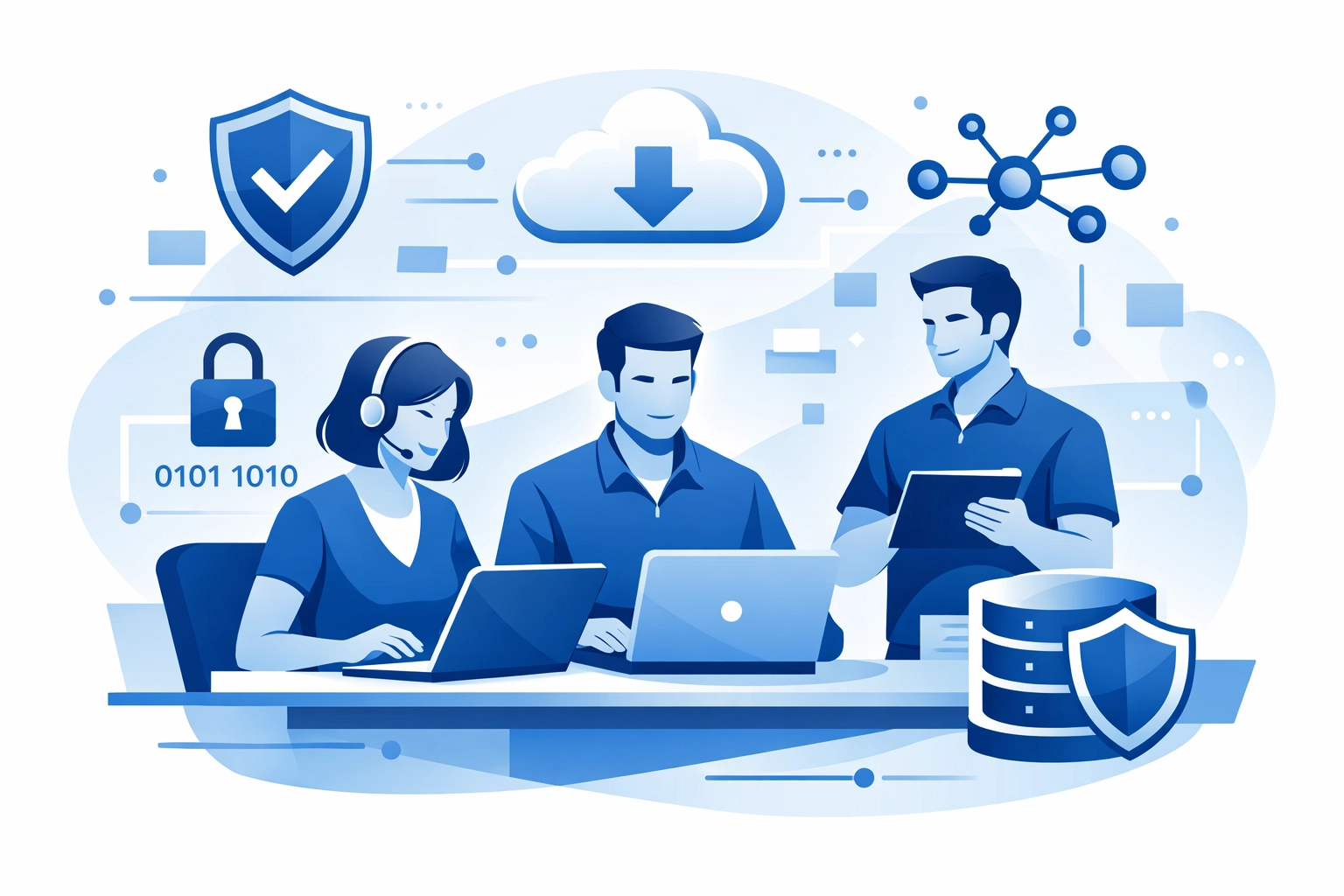
You can't afford downtime. If your website, email, or critical systems going down for even a few hours significantly impacts revenue, you need proactive monitoring and rapid response capabilities.
You have compliance requirements. Industries like healthcare, finance, and legal services have strict data handling regulations. Non-compliance penalties are severe. Managed IT providers help you maintain compliance standards.
What About DIY Solutions?
Some business owners try to cobble together DIY solutions using various software tools and occasional contractor help. This can work temporarily for very small operations, but it creates problems:
You're the single point of failure. When you're on vacation or sick, nobody knows how your systems work.
You lack comprehensive security. Consumer-grade antivirus isn't enough anymore. You need layered security with threat detection, response protocols, and continuous monitoring.
You can't keep up with updates. Software vendors release security patches constantly. Missing critical updates leaves vulnerabilities that attackers exploit.
You have no disaster recovery plan. When something goes wrong, how quickly can you restore operations? Do you have verified backups? Have you tested your recovery process?
How Managed IT Supports Your Digital Marketing
Since you're already thinking about your online presence and web design, managed IT support extends that foundation. Your website needs to stay fast, secure, and available. Your marketing tools need to integrate properly. Your customer data needs protection.
Strong IT infrastructure makes your digital marketing more effective. Fast website loading speeds improve SEO rankings. Proper security builds customer trust. Reliable systems mean your marketing campaigns run without technical hiccups.
Making the Decision
Here's how to figure out if managed IT support makes sense for your business right now:
Audit your current situation. Document every tech problem you've had in the last year. Add up what you spent on emergency fixes, contractor help, and downtime costs. Compare that to managed service pricing.
Assess your risks. What would happen if your systems went down for a day? A week? What if you lost customer data? Calculate the potential costs of various disaster scenarios.
Evaluate your team's capacity. Is someone on your staff spending significant time on IT tasks instead of their actual job? Are technology problems frequently interrupting work?
Consider your growth plans. If you're planning to expand in the next 1-2 years, factor in the IT infrastructure you'll need to support that growth.
Look at compliance needs. Research what regulations apply to your industry and what security measures you're required to maintain.
If any of these areas show significant gaps or risks, managed IT support is probably worth the investment.
The Bottom Line
Most small businesses reach a point where managed IT support shifts from "nice to have" to "necessary for survival." The question isn't really whether you need it, but when you need it.
If you're spending more time dealing with tech problems than growing your business, if you're worried about security, or if you're planning to scale, managed IT support pays for itself through reduced downtime, avoided disasters, and the ability to focus on what you actually do best.
The goal isn't to spend money on technology for its own sake. It's to build reliable infrastructure that supports your business goals without becoming a constant source of stress and unexpected expenses.
Want to talk through your specific situation? Get in touch and we can walk through what makes sense for your business.