

You've been doing everything right with your search engine optimization strategy. Regular blog posts, keyword research, meta descriptions, backlinks, the whole playbook. But your organic traffic keeps dropping anyway.
Here's the uncomfortable truth: the SEO game changed completely in the past year, and most businesses are still playing by 2023 rules. Google's AI-powered search results are answering questions directly without sending people to your site. Traditional keyword stuffing doesn't work anymore. And those AI content farms everyone jumped on? Google's already figured them out.
Let's break down what's actually broken and what you need to do instead.
The Problem: Zero-Click Search Is Killing Your Traffic
The biggest shift in search engine optimization isn't a new algorithm update. It's that people don't need to click on your site anymore to get their answers.
Google's AI-generated summaries now sit at the top of search results and answer user queries directly. Someone searches "how to improve website speed" and gets a complete answer without ever visiting a website. Zero clicks for you, zero traffic, zero conversions.
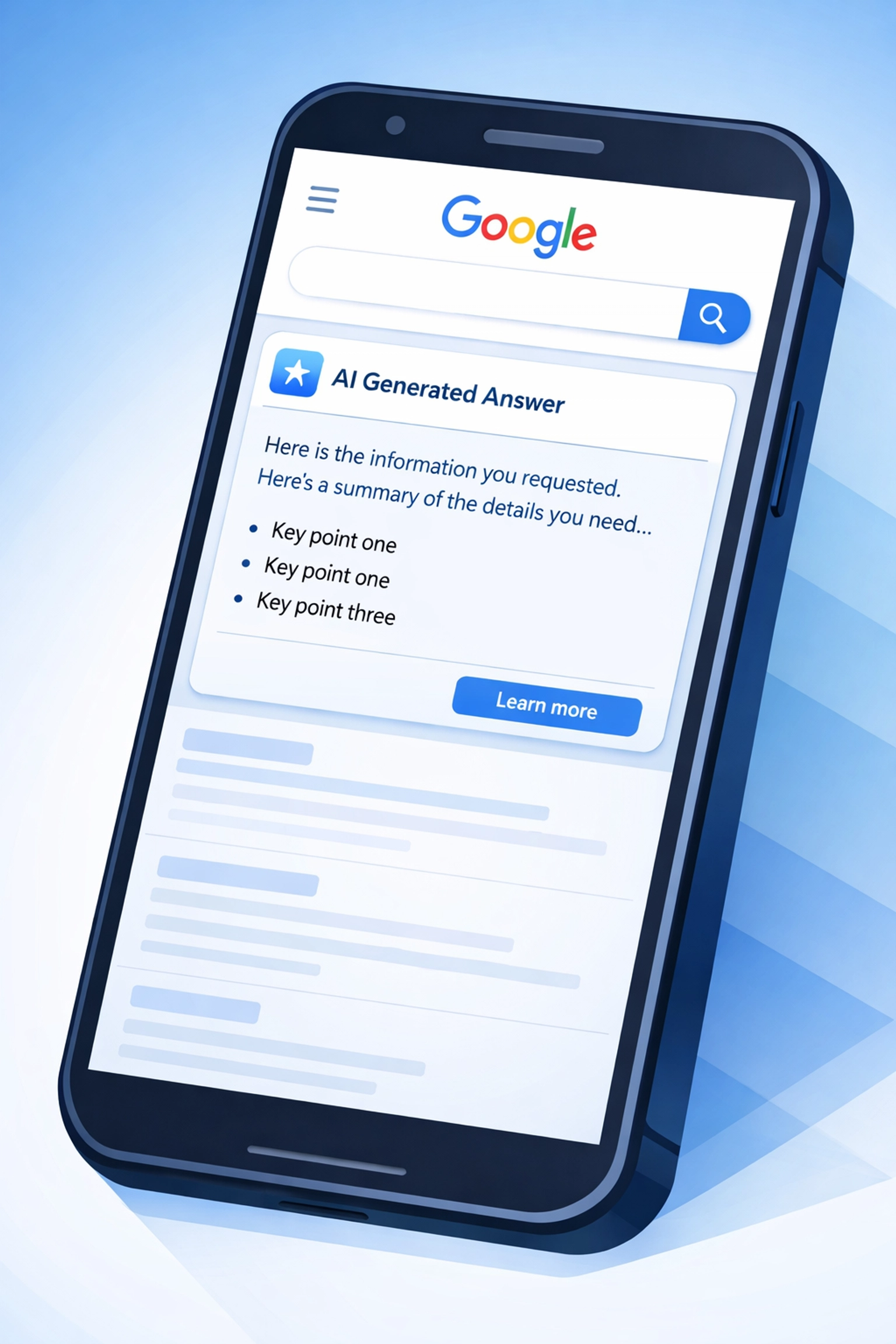
This is what's called zero-click search, and it's dominating search results right now. The users who do click through to websites are deeper in their decision process, they're ready to buy or hire someone. That sounds good until you realize your total traffic volume has dropped 40-60% compared to two years ago.
Why Your Current Strategy Stopped Working
Remember when you could rank for a keyword by just using it enough times in your content? That's dead. Search engines moved to entity understanding instead of keyword matching.
Entity understanding means Google doesn't just look for the word "plumber" anymore. It understands the relationships between plumbing services, emergency repairs, licensed contractors, customer reviews, service areas, and pricing. If your website information is inconsistent or unclear about who you are and what you do, AI systems can't accurately categorize you.
Those businesses that went all-in on AI content generation in 2024-2025? They're seeing terrible ROI now. Google figured out the pattern. Thousands of generic AI-written blog posts don't beat one well-researched human article that actually helps someone solve a problem.
The old playbook doesn't work because the game fundamentally changed. Search engines now prioritize understanding and trust over keyword density.
What Actually Works in 2026
Here's what you should focus on instead of chasing the old tactics.
1. Build Real Expertise, Experience, Authority, and Trust (EEAT)
EEAT is the single most important ranking factor right now. Not backlinks. Not keywords. Demonstrable expertise and trustworthiness.
This means:
- Author bios that show actual credentials
- Case studies with real results
- Consistent NAP (name, address, phone) information everywhere
- Reviews and testimonials from actual clients
- Citations from credible industry sources
- Clear "About" pages that explain who's behind your business
Google wants to see that you're a legitimate business with real expertise. If you run a web design company, show your portfolio. Display your team's credentials. Share specific results you've achieved for clients.
Stop hiding behind generic corporate speak. Put real humans with real expertise front and center on your website.
2. Focus on Entity Clarity Over Keywords
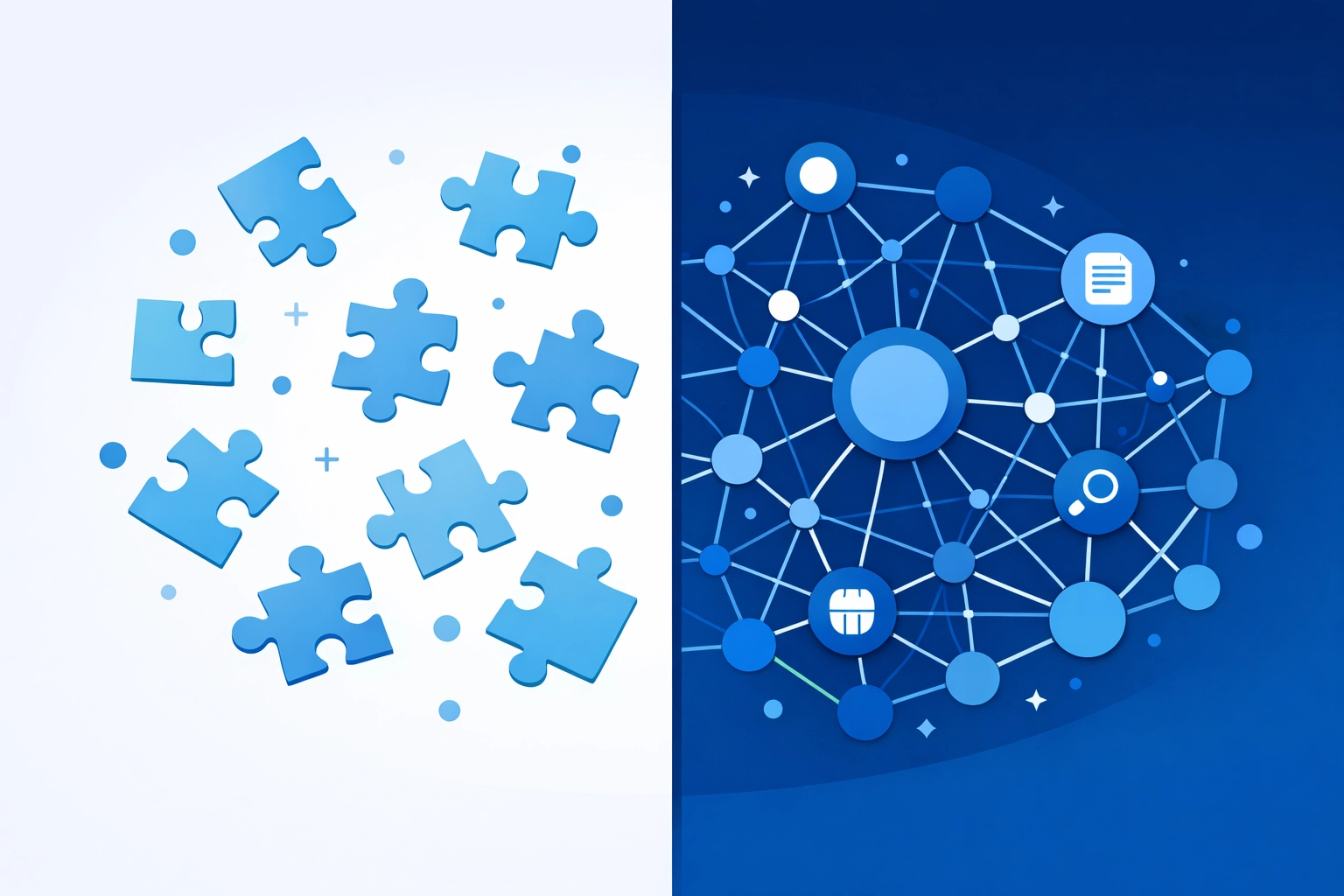
Stop thinking in keywords. Start thinking in entities and relationships.
Your search engine optimization strategy should ensure AI systems understand exactly:
- What services you offer
- Who you serve
- What problems you solve
- Why you're qualified to solve them
- How you're different from competitors
Implement schema markup on your site so search engines can easily parse this information. Create topic clusters that connect related concepts naturally. If you offer managed IT support, your content should clearly connect IT services, business continuity, cybersecurity, and technical support in ways that make semantic sense.
AI systems are smart enough to understand context and meaning now. Make sure your website presents clear, consistent information that AI can accurately interpret and categorize.
3. Create Less Content, But Make It Actually Good
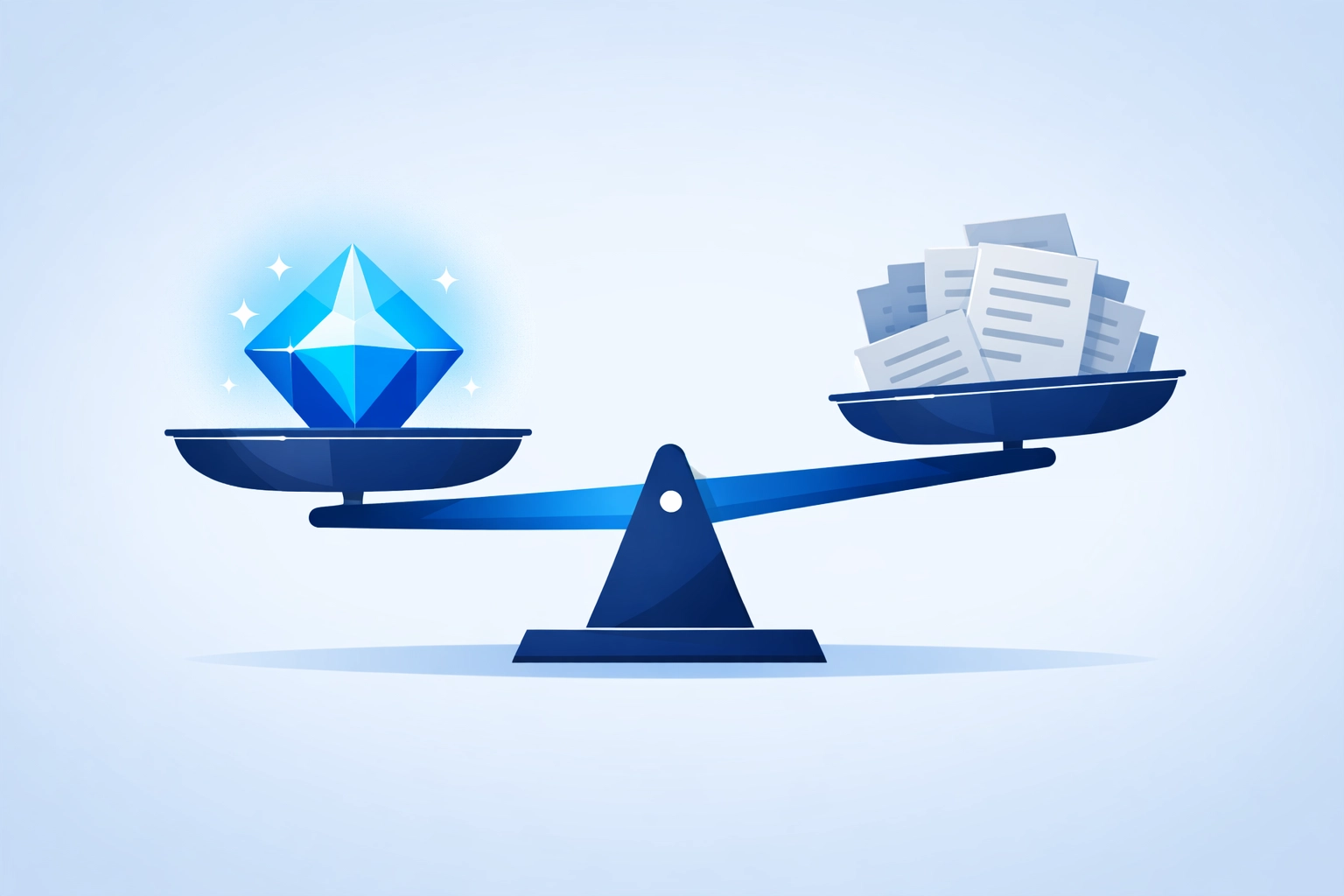
The content volume strategy is over. Quality beats quantity by a mile now.
Instead of publishing five mediocre AI-generated articles per week, publish one thoroughly researched human-written piece every two weeks. Make it genuinely useful. Answer questions completely. Include original insights based on your actual experience.
Content freshness still matters though. You can't just publish something once and forget it. Set up a system to review and update your existing content every 3-6 months. Update statistics, add new information, refresh examples, improve clarity.
The users clicking through to your site in 2026 are high-intent visitors. They've already read the AI summary. They want deeper information, specific recommendations, or they're ready to hire someone. Give them content worth their time.
This applies to search engine optimization services too, show the actual process, share real examples, explain why certain tactics work now when they didn't before.
4. Grow Your Branded Search Instead of Chasing High-Volume Keywords
Here's a shift that feels counterintuitive but works: focus on getting more people to search for your brand name instead of fighting for generic high-volume keywords.
Branded search carries massive intent signals. Someone searching "WorldWise web design" knows who we are and is specifically looking for us. That person converts at 5-10x the rate of someone searching "web design services."
Branded searches also tell AI systems that your business has recognition and trust. Google sees people specifically seeking you out and interprets that as authority.
Build your brand through:
- Consistent messaging across all channels
- Valuable content that makes people remember you
- Social proof and testimonials that mention your brand name
- PR and guest posts that get your name out there
- Memorable positioning that differentiates you
Yes, this is harder than just optimizing for keywords. But it's more valuable and more sustainable as AI continues eating away at generic search traffic.
5. Optimize Everywhere, Not Just Google
Search engine optimization in 2026 means optimizing for every platform where people search: not just Google.
People search on:
- YouTube for how-to content
- Reddit for honest recommendations
- LinkedIn for B2B services
- TikTok for quick answers
- ChatGPT for research assistance
- Industry-specific forums and communities
Your brand needs a presence across these channels with consistent, helpful information. When someone asks ChatGPT about web design best practices, your content should be part of what it references.

Also, monitor mobile and desktop results separately. AI features roll out on mobile first, so your mobile search presence might look completely different from desktop: and most businesses only check desktop rankings.
Integrate your search strategy with PR, product development, social media, and technical optimization. It's not just an SEO department problem anymore. It's a full business strategy.
The Bottom Line
Your search engine optimization isn't working because you're optimizing for a search landscape that doesn't exist anymore. AI-powered search changed everything about how people find and evaluate businesses online.
The good news? Businesses that adapt early get a massive competitive advantage. While your competitors keep churning out keyword-stuffed AI content and wondering why their traffic keeps dropping, you can build real authority and capture the high-intent traffic that actually converts.
Focus on expertise, entity clarity, quality content, branded search, and omnichannel presence. These aren't quick fixes. They're fundamental shifts in how you approach search visibility. But they're what actually works now.
Need help restructuring your search strategy for 2026? Get in touch and let's talk about what's possible for your business.