

Search engine optimization isn't what it used to be. If you're still stuffing keywords and hoping for the best, you're already behind. The SEO landscape in 2026 looks completely different, and that's actually good news if you know what you're doing.
This guide breaks down everything you need to know about modern SEO, from the fundamentals that still matter to the new strategies that'll set you apart from competitors who haven't caught on yet.
The New SEO Reality: AI Changes Everything
Here's the thing, search engines aren't just matching keywords anymore. They're using AI to understand context, intent, and quality in ways that would've seemed impossible a few years ago. Google's algorithms can now detect whether your content genuinely helps people or if you're just gaming the system.
This shift means two things. First, shortcuts don't work like they used to. Second, if you focus on creating genuinely helpful content, you'll win big because most of your competition is still trying to trick the algorithm.
The rise of AI-powered search tools means people are asking questions differently too. Instead of typing "pizza recipe," they're asking "how do I make pizza dough from scratch without a mixer." Your content needs to answer these natural, conversational queries.

E-E-A-T: The Foundation of Modern SEO
E-E-A-T stands for Experience, Expertise, Authoritativeness, and Trustworthiness. It's not a direct ranking factor, but it's how Google evaluates content quality, and in 2026, it matters more than ever.
Here's how to demonstrate E-E-A-T:
Show real experience. Don't just regurgitate information from other websites. Share actual case studies, examples from your work, and insights you've gained firsthand. If you're writing about web design, show real projects you've completed.
Prove your expertise. Include author credentials. Link to relevant qualifications. If someone from your team wrote the content, say who and why they're qualified to write it.
Build authority. Get backlinks from reputable sources. Be cited by other websites. Create content so good that people naturally reference it.
Establish trust. Keep your site secure with HTTPS. Make sure your contact information is easy to find. Be transparent about who you are and what you do.
At WorldWise, we build SEO strategies around these principles because they're what actually moves the needle in modern search rankings.
On-Page SEO: Getting the Basics Right
You can't skip the fundamentals. Here's what needs to be dialed in on every page:
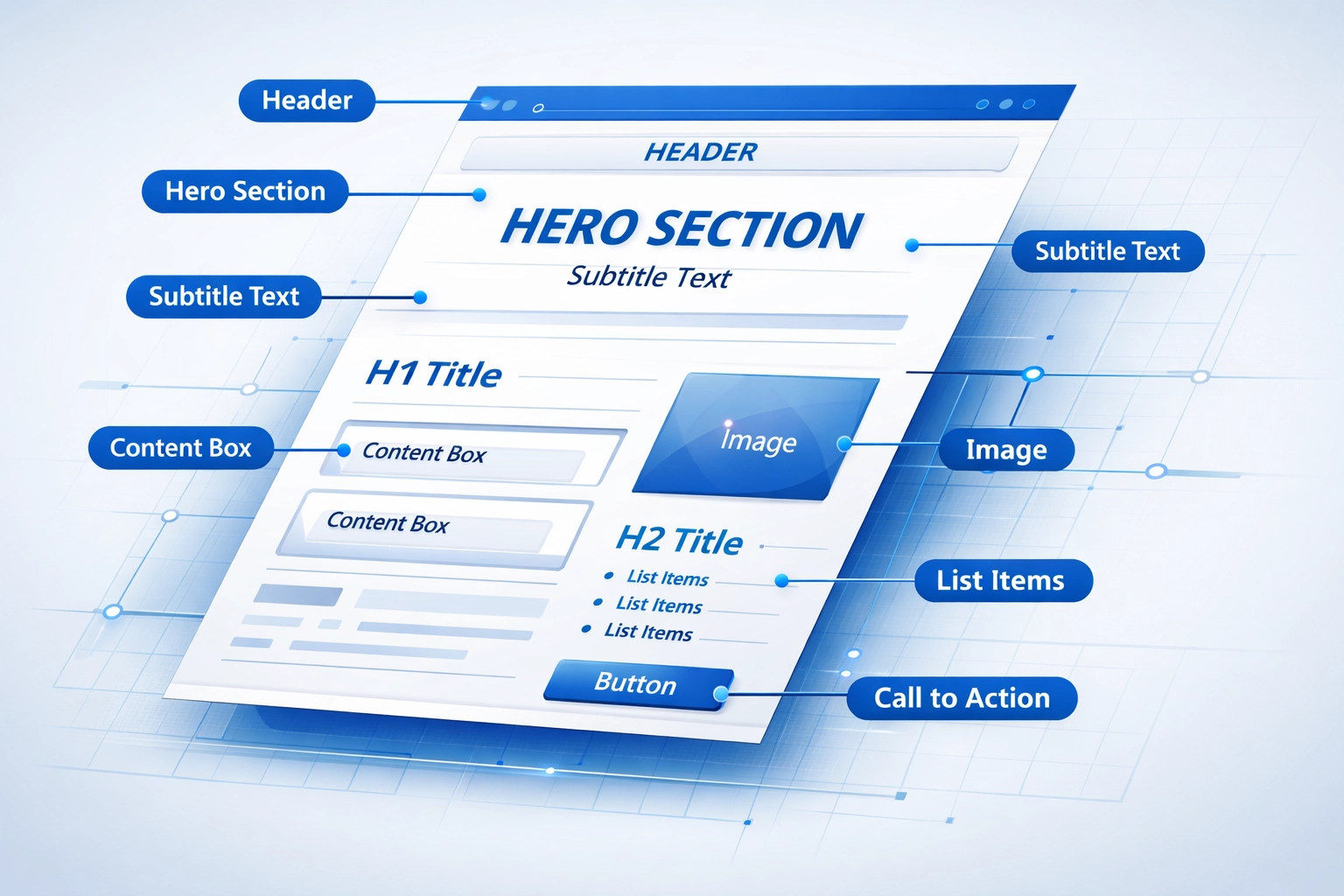
Meta titles should be 55-60 characters, include your target keyword, and make people want to click. Think of them as mini-advertisements for your content.
H1 tags are critical, use your main keyword here and only use one H1 per page. This is one of the strongest on-page ranking signals.
Header structure matters for readability. Use H2s to organize main sections and H3s for subsections. This helps both readers and search engines understand your content hierarchy.
URLs should be clean and descriptive. Use hyphens to separate words and organize pages into logical subfolders. "yoursite.com/services/web-design" is way better than "yoursite.com/page?id=1847."
Content quality means satisfying search intent. If someone searches "how to choose a web designer," don't just list your services, actually explain how to evaluate and choose one. You can mention your services, but answer the question first.

Keyword Strategy That Actually Works
Forget broad, competitive keywords like "web design" or "marketing." You're not going to outrank Wikipedia for those terms, and even if you could, they don't convert well anyway.
Focus on long-tail keywords, phrases with three or more words that show specific intent. "Best web design services for small business" or "how to improve website loading speed" are gold. They have less competition and attract people who know what they want.
Use tools to find the questions your audience is actually asking. AnswerThePublic and Google's "People Also Ask" section are great for this. Then create content that answers those specific questions better than anyone else.
Think about the journey people take. Someone searching "what is SEO" is at a different stage than someone searching "SEO audit checklist for 2026." Create content for both.
Technical SEO: The Invisible Foundation
Your content can be amazing, but if your technical SEO is broken, you're fighting with one hand tied behind your back.
Core Web Vitals measure page experience, loading speed, interactivity, and visual stability. Google prioritizes sites that load fast and work smoothly. Use Google's PageSpeed Insights to see where you stand and what needs fixing.
Mobile responsiveness isn't optional. More than half of all web traffic comes from mobile devices. If your site looks broken on a phone, you're losing rankings and visitors.
Schema markup helps search engines understand your content. It's the code that creates those rich results you see in search, star ratings, FAQ sections, recipe cards. Implement schema for your content type and you'll stand out in search results.
Site structure should be logical. Important pages shouldn't be more than three clicks from your homepage. Create an XML sitemap and submit it to Google Search Console.
Local SEO for Service Businesses
If you serve specific geographic areas, local SEO is huge. Even without mentioning locations in every piece of content, you can dominate local search.
Claim and optimize your Google Business Profile. Fill out every section, description, services, hours, photos. Post updates regularly. Respond to reviews, both positive and negative.
Keep your NAP (Name, Address, Phone Number) consistent across every directory, social profile, and citation. Inconsistencies confuse search engines and hurt your rankings.
Create location-specific landing pages if you serve multiple areas. Each page should have unique content about how you serve that community, don't just copy and paste the same text with different city names.
Content Strategy: Be the Best Answer
Your content strategy should center on one goal, being the best answer to what people are searching for. Not the longest answer or the keyword-stuffed answer. The best answer.
Research what your audience wants to know. Look at competitor content and figure out how to make yours better. Add more detail, better examples, clearer explanations, or unique insights they don't have.
Structure content for featured snippets. These are the boxes that appear at the top of search results. Use clear definitions, bulleted lists, numbered steps, and tables. Answer questions directly and concisely.
If you're using AI to help create content, and honestly, who isn't at this point, make sure you're heavily editing and adding your own expertise. AI can draft, but humans need to refine, fact-check, and add the unique insights that make content valuable.

Voice Search and Conversational Queries
People talk to search engines differently than they type. Voice searches are longer and more conversational. "What's the weather" becomes "Hey Google, what's the weather going to be like tomorrow afternoon."
Optimize for these natural language queries by including FAQ sections on your pages. Structure content to directly answer "how," "what," "why," and "when" questions. Use the same language your customers use: not industry jargon.
Measuring What Matters
Track the metrics that actually indicate success. Organic traffic is important, but dig deeper. Which pages drive the most engaged visitors? What's your conversion rate from organic traffic? How do people interact with your site once they arrive?
Use Google Analytics 4 to understand user journeys. Set up conversion tracking for important actions: form submissions, phone calls, quote requests. SEO isn't just about traffic: it's about traffic that accomplishes business goals.
Monitor your rankings for target keywords, but don't obsess over daily fluctuations. Look at trends over weeks and months. If you're moving up for the terms that matter to your business, you're on the right track.
The Bottom Line
Search engine optimization in 2026 rewards websites that prioritize user experience and provide genuine value. The technical stuff matters, keywords matter, and links matter: but they only work when built on a foundation of helpful, authoritative content.
Stop trying to trick the algorithm and start trying to be the resource your audience wishes existed. That's not just good SEO: it's good business.
If you need help building an SEO strategy that actually works, we're here to help. No smoke and mirrors: just results-driven optimization that puts your business in front of the people searching for what you offer.