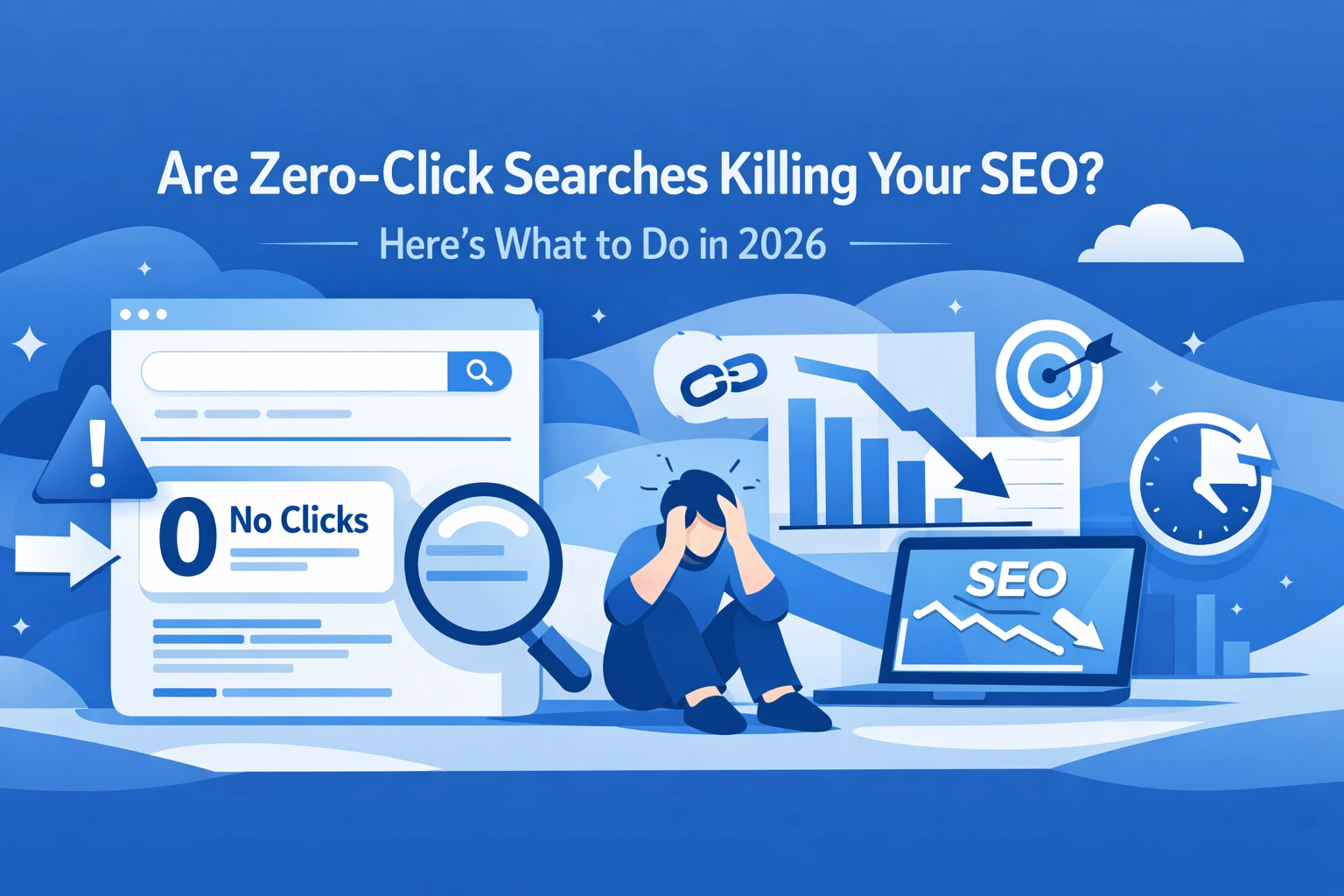

You've probably noticed something strange happening with your search traffic lately. Your rankings look solid. Your content is performing well. But clicks? They're down.
Welcome to the era of zero-click searches.
Nearly 60% of all Google searches now end without anyone clicking to a website. They get their answer right there on the results page and move on. For businesses that have spent years optimizing for clicks and traffic, this feels like the rug getting pulled out from under them.
But here's the thing: zero-click searches aren't killing SEO. They're just changing the game.
The Numbers Don't Lie
Let's look at what's actually happening. According to recent data, 58.5% of US searches and 59.7% of EU searches end entirely on Google's search results page. No clicks. No visits. Just answers.
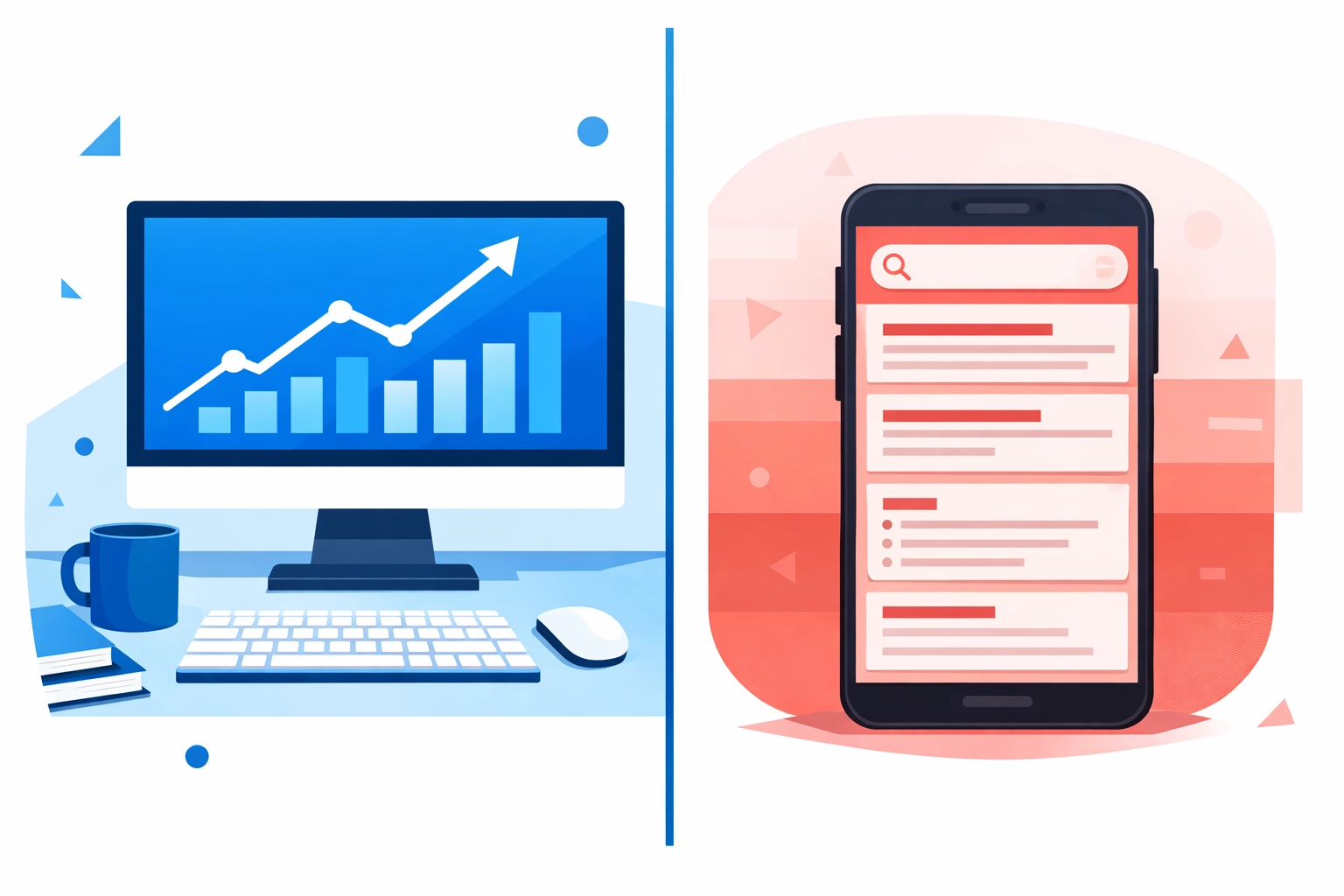
Mobile is even more dramatic. A staggering 77% of mobile queries end without visiting another website. Desktop is better at 46.5%, but that's still almost half.
When AI Overviews appear in search results, things get worse. Organic click-through rates have dropped 61% since mid-2024: from 1.76% down to just 0.61%. Individual websites see their CTR drop by an average of 34.5% when AI Overviews show up for their keywords. Some cases hit 79%.
If you're wondering why your traffic is down despite good rankings, this is probably why.
Which Searches Are Getting Hit Hardest
Not all queries are affected equally. Informational searches: the "how to" and "what is" questions: are taking the biggest hit. These queries jumped from 65% zero-click to 89%. That's almost every single informational search ending on Google.
Commercial investigation queries like "best," "review," or "versus" comparisons doubled from 20% to 45% zero-click. Local queries went from 40% to 70%.
This matters because it's not just simple questions anymore. High-intent searches where people are actively researching purchases or comparing options are now keeping users on Google's page instead of sending them to your site.
Stop Measuring the Wrong Things
Here's where most businesses mess up: they keep tracking the same old metrics while the game has completely changed.
Pageviews and clicks only tell you about the 40% of searches that result in a website visit. What about the other 60%? Are you just ignoring them?
You need new success metrics:
- Impressions and visibility share in search results
- Featured snippet appearances
- Branded search growth
- Local interactions like map views and phone calls
- Assisted conversions that start in search but convert later
If 60% of people never click through to any website, measuring only clicks means you're missing the majority of your search influence.
Optimize for Answer Inclusion
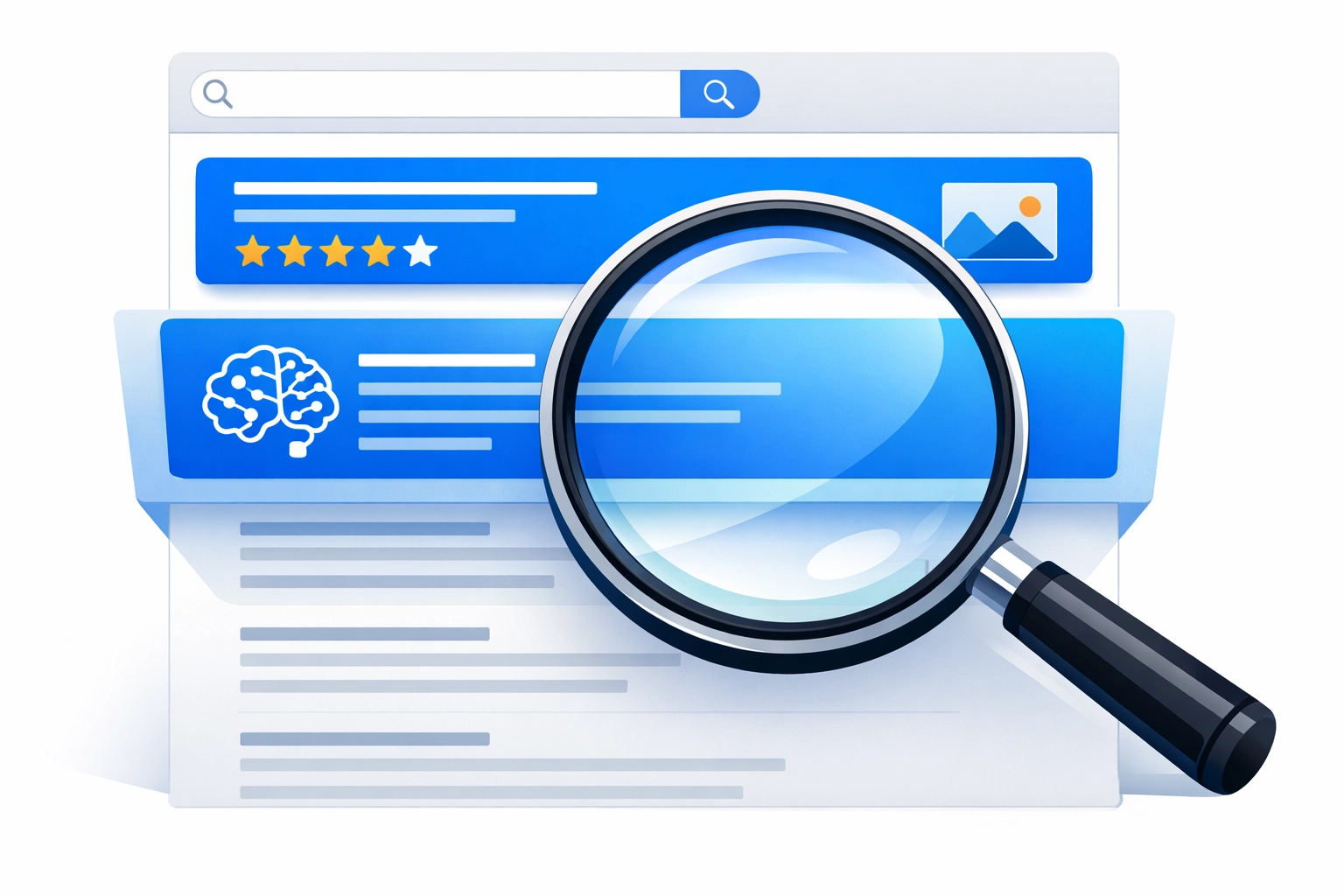
Position zero: the featured snippet spot above all other results: is now more valuable than a traditional #1 ranking. Why? Because it gets displayed in AI Overviews and voice search results.
Structure your content to answer specific questions directly. Use clear formatting with headers, bullet points, and concise definitions. Include data and specific insights that AI can extract and feature.
Generic fluff doesn't work anymore. You need specificity and original insights. If your content reads like every other page on the topic, Google has no reason to feature it.
Write clear, definitive answers to common questions in your industry. Then format them so they're easy for search engines to extract and display. Think of it as making your content "snippet-friendly."
Own Your Local Presence
For local searches, your business might appear directly in map packs or knowledge panels without anyone clicking to your website. This is especially true for "near me" searches or queries with location intent.
Your Google Business Profile becomes critical. Keep it updated with accurate information, photos, and regular posts. Respond to reviews quickly. Make sure your NAP (name, address, phone) is consistent across the web.
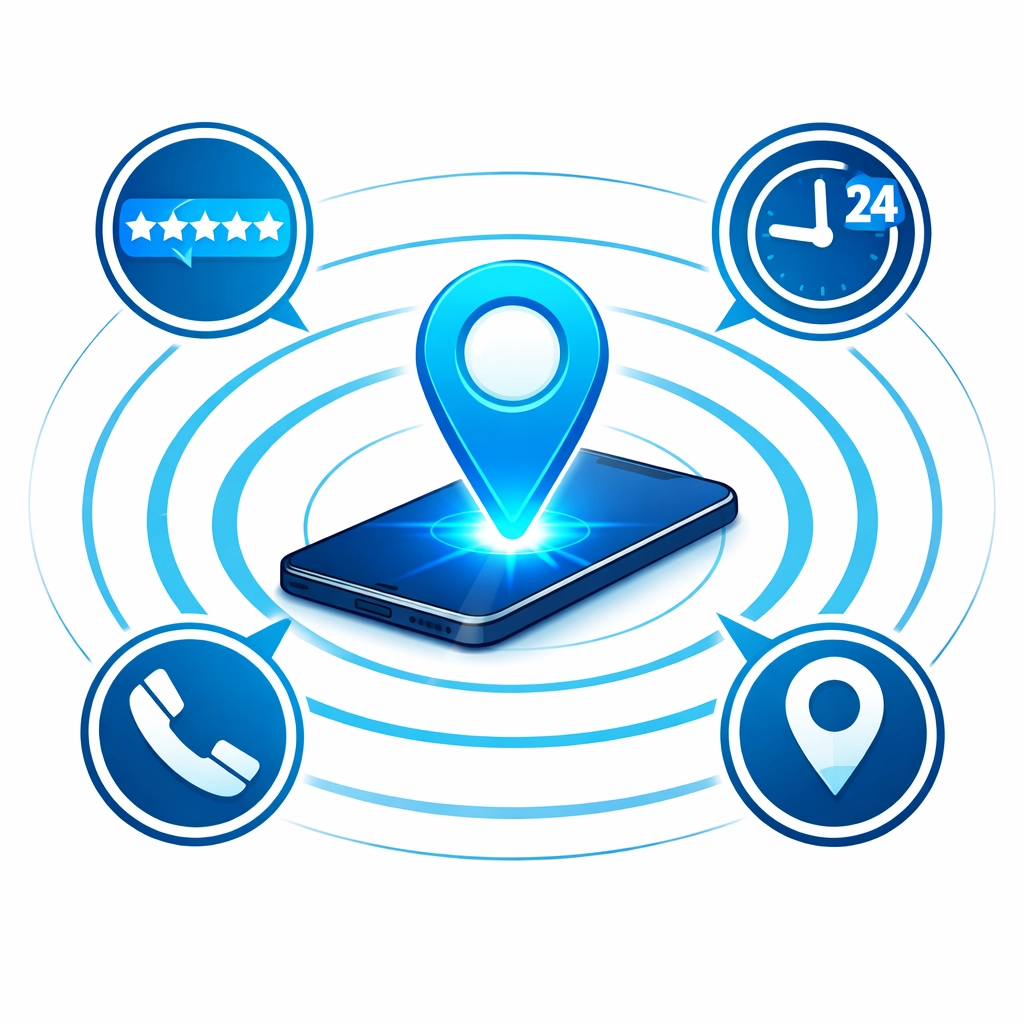
When someone searches for services you offer, they might see your profile, your reviews, your phone number, and your hours all right there on the search page. They can call you directly without ever visiting your site. That's still a win: it's just a different kind of win than you're used to tracking.
Use Structured Data Properly
Search engines are getting better at understanding context and meaning, but you still need to help them out. Structured data markup tells Google exactly what your content is about and how it relates to other information.
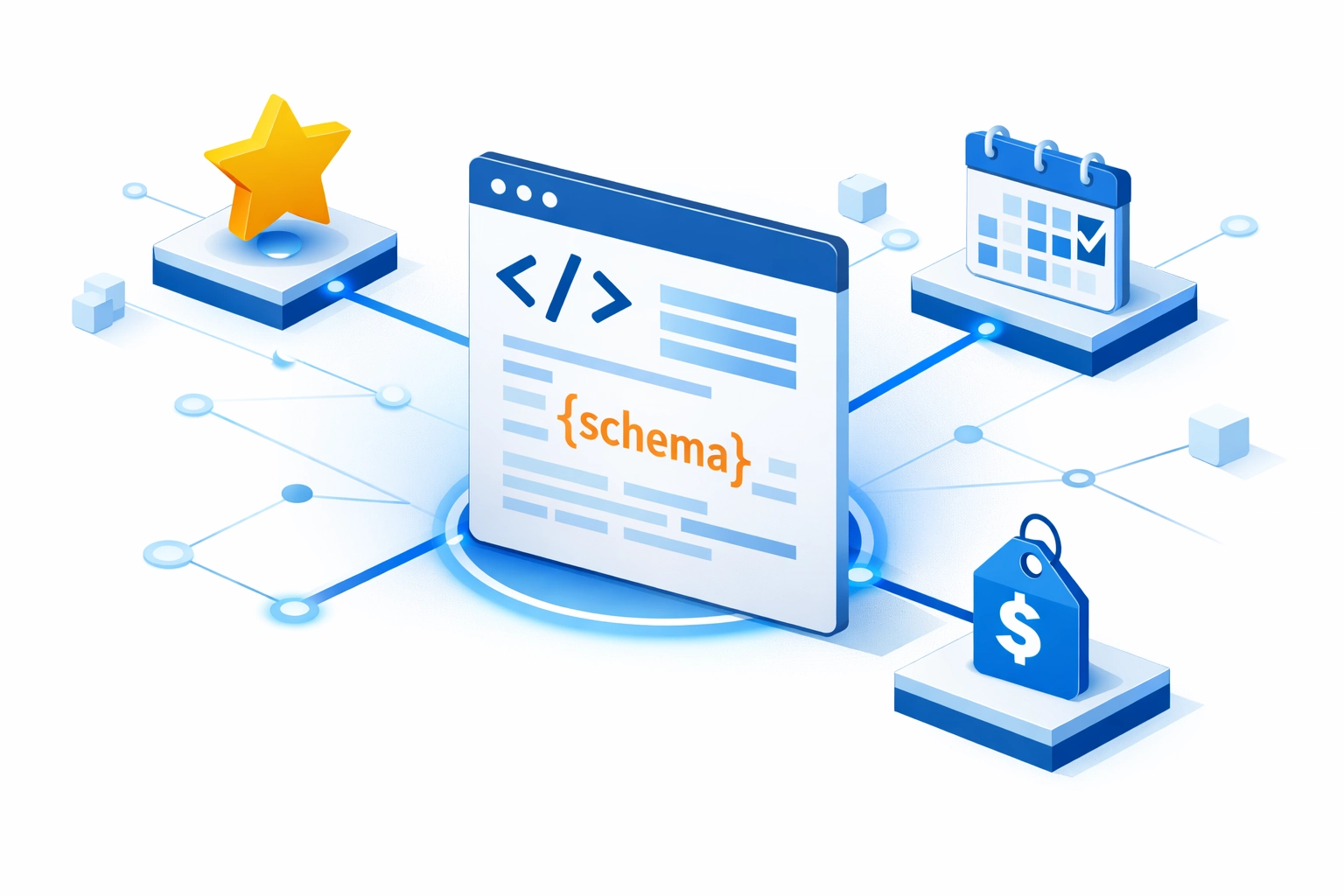
Use schema markup for your services, products, FAQs, reviews, and local business information. This makes it more likely your content gets featured in rich results and AI summaries.
Think of structured data as metadata that helps search engines understand the "what" and "why" of your content, not just the keywords. The better Google understands your content, the more likely it is to feature it in zero-click results.
Create for Semantic Understanding
Search engines now handle multi-part and nuanced queries better than ever. They understand context, intent, and relationships between concepts.
Write content that addresses semantic intent. Answer the question behind the question. If someone searches "best CRM for small business," they're probably also wondering about pricing, ease of use, and integration options. Cover the full context.
Create topic clusters where you have a comprehensive main page supported by detailed sub-pages on specific aspects. Link them together logically. This helps search engines understand your expertise and authority on the topic.
The Real Opportunity Here
Getting featured in zero-click results doesn't generate direct pageviews. But it does something potentially more valuable: it builds credibility and brand awareness.
When your business appears in AI Overviews or featured snippets, you're getting visibility from people who might never visit any website. They see your brand name. They see your expertise. They associate you with the answer they needed.
This is top-of-funnel awareness at scale. When these same people later need your services, guess which brand they remember?
Brands treating AI Overviews and featured snippets as distribution channels instead of threats are gaining market share. They're reaching audiences through search visibility even when those audiences don't click.
What This Means for Your Strategy
Traditional SEO isn't dead. But SEO that only focuses on clicks and traffic is missing the bigger picture.
Your 2026 search engine optimization strategy needs to account for both clicked and zero-click outcomes. Optimize for visibility and authority in search results themselves, not just rankings that lead to clicks.
Create content that answers questions directly and comprehensively. Use proper formatting and structured data. Build your brand presence in local features and knowledge panels. Track metrics that reflect your actual search influence, not just website visits.
The businesses winning in 2026 are the ones that understand search visibility has value even without the click. They're optimizing for answer inclusion, entity clarity, and structured credibility.
If you're still measuring success purely by organic traffic, you're using a map from 2015 to navigate 2026. Update your strategy. Update your metrics. And start treating zero-click features as opportunities to reach your audience where they already are.