
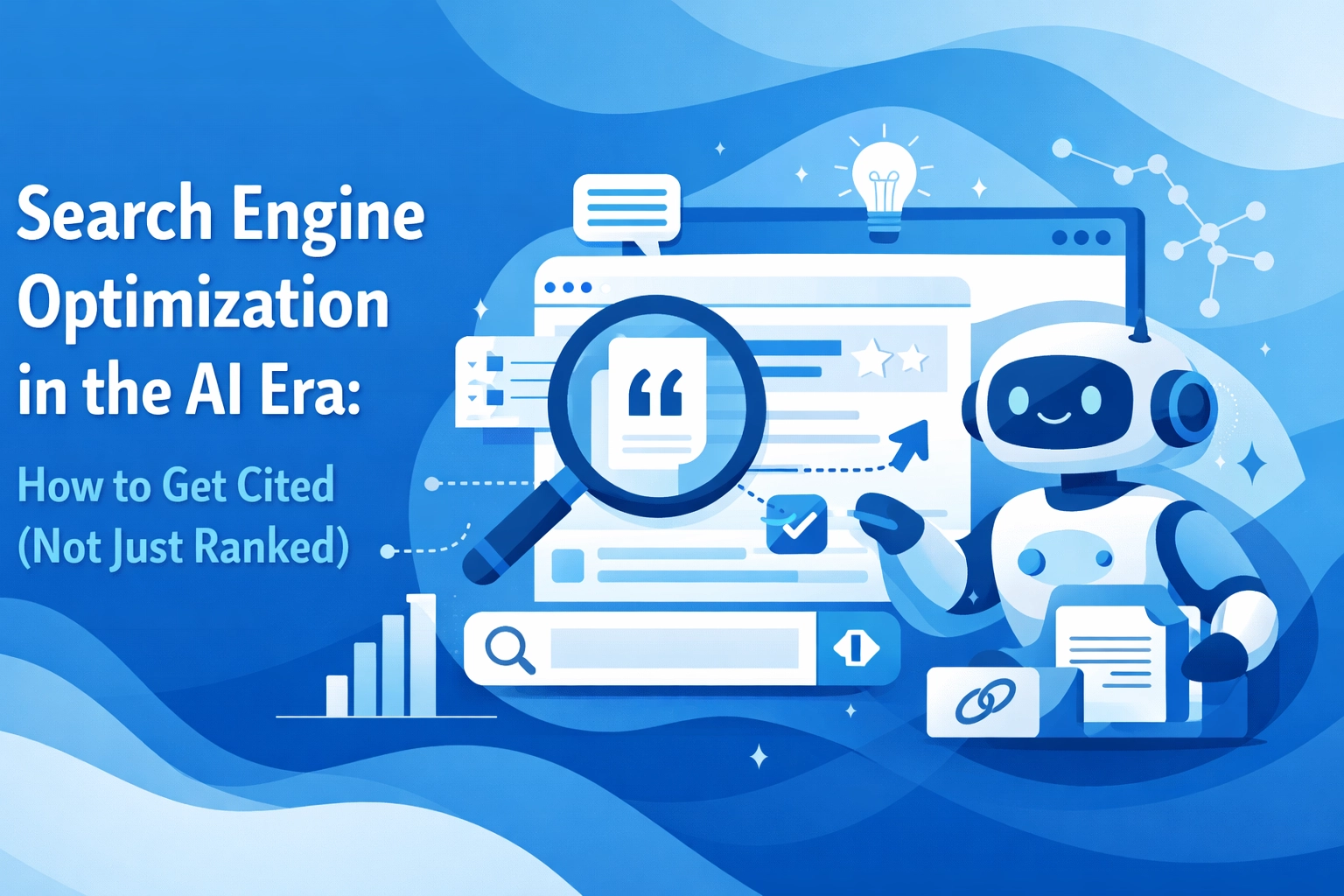

The rules of search engine optimization have fundamentally changed. AI-powered search results now appear before traditional listings, and they're not just ranking pages: they're extracting answers and citing sources. If your business isn't optimized to be cited by AI systems, you're missing the most valuable visibility opportunity in modern search.
Why Rankings Don't Matter Like They Used To
Google's AI Overviews and other AI-driven search features now act as upstream filters. Users get their answers directly from AI-generated summaries at the top of search results. These summaries cite specific sources, and being one of those sources delivers more value than ranking third or fourth in traditional results.
The shift is straightforward: AI systems extract information from content they trust and present it as answers. Your goal isn't just to rank anymore: it's to become a trusted source that AI systems cite when answering questions in your industry.
Traditional search engine optimization focused on keyword density, backlink volume, and technical tweaks. AI-era optimization focuses on authority, clarity, and structured expertise.
What AI Systems Actually Look For
AI doesn't evaluate individual pages the same way traditional algorithms did. Instead, it assesses your brand as an entity: a recognized authority within specific topics. Here's what that means in practice.

Entity Recognition Over Keywords
Your business needs to be clearly defined as an authority. AI systems look for consistent brand definitions across your site, explicit descriptions of what you do and who you serve, and logical connections between your content and expertise areas.
This means your website needs clear, direct statements about your services and specialties. Vague or generic descriptions don't establish entity authority. Specific, consistent explanations do.
Topic Coverage Over Individual Articles
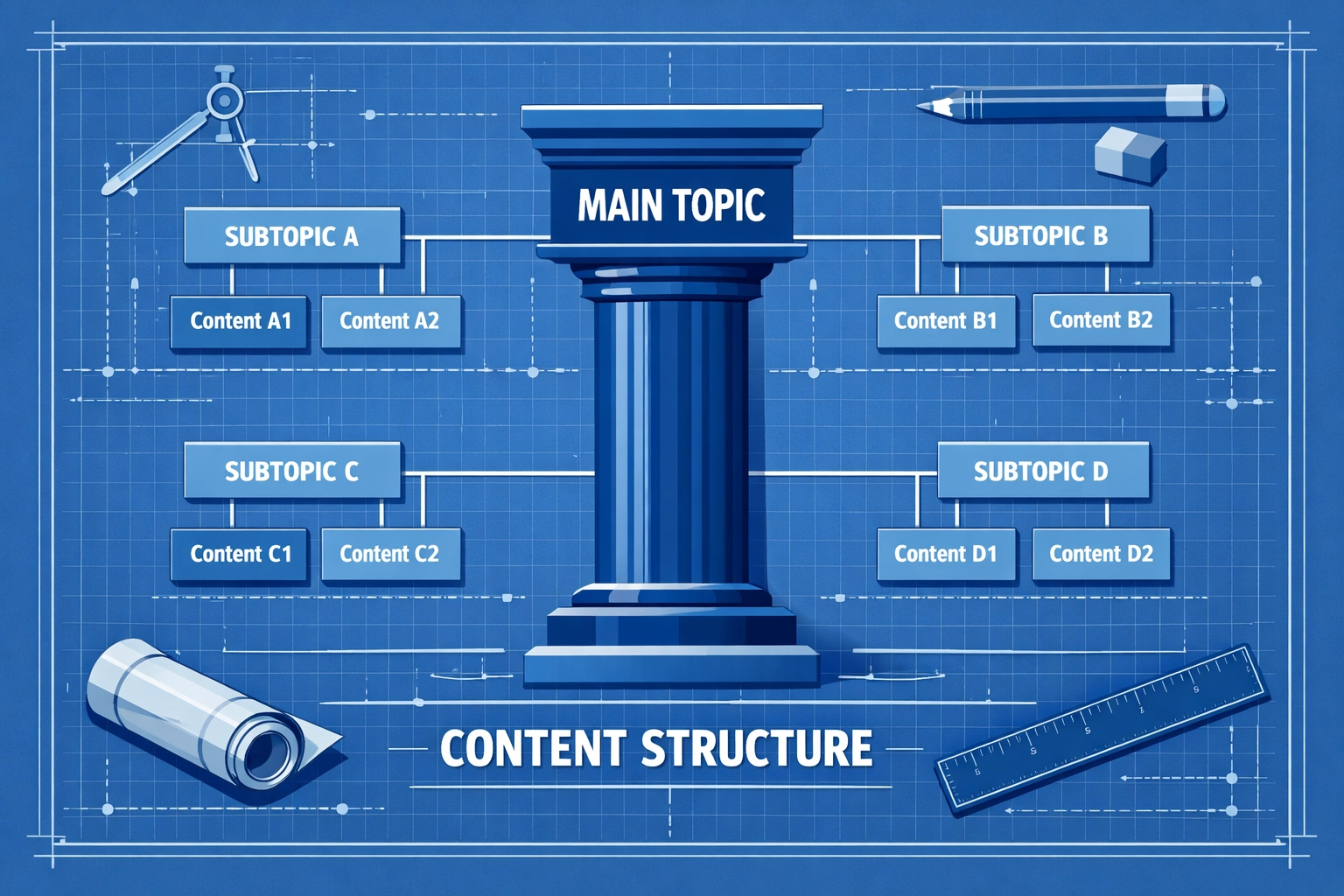
AI evaluates your entire content ecosystem, not isolated blog posts. If you write about cybersecurity, one article won't establish authority. A cluster of interconnected content demonstrating comprehensive knowledge will.
Think in terms of pillar content supported by detailed sub-topics. Each piece should reinforce your authority across the broader subject area while addressing specific questions within that topic.
Answer Quality Over Content Length
Long-form content isn't valuable if the answer is buried. AI systems prioritize content that places clear, direct answers at the top. If someone asks "What is two-factor authentication?" and your article has three paragraphs of introduction before defining it, AI will skip your content for a source that answers immediately.
How to Structure Content for Citation
Getting cited requires rethinking how you organize and present information. Here's the practical approach.
Lead With Clear Answers
Start every piece of content with a direct answer or definition. If you're writing about website security, open with what it is and why it matters. Context and background can follow, but the answer comes first.
This structure serves both human readers and AI systems. People get immediate value, and AI can quickly extract accurate information to cite.
Use Consistent Terminology
AI systems look for semantic consistency across your content. If you alternate between "cybersecurity," "digital security," and "online protection" without clear connections, you weaken your topical authority.
Choose standard industry terms and use them consistently. When you introduce variations, explicitly connect them to your primary terminology.
Build Internal Link Structures
Internal linking isn't just about navigation: it's how you demonstrate topic relationships to AI systems. Link your pillar content to supporting articles, and link supporting articles back to pillars using descriptive anchor text.
This creates a clear knowledge graph that shows AI how your expertise areas connect. A strong web design page should link to articles about user experience, mobile optimization, and conversion design: all reinforcing your authority in that domain.
Technical Requirements for AI Visibility
Technical optimization matters more than ever, but the priorities have shifted.
Structured Data Implementation
Schema markup helps AI systems understand your content's context and relationships. Implement Organization schema for your business entity, Article schema for blog content, and relevant schema types for your services.
This structured data doesn't guarantee citation, but it significantly improves AI's ability to identify, extract, and trust your content.
Page Speed and Core Web Vitals
AI systems consider user experience signals when determining trustworthiness. Slow-loading pages with poor technical performance signal low quality, reducing citation likelihood.
Optimize images, implement proper caching, and ensure your site loads quickly on all devices. These technical fundamentals are table stakes for AI visibility.
Semantic HTML and Clear Architecture
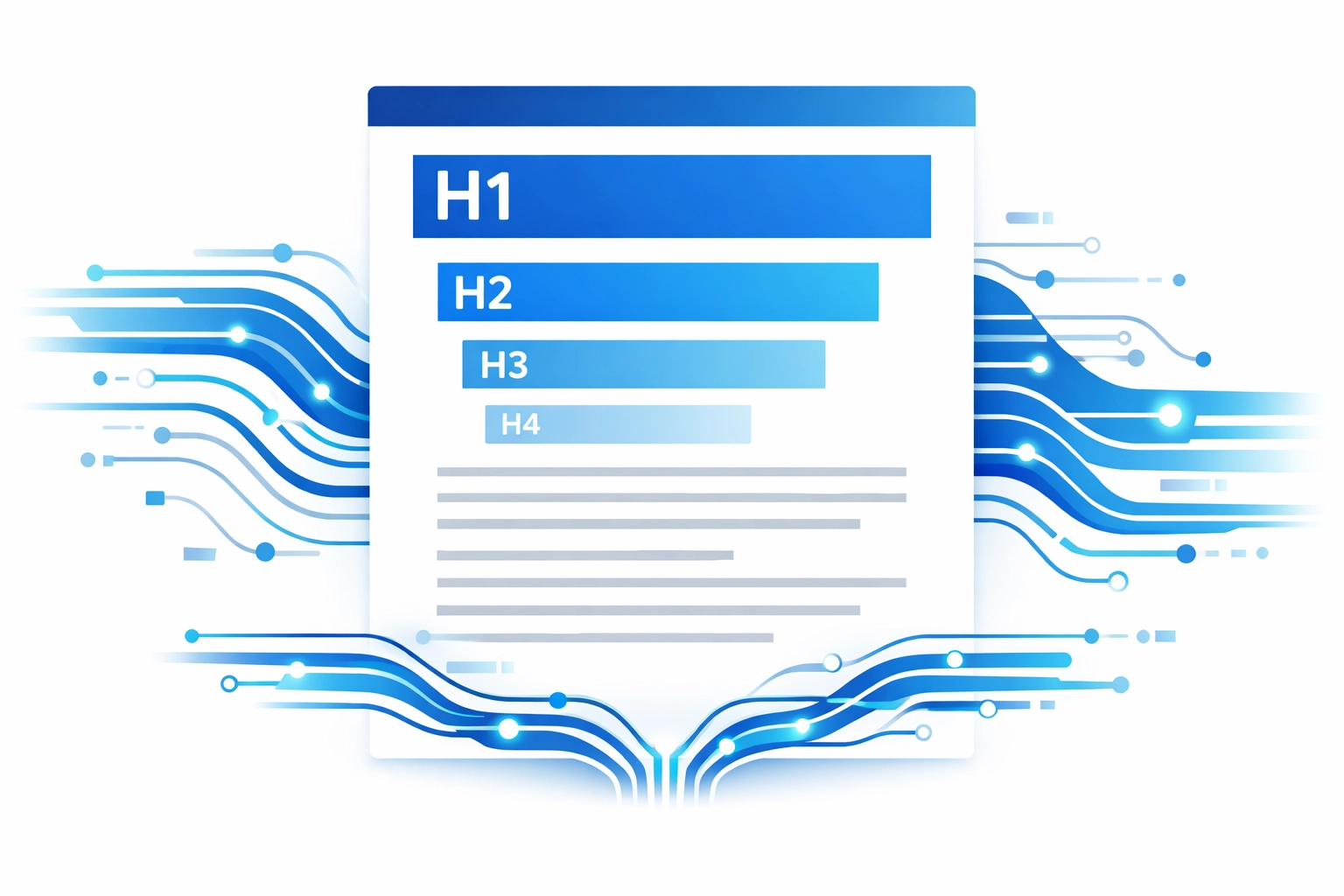
Use proper heading hierarchy (H1, H2, H3) to create clear content structure. AI systems rely on semantic HTML to understand content organization and extract relevant sections.
Avoid flat content structures with inconsistent headings. Each page should have one H1, followed by logical H2 sections, with H3s as needed for subsections.
Demonstrating Real Expertise
AI systems are designed to identify and cite actual expertise over generic content. Here's how to demonstrate that expertise.
Show Experience, Not Just Knowledge
Modern search evaluation prioritizes demonstrated experience. Write from your actual work rather than researched information. Share specific challenges you've solved, real scenarios you've encountered, and genuine insights from your practice.
Generic advice exists everywhere. Your unique perspective and proven track record are what make you citation-worthy.
Maintain Author Identity
If your team writes content, establish clear author profiles with credentials and expertise areas. AI systems evaluate author authority as part of source trustworthiness.
This doesn't mean elaborate biographies: it means clear attribution connecting content to qualified authors with relevant experience.
Cite Your Own Sources
When you reference data, studies, or specific facts, cite them. AI systems evaluate citation practices as trust signals. Brands that cite sources accurately are viewed as more reliable and more likely to be cited themselves.
The Strategic Shift Required
Moving from ranking to citation requires fundamental changes in content strategy.
You're not optimizing individual pages for keyword volume anymore. You're building comprehensive topic authority that positions your brand as a go-to source in your field.
This means fewer isolated blog posts and more interconnected content ecosystems. It means prioritizing clarity over word count. It means demonstrating real expertise rather than producing generic advice.
Your services pages should be more than sales pitches: they should be authoritative resources that clearly explain what you do, why it matters, and how it works. Your blog content should build on that foundation, addressing specific questions while reinforcing your core expertise.
What This Means for Your Business
If your current SEO strategy focuses primarily on traditional rankings, you're optimizing for a shrinking visibility channel. AI-powered search features are capturing more clicks, and being cited in those features delivers more qualified traffic than traditional position three or four rankings.
The transition doesn't mean abandoning proven SEO fundamentals. Technical optimization, quality content, and user experience still matter. But the goal has shifted from ranking well to being recognized as an authoritative source worth citing.
Businesses that make this shift early gain significant advantages. As more search queries return AI-generated answers, citation becomes the primary visibility metric. Building that citation-worthy authority takes time, consistent effort, and strategic content development.
The question isn't whether to adapt: it's how quickly you can reposition your content strategy around authority and citation rather than rankings and keywords. Your competitors are figuring this out. The ones who act first will dominate AI-powered search visibility in your market.
Ready to optimize your digital presence for the AI era? Get in touch to discuss how we can build citation-worthy authority for your business.