
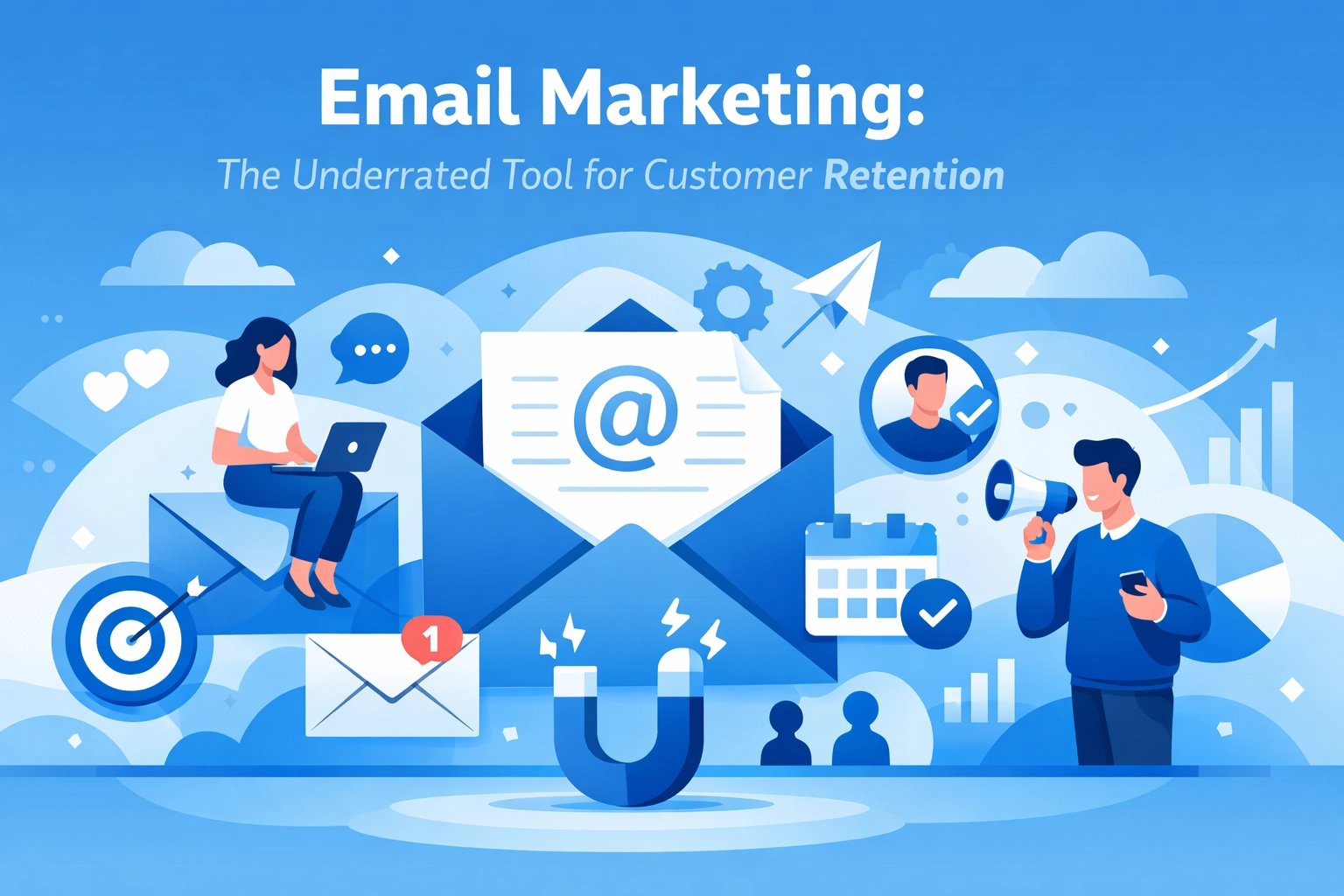

Here's the thing about customer retention: everyone knows it's cheaper to keep an existing customer than find a new one. Yet most small businesses throw their energy (and budget) into chasing new leads while their current customers quietly slip away.
Email marketing is sitting right there as one of the most effective retention tools you can use, but it gets treated like the boring cousin of flashy social media campaigns. That's a mistake.
The Retention Problem Most Businesses Ignore
You spend time and money getting someone to buy from you once. They hand over their credit card, you deliver the goods, and then... silence. Maybe you send them an order confirmation, but that's it. No follow-up, no check-in, no reason for them to remember you exist when they need your product or service again.
Three months later, they're buying from your competitor because that business stayed in touch.
The numbers back this up. Acquiring a new customer costs 5-25 times more than retaining an existing one. But here's the kicker, most businesses don't have a real retention strategy beyond "hopefully they'll come back."
Why Email Actually Works for Retention
Social media is great for reach, but terrible for reliability. Algorithm changes mean your posts might reach 2% of your followers. Paid ads get expensive fast and stop the second you stop paying. Email is different, you own that direct line to your customer.
Triggered emails (the automated ones that respond to customer actions) get opened 95% more often than mass emails and have double the click-through rate. That's because they're relevant and timely. Someone abandons their cart? Send them a reminder. Someone buys from you? Follow up in a week to make sure they're happy.
40% of people actually enjoy getting emails from brands they like. You're not annoying them, you're staying connected with people who already chose to do business with you.
What Actually Makes Email Retention Work
Personalization beyond first names
Using someone's first name in the subject line isn't personalization, it's the bare minimum. Real personalization means using what you know about their behavior. Did they buy running shoes? Send them content about marathon training or shoe care tips. Did they download your guide on website redesign? Follow up with case studies or web design services that might help.
Look at their purchase history, what pages they visited on your site, what emails they opened before. Use that data to send stuff they'll actually care about.
Consistent value without being pushy
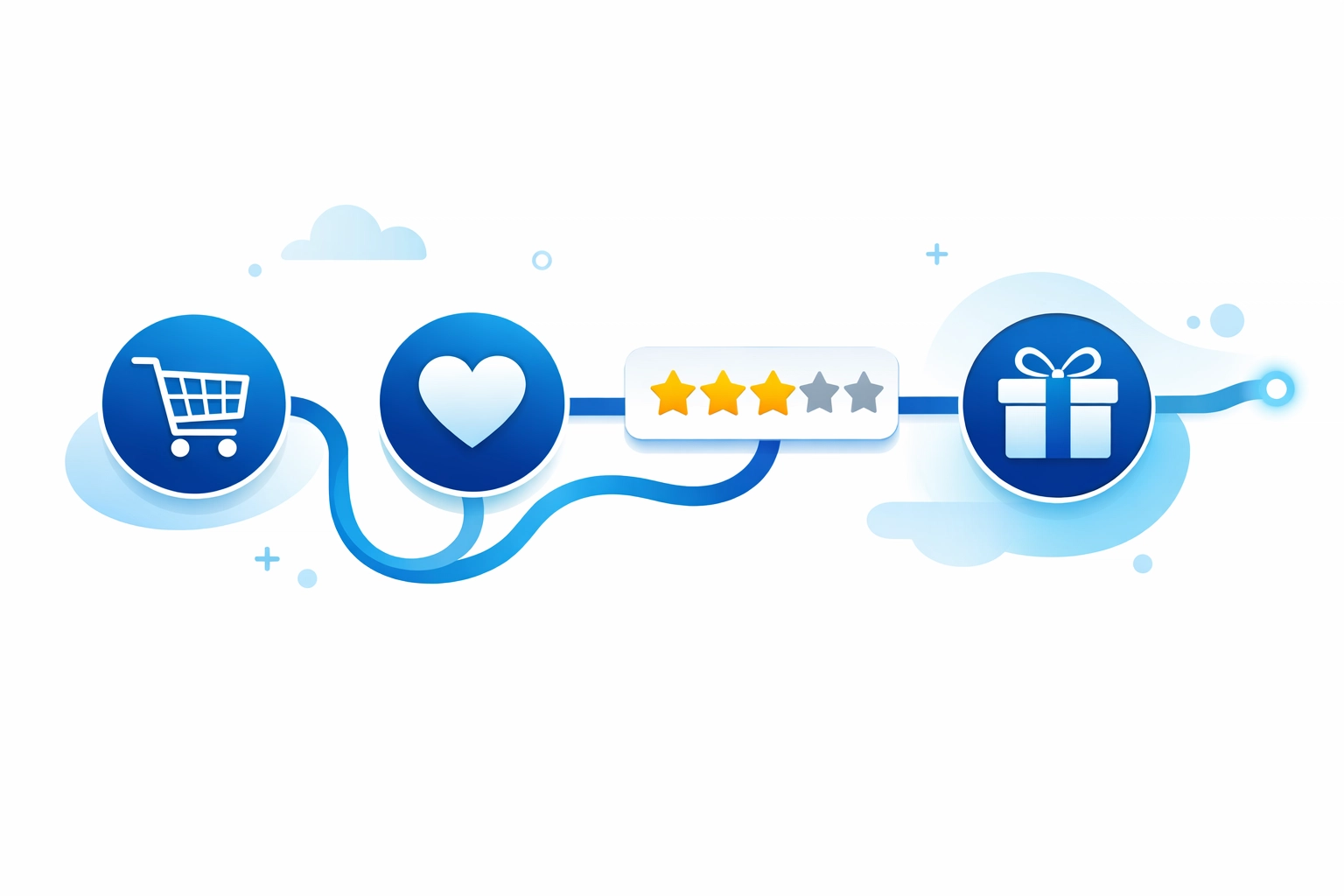
The businesses that do email retention well aren't constantly trying to sell. They're providing value. That might be:
- Tips related to products they bought
- Industry news they'd find useful
- Exclusive content or early access
- Customer success stories they can relate to
- Solutions to common problems
Yes, you'll promote things, but that shouldn't be every email. Mix in helpful content that reminds them why they liked you in the first place. If you run a digital marketing business, share quick wins they can implement themselves. If you sell products, share creative ways to use them.
Building actual relationships
Email shouldn't be a one-way megaphone. Ask questions. Request feedback. Respond when people reply (and make sure your emails come from an address that accepts replies, not a no-reply address).
When someone takes time to respond, acknowledge it. When they hit a milestone with your product or service, celebrate it with them. Make them feel like an individual, not subscriber #4,847.
Retention Strategies That Don't Require a Huge Budget
Small businesses often think email marketing is either too complex or requires enterprise-level software. Not true. Here's what works without breaking the bank:
Welcome series for new customers
When someone makes their first purchase, set up a 3-5 email sequence over the next two weeks. Email 1: Thank them and set expectations. Email 2: Share helpful tips for getting the most from their purchase. Email 3: Introduce other products or services they might need. Email 4: Ask for feedback. Email 5: Offer an incentive for their next purchase.
This automated sequence turns one-time buyers into engaged customers.
Re-engagement campaigns
People go quiet. It happens. Set up automated emails to reach out to customers who haven't purchased or engaged in 60-90 days. Keep it simple: "Hey, we noticed you've been away. Here's what's new" or "We'd love to hear what would bring you back."
Sometimes all it takes is a reminder that you exist.
The educational drip
Position yourself as the expert by sending regular educational content. If you're in a technical field, break down complex topics into digestible emails. If you offer services like SEO, share quick wins or common mistakes to avoid.
This keeps you top-of-mind as the authority in your space, so when they need help, you're the obvious choice.
Customer-only perks
Make your email subscribers feel special. Give them first dibs on sales, exclusive discounts, or early access to new products. Create a VIP feeling that makes staying subscribed worthwhile.
What You Should Actually Track
Don't get lost in vanity metrics. Focus on what tells you if your retention emails are working:
Open rates show if your subject lines resonate and if people recognize your sender name. If opens are declining, test different subject line approaches or send times.
Click-through rates tell you if the content inside is relevant. Low clicks mean your content isn't compelling or your calls-to-action aren't clear.
Conversion rates are the real measure, are people taking the action you want? This could be making another purchase, booking a consultation, or downloading a resource.
Unsubscribe rates matter too. A small percentage is normal, but a spike means something's off, you're emailing too often, your content isn't relevant, or your tone isn't connecting.
Run simple A/B tests on subject lines, send times, and call-to-action buttons. Small changes can make big differences. Test one thing at a time so you know what actually moved the needle.
The Cost Advantage Nobody Talks About
Email marketing delivers an average ROI of $36-$42 for every dollar spent. That's better than almost any other marketing channel. For small businesses watching every dollar, that efficiency matters.
But it's not just about the direct ROI. Email retention reduces churn, which compounds over time. Keep 5% more customers each year and watch how that impacts your bottom line over five years. The math gets really interesting.
Plus, retained customers spend more. They trust you already, so they're more likely to try new offerings, upgrade services, or refer others. Your marketing strategy gets more efficient when you're not constantly replacing lost customers.
Making It Manageable
The biggest objection we hear: "I don't have time to write all those emails." Fair point. Here's how to make it work:
Batch create content. Spend a few hours once a month writing your emails for the next 30 days. Schedule them. Done.
Repurpose content you already have. Turn blog posts into email series. Use customer success stories. Share quick tips from your social media.
Start small. One email a week is infinitely better than zero emails ever. You can scale up as you see results and build systems.
Use templates. Once you find formats that work, reuse the structure with different content. Don't reinvent the wheel every time.
The Reality Check
Email marketing for retention isn't sexy. It won't give you the dopamine hit of going viral on social media. But it works, consistently, for businesses that commit to it.
The brands winning at retention aren't doing anything magical. They're staying in touch with people who already said yes to them once. They're providing value between purchases. They're treating email like the relationship-building tool it is, not a broadcast channel.
Your customers are already on your list. The question is whether you're giving them reasons to stay engaged, or letting competitors win them over through simple persistence.
If your current retention strategy is basically "hope they remember us," it's time to build something better. Email gives you that direct line( use it.)