
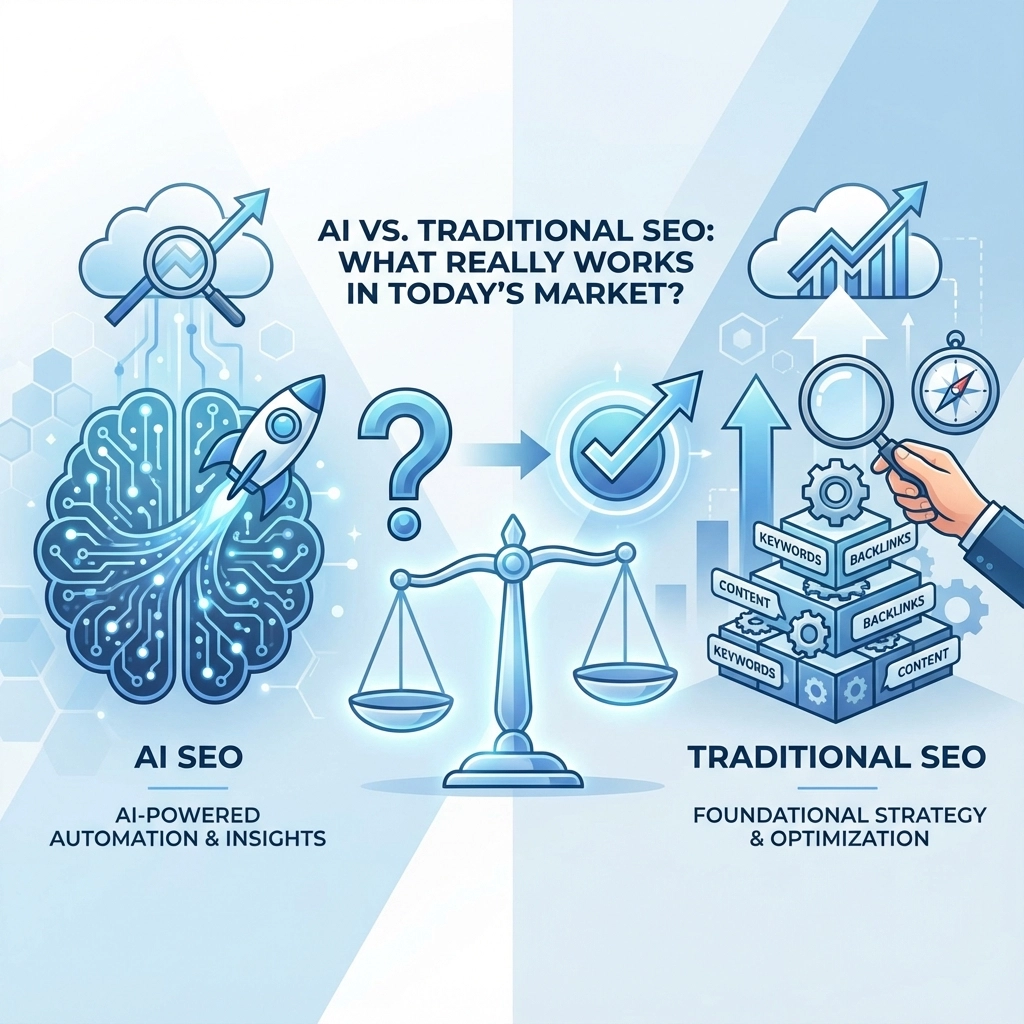

The SEO world is split right down the middle. On one side, traditional SEO experts insist that keyword optimization, backlinks, and proven ranking factors still drive the majority of organic traffic. On the other side, AI optimization specialists argue that generative search engines are already reshaping how users find information online.
Both sides have compelling data. The question isn't which approach will eventually win: it's which combination of strategies delivers results right now in 2026.
The Current Search Landscape
Traditional search still dominates by volume. Google processes 5 trillion searches annually, and businesses continue seeing measurable ROI from conventional SEO tactics like content optimization and link building. Companies that built strong domain authority over the past decade aren't seeing that investment disappear overnight.
However, the competitive dynamics are shifting rapidly. Gartner forecasts traditional search volume will drop 25% by 2026, while Semrush projects AI search visitors will surpass traditional organic traffic by early 2028. The most telling statistic: approximately 58% of U.S. Google searches now end without any clicks, as users find answers directly within AI-generated summaries.
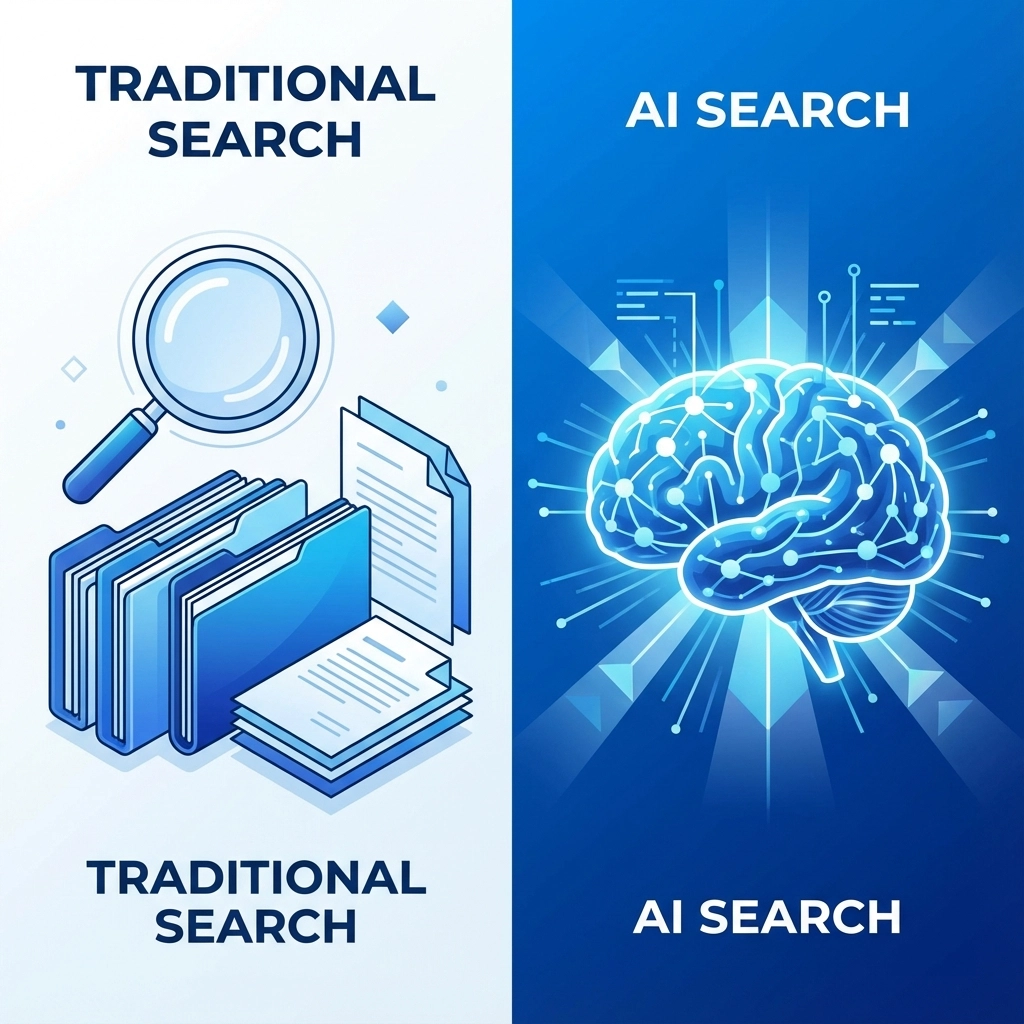
This shift represents more than just new technology: it reflects fundamental changes in user behavior and expectations.
Performance Gaps Between Approaches
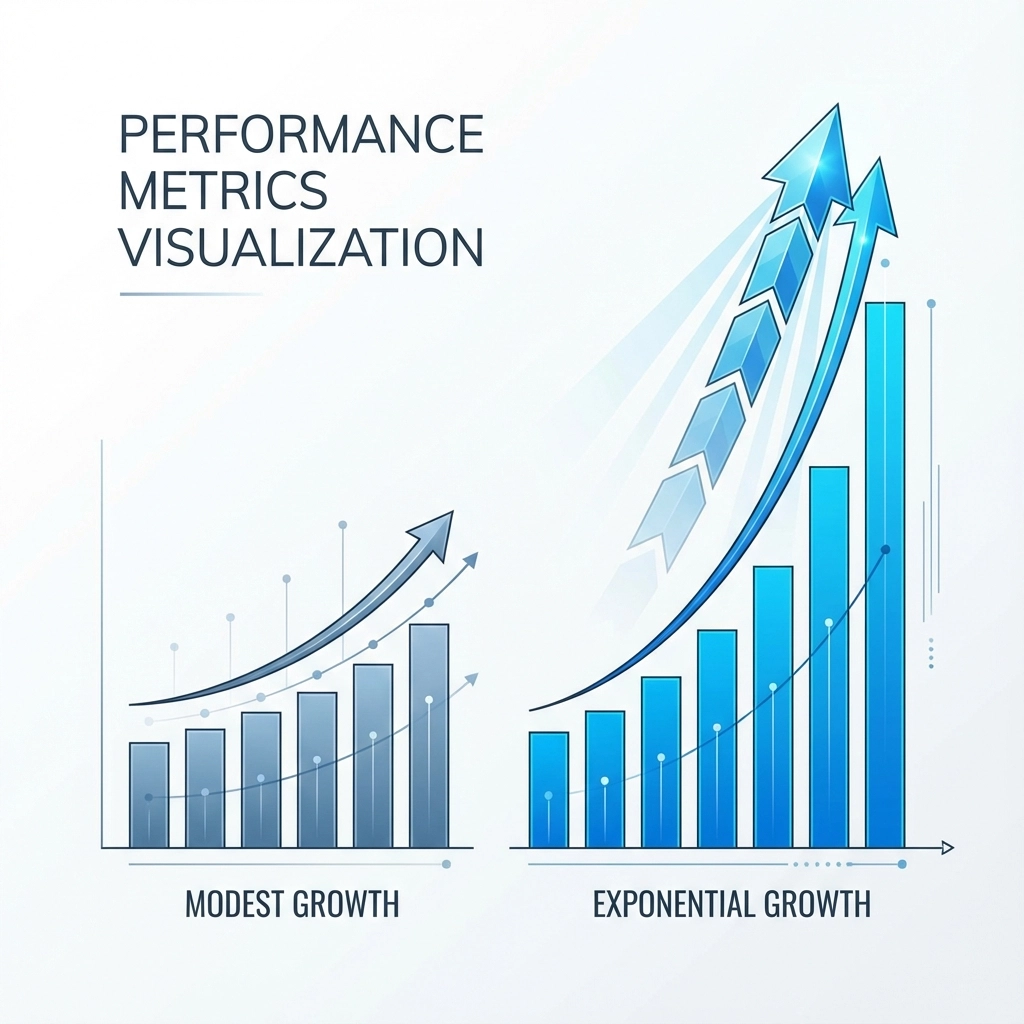
The performance difference between traditional and AI-optimized content is significant. AI referral traffic shows conversion rates 25 times higher than traditional search traffic. Companies that restructured their content around customer questions report visibility increases averaging 395% across industries.
One documented case study showed 43% traffic growth from AI referrals with 83.33% conversion increases in just two months. These aren't outliers: they represent what happens when content aligns with how AI systems actually process and serve information.
The reason for this performance gap lies in how each system operates. Traditional search engines match keywords to indexed pages and rank results based on authority signals. AI platforms analyze queries by breaking questions into components, synthesizing multiple sources, and delivering one comprehensive answer.
Traditional SEO Requirements
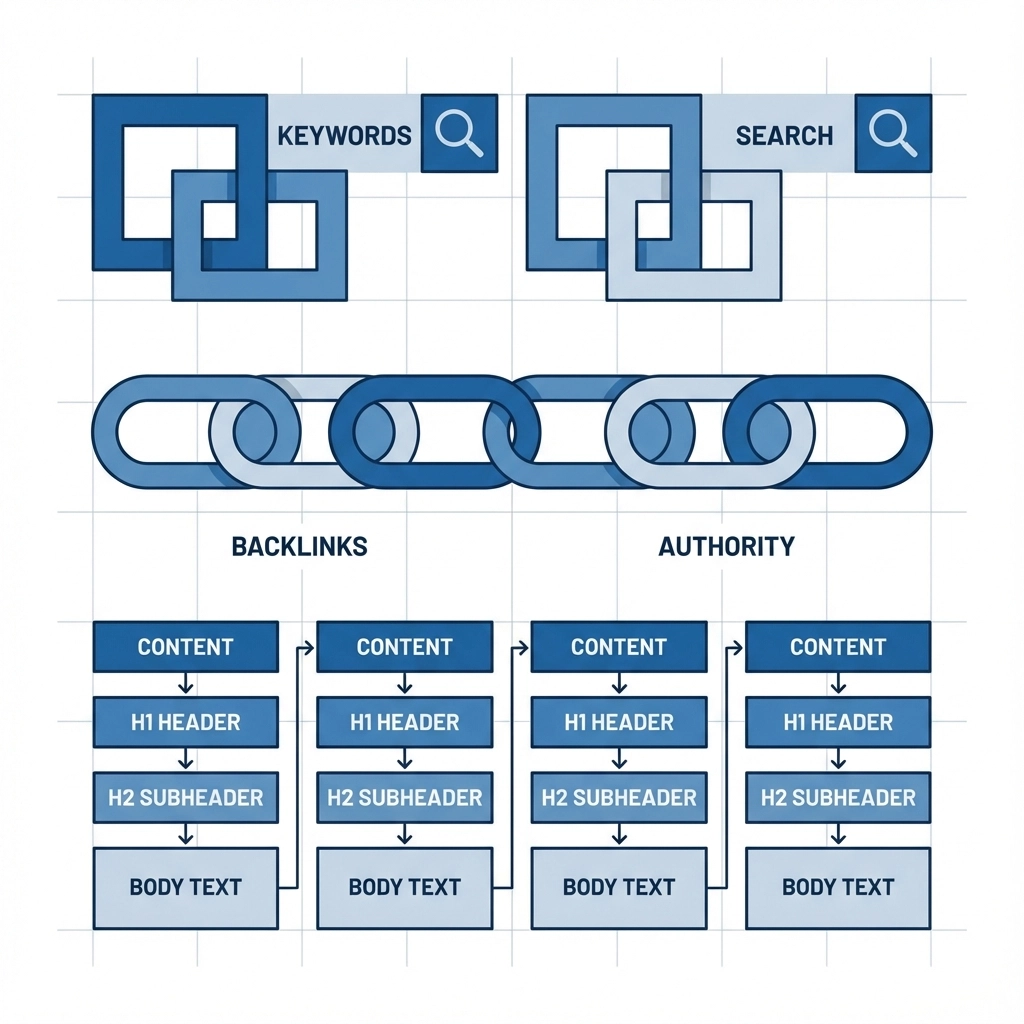
Traditional SEO focuses on established ranking factors that search engines have used for years. The foundation includes keyword research, meta descriptions, title tags, and content structure. Technical elements like site speed, mobile optimization, and internal linking continue driving organic visibility.
Backlink acquisition remains critical for domain authority. Content length and comprehensive coverage of topics still influence rankings. Schema markup helps search engines understand page content. These fundamentals haven't disappeared: they're just competing with different optimization approaches.
Traditional SEO excels at building long-term compound growth. Websites that rank well for competitive terms often maintain those positions for months or years. This creates predictable traffic streams that businesses can build strategies around.
AI Optimization Demands
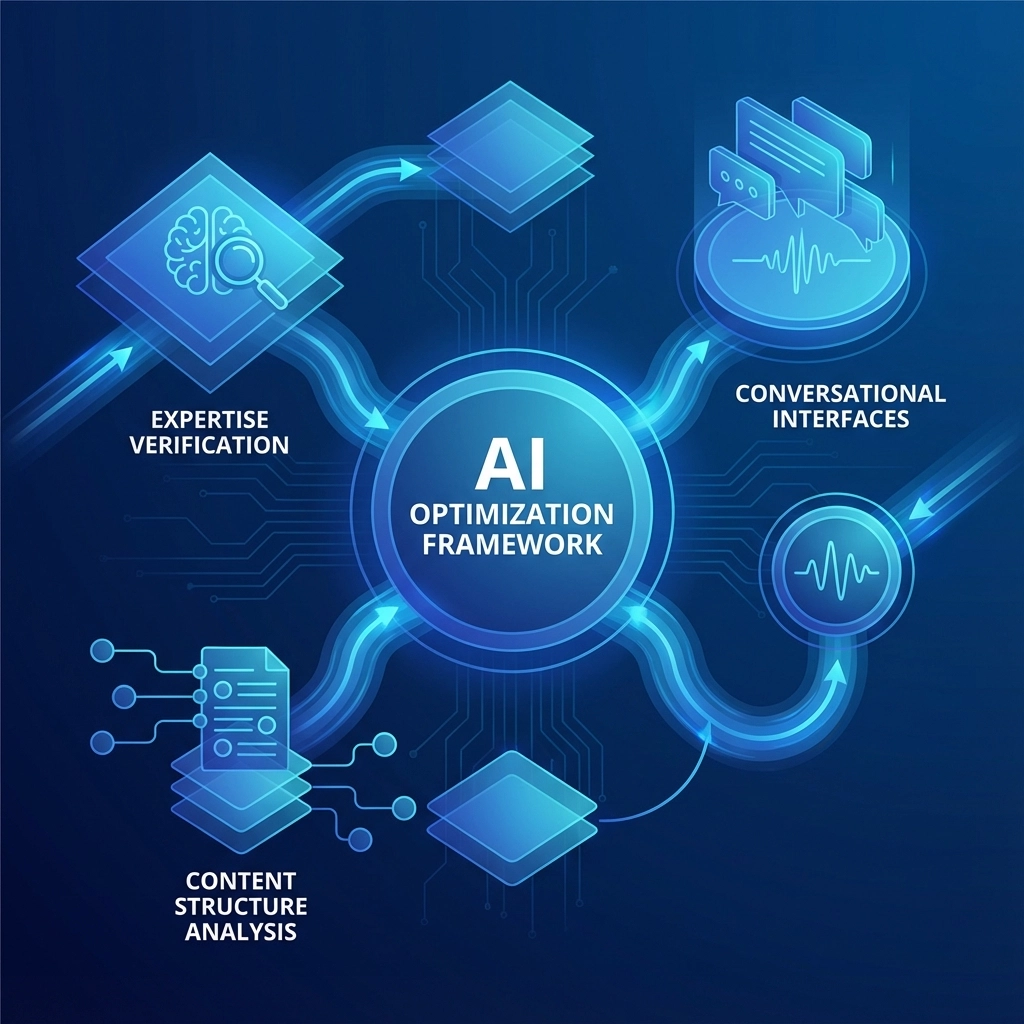
AI optimization requires completely different tactics. Content must demonstrate real expertise with verified author credentials. AI systems check expertise against LinkedIn profiles and look for original research citations. Surface-level content optimization doesn't work when AI platforms evaluate factual accuracy and source credibility.
Content structure becomes crucial for quotability. AI systems need clear hierarchies, logical page organization, and concise statements they can synthesize into comprehensive answers. Long-form content works only if it's broken into digestible sections that AI can extract and combine with other sources.
Conversational discoverability matters more than keyword density. Content needs to appear as part of AI-generated answers, not just as ranked results. This means writing in question-and-answer formats and providing direct responses to specific user queries.
Implementation of AI-ready protocols like schema markup and MCP servers helps guide AI crawlers. However, the most important factor is creating content that AI systems view as authoritative and worth citing in their responses.
User Behavior Changes
The data reveals dramatic shifts in how people search for information. Average query length has grown from four words to 23 words. Users are having longer conversations with AI systems rather than jumping between multiple search results.
Session duration has extended to six minutes of deep interaction instead of quick link-clicking behavior. This suggests users prefer getting comprehensive answers from AI systems over browsing multiple websites to piece together information.
Half of U.S. consumers now intentionally use AI-powered search engines. More significantly, 44% identify AI as their primary information source, ahead of traditional search at 31%. These aren't early adopters: they represent mainstream user preferences.
This behavioral shift explains why conversion rates differ so dramatically between traffic sources. Users arriving from AI searches have already filtered through comprehensive information and arrive with clearer intent.
The Winning Strategy
Neither approach works in isolation. Companies that spent 2025 treating AI search as a future concern are already behind competitors who implemented hybrid strategies.
The organizations succeeding in 2026 integrate traditional SEO, AI optimization, and reputation management into unified approaches. This means maintaining technical SEO fundamentals while restructuring content for AI discoverability.
Different business types require different emphasis. Tech startups and SaaS companies should prioritize AI search visibility since their audiences adopt new technologies quickly. Local service businesses still benefit from traditional SEO since local search hasn't shifted as dramatically to AI platforms.
Enterprises need both approaches because they compete across multiple market segments. Building authority through traditional SEO provides foundation credibility that AI systems recognize and reference.
Implementation Priorities
Start with content audit focused on AI optimization potential. Identify existing content that could be restructured around specific questions your customers ask. Add author credentials and source citations to demonstrate expertise AI systems can verify.

Implement schema markup that helps both traditional search engines and AI crawlers understand your content structure. Focus on FAQ schemas, how-to markup, and organization credentials.
Develop content specifically designed for quotability. Write clear, factual statements that AI systems can extract and cite. Create comprehensive guides that answer related questions in single resources.
Maintain traditional SEO fundamentals while adding AI optimization layers. Don't abandon keyword research or link building: supplement them with AI-focused tactics.
The future requires pairing human insight with AI-powered optimization. Success comes from understanding that both search paradigms will coexist, requiring businesses to optimize for multiple discovery channels simultaneously.
Ready to optimize your content strategy for both traditional and AI search? Our digital marketing team can help you develop an integrated approach that captures traffic from all search platforms.