
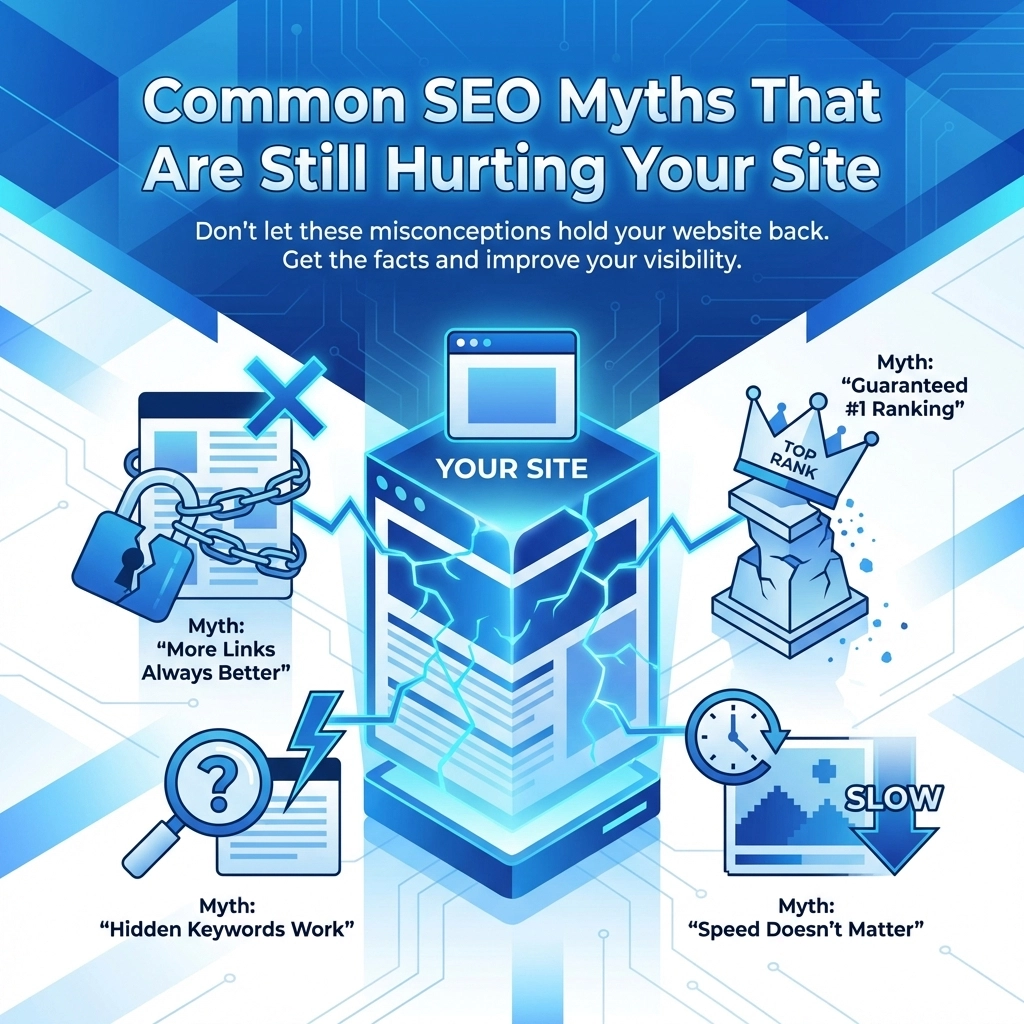

SEO advice is everywhere. Some of it is solid. A lot of it is outdated nonsense that could actually tank your rankings
The problem is that many website owners still follow SEO "best practices" from 2015 or earlier. Search engines have evolved dramatically, but bad advice has a long shelf life. If you're still operating on old assumptions, you might be sabotaging your own site without realizing it
Let's break down the most common SEO myths that are still hurting websites in 2026: and what you should do instead
Myth #1: Keyword Stuffing Still Works
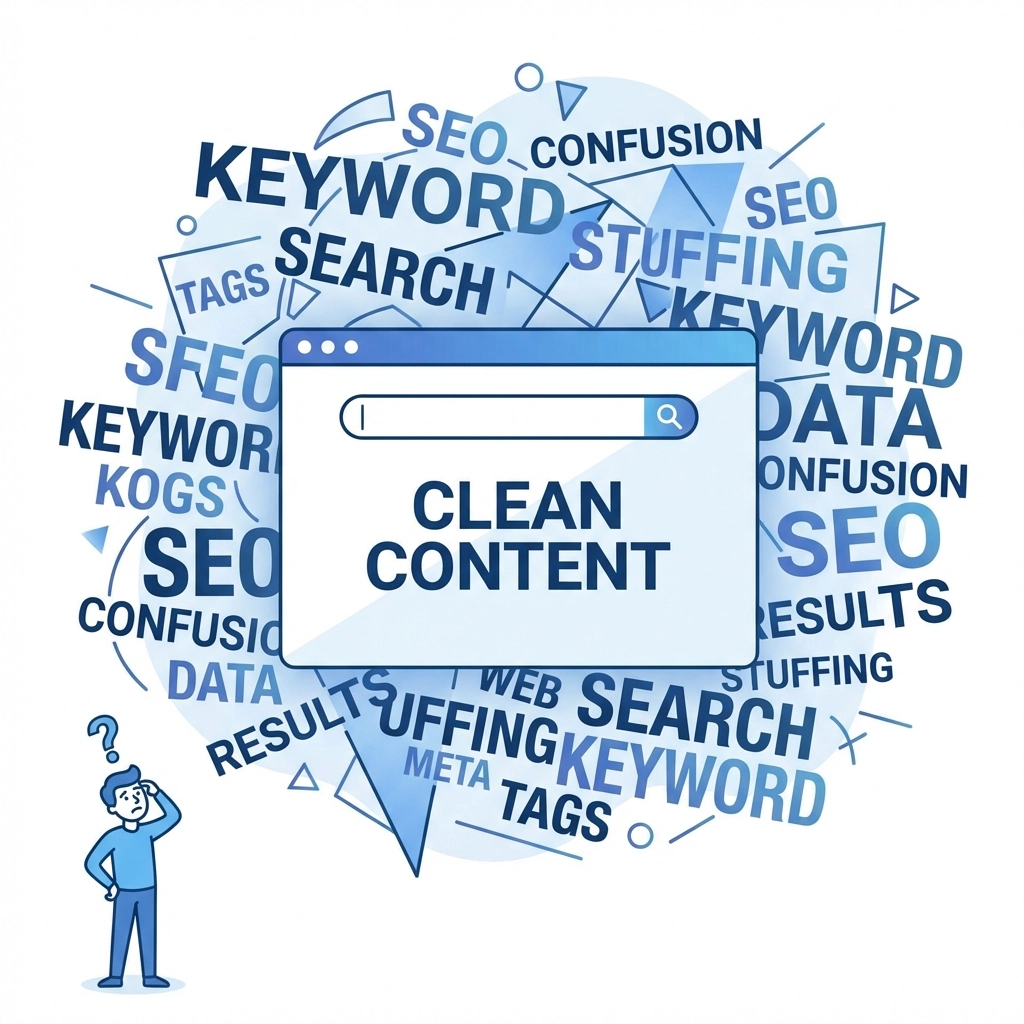
This one refuses to die. The idea that cramming your target keyword into every sentence, header, and image alt tag will boost your rankings is not just wrong: it's actively harmful
Search engines in 2026 are sophisticated. They understand context, synonyms, and user intent. When you stuff keywords unnaturally into your content, a few things happen:
- Your content becomes hard to read
- Visitors bounce because the experience is terrible
- Search engines flag your content as low-quality or spammy
Modern algorithms reward content that naturally addresses what users are searching for. Write for humans first. Use keywords strategically and sparingly
What to do instead: Focus on creating genuinely helpful content that answers your audience's questions. Your keywords should appear naturally: not forced into every paragraph
Myth #2: Keyword Density Is a Ranking Factor
Related to the stuffing myth, many site owners obsess over hitting a specific keyword density percentage. The thinking goes: if you mention your keyword in 3% of your content, you'll rank higher
This is fiction. Studies analyzing thousands of search results have found zero consistent correlation between keyword density and rankings. None
Search engines care about relevance and quality, not whether you hit some magic percentage. Chasing keyword density wastes your time and often makes your content worse
What to do instead: Write naturally. Cover your topic thoroughly. If your content genuinely addresses the subject, your keywords will appear organically at an appropriate frequency
Myth #3: SEO Is a One-Time Project
"We optimized our site two years ago, so we're good"
This mindset is surprisingly common: and it's a recipe for declining rankings. SEO is not a checkbox you tick once and forget about. It's an ongoing process
Search algorithms update constantly. Your competitors are publishing new content. User behavior shifts. Industry trends evolve. What worked last year might be irrelevant today
Treating SEO as a one-and-done project means your site gradually falls behind while competitors who invest in continuous optimization move ahead
What to do instead: Build SEO into your regular workflow. Review and update existing content. Monitor your rankings. Stay informed about algorithm changes. Think of SEO as maintenance, not a renovation
Myth #4: Technical SEO Doesn't Really Matter
Some business owners assume SEO is just about content and keywords. They ignore the technical foundation entirely
Big mistake. Technical SEO covers critical elements like:
- Site speed and performance
- Mobile responsiveness
- HTTPS security
- Proper site structure
- Structured data markup
These factors directly impact both user experience and how search engines crawl and index your site. A beautifully written blog post won't rank well if your site takes 8 seconds to load or breaks on mobile devices
What to do instead: Run regular technical audits. Test your site speed. Ensure every page works flawlessly on mobile. If technical optimization feels overwhelming, working with a web development team can help get your foundation solid

Myth #5: Meta Tags Are Obsolete
"Nobody looks at meta descriptions anymore"
Wrong. While meta tags work differently than they did a decade ago, title tags and meta descriptions remain significant. Your title tag is still a key ranking factor. Your meta description influences whether people actually click on your result
Ignoring these elements means leaving easy wins on the table. A compelling meta description can dramatically improve your click-through rate: even if you're not in the top position
What to do instead: Craft unique, relevant title tags for every page. Write meta descriptions that clearly communicate what visitors will find and encourage clicks. Treat these as mini-advertisements for your content
Myth #6: More Backlinks = Better Rankings
The old logic was simple: get as many websites linking to you as possible and watch your rankings climb
This hasn't been true for years. Quality crushes quantity when it comes to backlinks. One link from a respected, relevant website is worth more than 100 links from random directories or spammy sites
In fact, low-quality backlinks can actively hurt you. Search engines detect manipulative link schemes and penalize sites that participate in them. Buying cheap backlinks is one of the fastest ways to tank your rankings
What to do instead: Focus on earning links naturally through valuable content. Build relationships in your industry. Create resources people genuinely want to reference and share

Myth #7: SEO Is Only About Google
Google dominates search, no question. But limiting your SEO thinking to Google alone means missing significant opportunities
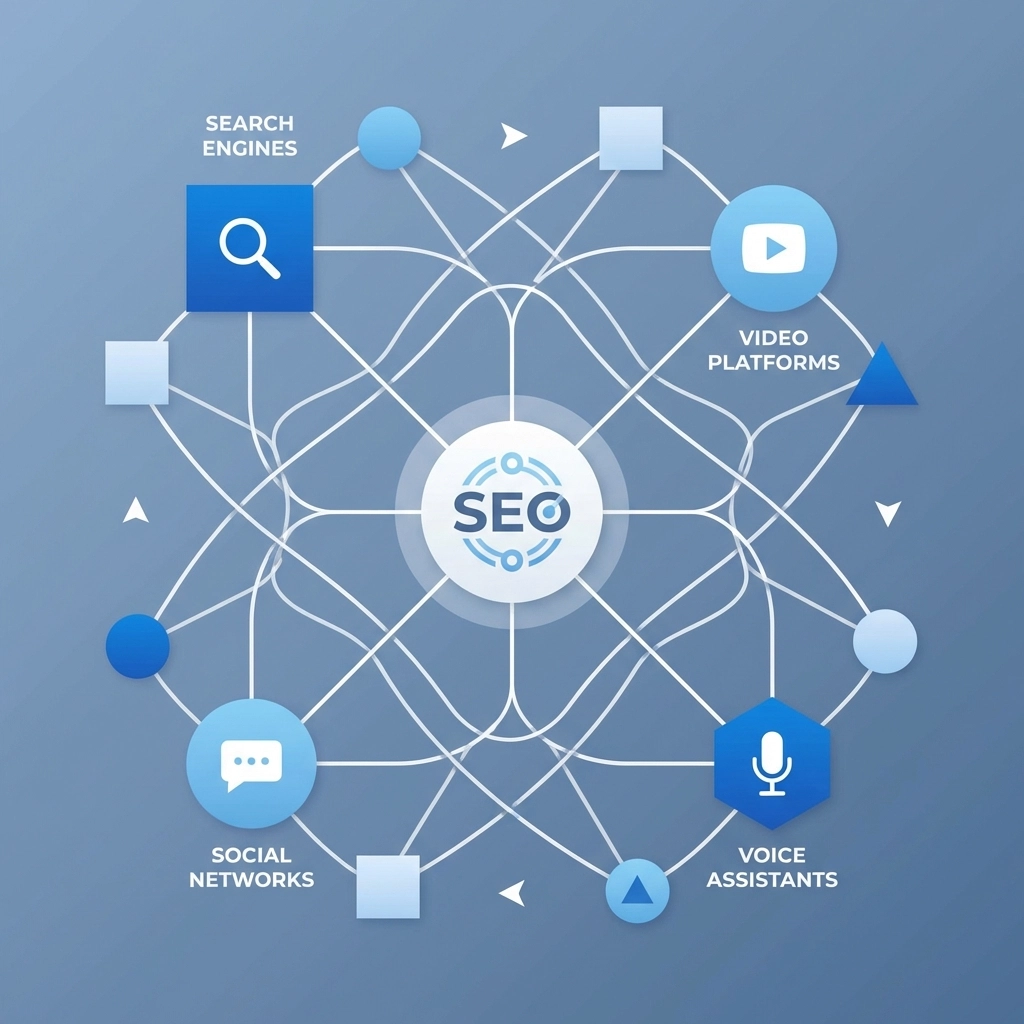
People search on YouTube, TikTok, LinkedIn, Bing, and voice assistants like Alexa and Siri. AI-powered search tools are growing rapidly. Each platform has its own optimization considerations
If your audience spends time on YouTube, your video titles and descriptions matter. If they use voice search, conversational keywords become important. SEO in 2026 is omnichannel
What to do instead: Think about where your audience actually searches. Optimize your presence across multiple platforms, not just your website's Google rankings
Myth #8: Longer Content Always Ranks Better
"Make it 3,000 words minimum"
This advice gets repeated constantly: and it's misleading. Search engines don't reward word count. They reward how well your content satisfies user intent
Sometimes that means a comprehensive 2,500-word guide. Sometimes it means a focused 600-word article that answers a specific question directly. If users find exactly what they need quickly, that's a win
Padding content with fluff to hit an arbitrary word count actually hurts you. It dilutes your message and frustrates readers who have to wade through filler to find the actual answer
What to do instead: Let the topic dictate the length. Cover what needs to be covered thoroughly: then stop. Value density matters more than raw word count
Myth #9: Social Media Directly Boosts Rankings
Social shares, likes, and followers feel like they should help your SEO. More engagement means more visibility, right?
Here's the reality: search engines have confirmed that social signals are not direct ranking factors. Your viral tweet won't directly improve where you appear in search results
That said, social media can indirectly support SEO. Content that gets shared reaches more people, which can lead to more backlinks and brand searches. But it's a secondary effect, not a direct ranking boost
What to do instead: Use social media for what it's good at: building audience and brand awareness. Don't expect it to be an SEO silver bullet
Myth #10: Someone Can Guarantee Page-One Rankings
If an agency promises you'll definitely rank on page one for your target keywords, run
No legitimate SEO professional can guarantee specific rankings. Search algorithms consider hundreds of factors. Competition varies wildly. Results take time and depend on countless variables outside anyone's control
Companies that make ranking guarantees typically use risky tactics that might show short-term results but lead to penalties down the road. The damage can take months or years to recover from
What to do instead: Work with professionals who set realistic expectations and focus on sustainable strategies. Good SEO is about consistent improvement, not magic tricks
Stop Letting Myths Hold You Back
SEO success in 2026 comes down to fundamentals: great content, solid technical foundation, quality over quantity, and continuous improvement
The myths we covered have one thing in common: they all promise shortcuts. Real SEO doesn't work that way. But the good news is that once you stop chasing outdated tactics, you can focus your energy on strategies that actually move the needle
Take an honest look at your current approach. If you spot any of these myths in action, now's the time to course-correct