

Let's cut through the noise. The cybersecurity industry loves to overcomplicate things, but here's what's actually happening: most cyberattacks succeed because of basic mistakes, not sophisticated hacking.
Security experts know this, but there's not much money in telling businesses to "just patch your systems and use better passwords." So instead, you get sold expensive solutions to problems that shouldn't exist in the first place.
Here's what they're not telling you.
You Don't Need to Be a Target to Get Hit
Think your small business isn't important enough for hackers to care about? Wrong.
Cybercriminals use automated tools that scan the internet looking for vulnerable systems. They don't care if you're a Fortune 500 company or a local shop. They're looking for easy targets with weak security.

Modern attacks require almost no technical skill anymore. Tools like automated password crackers and AI-powered phishing generators mean anyone can launch sophisticated attacks. The barrier to entry is basically gone.
Your business size doesn't matter. Your security does.
Ransomware Is Getting Worse (And Smarter)
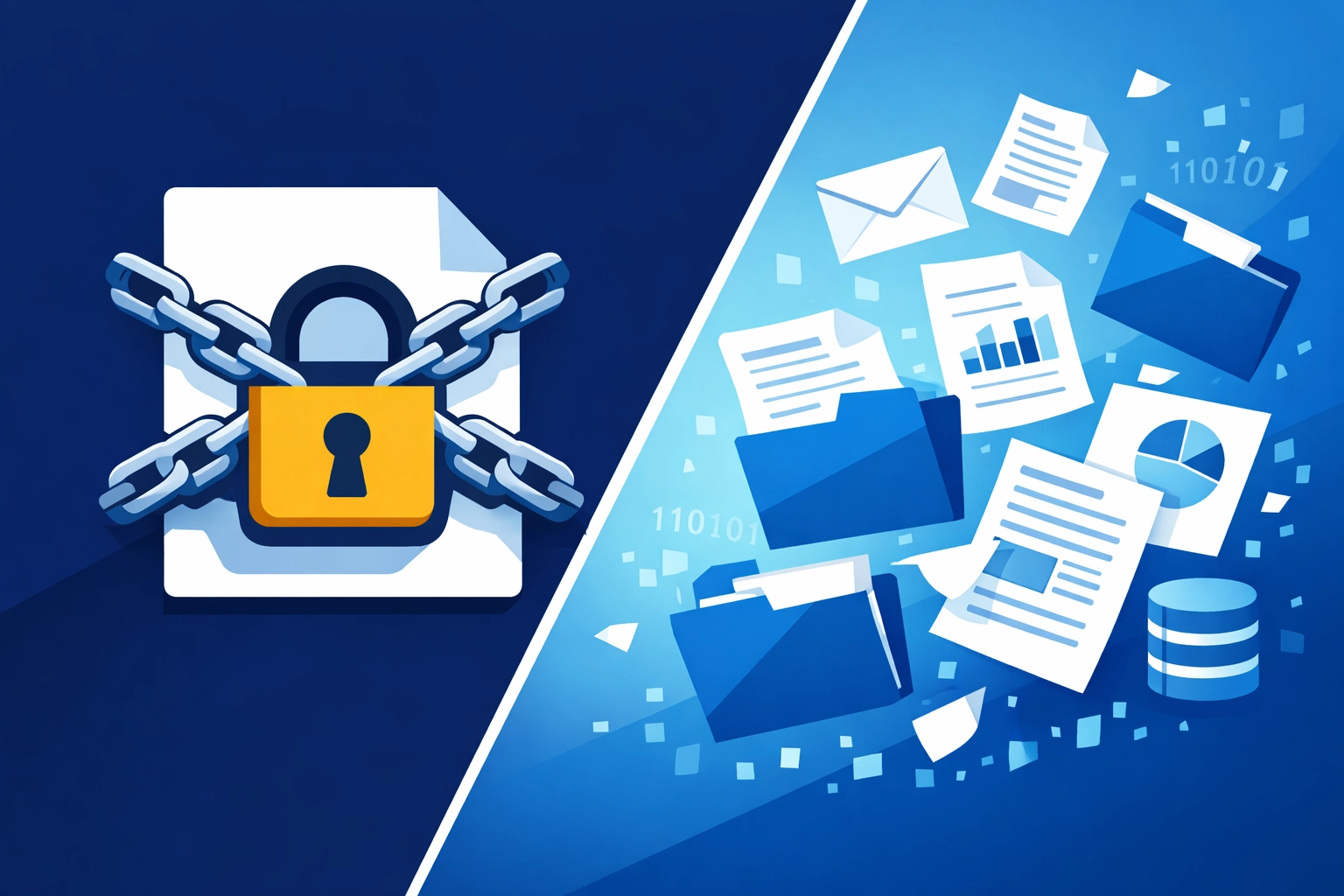
Here's the new playbook: hackers break in, steal your data, encrypt your systems, then threaten to release everything publicly if you don't pay up. It's called double extortion.
One ransomware group collected over $25 million in six months using this method. They exposed data from 567 companies who refused to pay.
Even if you have backups and can restore your systems, they still have your customer data, financial records, and trade secrets. Pay the ransom or watch your reputation get destroyed online.
That's the choice they're giving businesses.
The worst part? Most companies don't even know they've been compromised until it's too late. Attackers sit inside networks for weeks or months, copying everything valuable before they flip the switch.
Basic Security Hygiene Is Still Broken
Security experts won't say this publicly, but most breaches happen because of preventable mistakes:
- Websites aren't patched
- Software updates get ignored
- Monitoring systems don't exist or aren't checked
- Passwords are weak and reused everywhere
- Employee training is nonexistent
Attackers exploit known vulnerabilities in common software that's been patchable for months or years. They're not using zero-day exploits or advanced techniques. They're just walking through unlocked doors.
If you're running a business and haven't updated your systems in the last month, you're probably vulnerable right now.
AI Is Making Everything Easier for Attackers
Forget what you think you know about spotting phishing emails. AI-generated attacks are getting scary good.
Deepfakes can mimic your CEO's voice on a phone call requesting a wire transfer. AI writes phishing emails with perfect grammar and context. Automated tools can crack passwords faster than ever.

The old advice about "looking for spelling mistakes" or "checking the sender's email address" doesn't work anymore. These attacks look completely legitimate.
And here's the kicker: while AI makes attacking easier, most businesses aren't using AI to defend themselves. The playing field is tilted.
Your Team Probably Doesn't Know What They Don't Know
Even if you have IT staff, there are probably massive gaps in their security knowledge. That's normal. The field moves fast and nobody can know everything.
But here's what security experts understand: effective cybersecurity isn't about one person knowing everything. It's about teams working together and sharing knowledge.
Experienced staff need to train less experienced staff. Everyone needs to stay current on threats. And you need outside expertise to fill the gaps.
Trying to handle everything in-house usually means critical vulnerabilities get missed.
The Biggest Threats Coming in 2025
Security researchers are tracking several major threat trends:
Phishing is evolving. Attacks are more targeted, more convincing, and harder to detect. They're using information scraped from social media to personalize messages.
Deepfakes are going mainstream. Video and audio fakes are getting good enough to fool most people. Verify everything through secondary channels.
AI-powered attacks will scale. One person can now launch thousands of customized attacks simultaneously. Volume is about to explode.
Supply chain compromises. Attackers target your vendors to get to you. Your security is only as strong as your weakest business partner.

What You Actually Need to Do
Stop overthinking this. Here's your action plan:
Patch everything. Update all software and systems monthly at minimum. This alone prevents most attacks.
Use strong passwords. Different password for every account. Use a password manager. Enable two-factor authentication everywhere possible.
Train your team. Monthly security awareness training. Make it ongoing, not a one-time thing.
Monitor your systems. You need to know when something unusual happens. Real-time monitoring catches attacks early.
Have a response plan. When (not if) something happens, everyone needs to know their role.
Get professional help. Managed IT support means experts monitor your systems 24/7 and handle security updates before they become problems.
The Real Secret
Here's what experts know but rarely say out loud: perfect security doesn't exist. You can't prevent every attack.
But you can make yourself a harder target than the next business. Attackers take the path of least resistance. If your security is decent, they'll move on to easier victims.
Most cybersecurity advice makes this too complicated. You don't need enterprise-level solutions. You need to consistently do the basics well.
Patch your systems. Use strong passwords. Train your people. Monitor your network. Have a backup plan.
Do those things right and you're already ahead of 80% of businesses out there.
Getting Started
Not sure where your vulnerabilities are? A security assessment shows you exactly what needs fixing and prioritizes the work.
Our team can evaluate your current setup, identify gaps, and build a practical security plan that fits your budget. No fear-mongering, no overselling. Just honest assessment and actionable recommendations.
Check out our cybersecurity services or get in touch to schedule a consultation.
Your business deserves better than "hope nothing bad happens." Let's build something that actually works.