
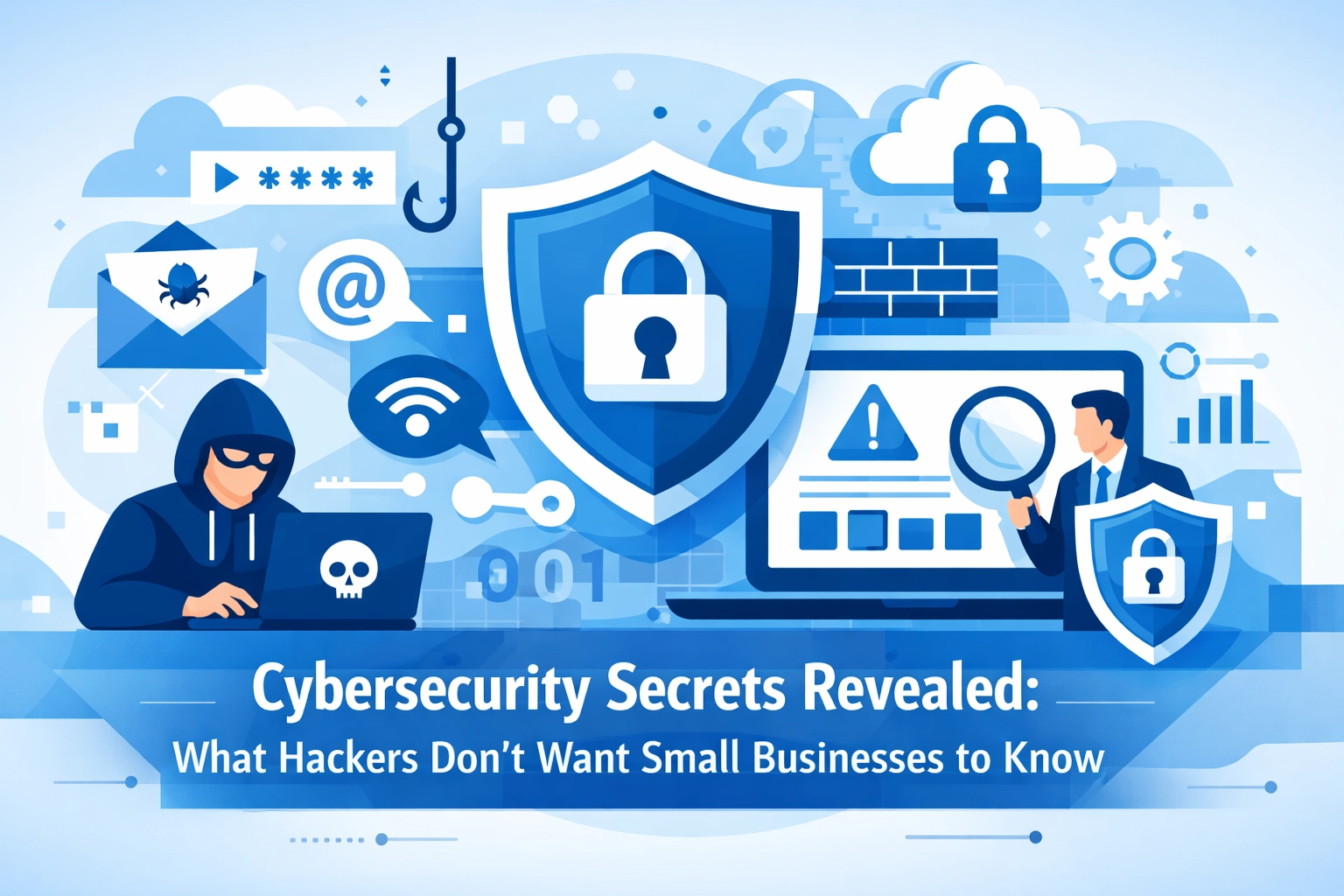

Think hackers only target Fortune 500 companies? That's exactly what they want you to believe.
The truth is, small businesses are getting hammered by cyberattacks every single day. You're actually a bigger target than large corporations because hackers know you probably don't have a dedicated security team or enterprise-level defenses. You're the low-hanging fruit.
Let's talk about what cybercriminals don't want you to know, and more importantly, what you can do about it right now.
Your Business Is Definitely On Their Radar
Here's the uncomfortable reality: your business size doesn't matter to hackers. They use automated tools that scan thousands of networks simultaneously, looking for easy targets. When they find weak spots, they strike.
You might think you're too small to matter, but that mindset leaves you vulnerable. Hackers aren't manually choosing targets based on company size anymore. They're casting wide nets and attacking whoever gets caught.
Secret #1: Your Passwords Are Embarrassingly Easy to Crack
Hackers love weak passwords. Like, really love them.
Default passwords, "Password123," reusing the same password across multiple accounts, these are gifts to cybercriminals. They use automated tools that can crack simple passwords in minutes, sometimes seconds.
The real kicker? Once they compromise one account, they often gain access to your entire network. One weak password is all it takes.
What you need to do: Implement a password policy that requires complex combinations and change them regularly. Better yet, use a password manager so your team doesn't have to remember 47 different complicated passwords.
And here's the big one: enable multifactor authentication (MFA) everywhere possible. Even if someone cracks your password, they still can't get in without that second verification step. This one change blocks the vast majority of automated attacks.
Secret #2: Those Software Updates Aren't Annoying, They're Critical
You know those update notifications you keep dismissing? Hackers are counting on you ignoring those.
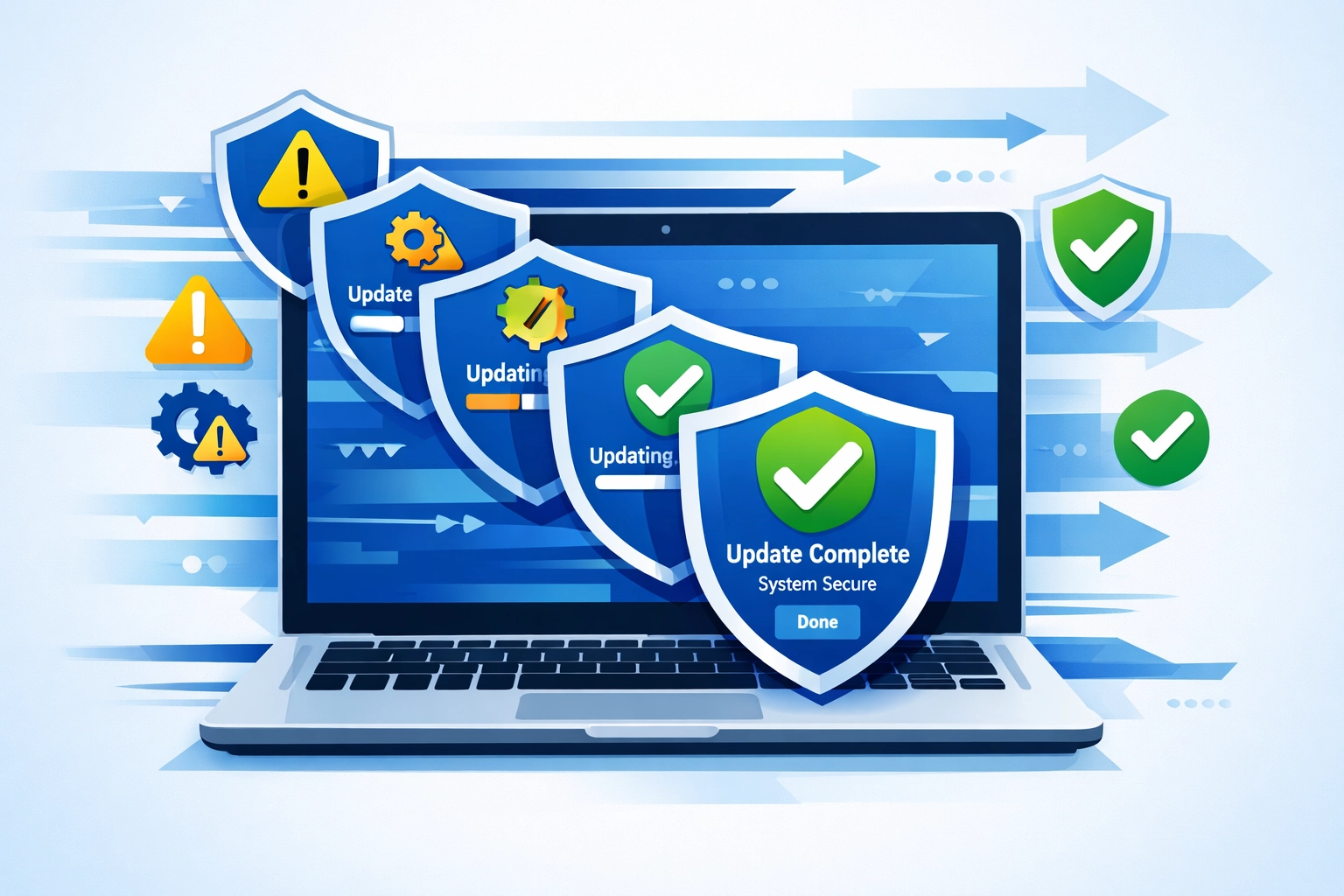
Every software update includes patches for security vulnerabilities. When you skip updates, you're basically leaving your doors and windows wide open. Cybercriminals actively scan for outdated systems because they know exactly which vulnerabilities to exploit.
Smaller businesses often assume they can delay updates without consequence. This assumption costs them everything when an attack happens.
What you need to do: Stop treating software updates as optional. Set up automatic updates wherever possible. Create a patch management schedule for systems that require manual updates. Yes, updates can be inconvenient, but data breaches are way more inconvenient.
Secret #3: Without Proper Backups, You're One Ransomware Attack Away From Closing
Here's a sobering stat: up to 75% of small businesses can't continue operating after a ransomware attack. Hackers specifically target businesses without proper backup strategies.
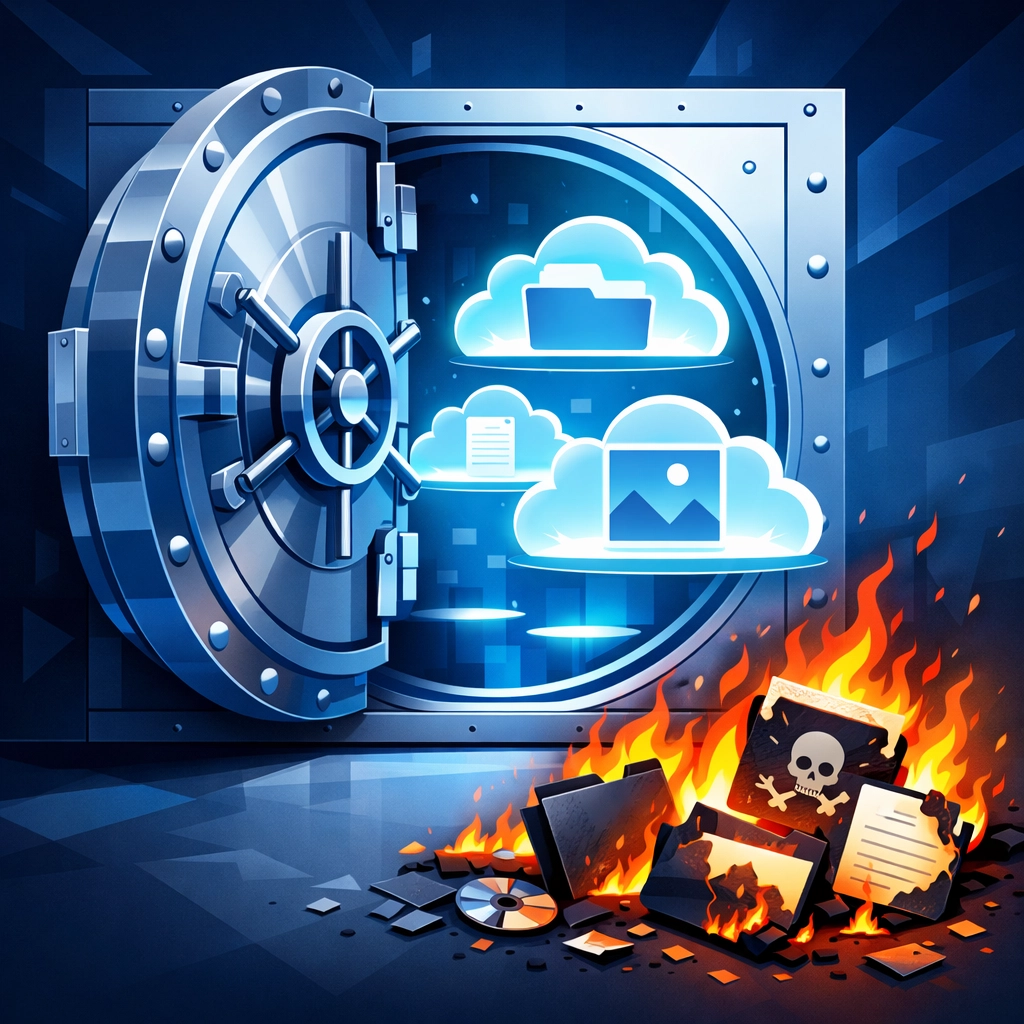
The attack works like this: they encrypt all your files, then demand payment to unlock them. No backups? You're either paying the ransom or losing everything. And even if you pay, there's no guarantee you'll get your data back.
Local-only backups aren't enough either. Attackers encrypt those too during the attack. You need offsite or cloud-based backups that are isolated from your main network.
What you need to do: Implement the 3-2-1 backup rule. Keep three copies of your data on two different types of media, with one copy stored offsite. Test your backups regularly to make sure they actually work when you need them.
If managing backups sounds overwhelming, managed IT support services can handle this automatically so you never have to worry about it.
Secret #4: Your Employees Are Your Biggest Vulnerability
This isn't about blame: it's about reality. Human error causes a massive percentage of data breaches.
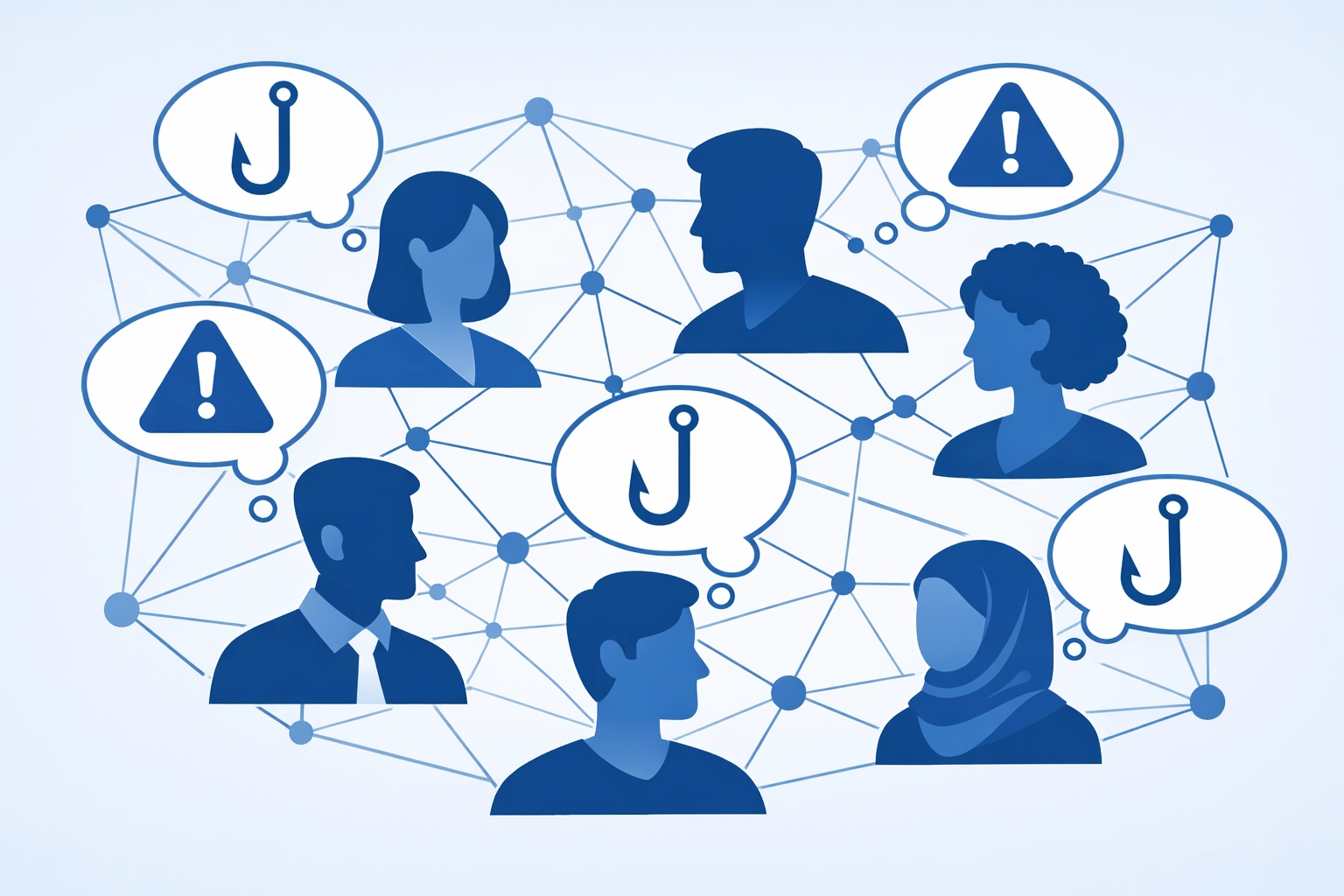
Employees click phishing links, download infected attachments, or fall for social engineering scams without realizing what's happening. One innocent mistake opens the door for attackers to walk right in.
The problem isn't that your team is careless. The problem is they haven't been trained to recognize threats that are getting increasingly sophisticated.
What you need to do: Regular cybersecurity training isn't optional anymore. Your team needs to know what phishing emails look like, how to verify suspicious requests, and what to do if they think they've made a mistake.
Make it easy for employees to report potential threats without fear of punishment. Creating a security-conscious culture means everyone feels responsible for protecting the business.
Secret #5: Remote Work Opened Massive Security Gaps
Home networks don't have enterprise-grade security. Personal devices might not get regular updates. Employees working from coffee shops on public WiFi are exposing your business data to anyone with basic hacking tools.
Each remote device represents a potential entry point for cyberattacks. Without centralized endpoint protection, you're essentially trusting dozens of different networks and devices to keep your business safe.
What you need to do: Deploy comprehensive endpoint protection on every device that accesses your business systems. Use VPNs for remote connections. Establish clear policies about which devices can access company data and under what circumstances.
Don't let employees use personal devices for work unless they meet specific security requirements. This sounds strict, but one compromised personal laptop can tank your entire operation.
The Bottom Line: Prevention Is Way Cheaper Than Recovery
Data breaches cost small businesses an average of $200,000. Many never recover financially.
The good news? Implementing basic cybersecurity measures dramatically reduces your risk. You don't need a massive budget or a dedicated security team to protect your business adequately.
Strong password policies with MFA, regular software updates, reliable backups, employee training, and endpoint protection aren't nice-to-haves anymore. They're essential defenses against increasingly sophisticated attacks.
Take Action Today
Start with the easiest wins. Enable MFA on all business accounts today. Set up automatic backups this week. Schedule cybersecurity training for next month.
You don't have to implement everything at once, but you do need to start. Hackers aren't waiting for you to get around to security eventually.
If you're not sure where to begin or need help building a comprehensive security strategy, our cybersecurity services can assess your current vulnerabilities and create a practical action plan based on your specific needs and budget.
Your business is worth protecting. The secrets are out now: you know what hackers don't want you to know. The question is: what are you going to do about it?
Get started with a security assessment and stop being an easy target.