

Most small business owners believe they're too small to be targeted by cybercriminals. This misconception costs companies millions of dollars every year. The reality is far more alarming: one in three small and medium-sized businesses experienced a cyberattack in the past year, with breach costs reaching as high as $7 million.
The problem isn't just the attacks themselves: it's what business owners don't know about their vulnerabilities. Let's examine the hidden cybersecurity risks that could be putting your business at risk right now.
You're Not Too Small to Be Targeted
Here's a secret that cybercriminals don't want you to know: they're not specifically choosing your business by name. Modern attack tools continuously scan the entire internet, identifying vulnerable systems automatically regardless of company size.
Your business gets scanned over 4,000 times daily. Malicious scans increased 300% in 2025 alone. These automated systems don't care if you're a Fortune 500 company or a small business with ten employees. They're simply looking for weaknesses.

The statistics tell a concerning story. Forty-two percent of small businesses suffered a security breach in the past year. Yet only 7% of small and mid-size organizations say their cybersecurity budget is adequate. This resource gap creates a dangerous cycle where businesses can't afford proper protection until after they've experienced a costly breach.
The Supply Chain Backdoor
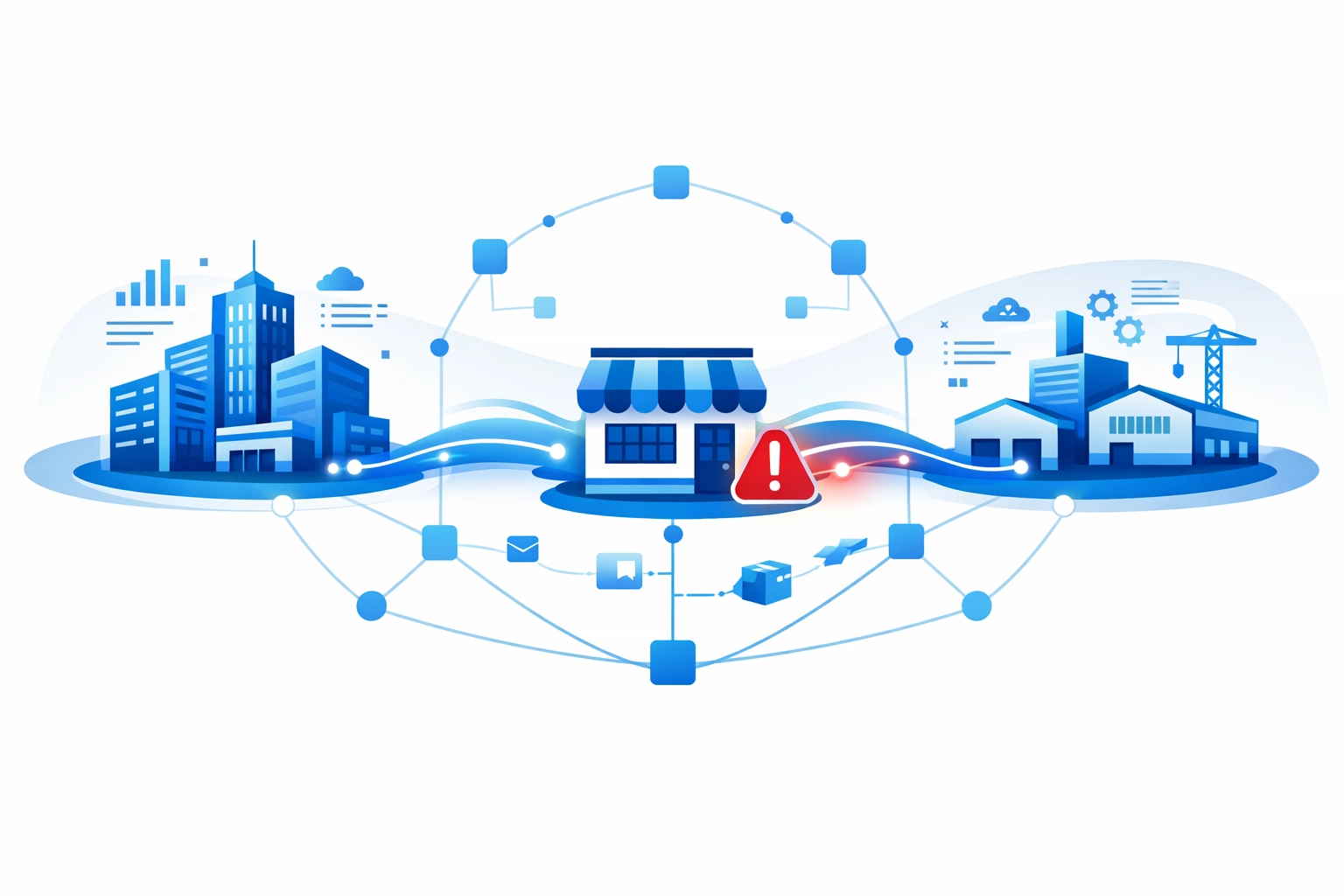
Small businesses often serve as suppliers, contractors, or service providers to larger organizations. Cybercriminals have figured this out. They target small businesses not for the value they hold, but as entry points to bigger targets with more resources.
When you connect to a client's systems, share files through cloud services, or access their networks for legitimate business purposes, you create a potential pathway. If your security is weak, attackers can use your credentials and access to breach your clients. This makes you a liability, not just to yourself, but to everyone you do business with.
The interconnected nature of modern business means your cybersecurity posture directly affects your relationships and reputation.
Your Growing Attack Surface
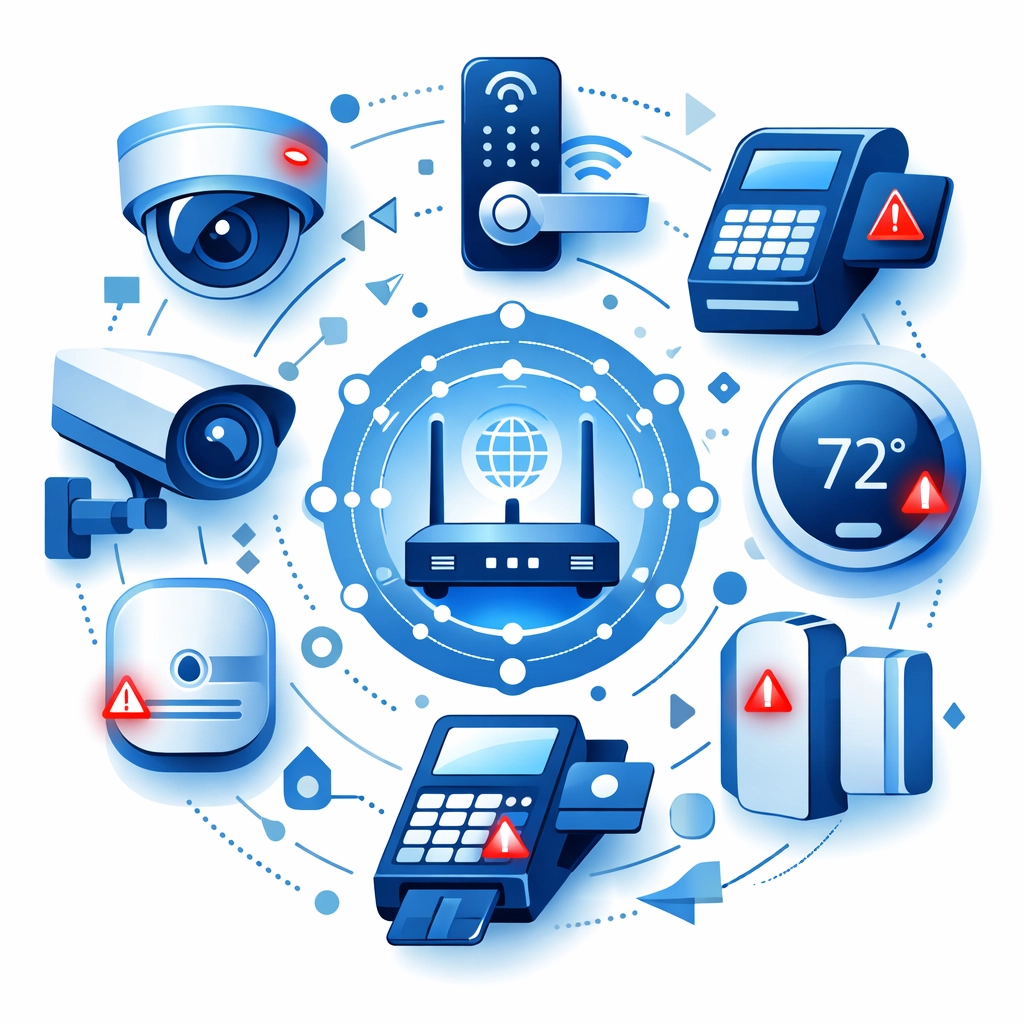
Every device you connect to your network creates another potential entry point. Payment terminals, security cameras, smart thermostats, sensors, and building management systems all expand your attack surface.
Most small businesses don't have systematic monitoring for these endpoints. They install devices, connect them to the network, and forget about them. Meanwhile, these devices often run outdated software with known vulnerabilities that automated scanning tools can easily identify and exploit.
Consider how many connected devices your business relies on daily. Now consider how many of those devices have been updated in the past six months. The gap between those two numbers represents your vulnerability.
The Security Practices You're Probably Skipping
Research reveals alarming gaps in basic security practices among small businesses:
Encryption: Only 17% of small businesses encrypt their data. This means if someone gains access to your systems or physical devices, they can read everything without any additional barriers.
Multi-Factor Authentication: Just 20% have implemented multi-factor authentication. This single security measure could prevent 80% of all hacking incidents that involve compromised credentials or passwords.
Password Security: Weak passwords remain the easiest way into most systems. With AI-powered tools testing thousands of password combinations per second, simple passwords provide virtually no protection.
Consumer-Grade Solutions: One-third of small businesses with 50 or fewer employees rely on free, consumer-grade security solutions. These tools lack the features and monitoring capabilities needed for business protection.
Perhaps most concerning: 27% of small businesses with no cybersecurity protections still collect customer credit card information. This combination creates serious liability for both the business and its customers.
The Threats You Haven't Prepared For
Cybersecurity threats evolve constantly. Several emerging attack categories specifically target small businesses:
Ransomware: Attacks on smaller businesses doubled between 2024 and 2025. Ransomware accounts for 88% of breaches at small and medium-sized businesses, compared to just 39% for larger organizations. Attackers view small businesses as attractive targets because of limited security budgets and higher likelihood of paying ransoms quickly to restore operations.
AI-Powered Attacks: Criminals now use artificial intelligence for deepfakes, voice impersonation, and sophisticated phishing campaigns. These attacks are harder to detect and more convincing than traditional methods.
Cloud Misconfigurations: As businesses move to cloud services, misconfigured storage and overly broad user permissions become leading causes of data exposure. Automated tools continuously scan for these mistakes.
Business Email Compromise: The FBI consistently identifies business email compromise as one of the most financially damaging cyber threats. These attacks target wire transfers, payroll systems, and vendor payments through sophisticated email impersonation.
The Real Cost of a Breach
When small business owners think about cyberattack costs, they usually focus on the immediate technical recovery expenses. The actual financial impact extends much further.
Ninety-five percent of cybersecurity incidents at small and medium-sized businesses cost between $826 and $653,587. Beyond direct recovery costs, businesses face:
- Lost revenue during downtime
- Regulatory fines and compliance costs
- Mandatory technology upgrades
- Legal fees and notification expenses
- Increased insurance premiums
- Customer compensation
The reputational damage often proves most costly. Fifty-five percent of people would be less likely to continue doing business with a company after a breach. Your customers expect you to protect their information. A breach erodes trust that took years to build.
The Expertise Gap
Most small businesses don't have dedicated IT staff, let alone security specialists. Business owners or office managers handle technology alongside their other responsibilities. This expertise gap compounds vulnerability across every layer of defense.
You're expected to understand firewalls, encryption, access controls, patch management, backup procedures, and incident response while also running your actual business. This isn't realistic or sustainable.
Managed IT support provides access to security expertise without the cost of full-time specialized staff. Professional monitoring catches threats before they become breaches.
What You Can Do Today
Start with these fundamental steps:
Enable multi-factor authentication on all business accounts and require it for employees. This single change prevents the majority of credential-based attacks.
Implement regular backup procedures with offline or cloud-based storage. Test your backups monthly to ensure they work when needed.
Update all software and devices systematically. Enable automatic updates where possible. Outdated software contains known vulnerabilities that attackers actively exploit.
Train employees on recognizing phishing attempts and social engineering tactics. Most breaches start with human error, not technical failures.
Conduct a security assessment to identify your specific vulnerabilities and prioritize improvements based on your risk profile.
Moving Forward
Cybersecurity isn't optional anymore. It's a fundamental business requirement like insurance or accounting. The question isn't whether you can afford proper security: it's whether you can afford not to have it.
Small businesses face the same sophisticated threats as large enterprises but with fewer resources to defend against them. This doesn't mean you're helpless. It means you need to be strategic about where you invest your security resources and when you need professional expertise.
The businesses that succeed are those that treat cybersecurity as an ongoing practice, not a one-time project. They build security into their operations from the start and maintain vigilance as threats evolve.
Your competitors are making these investments. Your clients expect this level of protection. The criminals are already scanning your systems. The only question is whether you'll address your vulnerabilities before or after an incident.
Need help evaluating your current security posture? Get started with a comprehensive assessment to identify gaps and build a practical security roadmap for your business.