
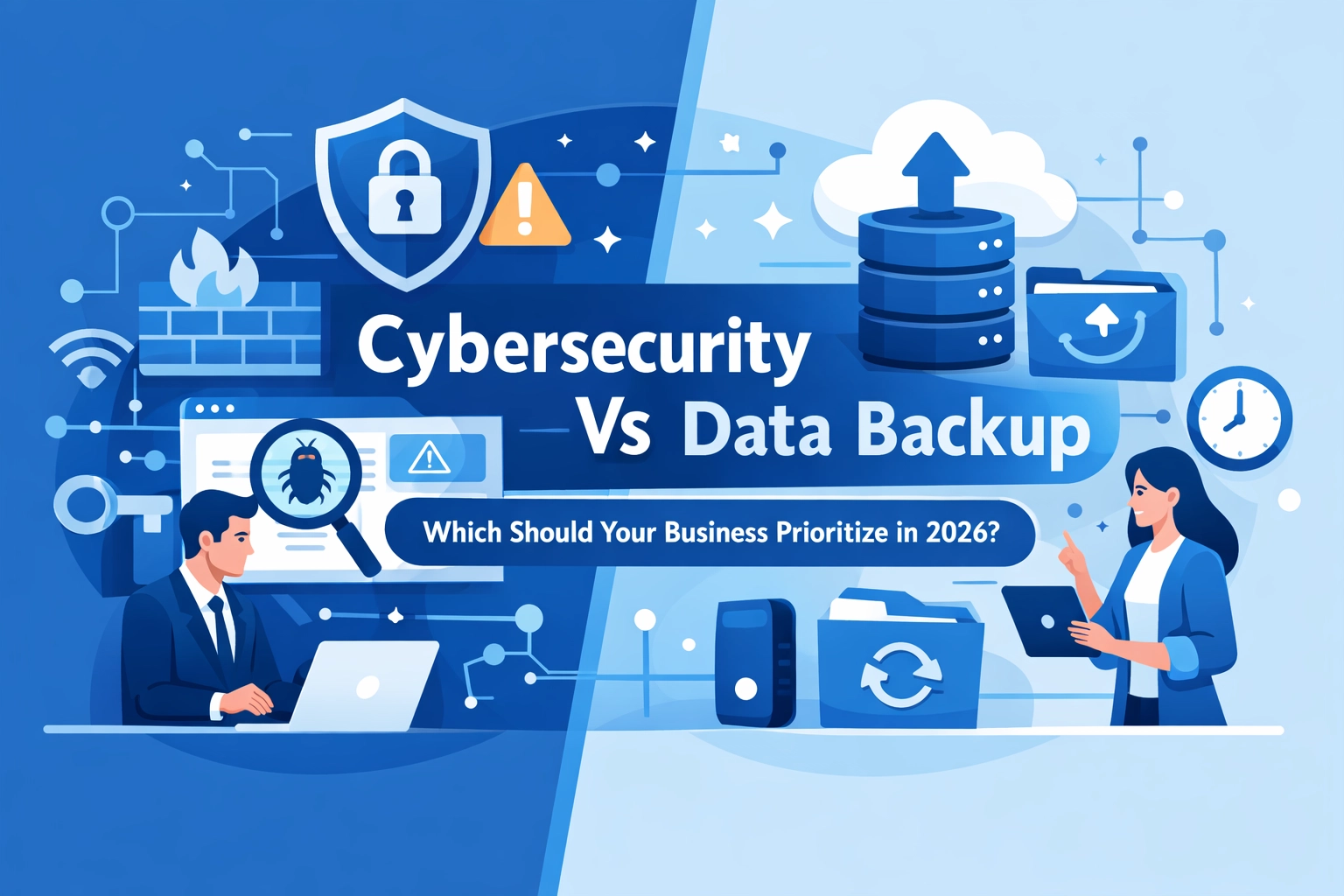

Here's the thing: asking whether your business should prioritize cybersecurity or data backup is like asking whether your car needs an engine or wheels. You need both. They're not competing priorities: they're two sides of the same coin.
The real question isn't which one to choose. It's how to implement both effectively so your business stays protected and recoverable no matter what happens.
Why the "Either/Or" Mindset Is Dangerous
Many business owners approach cybersecurity and data backup as budget line items fighting for the same resources. When money gets tight, they pick one and hope for the best.
This creates a critical vulnerability. Strong cybersecurity without backup leaves you exposed to the inevitable breach or system failure. Robust backup without security is like locking your front door but leaving all the windows open: your backup systems themselves become targets.
The reality in 2026 is that threats are more sophisticated and frequent than ever. Your business needs a defense strategy that prevents attacks AND ensures you can recover when something slips through.
What Cybersecurity Actually Does
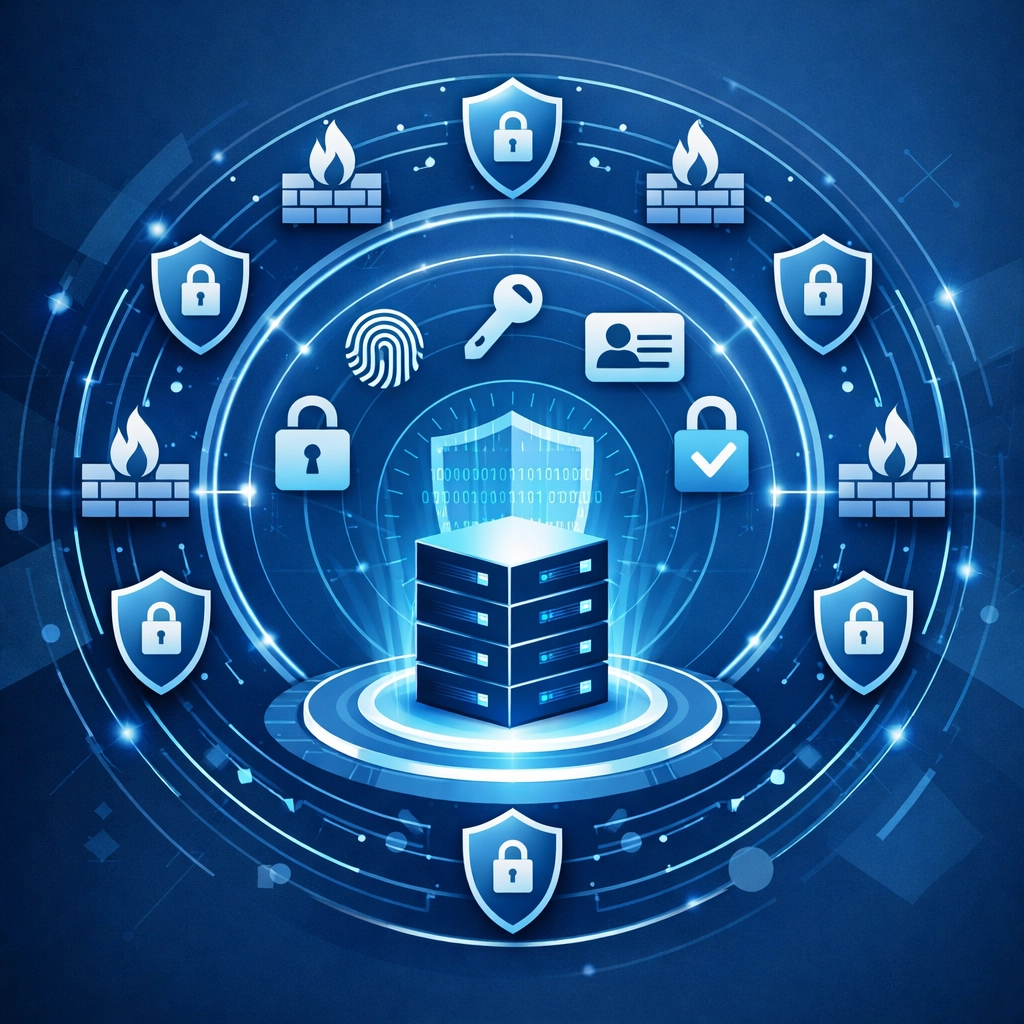
Cybersecurity is your first line of defense. It actively works to prevent unauthorized access, data breaches, ransomware attacks, phishing attempts, and other threats from ever reaching your systems.
Think of it as the security system for your digital assets. It includes:
- Firewalls that monitor and filter incoming network traffic
- Antivirus and anti-malware software that detects and removes threats
- Multi-factor authentication that verifies user identities
- Employee training that reduces human error and social engineering risks
- Regular security patches and updates that close known vulnerabilities
A solid cybersecurity strategy stops most threats before they cause damage. It reduces your attack surface and makes your business a harder target for cybercriminals.
But here's the catch: no security system is 100% impenetrable. Hackers are constantly developing new attack methods. Zero-day exploits target vulnerabilities that even software developers don't know exist yet. And sometimes the weakest link is simply a distracted employee clicking the wrong email attachment.
What Data Backup Actually Does
Data backup is your safety net. When something goes wrong: and eventually something will: backup systems ensure you can recover your critical business data and get back to operations quickly.
Backup protects against multiple scenarios:
- Ransomware attacks that encrypt your files and demand payment
- Hardware failures when servers, hard drives, or storage systems crash
- Human error like accidental deletions or overwritten files
- Natural disasters including fires, floods, or power surges
- Software corruption that renders files unusable
Modern backup solutions have evolved beyond simple file copies. Continuous Data Protection (CDP) creates recovery points throughout the day, ensuring you lose minimal data even if an attack happens mid-afternoon. Immutable backups create versions that cannot be altered or deleted: even by ransomware: giving you a clean restore point no matter what.
The financial impact of not having reliable backup is severe. Small and mid-sized businesses lose an average of $427 per minute during downtime. Some incidents result in annual losses exceeding $1 million. For many businesses, losing critical data means losing customers, revenue, and reputation permanently.
How They Work Together
The most effective approach treats cybersecurity and data backup as integrated components of a comprehensive protection strategy.
Here's how they complement each other:
Cybersecurity reduces the frequency of incidents requiring backup recovery. Fewer successful attacks mean fewer restoration events, less downtime, and lower overall business disruption.
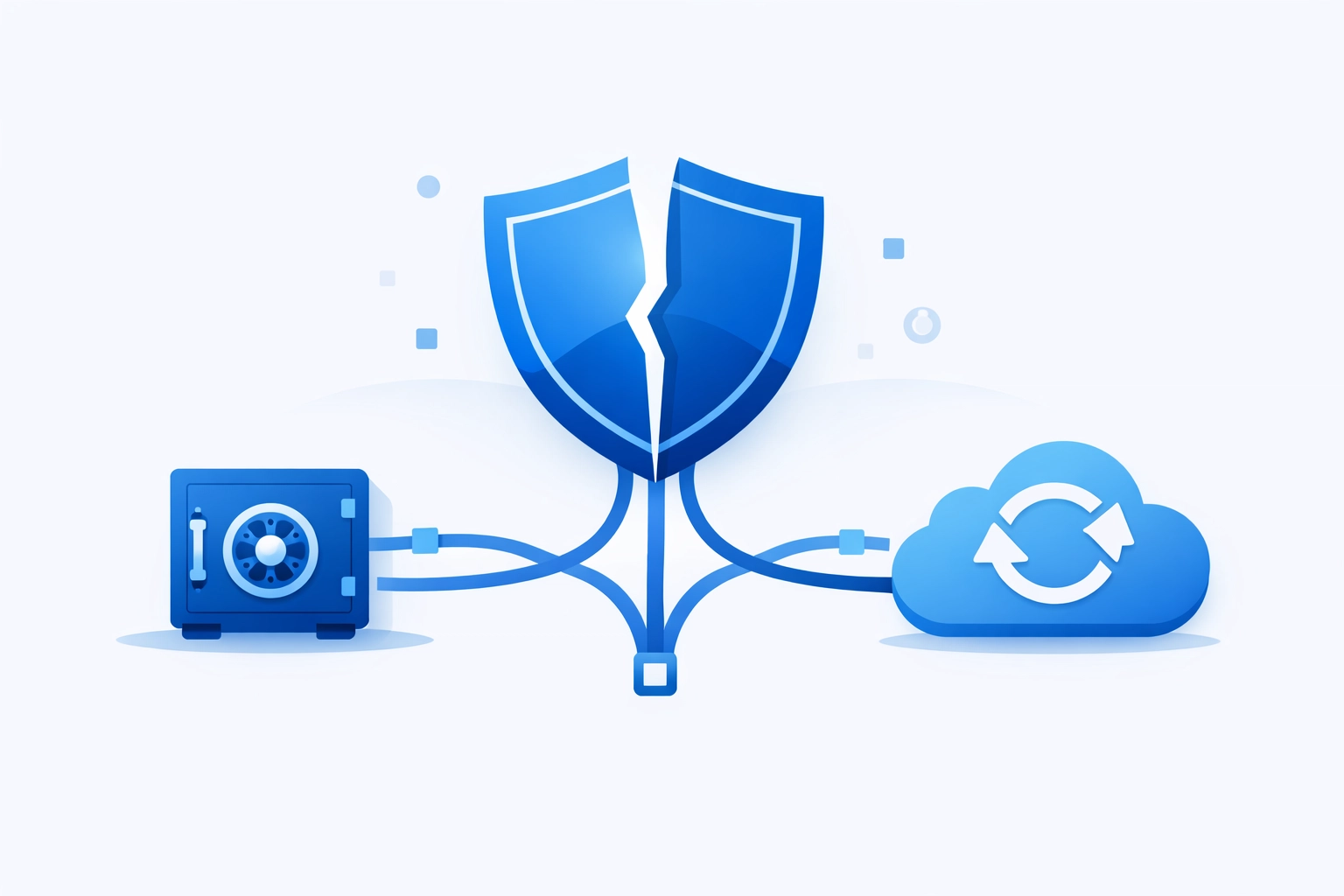
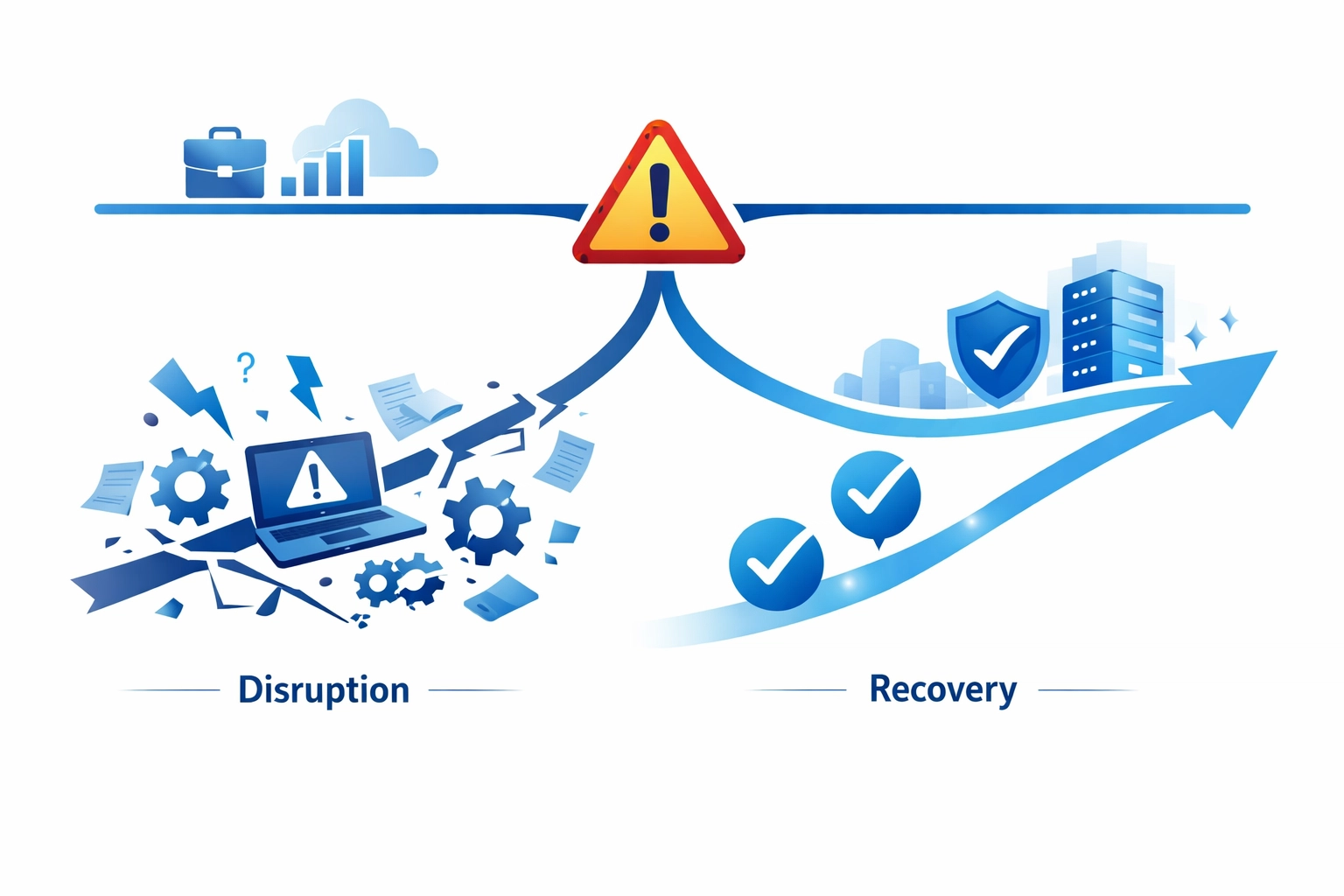
Backup mitigates the damage when security measures fail. Even with strong cybersecurity, you'll eventually face situations requiring data recovery. Backup ensures those situations don't become catastrophic.
Modern backup systems incorporate security features. The best backup solutions now include:
- AES-256 encryption for data at rest and in transit
- Multi-factor authentication protecting access to backup systems
- Immutable backup copies that ransomware can't touch
- Air-gapped or offline backups isolated from network threats
- Regular security audits identifying backup system vulnerabilities
This integration means your backup infrastructure doesn't just store data: it actively participates in your overall security posture.
Building an Integrated Strategy
Instead of choosing between cybersecurity and data backup, focus on building a layered defense that includes both.
Start with these foundational elements:
1. Implement core cybersecurity measures. This includes updated antivirus software, firewalls, email filtering, and multi-factor authentication across all business systems. Don't skip employee training: human error remains a top vulnerability.
2. Establish a 3-2-1-1 backup rule. Keep three copies of your data, on two different media types, with one copy stored offsite, and one copy that's immutable or air-gapped. This ensures you have clean recovery options even during sophisticated attacks.
3. Test both regularly. Run penetration tests and security audits to identify cybersecurity gaps. Test backup restorations monthly to confirm they actually work when you need them. Many businesses discover their backups are corrupted or incomplete only after a real disaster strikes.
4. Create an incident response plan. Document exactly what happens when you detect a security breach or need to recover from backup. Who gets notified? What systems get isolated? How long will recovery take? Having this plan before you need it reduces chaos and recovery time.
5. Monitor continuously. Use security information and event management (SIEM) tools to detect unusual activity. Monitor backup completion rates and storage capacity. Problems caught early are easier and cheaper to fix.
The Real Cost of Incomplete Protection
Businesses that prioritize one protection method over the other face predictable consequences.
Security without backup means a single successful ransomware attack or hardware failure can destroy years of business data. You might prevent 99% of attacks, but that 1% that gets through becomes catastrophic.
Backup without security means you're constantly recovering from preventable incidents. Your backup systems become prime targets for attackers who know they contain complete copies of your valuable data. Recovery costs pile up from frequent restorations.
Neither protection is obviously the worst scenario, yet many small businesses operate this way due to budget constraints or lack of awareness. They're one incident away from permanent closure.
The investment in both cybersecurity and backup is not optional overhead: it's fundamental infrastructure for any business operating in 2026.
Taking Action
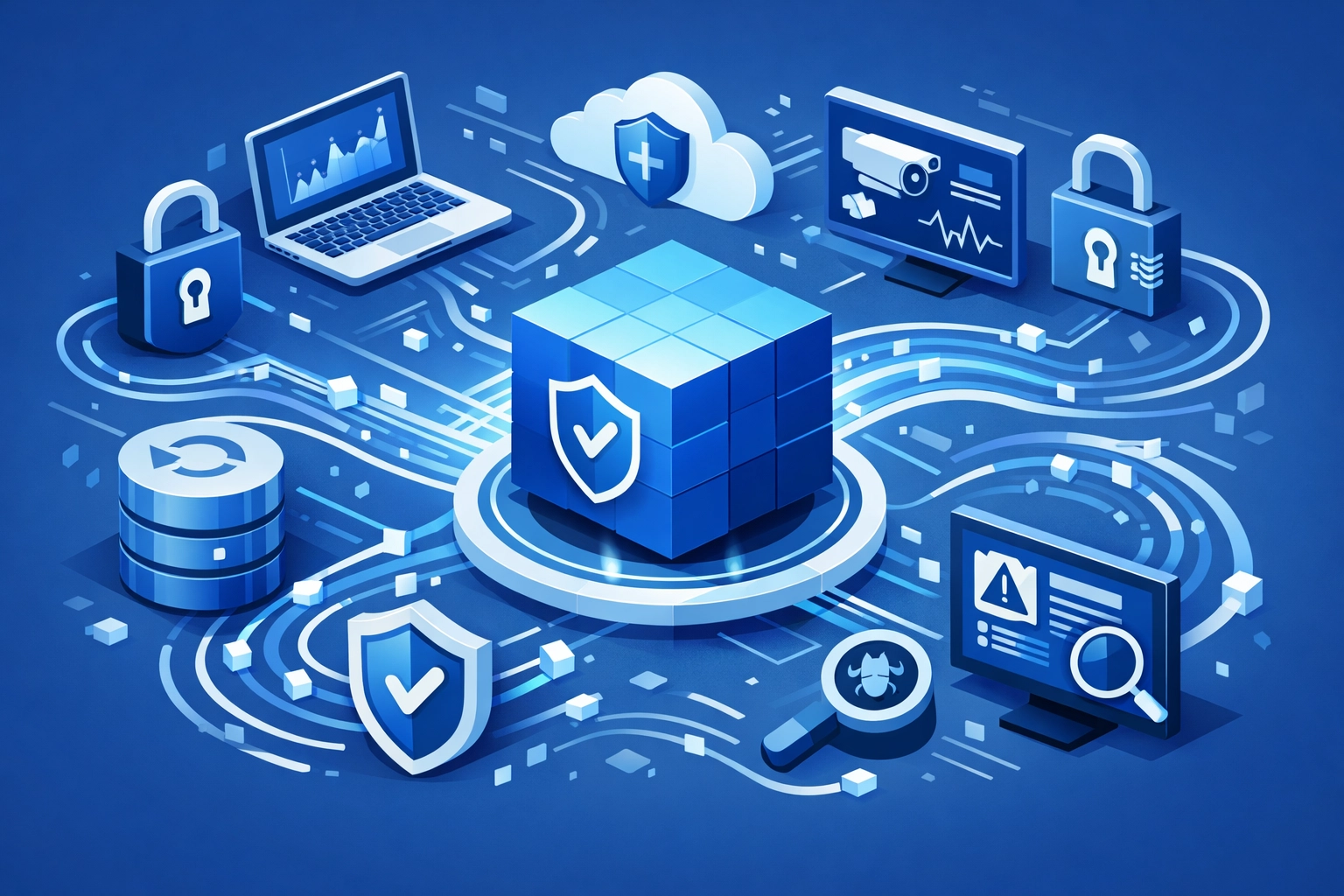
If your business currently lacks either adequate cybersecurity or reliable backup systems, start addressing that gap immediately.
For businesses without clear expertise in either area, managed IT support provides comprehensive protection without requiring internal technical staff. Managed service providers handle security monitoring, patch management, backup verification, and incident response as an integrated service.
The key is starting now rather than waiting for a security incident or data loss event to force action. Every day without proper protection is a day your business remains unnecessarily vulnerable.
Cybersecurity and data backup aren't competing priorities. They're essential partners in keeping your business operational, secure, and recoverable. Implement both, maintain both, and test both regularly.
Your business depends on it.
Ready to strengthen your security and backup strategy? Get in touch to discuss comprehensive protection for your business systems.