

You probably think your business is safe because you have a backup of your files. You might have a hard drive plugged into a server or some files sitting in a personal cloud folder. Most business owners think this is enough to prevent a disaster. We are here to tell you that it is not.
In the modern world, prevention is no longer about stopping the bad thing from happening. You cannot stop every hardware failure. You cannot stop every hacker. You cannot stop every employee from clicking a bad link. Prevention is now about how fast you can recover. If your system goes down and you can be back up in ten minutes, that is prevention. If your system goes down and you are out of work for three days, that is a catastrophe.
At WorldWise, we see this every day. Businesses focus on the "backup" part but forget the "recovery" part. We want to change how you look at your data security.
Why You Can’t Prevent Every Disaster
The old way of thinking was to build a big wall around your data. You bought the best firewalls and told everyone to be careful. While those things are important, they are not perfect. Technology moves too fast for any wall to be 100% effective.
Hard drives fail without warning. A power surge can fry your equipment even with a surge protector. A natural disaster like a flood or a fire can destroy your physical office. Then there is the human element. An employee might accidentally delete a critical folder. Or a sophisticated ransomware attack might get through your defenses.
If you spend all your time trying to prevent these things, you are ignoring the reality of the situation. You need to assume that something will go wrong. When it does, your focus should be on your recovery plan. This is what we call business continuity. It is the ability to keep working even when things break.

The Major Difference Between Backup and Recovery
Most people use these terms like they mean the same thing. They do not.
A backup is just a copy of your data. It is a pile of files sitting somewhere else. Having a backup is like having a spare tire in your trunk. It is good to have, but it doesn't get you back on the road by itself. You still have to change the tire.
Recovery is the process of getting those files back into a usable state. It is the jack, the lug wrench, and the knowledge of how to swap the tire quickly. In business terms, recovery involves how you restore your operating systems, your software, and your network configurations.
If you only have a backup, you might spend days reinstalling software and trying to figure out where the data goes. If you have a recovery plan, you press a button and your virtual environment starts running exactly where it left off.
You can learn more about our approach to this on our strategy page
The Real Cost of Downtime
When your systems go down, you lose more than just data. You lose money every minute your employees are sitting around doing nothing. You lose reputation when customers cannot reach you or access their accounts.
Think about a manufacturing company. If their production line relies on a server that crashes, every minute of downtime costs thousands of dollars. If they only have a basic backup, they might be down for twenty-four hours. That is a massive financial hit.
Now imagine that same company has a robust recovery plan. The server crashes, but a backup server takes over automatically. The workers barely notice a flicker. That is why recovery is the new prevention. You prevented the financial loss by being able to recover instantly.
We offer specialized computer support to help businesses identify these gaps before they turn into expensive mistakes.

Ransomware is a Game Changer
Cybercriminals have changed the rules. Ransomware does not just steal your data; it locks it up and demands money. If you try to "prevent" ransomware through just antivirus software, you will eventually lose. The hackers are always one step ahead.
The best way to "prevent" a ransomware payout is to have a clean, off-site recovery point. If a hacker locks your files, you don't pay the ransom. You simply wipe your system and restore it to the state it was in an hour ago. You turn a potential bankruptcy into a minor annoyance.
This takes away the leverage of the criminal. If they know you can recover in minutes, their attack is useless. This is a core part of a modern security strategy.
WorldWise Hybrid Solutions: Onsite and Cloud
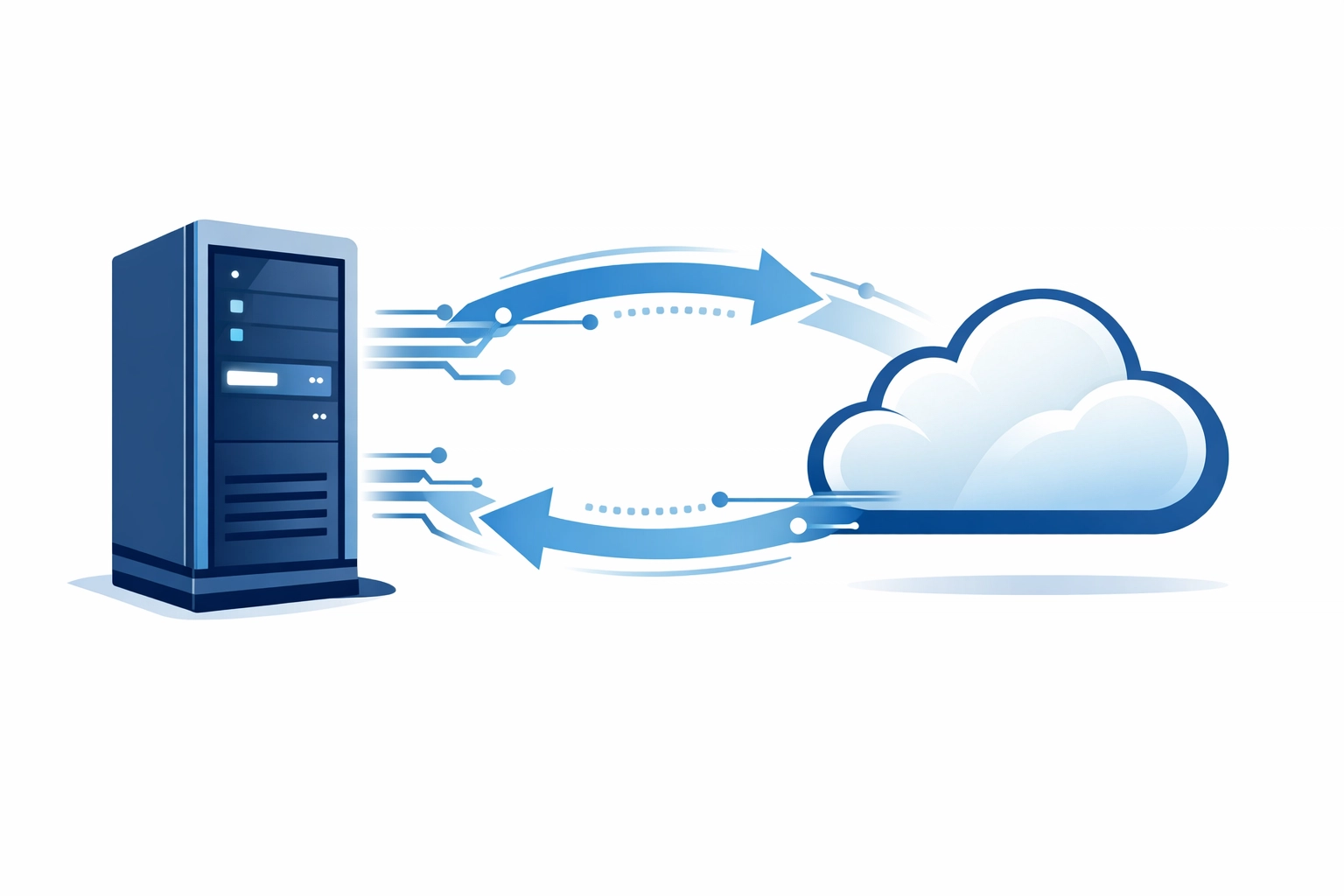
We do not believe in a one-size-fits-all approach to data. Some data needs to be recovered instantly. Other data just needs to be safe. That is why we offer a hybrid solution involving both onsite and cloud backups.
Onsite Backups for Speed
If your local server fails, you want the fastest recovery possible. Pulling terabytes of data down from the internet can take hours or even days depending on your connection. An onsite backup device allows for near-instant recovery. We can spin up a "virtual" version of your server right on the backup hardware. This keeps your team working while we fix the primary hardware.
Cloud Backups for Disaster Recovery
Onsite backups are great, but they don't help if your building is gone. That is where the cloud comes in. We replicate your data to secure, encrypted data centers. This ensures that even in the worst-case scenario, your business remains intact.
Our web hosting services also include high-level security and redundancy to keep your online presence stable.

Regulatory Compliance and Trust
Many of you work in industries like healthcare, finance, or e-commerce. You have legal obligations to protect customer data. Laws like HIPAA or GDPR require you to have a plan for data availability.
If you lose customer data and cannot recover it, you face huge fines. You also lose the trust of the people who pay you. Once that trust is gone, it is almost impossible to get back. Having a documented recovery plan shows your clients and regulators that you take their privacy seriously.
You can see how we handle professional standards in our capabilities statement
How to Build Your Recovery Plan
You do not have to do this all at once. Start small and build up.
First, identify your "crown jewels." What data is absolutely necessary for you to operate tomorrow? Focus your recovery efforts there first.
Second, determine your Recovery Time Objective (RTO). This is the maximum amount of time you can afford to be down. Is it one hour? One day? This number will dictate what kind of technology you need.
Third, test your plan. A recovery plan that hasn't been tested is just a wish. We suggest testing your restoration process at least twice a year. You need to know it works before you actually need it.
Let WorldWise Handle the Technical Side
We know you have a business to run. You don't want to spend your weekends worrying about server images and cloud replication. That is what we are here for.
WorldWise provides the tools and the expertise to make sure your business stays online no matter what happens. We help you move from a mindset of "I hope nothing happens" to "I am ready for anything."
Stop relying on luck. Start focusing on recovery.
If you are ready to secure your business, visit our contact page or get started with a consultation today. We will look at your current setup and show you exactly where the holes are.

Your data is the lifeblood of your company. Treat it that way. Recovery is the only real prevention in 2026.
Check out our about page to learn more about our team and how we help businesses stay resilient.