

Let's cut to the chase. You've probably heard people say that web design is dead. That AI will handle everything. That nobody cares what a website looks like anymore because they're just scrolling on their phones anyway
Here's the reality: web design matters more in 2026 than it ever has. But what "web design" actually means has changed dramatically. Let's break it down
The Numbers Don't Lie
Website design is responsible for over 90% of the first impression someone has of your brand. That's not an opinion: that's data
Think about your own behavior online. When you land on a website that looks outdated, loads slowly, or feels clunky on your phone, what do you do? You leave. About 38% of users abandon a website immediately if the layout isn't appealing. That's nearly four out of every ten potential customers gone before they even see what you're offering
On the flip side, 74% of people who have a smooth experience on a mobile site are likely to return. Good design brings people back. Bad design sends them to your competitors
What Web Design Actually Means Now
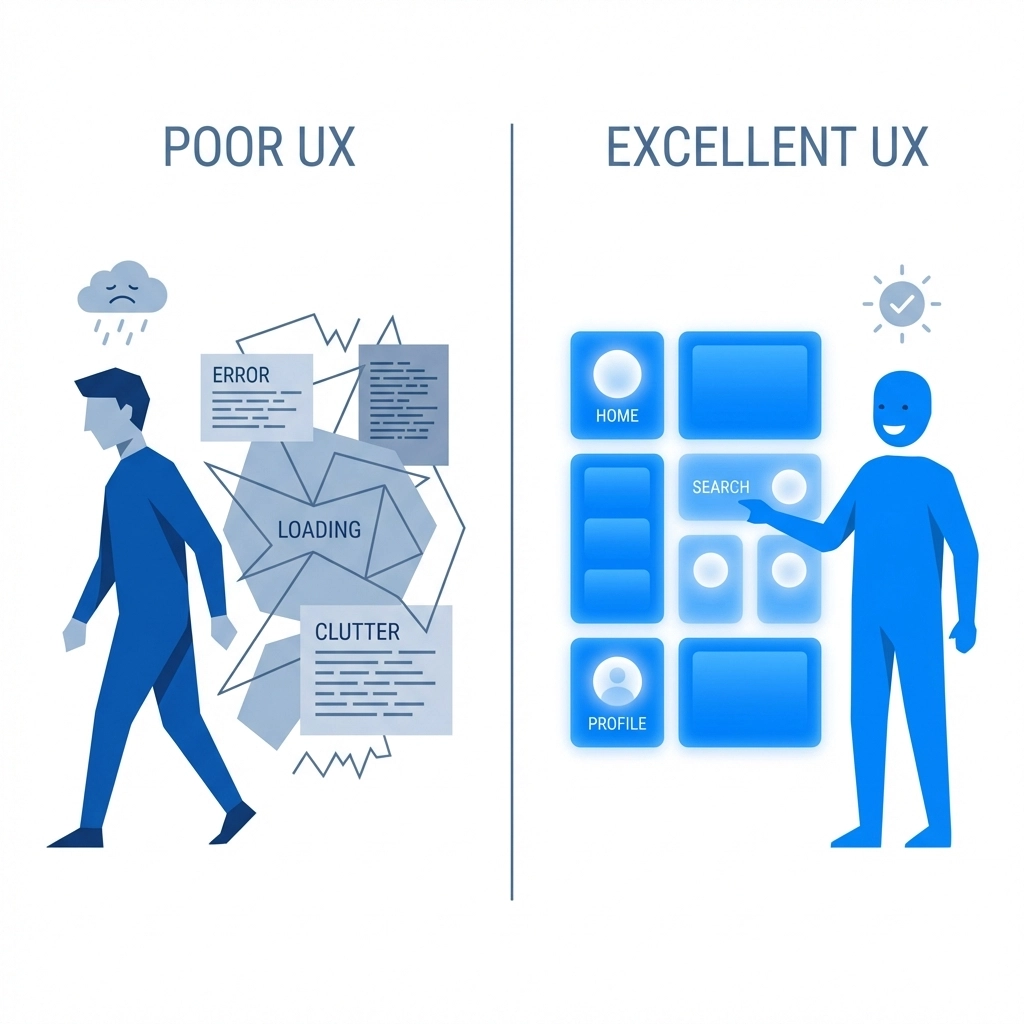
Here's where things get interesting. Web design in 2026 isn't just about making things look pretty. It never really was, but now the gap between "nice looking website" and "effective website" is wider than ever
Modern web design encompasses:
- User experience (UX) - How easy is it for someone to find what they need?
- Performance optimization - Does your site load fast enough to keep attention?
- Mobile-first approach - Is your site built for the devices people actually use?
- Accessibility compliance - Can everyone use your site, regardless of ability?
- AI-powered personalization - Does your site adapt to individual user behavior?
- Core Web Vitals - Does Google consider your site technically sound?
A website that looks stunning but loads in 8 seconds is a failure. A website that loads instantly but confuses visitors is also a failure. True web design in 2026 balances all of these elements
The Mobile Reality
Let's talk about mobile because this is where many businesses still drop the ball
Mobile devices now generate about 60% of all website traffic. That means more than half of your visitors are viewing your site on a screen that fits in their pocket. If your website isn't optimized for mobile, you're essentially telling the majority of your audience that their experience doesn't matter
90% of smartphone users will continue shopping on a site when the experience meets their expectations. But "meets expectations" is doing a lot of heavy lifting in that sentence. Mobile users in 2026 expect:
- Instant loading times
- Easy navigation with one thumb
- Readable text without zooming
- Buttons big enough to tap accurately
- Forms that don't make them want to throw their phone
This isn't optional anymore. It's the baseline
Design Trends That Actually Matter
Every year brings new design trends. Some stick around. Most don't. Here's what's actually worth paying attention to in 2026
Simplicity Over Complexity
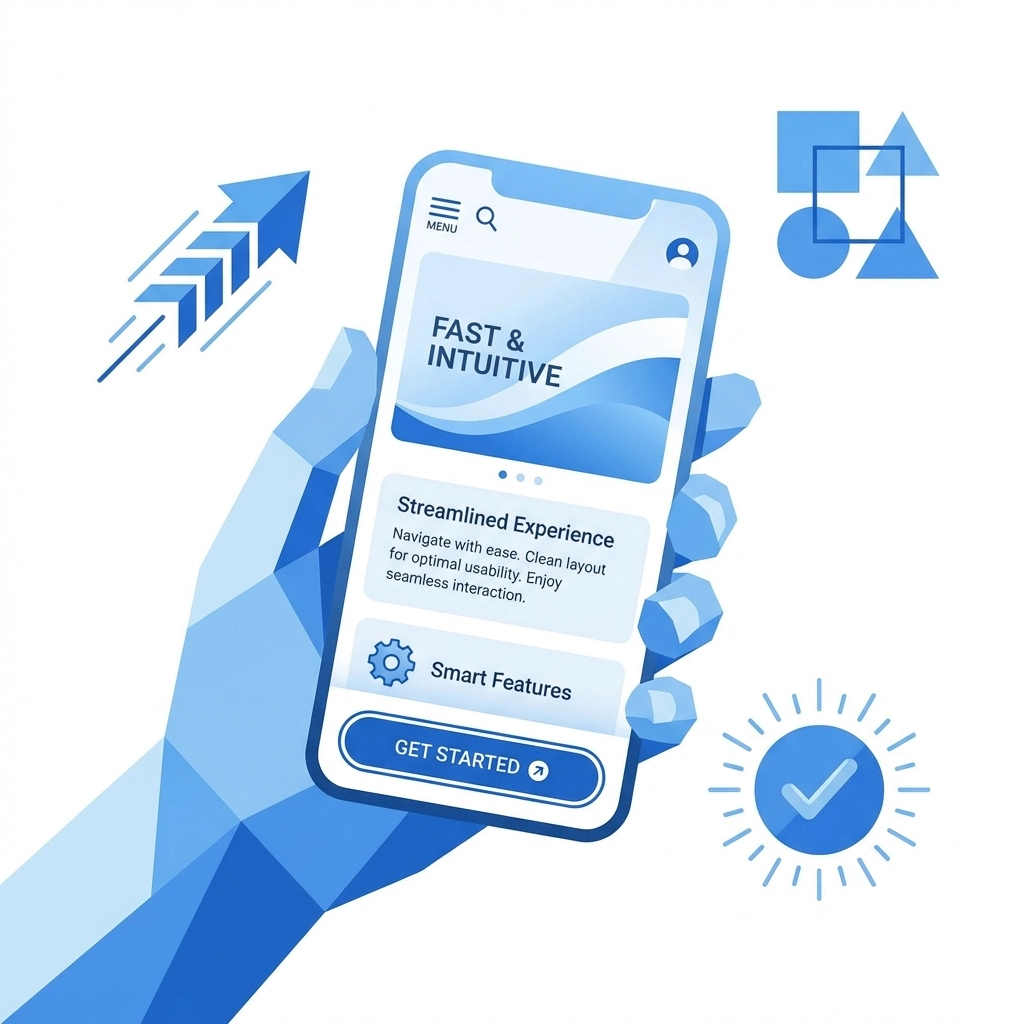
Users don't want to figure out your website. They want information fast. Clean layouts, clear navigation, and obvious calls to action win every time. The fancy animations and complex interactions that designers love? Users mostly find them annoying
Speed Is a Feature
Page speed isn't just a technical concern: it's a design decision. Every image, animation, and script you add affects how fast your site loads. Good designers understand this tradeoff and make smart choices
Accessibility Is Non-Negotiable
Designing for accessibility isn't just the right thing to do: it's becoming a legal requirement in many contexts. Plus, accessible design tends to be better design for everyone. Proper contrast, readable fonts, and logical navigation help all users
Personalization Done Right
AI now allows websites to adapt in real-time to visitor behavior. This can be powerful when done well, showing users relevant content based on their interests and past interactions. When done poorly, it feels creepy. The line is thinner than you might think
The Business Case for Good Design
Let's talk money. Because ultimately, that's what matters for most businesses
A well-designed website:
- Builds trust instantly - Professional design signals a professional business
- Improves conversions - Clear paths to action mean more leads and sales
- Reduces support costs - When users can find information easily, they don't need to call you
- Boosts SEO rankings - Google rewards sites that provide good user experiences
- Creates competitive advantage - In a crowded market, design helps you stand out
Poor design carries real costs. Websites lacking responsive design and strong content structure rank lower in search results. Lower rankings mean less traffic. Less traffic means fewer customers. It's that simple

Common Mistakes to Avoid
Based on what we see every day working with businesses on their web design, here are the most common mistakes
Designing for Yourself Instead of Your Users
Your website isn't for you. It's for your customers. What you think looks cool might confuse the people you're trying to reach. Always prioritize user needs over personal preferences
Ignoring Load Times
That high-resolution hero video might look amazing, but if it takes 10 seconds to load, most visitors will never see it. They'll be gone
Forgetting About Mobile Until the End
Mobile can't be an afterthought. If you design for desktop first and then try to squeeze everything onto mobile, you'll end up with a compromised experience. Start with mobile and scale up
Skipping the Strategy
Jumping straight into design without understanding your business goals, target audience, and competitive landscape is a recipe for a website that looks nice but doesn't perform. Strategy comes first
Set It and Forget It
A website isn't a one-time project. User expectations evolve. Technology changes. Your business grows. Regular updates and improvements keep your site effective over time
So Does Web Design Matter in 2026?
Absolutely. But not in the way it did ten years ago
Web design has evolved from "make it look good" to "make it work well." The visual elements still matter: first impressions are real: but they're just one piece of a much larger puzzle
Your website needs to:
- Load fast
- Work perfectly on mobile
- Guide users to take action
- Build trust immediately
- Be accessible to everyone
- Adapt to user behavior
- Support your business goals
That's a lot to get right. And that's exactly why professional web design matters more than ever. The gap between amateur and professional results has never been wider
The businesses that invest in getting their web presence right will continue to pull ahead. The ones that treat their website as an afterthought will keep wondering why their competitors are winning
The truth? Web design in 2026 isn't dead. It's just grown up. And the bar is higher than it's ever been
Ready to see where your website stands? Get in touch and let's talk about what's working and what could work better