
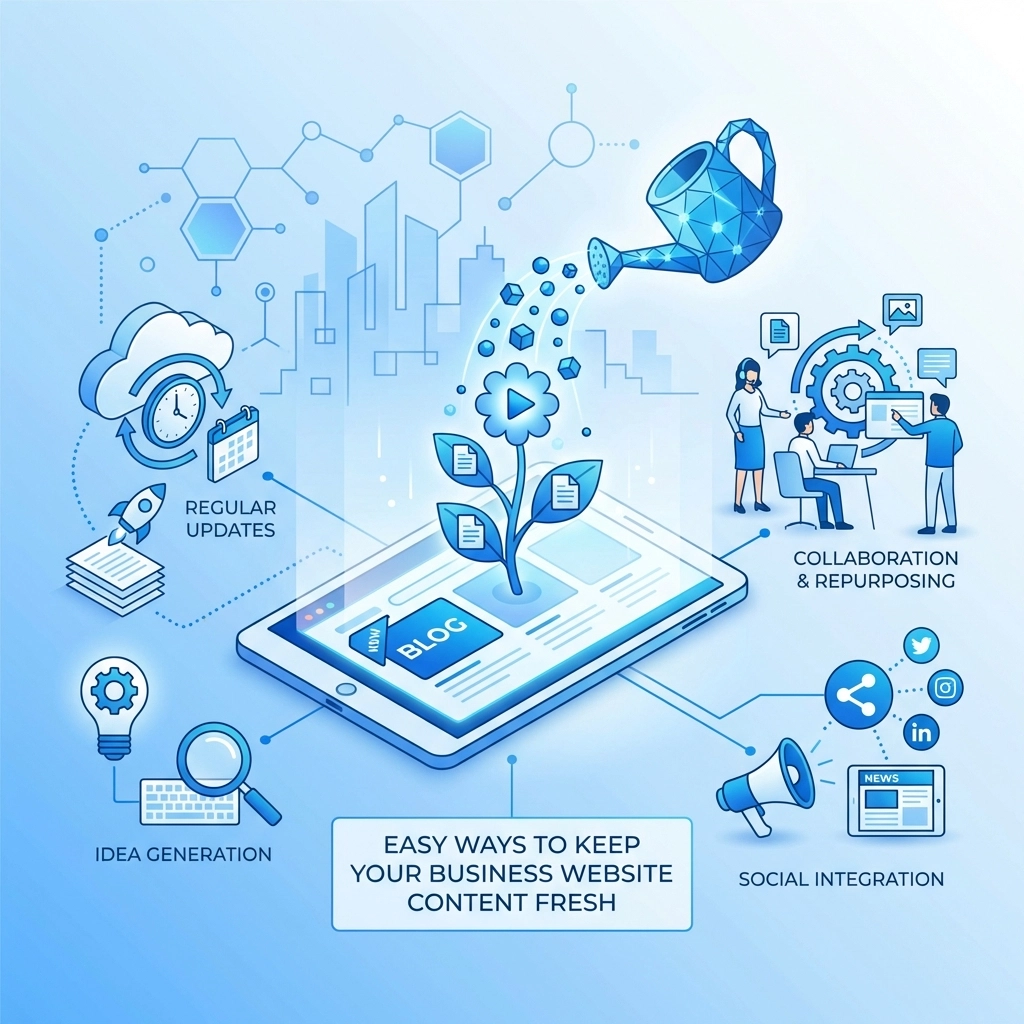

Your website is working for you around the clock. But here's the thing: if the content sitting on those pages is stale, outdated, or just plain boring, visitors notice. And so does Google.
Keeping your website content fresh doesn't have to be a massive undertaking. You don't need to rebuild from scratch or hire a full-time content team. With a few simple habits and some smart prioritization, you can keep things current without burning yourself out.
Let's break down some practical ways to keep your business website content in good shape.
Why Fresh Content Actually Matters
Before diving into the how, let's talk about the why.
Search engines love fresh content. When you update your pages regularly, it signals that your site is active and relevant. This can improve your rankings and bring in more organic traffic.
But it's not just about algorithms. Your visitors care too. If someone lands on your site and sees a blog post referencing "trends for 2019" or a team photo from five years ago, they start to wonder if you're still in business. Outdated content damages trust.
Fresh content shows you're paying attention. It demonstrates expertise. And it gives people a reason to come back.
Start With a Content Audit
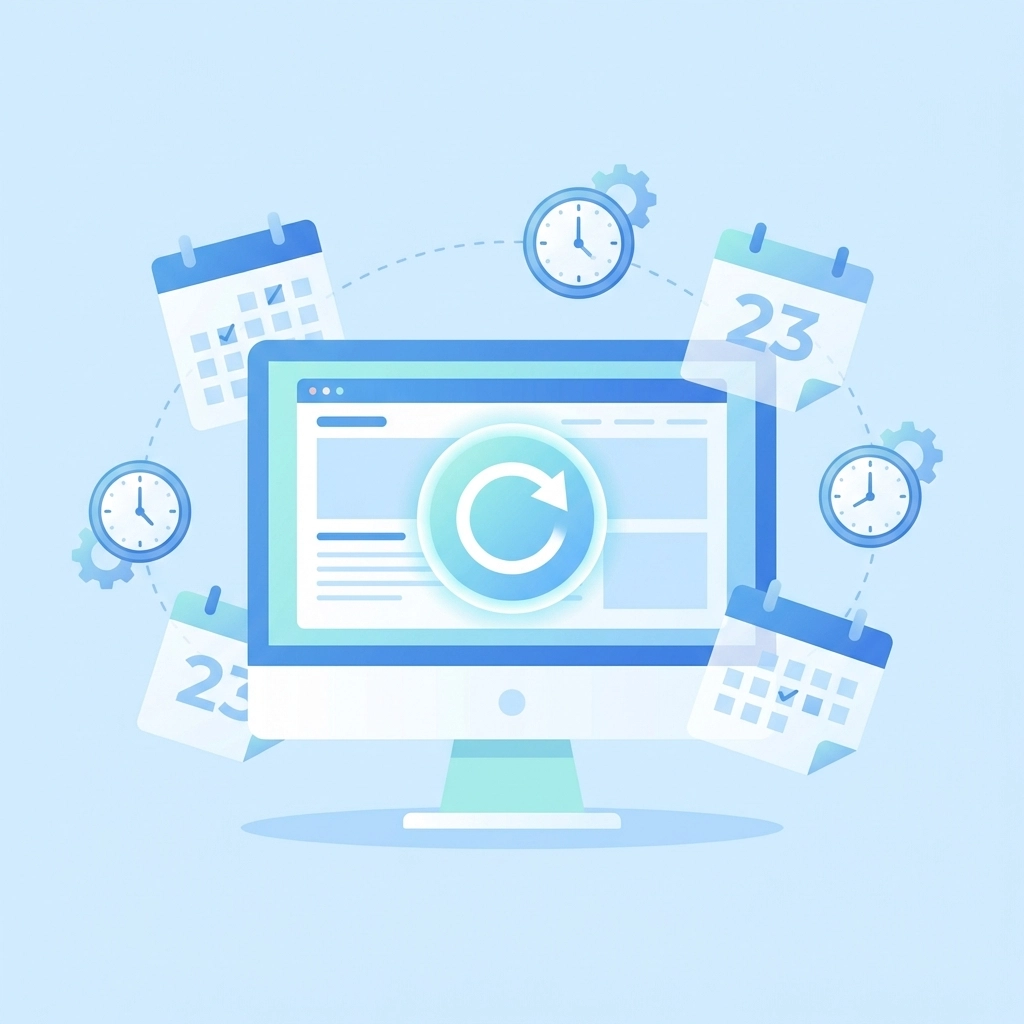
You can't fix what you don't know is broken. That's where a content audit comes in.
Go through your website and take stock of what you have. Look at every page: your homepage, service pages, about page, blog posts, everything. Make a list or spreadsheet if that helps you stay organized.
As you review, ask yourself:
- Is this information still accurate?
- Are there any dead links?
- Does this page still serve a purpose?
- When was this last updated?
You don't need fancy tools for this. A simple spreadsheet with columns for page URL, last updated date, and notes works fine. The goal is to get a clear picture of where things stand so you can prioritize what needs attention first.
Prioritize High-Value Pages
Not every page on your site carries the same weight. Some pages drive traffic, generate leads, or represent your core services. Those deserve your attention first.
Focus on:
High-traffic pages – If a page is already bringing in visitors, make sure it's giving them the best possible experience. Small improvements here can have big results.
Service or product pages – These are often decision-making pages. Make sure pricing, features, and descriptions are current.
Evergreen content – Blog posts or guides that stay relevant over time are worth maintaining. A post about "how to choose a web designer" can serve you for years if you keep it updated.
Pages targeting buying keywords – Even if search volume is low, pages targeting people ready to make a purchase are valuable. Keep them polished.
Update Outdated Information
This one sounds obvious, but it's easy to overlook. Outdated information can slip through the cracks, especially on older pages.
Here's what to look for:
Statistics and data – If you're citing research or numbers, check when that data was published. Replace old stats with current ones whenever possible.
Screenshots and tutorials – Software changes constantly. If you have step-by-step guides with screenshots, make sure they still match the current interface.
Examples and case studies – Referencing a marketing campaign from 2016 doesn't exactly scream "cutting edge." Swap in newer, more relevant examples.
Best practices – What worked five years ago might not work today. Review any advice you're giving and make sure it still holds up.
Refresh Your Blog Regularly
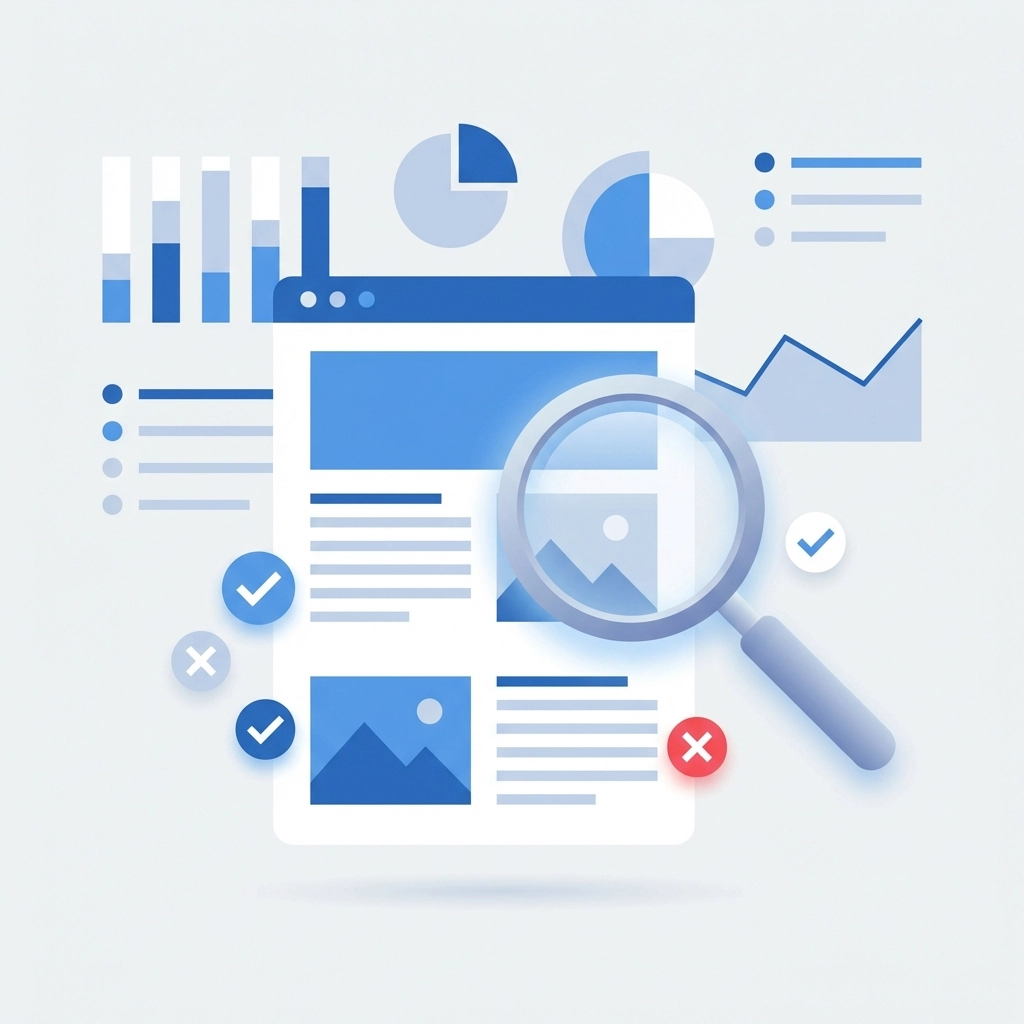
If your website has a blog, it needs attention. A neglected blog with posts from three years ago does more harm than good.
You don't need to publish new content every day. But you should have a plan.
Update existing posts – Sometimes a quick refresh is better than writing something new. Update the facts, add recent examples, improve the formatting. You can even change the publish date if the update is significant enough.
Create a posting schedule – Even one new post per month keeps things moving. Consistency matters more than volume.
Repurpose content – Turn a popular blog post into a video, infographic, or social media series. You get more mileage out of work you've already done.
Remove or consolidate weak content – If a post isn't performing and can't be improved, consider removing it or combining it with a stronger piece on a similar topic.
Improve SEO as You Go
Every time you update a page, it's an opportunity to improve its search performance.
Here are some quick wins:
Review your keywords – Search intent shifts over time. Make sure your pages are targeting the terms people actually use today.
Add internal links – Link to other relevant pages on your site. This helps visitors find more content and helps search engines understand your site structure. Aim for at least five internal links in longer content pieces.
Update titles and headers – Make sure your page titles and section headers include your target keywords naturally.
Check meta descriptions – These are the snippets that show up in search results. Keep them accurate and compelling.
If SEO feels overwhelming, start small. Pick one page, make a few improvements, and move on to the next. Progress beats perfection.

Add Multimedia Elements
Walls of text aren't exactly inviting. Adding visual elements makes your content easier to consume and more engaging.
Consider adding:
- Images – Break up long sections with relevant photos or graphics
- Videos – Embed a quick explainer video if you have one
- Infographics – Great for summarizing complex information
- Charts or graphs – Perfect for data-heavy content
You don't need professional production for everything. A simple diagram or a short video recorded on your phone can work. The goal is variety.
Just don't go overboard. Every visual should serve a purpose.
Include Clear Calls to Action
Every page on your site should guide visitors toward something. That's where calls to action (CTAs) come in.
Review your pages and ask: what do I want someone to do after reading this?
Maybe it's contacting you for a quote. Maybe it's signing up for a newsletter. Maybe it's reading another blog post.
Whatever it is, make it clear. Add buttons, links, or prompts that point visitors in the right direction.
CTAs should feel like natural next steps, not aggressive sales pitches. Place them where they make sense within the content flow.
If you're ready to discuss your website strategy, get in touch with our team to start the conversation.
Build a Refresh Schedule
Here's the secret to keeping content fresh long-term: make it a habit.
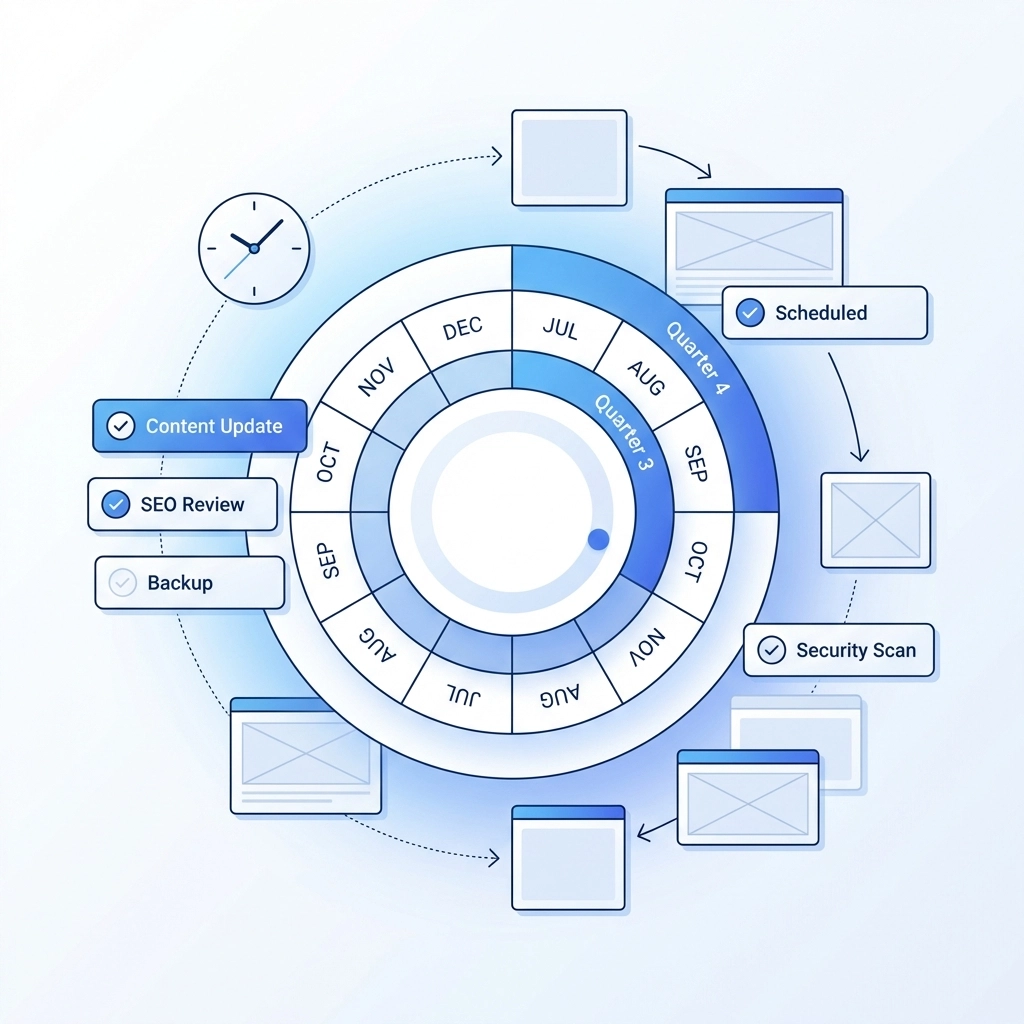
Set a recurring reminder to review your website content. For most businesses, an annual review of major pages works well. Blog content might need attention more often, especially in fast-moving industries.
Create a simple system:
- Quarterly – Review your homepage, service pages, and top-performing content
- Annually – Audit your entire site, including older blog posts
- As needed – Update anything tied to time-sensitive information (events, promotions, industry news)
Block time on your calendar. Treat it like any other business task. The more consistent you are, the easier it becomes.
Don't Forget the Small Stuff
Sometimes it's the little things that make a difference.
- Update your copyright year in the footer
- Refresh your team page when someone joins or leaves
- Check that your contact information is correct
- Review your "About" page and make sure it reflects where your business is today
These details might seem minor, but they add up. A site that looks cared for builds confidence.
Final Thoughts
Keeping your website content fresh isn't about constant reinvention. It's about regular maintenance, smart prioritization, and a commitment to accuracy.
Start with an audit. Focus on your most important pages. Update outdated information. Add visuals and CTAs. Build a schedule you can stick to.
Small, consistent efforts add up over time. Your website will perform better, your visitors will trust you more, and you'll stay ahead of competitors who let their content collect dust.
Need help developing a content strategy or refreshing your site? WorldWise offers web design and digital marketing services to keep your online presence sharp and effective.