

Google rolled out a major Discover core update on February 5, 2026, and it's already changing how content appears in users' feeds. This update specifically targets Google Discover: not traditional search results: and focuses on three key areas: local relevance, content quality, and expertise.
The rollout started in US English and will take up to two weeks to complete. If you rely on Discover traffic, now's the time to review your content strategy.
What Changed in the February 2026 Update
This update isn't about keywords or backlinks. Google's algorithm now evaluates content based on geographic relevance, editorial quality, and demonstrated expertise in specific topics.
The goal is straightforward: surface more valuable, in-depth content while reducing sensational headlines and shallow articles. If your site publishes clickbait or thin content, you'll likely see a drop in Discover impressions.

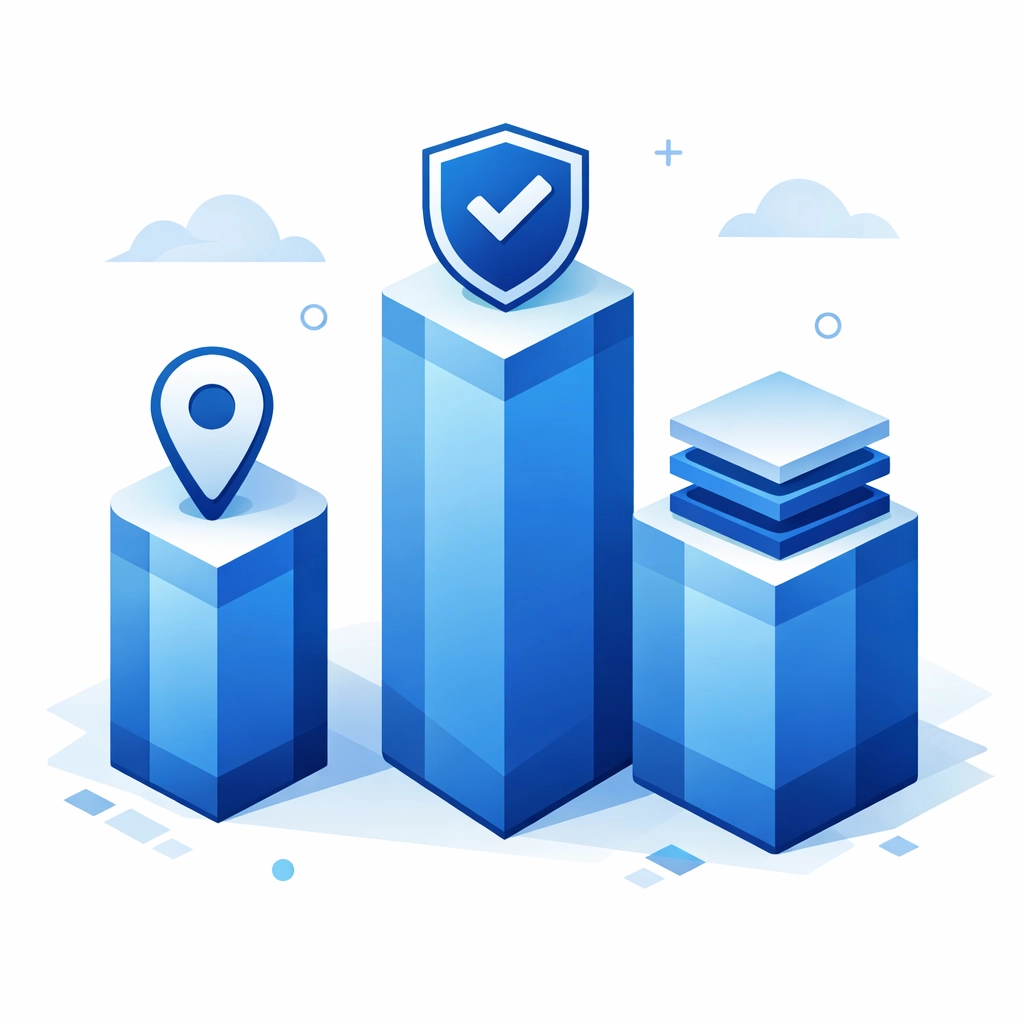
Three Core Changes Every Business Should Know
Local Relevance Takes Priority
Google now prioritizes content from websites based in the same country as the user. If you're a US-based business, your content will show up more frequently in US users' Discover feeds. The inverse is also true: non-US publishers may see reduced US traffic.
This doesn't mean you need to mention specific locations in every article. It means your site should clearly indicate where your business operates through your contact information, business profiles, and content focus.
Clickbait Gets Demoted
Headlines designed purely to generate clicks are getting filtered out. Google's systems can now identify misleading titles, exaggerated claims, and sensational framing.
Review your existing content. If a headline promises more than the article delivers, or if it uses excessive punctuation and emotional triggers, it's time for a rewrite.
Depth and Expertise Win
Google evaluates expertise on a topic-by-topic basis. You don't need to be an authority on everything: you need to demonstrate depth in specific subject areas.
A small business blog that covers multiple topics can still perform well in Discover if individual articles show genuine expertise. Quality matters more than breadth.
How Local Businesses Can Benefit
While this update emphasizes country-level geographic relevance, local businesses can leverage it effectively.
Claim and optimize your business profiles. Make sure your Google Business Profile is complete and accurate. This helps Google understand your location and service area, which can influence how your content is distributed.
Create location-aware content without being location-specific. Write articles that address regional needs, seasonal considerations, or industry trends relevant to your market. You don't need to mention your city in every post: focus on topics your local audience cares about.
Build topical authority in your niche. If you're a roofing company, create comprehensive content about roof maintenance, material selection, and weather-related concerns. If you run a restaurant, publish recipes, ingredient sourcing stories, and culinary techniques. Depth in one area beats surface coverage of many.
Link content to your physical presence. Include author bios that mention credentials, publish case studies from real projects, and reference your business's history and experience. These signals help establish legitimacy.
Action Checklist for Your Content
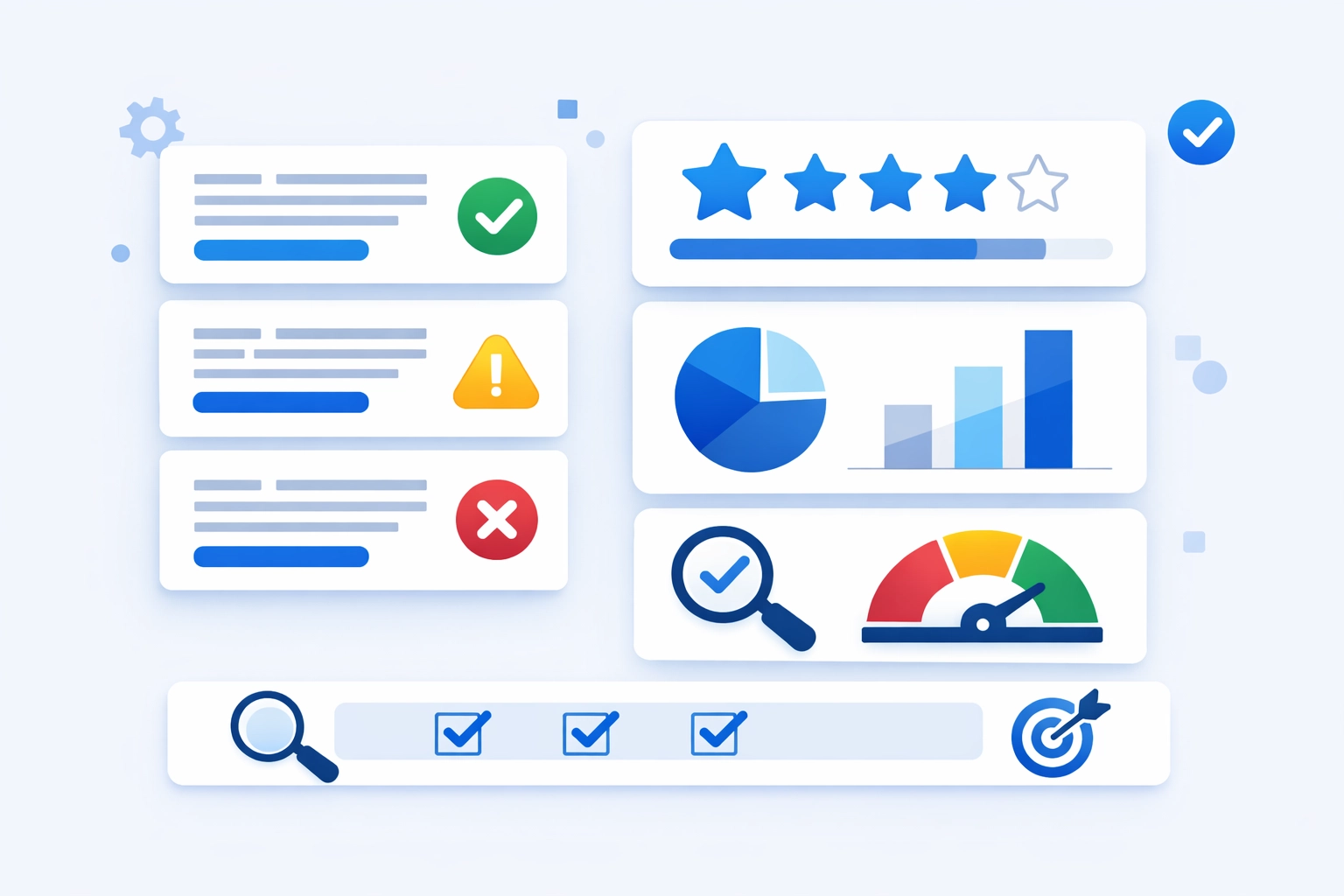
Here's what to do in the next two weeks while the update rolls out:
1. Audit your headlines. Remove sensational language, excessive punctuation, and misleading claims. Your title should accurately reflect the article's content.
2. Review your content quality. Identify thin articles that don't provide real value. Either expand them with original insights and depth, or remove them entirely.
3. Strengthen your E-E-A-T signals. E-E-A-T stands for Experience, Expertise, Authoritativeness, and Trustworthiness. Add author bios, link to credentials, cite sources, and demonstrate real-world experience.
4. Verify your business information. Make sure your website clearly indicates where your business is located and who you serve. Update your contact page, footer, and business profiles.
5. Establish editorial standards. Create a content checklist that includes fact-checking, source citation, and depth requirements. Every article should meet a minimum quality threshold.
6. Focus on originality. If you're rewriting content from other sources or creating thin summaries, stop. Google wants original reporting, unique insights, and comprehensive coverage.
7. Organize content by topic clusters. Group related articles together and link them internally. This helps Google understand your areas of expertise. Our search engine optimization services can help you structure your content strategy effectively.

Measuring Your Discover Performance
Don't guess whether this update affected you: measure it.
Use Google Search Console. Navigate to the Discover report in GSC. This shows impressions, clicks, and CTR specifically from Discover feeds. Monitor these metrics over the next two weeks.
Separate Discover from organic search. Changes in Discover traffic don't necessarily correlate with traditional search rankings. Track them independently.
Look for patterns. If certain content types or topics dropped, that's a signal. If other articles gained traction, identify what they have in common.
Wait for the full rollout. The update takes up to two weeks to complete. Don't make major changes based on the first few days of data.
Compare week-over-week performance. Look at the two weeks before February 5 and compare them to the two weeks after. This gives you a clearer picture than day-to-day fluctuations.
What This Means for Your Content Strategy
The February 2026 update reinforces what Google has been signaling for years: quality content from credible sources performs better than quick, shallow articles designed for clicks.
If you've been prioritizing volume over depth, this is your wake-up call. The businesses that will benefit most are those that invest in comprehensive, original content that demonstrates real expertise.
This doesn't mean you need a massive content library. It means every piece you publish should be worth reading. Better to publish one well-researched, in-depth article per month than ten thin ones per week.
Need Help Adapting Your Content Strategy?
At WorldWise, we help businesses develop content strategies that align with Google's evolving standards. Whether you need a content audit, E-E-A-T optimization, or a complete web design and content overhaul, we can help.
The February 2026 update is a reminder that content quality directly impacts your visibility. If you're not sure how your site measures up, we can assess your current approach and recommend specific improvements.
Call us at 336-294-4400 or visit worldwise.net/contact to discuss how we can strengthen your content strategy for Google Discover and beyond.
SEO Title Tag: February 2026 Google Discover Update: What Changed
Meta Description: Google's February 2026 Discover update prioritizes local relevance, demotes clickbait, and rewards expertise. Here's what businesses should do now.
Suggested H1: February 2026 Google Discover Core Update: What Businesses Should Do Now
Suggested H2s:
- What Changed in the February 2026 Update
- Three Core Changes Every Business Should Know
- How Local Businesses Can Benefit
- Action Checklist for Your Content
- Measuring Your Discover Performance
- What This Means for Your Content Strategy
- Need Help Adapting Your Content Strategy?
Slug: february-2026-google-discover-update