

Remember when SEO was all about ranking in those top three spots on Google? Those days are fading fast. AI-powered search is flipping the script on everything we thought we knew about search engine optimization, and if you're still playing by the old rules, you're going to get left behind
The game has changed. Here's what you need to know to stay ahead
The Old SEO Playbook is Becoming Obsolete
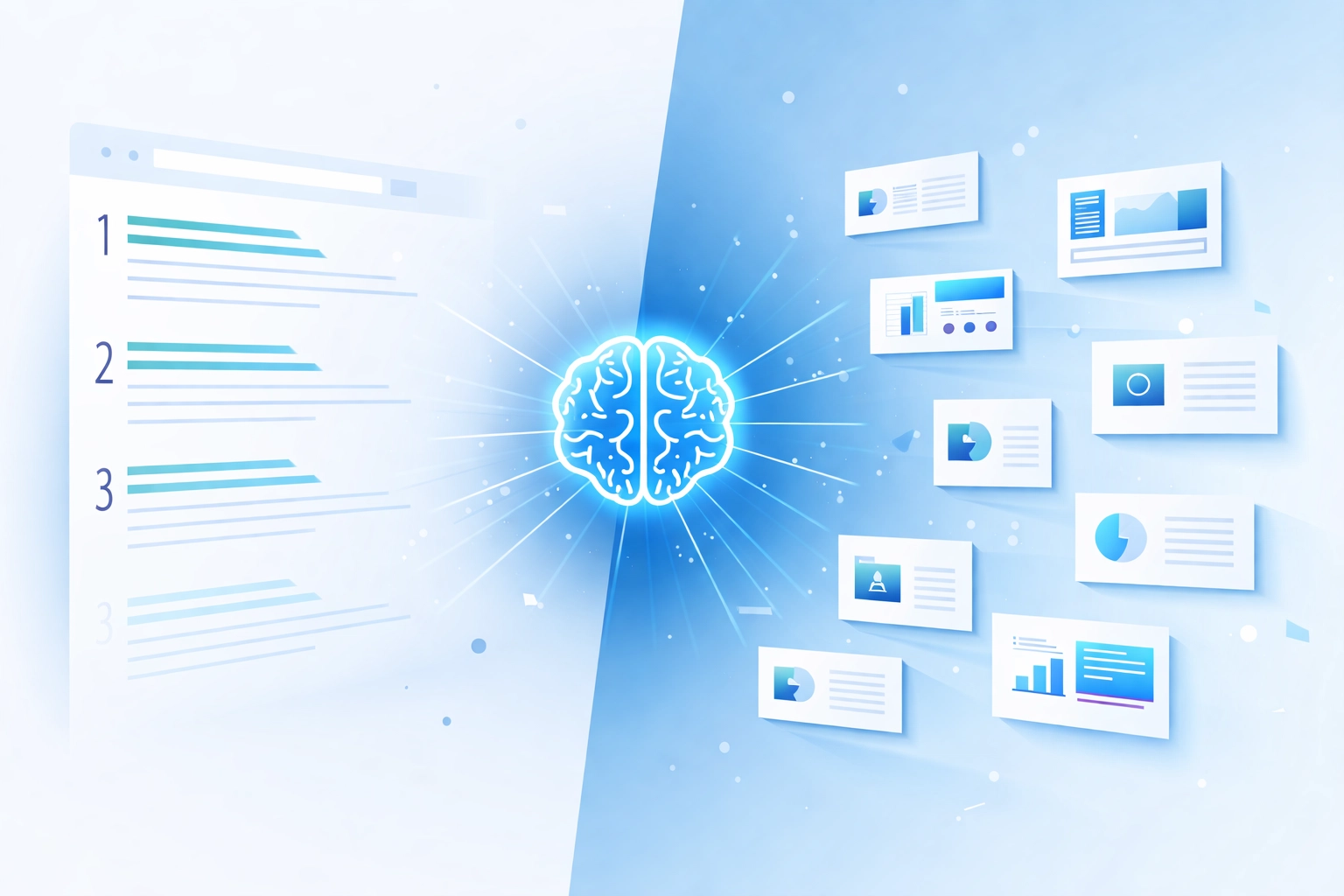
For years, the goal was simple: get your website to rank as high as possible for your target keywords. Position one was the holy grail. Position two was acceptable. Anything below the fold might as well have been invisible
But AI search engines like ChatGPT, Google's AI Overviews, and other emerging platforms don't care about your ranking position the way traditional search does. They care about one thing above all else: content quality and relevance
Here's a stat that should make you rethink everything: approximately 90% of the webpages that ChatGPT search cites rank in position 21 or higher in traditional search results. That's page three territory, places most SEO strategies would consider a failure
Similarly, 75% of links appearing in Google AI Overviews come from position 12 or higher. This means websites that never cracked the first page of traditional search are now getting significant visibility through AI channels
From Clicks to Citations
Traditional SEO measured success by traffic. More clicks meant better performance. Simple math
AI search complicates that equation. These systems often provide answers directly to users without sending them anywhere. The information gets pulled, summarized, and delivered right in the search interface. No click required
The numbers tell the story: 58% of Google searches now result in zero clicks. That's more than half of all searches ending without anyone visiting a website
Sounds like bad news, right? Not necessarily
The traffic that does come through AI search channels is significantly more valuable. We're talking about visitors who convert at 4.4 times the rate of traditional organic search visitors. These people have already done their research. They've compared options. They've had their questions answered. By the time they click through to your site, they're ready to take action
Fewer visitors, but much better ones. Quality over quantity
What AI Search Actually Wants From Your Content
Here's where things get interesting. AI systems don't evaluate your website the same way Google's traditional algorithm does. They're not looking at your entire page experience, your domain authority, or your backlink profile in the same way
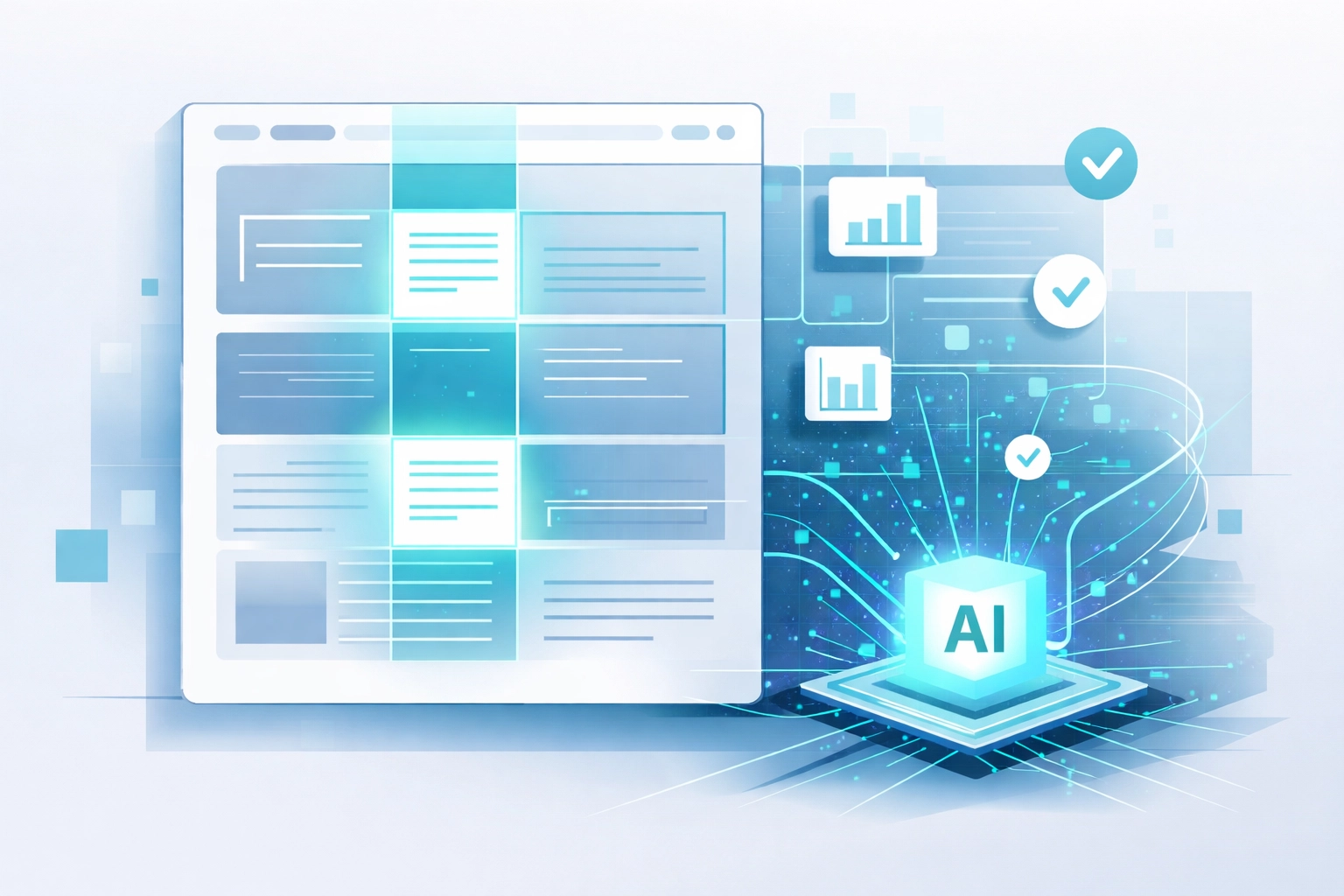
Instead, they assess discrete chunks of content. Specific paragraphs. Individual data points. Targeted answers to specific questions
This means a page that ranks poorly in traditional search can still get cited by AI systems if it contains highly relevant, specific information that answers a user's query better than anything else available
The implications for your content marketing strategy are significant:
Originality matters more than ever. AI systems are looking for unique insights, not regurgitated information they've already seen a thousand times. If your content says the same thing as everyone else, why would an AI cite you instead of them?
Specificity beats generality. Broad, surface-level content won't cut it anymore. Deep dives into narrow topics perform better than shallow coverage of everything
Data-backed claims win. AI systems love information they can verify. Statistics, research findings, and concrete examples give your content credibility
Target specific user needs. AI can understand nuanced user intent through natural language processing. Your content should address particular problems for particular audiences, not try to appeal to everyone
The Traffic Shift is Coming Fast
AI Overviews already appear in 47% of searches. When they do, organic click-through rates drop by 34.5%. Some websites have reported traffic losses between 20% and 60%
Those are scary numbers if you're not prepared. But here's the thing, AI search visitors are projected to surpass traditional search visitors by 2028. That's not far away
The businesses that adapt now will have a massive advantage. The ones that wait will be scrambling to catch up while their competitors have already figured out the new rules
How to Optimize for AI Search
So what do you actually do about all this? Here's a practical roadmap
Audit Your Current Content
Look at your existing pages with fresh eyes. Ask yourself: does this content provide specific, useful information that AI would want to cite? Or is it generic filler that could be found anywhere?
Identify your best pieces, the ones with original data, unique insights, or comprehensive coverage of narrow topics. These are your AI search assets
Structure Content for AI Consumption
AI systems pull discrete chunks of information. Make it easy for them by:
- Using clear headers that accurately describe what follows
- Writing concise paragraphs that can stand alone as answers
- Including bullet points and lists for scannable information
- Adding data and statistics where relevant
Create Content That Answers Specific Questions
Think about the actual questions your target audience asks. Not just keywords, full questions with context and nuance
Then create content that answers those questions thoroughly and accurately. Be the definitive source on your topics
Build Topical Authority
AI systems develop sophisticated understandings of websites over time. Consistent, high-quality content in your area of expertise signals that you're a trustworthy source
This is where a solid digital marketing strategy comes into play. Random content won't build the kind of authority that gets you cited
Monitor New Metrics
Traditional SEO metrics like ranking position and organic traffic still matter, but they're not the whole picture anymore. Start tracking:
- AI citations and mentions
- Conversion rates from different traffic sources
- Engagement metrics on high-quality content
- Brand visibility in AI-generated responses
The Bigger Picture
AI search isn't replacing traditional search overnight. Both will coexist for the foreseeable future. That means your strategy needs to account for both channels
The good news is that quality content works for both. Original, specific, well-structured information that genuinely helps users will perform well whether it's being evaluated by Google's traditional algorithm or cited by an AI system
The businesses that thrive will be the ones that view this shift as an opportunity rather than a threat. Yes, the rules are changing. But that means the playing field is being reset. Established players with outdated strategies suddenly have less advantage. New players with fresh approaches can compete
What This Means for Your Business
If you've been treating SEO as a set-it-and-forget-it checkbox, that approach won't work anymore. The landscape is evolving too quickly
You need a web presence built on a foundation of quality content that serves your audience's real needs. You need to understand how AI systems evaluate and cite information. And you need to track the metrics that actually matter in this new environment
The shift to AI search is happening whether we like it or not. The question is whether you'll adapt proactively or reactively
Smart money is on proactive
Need help adapting your SEO strategy for the AI search era? Get in touch with our team to discuss how we can help position your business for the future of search