
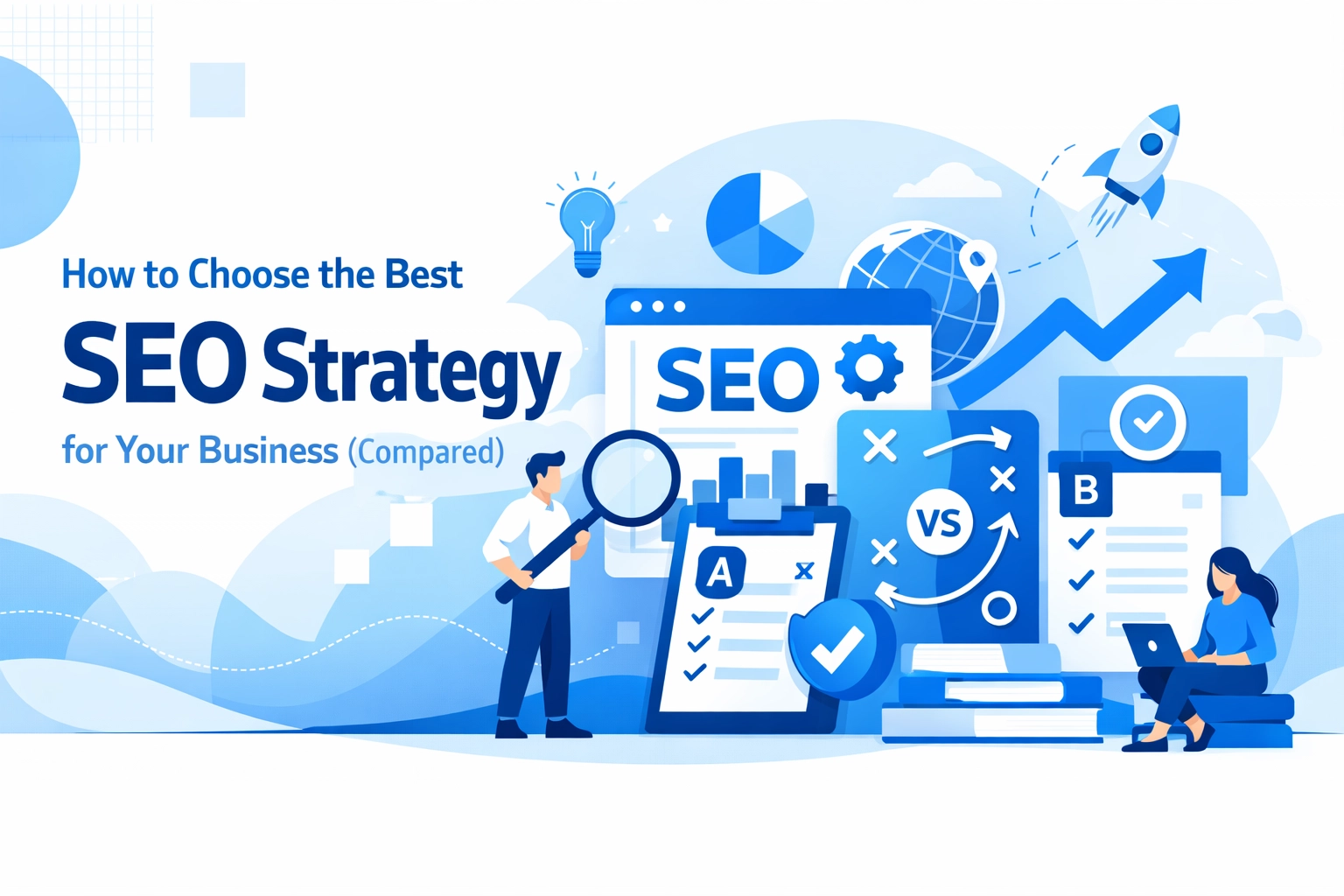

SEO is one of those things everyone says you need but nobody really explains clearly. If you have been looking for a way to grow your business online you have likely heard that Search Engine Optimization is the gold standard. But here is the catch. Not all SEO is the same.
Choosing the wrong strategy is like buying a high-performance sports car to drive through a cornfield. It might be a great machine but it is the wrong tool for the job. You need a strategy that matches your specific business goals, your location, and how your customers actually behave online.
At WorldWise we see a lot of businesses throwing money at "general SEO" when they really need something targeted. Let’s break down the different strategies so you can figure out which one actually makes sense for your wallet and your brand
Local SEO vs National SEO
The biggest fork in the road is deciding between Local SEO and National (or Regular) SEO. This decision usually comes down to where your customers are physically located.
Local SEO: For the Neighborhood Heroes
If you have a physical storefront or you provide a service in a specific area, Local SEO is your best friend. This is about winning the "near me" searches. When someone looks for "web design help" or "digital marketing experts," Google tries to show them results that are close by.
Local SEO focuses on:
- Google Business Profile: This is that little box that shows up on the right side of the search results or in the Map Pack.
- Local Keywords: Instead of just "plumbing," you target terms like "emergency plumber in my area" or "affordable plumbing services."
- Citations: Getting your business listed in local directories like Yelp or Yellow Pages with a consistent name, address, and phone number.
This strategy is usually faster to see results from because you are only competing with people in your immediate vicinity. If you want more foot traffic or more local calls, this is the way to go
National SEO: For the Big Players
National SEO is for businesses that don't care where their customers live. This is perfect for e-commerce sites, software companies, or consultants who work remotely. You aren't trying to rank in a specific zip code; you are trying to rank for a broad topic across the whole country.
National SEO focuses on:
- Broad Keywords: Targeting high-volume terms that people search for everywhere.
- Authority Building: Getting links from major websites to prove to Google that you are a leader in your industry.
- Content Marketing: Creating long-form guides, blogs, and resources that answer general questions.
This is a much more competitive space. You aren't just fighting the guy down the street; you are fighting every business in your industry. It takes longer and usually costs more, but the payoff is a massive audience. Check out our marketing services to see how we scale these campaigns
The Technical Foundation: Why Your Site Design Matters
You can have the best keywords in the world, but if your website is a mess, search engines will ignore you. This is where web design and SEO collide.
Google cares about user experience. If your site takes ten seconds to load or looks terrible on a phone, your rankings will tank. Technical SEO is the "behind-the-scenes" work that makes your site easy for robots to crawl and humans to use.
Key technical factors include:
- Site Speed: Nobody waits for slow sites anymore
- Mobile Optimization: More than half of all web traffic is on mobile. If your site isn't responsive, you're invisible. Take a look at our mobile development options to ensure you stay ahead
- Secure Connection (HTTPS): Google favors sites that keep user data safe.
- Site Structure: A clean sitemap helps search engines understand what your pages are about. You can see an example of a clean structure in our sitemap

Keyword Research: The "Money" Step
If you don't get your keywords right, the rest of your SEO strategy is basically guessing. You need to find the balance between what people are searching for and what you can actually rank for.
Head Keywords vs Long-Tail Keywords
Head keywords are short, broad terms like "shoes." These are almost impossible to rank for unless you are a multi-billion dollar brand.
Long-tail keywords are longer phrases like "waterproof running shoes for flat feet." These have less search volume but much higher conversion rates. People searching for specific things are usually ready to buy.
We suggest using tools like Google Keyword Planner to see what people are actually typing into the search bar. Don't just target what you think is important: target what the data shows is being searched. This is a core part of building a solid digital strategy
Content Strategy: SEO is Not Just for Robots
A few years ago, you could just stuff a page with keywords and rank. Those days are gone. Today, Google looks for "E-E-A-T" (Experience, Expertise, Authoritativeness, and Trustworthiness).
Your content needs to actually help people.
- Blog Posts: Answer common questions your customers have.
- Case Studies: Show off your work. Our portfolio is a great example of how to showcase results to build trust
- Whitepapers: Offer deep dives into complex topics.
High-quality content keeps people on your site longer, which tells Google your site is valuable. If people click your link and immediately hit the "back" button, it sends a signal that your page didn't meet their needs.

The Combined Approach: The Hybrid Model
For many businesses, the "best" strategy isn't choosing one or the other. It's a mix.
Think about a restaurant. They need Local SEO so people can find their address and hours. But they might also use National SEO (blogging about recipes or food trends) to build a brand that people talk about nationwide, which eventually helps their local rankings too.
If you are a service provider, you might target local keywords for your main service pages but use a national strategy for your blog to attract a wider audience and build your authority.
Comparing the Costs: Time vs Money
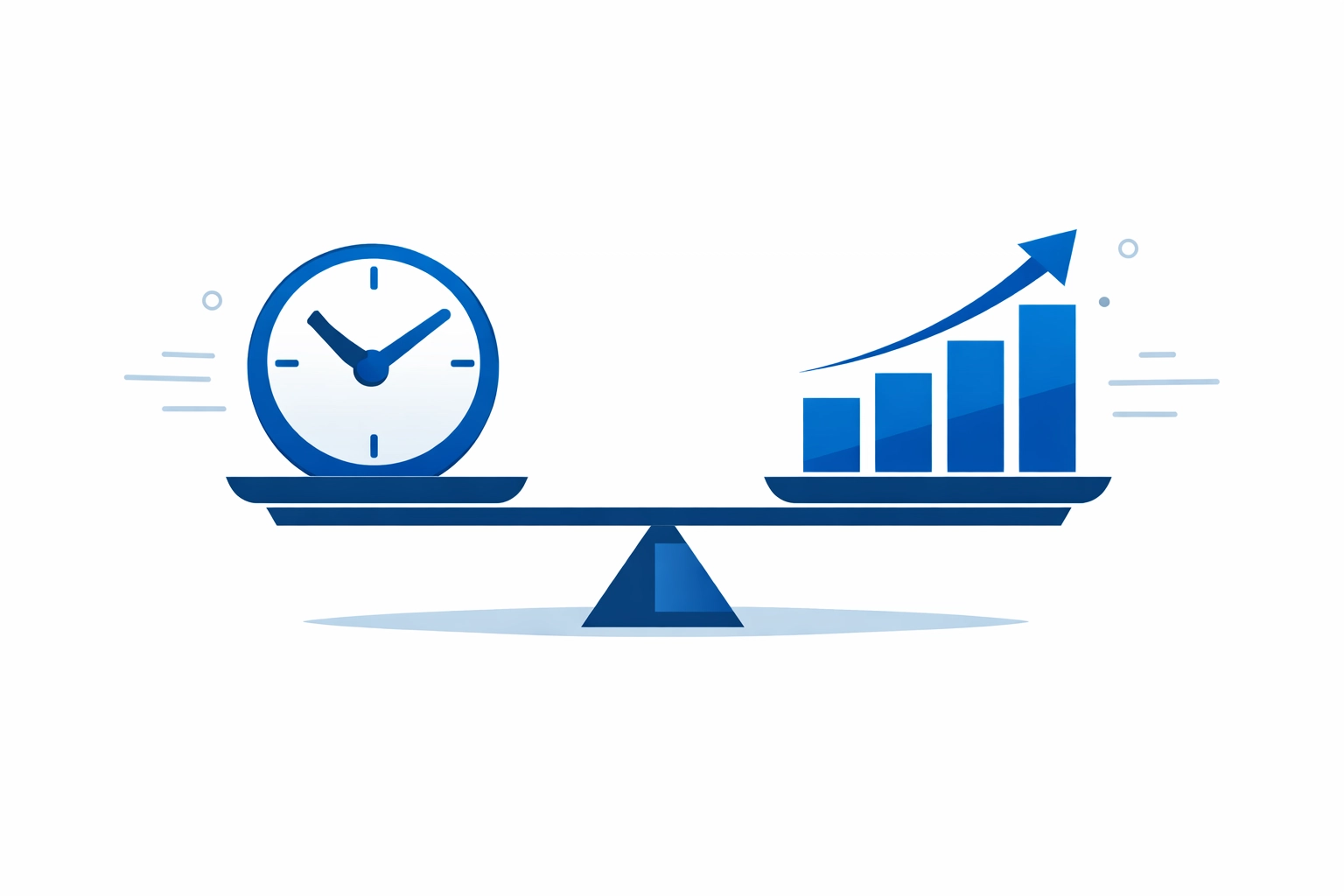
SEO is an investment, not an expense. But you have to decide how you want to pay for it.
- DIY SEO: You spend your own time learning the tools, writing content, and tweaking your site. It’s "free" in terms of cash, but it takes a long time to see results.
- Hiring an Agency: You pay a professional team to handle the strategy, technical fixes, and content creation. It costs more upfront but usually results in a much higher return on investment (ROI).
If you are unsure where to start, you can always get started with a consultation to see what fits your current budget
How to Measure Success
You can't just set it and forget it. You need to track your progress to see if your strategy is actually working.
Use Google Analytics and Google Search Console to monitor:
- Organic Traffic: How many people are finding you through search engines?
- Bounce Rate: Are people leaving your site immediately?
- Conversion Rate: Are those visitors turning into customers?
- Keyword Rankings: Are you moving up the pages for your target terms?
If you aren't seeing movement after 3-6 months, it might be time to pivot your strategy. SEO is a long game, but you should still see signs of life along the way
Ready to Pick a Strategy?
Choosing the right SEO path doesn't have to be a headache.
- Identify your audience (Local or National)
- Fix your technical foundation (Speed and Mobile)
- Research your keywords (Find the long-tail wins)
- Create helpful content (Build trust)
- Track everything (Adjust as you go)
If you want someone to take the wheel and handle the heavy lifting for you, we are here to help. Whether you need a brand new web design or a full-scale marketing strategy, our team at WorldWise has the experience to get you found online.
Reach out to us on our contact page if you want to chat about your specific goals and get a custom plan built just for your business
Good SEO is about being found by the right people at the right time. Stop guessing and start growing your digital footprint today