


Your website isn't just your digital business card anymore: it's your storefront, sales team, and customer service desk rolled into one. But here's the reality check: if your site isn't prepared for 2026, you're already falling behind your competition.
The digital landscape changes fast. What worked in 2023 might actually hurt your business today. Hackers are getting smarter, Google keeps updating its algorithms, and your customers expect more from every click. The good news? Getting ahead isn't rocket science: it just requires focusing on five critical areas that separate thriving businesses from those struggling to keep up.
Let's break down exactly what your website needs to not just survive but dominate in 2026.
Make Your Site Mobile-First (Because That's Where Your Customers Are)
Here's a stat that might surprise you: over 60% of all web traffic now comes from mobile devices. For many businesses, that number is closer to 80%. Yet countless websites still treat mobile as an afterthought.
Mobile-first design means building your site for smartphones first, then scaling up to desktop. This isn't just about making text bigger or stacking elements vertically. It's about rethinking the entire user experience.
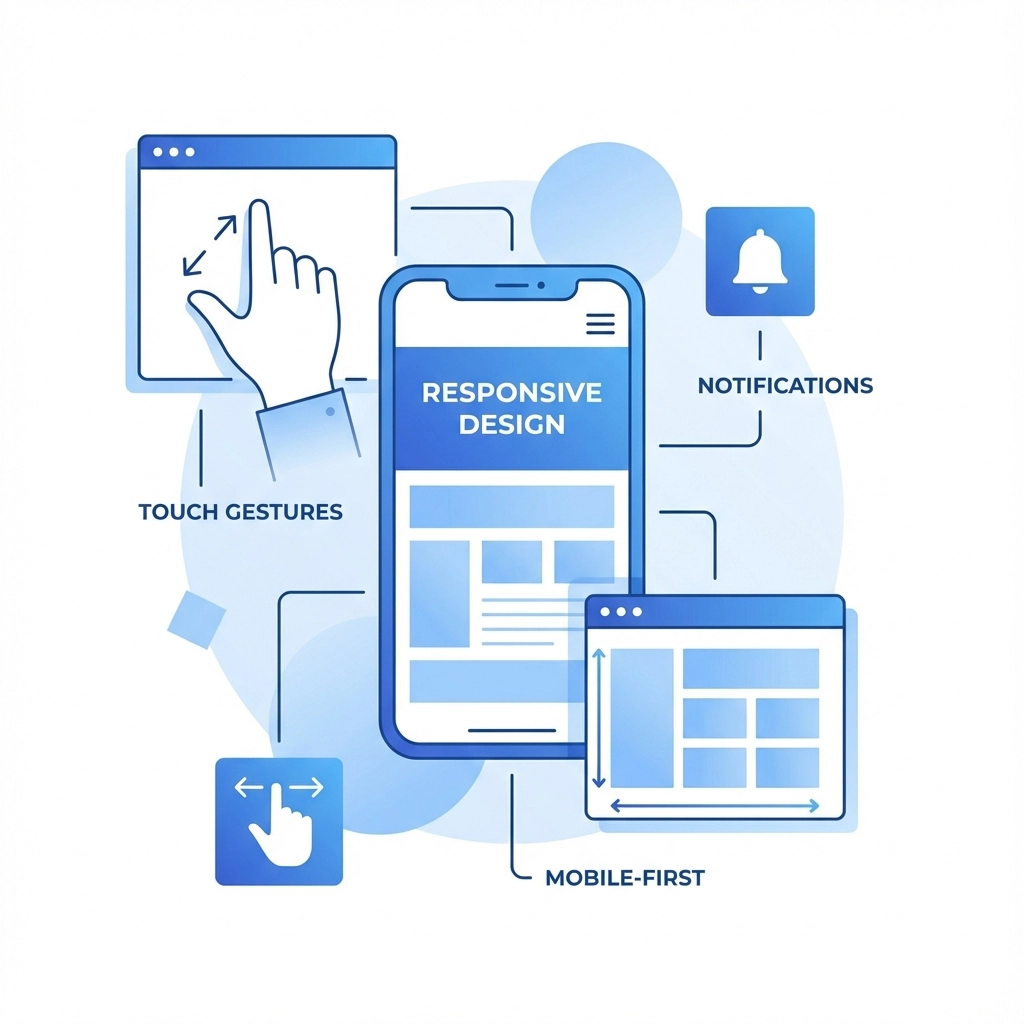
What this looks like in practice:
- Navigation that works with thumbs, not mouse cursors
- Forms that don't require endless scrolling and zooming
- Images that load quickly without eating up data plans
- Buttons large enough to tap accurately
- Content that's scannable in 30 seconds or less
Consider a local restaurant that redesigned their website mobile-first. They moved their phone number and location to the top of every page, made their menu easily readable on small screens, and streamlined online ordering to three simple steps. Result? Online orders increased by 40% in the first quarter.
The technical side matters too. Google now uses mobile-first indexing, meaning it primarily looks at your mobile version to determine search rankings. A clunky mobile experience doesn't just frustrate customers: it tanks your visibility in search results.
Keep Your Software Updated (Your Security Depends On It)
Outdated websites are like houses with unlocked doors. You might get lucky for a while, but eventually, someone's going to walk in uninvited.
Every plugin, theme, and content management system on your site needs regular updates. These aren't just feature improvements: they're often critical security patches that fix vulnerabilities hackers actively exploit.
Create an update schedule that includes:
- WordPress core updates within 48 hours of release
- Plugin updates weekly (after testing on a staging site)
- Theme updates monthly
- Regular security scans to catch issues early
- Automated backups before any major changes
One small business learned this lesson the hard way. They ignored WordPress updates for six months. Hackers exploited a known vulnerability in an outdated plugin, installed malware, and used their site to send spam. Google blacklisted them, and they lost 90% of their organic traffic overnight. The cleanup cost them $3,000 and three weeks of lost revenue.

The solution is simple but requires discipline. Set up automatic updates for minor releases, but test major updates on a staging environment first. Many web hosting providers now offer managed WordPress services that handle this automatically.
Switch to Full HTTPS (No Exceptions)
If your website still uses HTTP instead of HTTPS, you're sending a clear message to visitors: "We don't take security seriously." HTTPS encrypts data between your website and visitors' browsers, protecting sensitive information like contact forms, payment details, and login credentials.
Google has been pushing HTTPS adoption for years, and now it's essentially mandatory. Browsers display warnings for non-HTTPS sites, Google penalizes them in search results, and customers increasingly recognize the security indicators.
The business impact is immediate:
- Higher search rankings (HTTPS is a confirmed ranking factor)
- Better conversion rates (customers trust secure sites more)
- Compliance with data protection regulations
- No embarrassing "not secure" warnings in browser address bars
Implementing HTTPS used to be expensive and complicated. Now, most hosting providers offer free SSL certificates through Let's Encrypt, and setup takes minutes rather than hours.
Prioritize Lightning-Fast Speed (Because Nobody Waits Anymore)
Your website has about three seconds to load before visitors start leaving. That's not opinion: it's data from countless studies. Amazon found that every 100-millisecond delay in page load time costs them 1% in sales.
Site speed affects everything: search rankings, user experience, conversion rates, and mobile battery life. In 2026, speed isn't just a nice-to-have feature: it's table stakes for staying competitive.
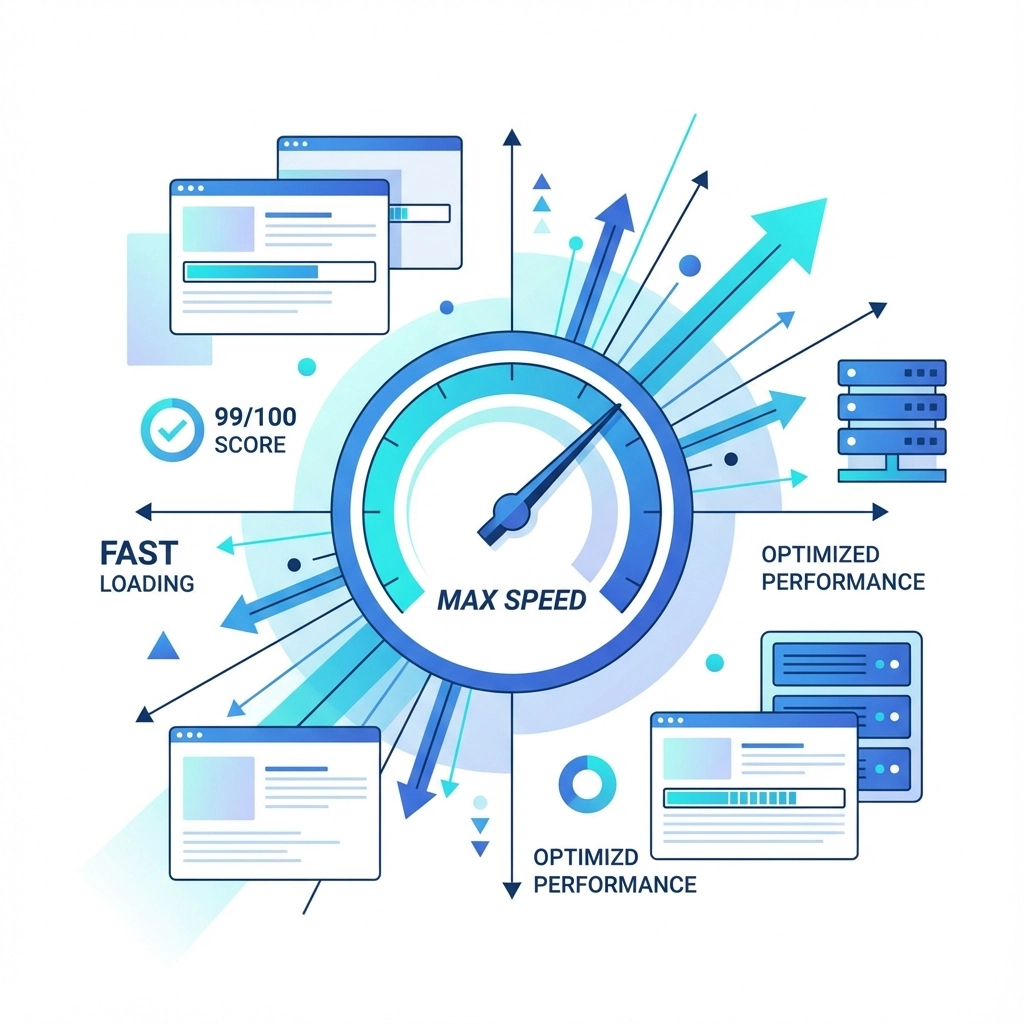
Focus on these speed optimization tactics:
- Compress and optimize all images (aim for under 100KB per image)
- Use a content delivery network (CDN) to serve files from multiple locations
- Minimize HTTP requests by combining CSS and JavaScript files
- Enable browser caching so repeat visitors load pages faster
- Choose a hosting provider with solid performance metrics
A photography studio increased their website speed from 8 seconds to 2 seconds by optimizing their image gallery. Their bounce rate dropped by 35%, and inquiries increased by 50%. The investment in optimization paid for itself within a month.
Tools like Google PageSpeed Insights, GTmetrix, and Pingdom make it easy to identify speed bottlenecks. The key is addressing the biggest issues first rather than trying to achieve a perfect score.
Make Your Site Accessible (Expand Your Audience and Reduce Risk)
Accessibility isn't just about doing the right thing: though that matters too. It's about reaching the 26% of adults who live with disabilities and avoiding expensive lawsuits from companies that ignore accessibility requirements.
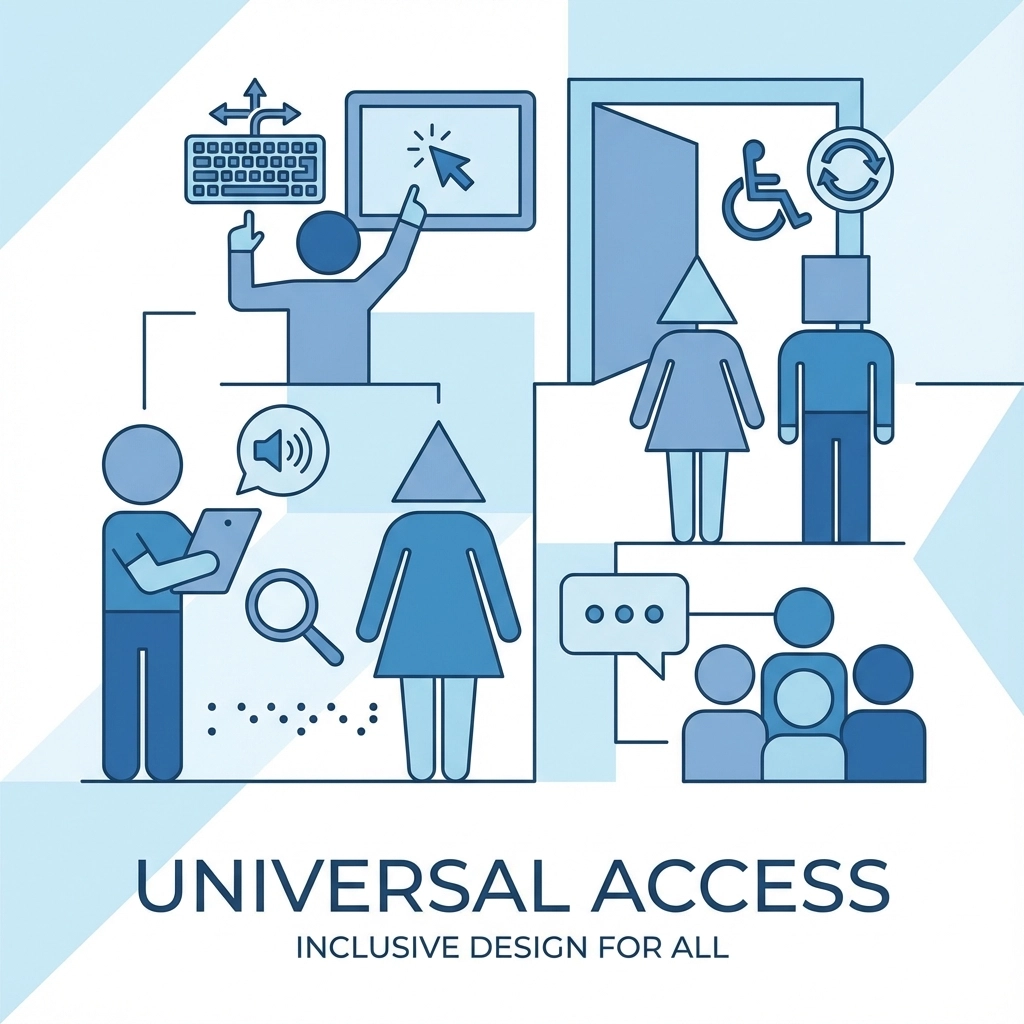
Web accessibility means designing your site so everyone can use it, regardless of their abilities. This includes people who use screen readers, have limited mobility, or experience visual or hearing impairments.
Essential accessibility features include:
- Alt text for all images so screen readers can describe them
- Keyboard navigation for users who can't use a mouse
- Sufficient color contrast for users with visual impairments
- Captions for videos and transcripts for audio content
- Clear, descriptive link text instead of "click here"
Here's the bonus: accessible websites perform better for everyone. Clean code structure improves search rankings, better contrast makes text easier to read, and logical navigation helps all users find what they need faster.
A professional services firm added accessibility features to their website and saw unexpected benefits. Their search rankings improved because screen reader-friendly code is also search engine-friendly code. Their contact form submissions increased by 25% because clearer labels and error messages helped everyone complete forms more successfully.
Building Your Future-Proof Website Strategy
These five elements work together to create a website that not only survives but thrives in 2026 and beyond. Mobile-first design ensures you reach customers where they are. Regular updates keep your site secure and functional. HTTPS builds trust and improves rankings. Fast loading speeds reduce bounce rates and increase conversions. Accessibility expands your audience and strengthens your technical foundation.
The businesses that invest in these fundamentals now will have a significant competitive advantage as digital standards continue rising. Those that wait will find themselves playing catch-up while losing customers to better-prepared competitors.
Your website is one of your most valuable business assets. Don't let outdated technology, security vulnerabilities, or poor user experience undermine everything you've built.
Ready to future-proof your website and stay ahead of the competition? WorldWise specializes in building secure, fast, mobile-optimized websites that convert visitors into customers. Contact us at (800) 555-0102 or get started with a free website analysis to see exactly how your current site measures up and what improvements will drive the biggest results for your business.