

So you need a new website. Maybe your current one looks like it was built in 2010. Maybe you're starting fresh. Either way, you're about to make a decision that will impact your business for years to come
Before you hire anyone or sign anything, there are some things you need to know. The web design industry is full of talented professionals: but it's also full of pitfalls that can cost you time, money, and headaches
Here are 10 critical things every business owner should understand before diving into a web design project
1. Your Website Is More Than Just a Pretty Face
A lot of people think web design is just about making things look nice. It's not
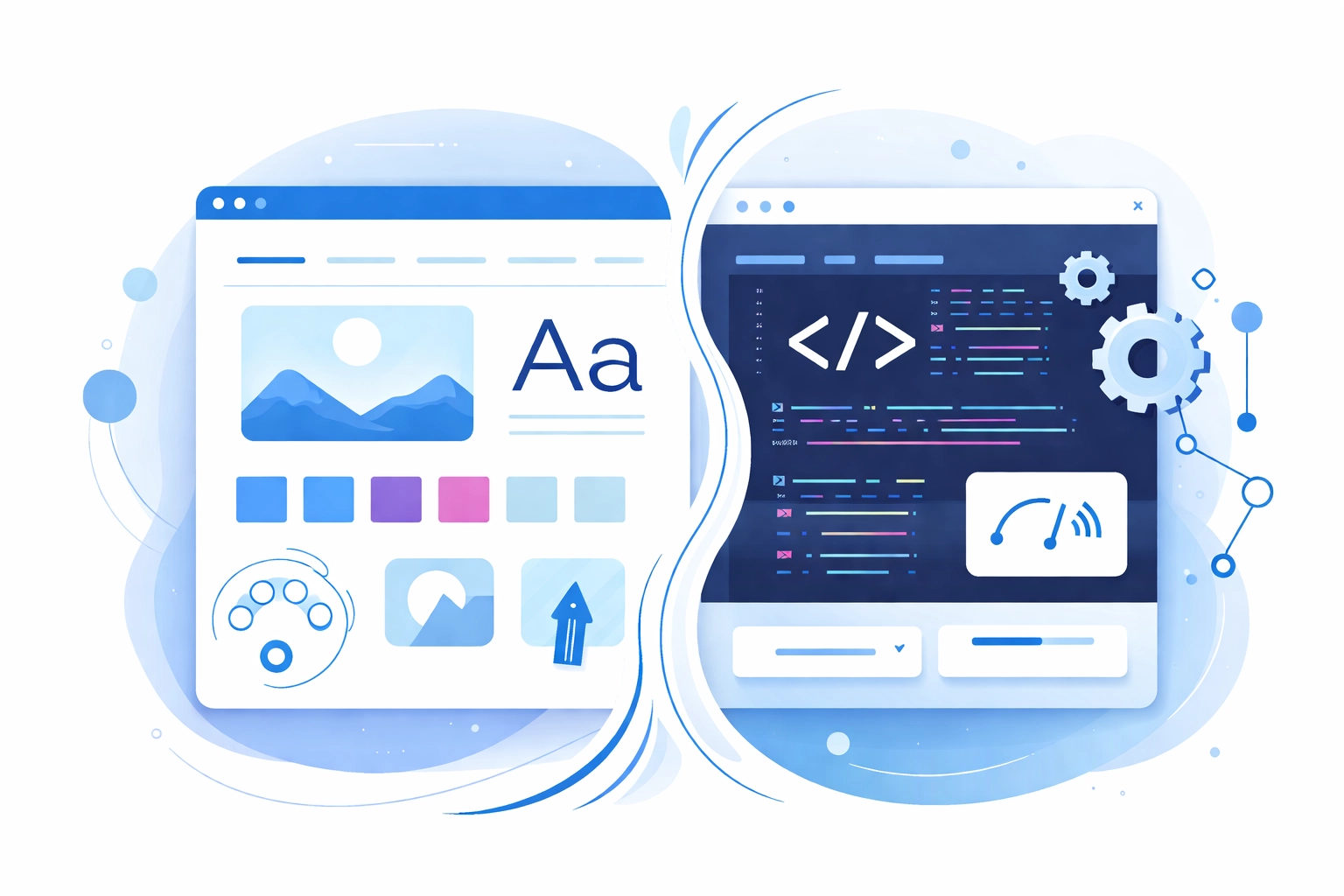
Good web design combines creativity with technical skill. It's about how your site looks, sure, but also how it functions, how fast it loads, and how easy it is for visitors to find what they need
Your website is often the first impression potential customers have of your business. If it looks outdated or doesn't work properly, they're going to bounce: and probably head straight to your competitor
2. User Experience Should Drive Every Decision
Here's the deal: your website isn't for you. It's for your customers
User experience (UX) is all about understanding who will use your website and what problems they're trying to solve. Every design choice: from menu placement to button colors: should make it easier for visitors to accomplish their goals
Ask yourself: Can someone find your contact info in under 5 seconds? Can they understand what you do within the first few seconds of landing on your homepage? If not, you've got a UX problem
3. Mobile-First Isn't Optional Anymore
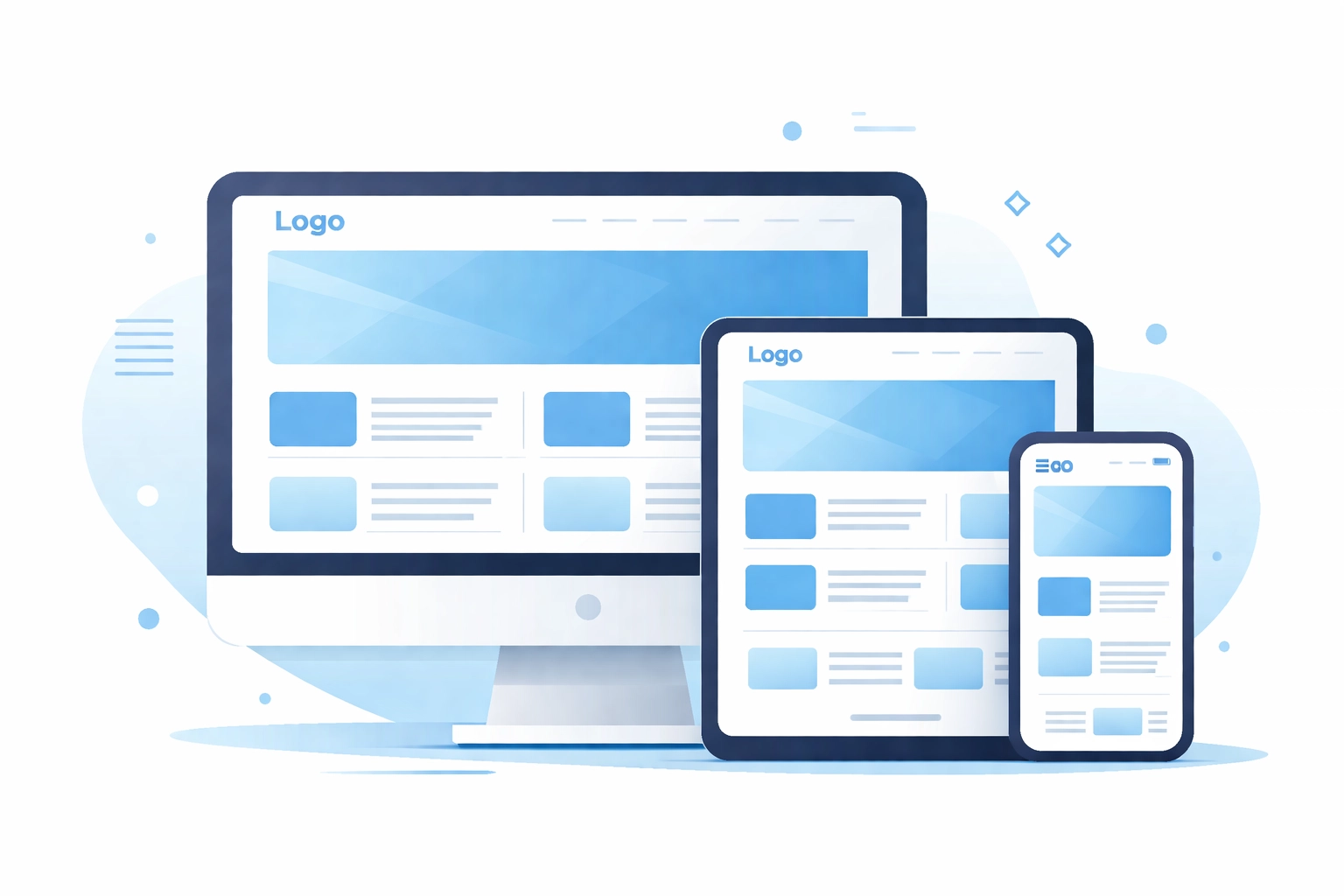
More than half of all web traffic now comes from mobile devices. If your website doesn't look and work great on a smartphone, you're losing customers
Responsive design means your site adapts seamlessly to different screen sizes: desktops, tablets, and phones. This isn't a nice-to-have feature. It's essential
When you're talking to potential web design partners, make sure mobile responsiveness is baked into their process from day one
4. Speed Matters More Than You Think
Here's a stat that might surprise you: 40% of visitors will abandon a website that takes more than 3 seconds to load
Three seconds. That's it
Slow websites kill conversions. They also hurt your search engine rankings. Google has made it clear that page speed is a ranking factor, so if your site is sluggish, you're getting penalized twice: once by impatient visitors and once by search algorithms
A good web designer will optimize images, minimize code, and use proper hosting to keep your site running fast
5. Content Is Part of the Design
One of the biggest mistakes business owners make is thinking about content as an afterthought. "We'll figure out the text later" is a recipe for disaster
Your content and design need to work together. The words on your page affect layout decisions, visual hierarchy, and user flow. A designer can't create an effective homepage if they don't know what message you're trying to communicate
Before your project kicks off, have a clear idea of your key messages, value propositions, and calls-to-action
6. Visual Hierarchy Guides Your Visitors
Ever land on a website and feel overwhelmed? That's usually a visual hierarchy problem
Visual hierarchy is about arranging elements on a page by importance. Size, color, contrast, and positioning all play a role in guiding users through your content in a logical sequence
Good designers use visual hierarchy to:
- Draw attention to important information
- Make calls-to-action stand out
- Create a natural reading flow
- Reduce cognitive load
When everything screams for attention, nothing gets noticed
7. Simplicity Beats Complexity Every Time
There's a temptation to cram everything onto your homepage. Every service, every testimonial, every award you've ever won
Don't do it
Simple designs help users focus on what's important. Clear layouts, easy-to-read fonts, and plenty of white space make it easier for visitors to find information and take action
Less is genuinely more when it comes to effective web design. The goal isn't to impress people with complexity: it's to guide them toward becoming customers
8. You Need to Think About Maintenance
Your website isn't a "set it and forget it" project. It needs regular updates, security patches, and content refreshes to stay effective
Before you sign with any web design company, ask about ongoing maintenance and support. Who handles updates? What happens if something breaks? Is hosting included?
Some designers hand you the keys and disappear. Others offer ongoing support packages that keep your site running smoothly. Know what you're getting into before you commit
9. SEO Should Be Built In From the Start
Search engine optimization isn't something you bolt on after your site is finished. It needs to be part of the foundation
This includes:
- Proper site structure and navigation
- Clean, crawlable code
- Optimized page titles and meta descriptions
- Fast loading speeds
- Mobile responsiveness
- Strategic use of headings and content
If your web designer doesn't understand SEO basics, your beautiful new website might never get found. Make sure digital marketing strategy is part of the conversation from day one
10. The Cheapest Option Usually Isn't
We get it: budgets are real. But when it comes to web design, you often get what you pay for
That $500 website template might seem like a bargain until you realize it doesn't convert visitors, can't be customized to your needs, and looks exactly like 10,000 other sites on the internet
Professional web design is an investment in your business. A well-designed website generates leads, builds credibility, and pays for itself many times over. A poorly designed one costs you opportunities you'll never even know you missed
Ready to Get Started?
Finding the right web design partner makes all the difference. You want someone who understands your business goals, communicates clearly, and delivers results: not just a pretty mockup
At WorldWise, we've been helping businesses build effective websites for years. We focus on strategy, user experience, and measurable results. If you're ready to talk about your project, reach out to our team and let's figure out the best path forward
Take a look at our portfolio to see examples of our work, or contact us with any questions
Your website is too important to leave to chance. Do your homework, ask the right questions, and partner with a team that understands what it takes to succeed online