
You need IT support. Your systems keep having issues, security threats are everywhere, and you're tired of being the person everyone comes to when the printer stops working.
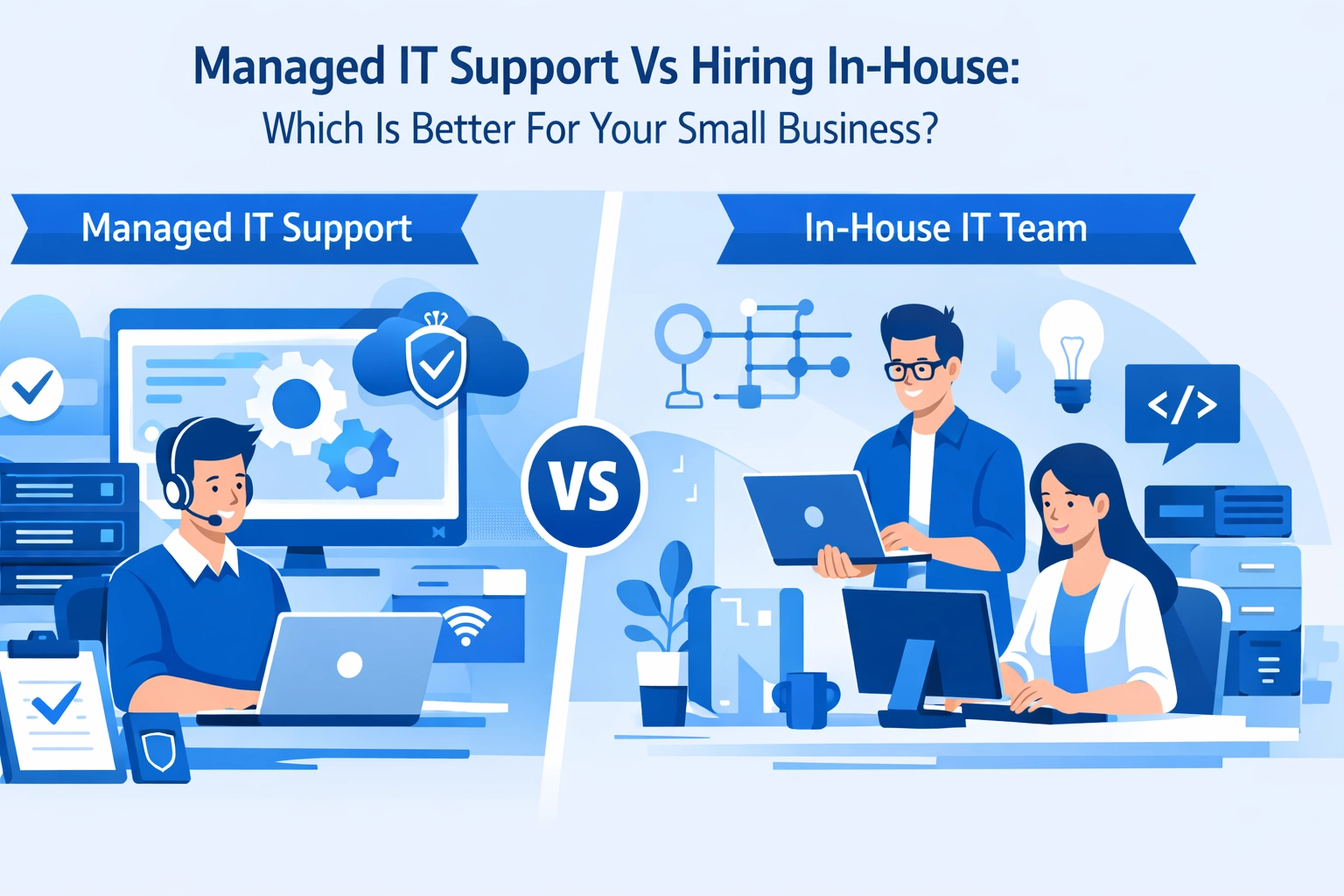
The question is: do you hire someone full-time or go with managed IT support?
Let's break down both options so you can figure out what actually makes sense for your business.
The Real Cost of In-House IT
Here's what most small business owners don't realize about hiring in-house IT staff.
A single IT professional costs way more than their salary. You're looking at benefits, payroll taxes, training, equipment, software licenses, and workspace. The average total compensation package easily hits six figures when you add everything up.
And that's just for one person. What happens when they're on vacation, out sick, or dealing with something outside their expertise? You're stuck.

With managed IT support, you pay a predictable monthly fee. No surprise costs, no benefits packages, no payroll headaches. You get access to an entire team of specialists for what you'd pay one employee.
The operational setup is simpler too. Hiring an in-house person means posting jobs, interviewing candidates, onboarding, and waiting months before they're fully productive. Managed services? Sign a contract and you're covered.
What You Get With Managed IT Services
Managed IT providers bring more to the table than just cost savings.
Access to Multiple Specialists
Your business needs different types of IT expertise. Network security, cloud infrastructure, software troubleshooting, hardware maintenance, cybersecurity compliance. No single person can master all of it.
When you work with a managed service provider, you get a whole team. Someone's always available who knows exactly how to handle your specific issue. No more watching your one IT person google solutions or calling in expensive consultants for specialized problems.
24/7 Support
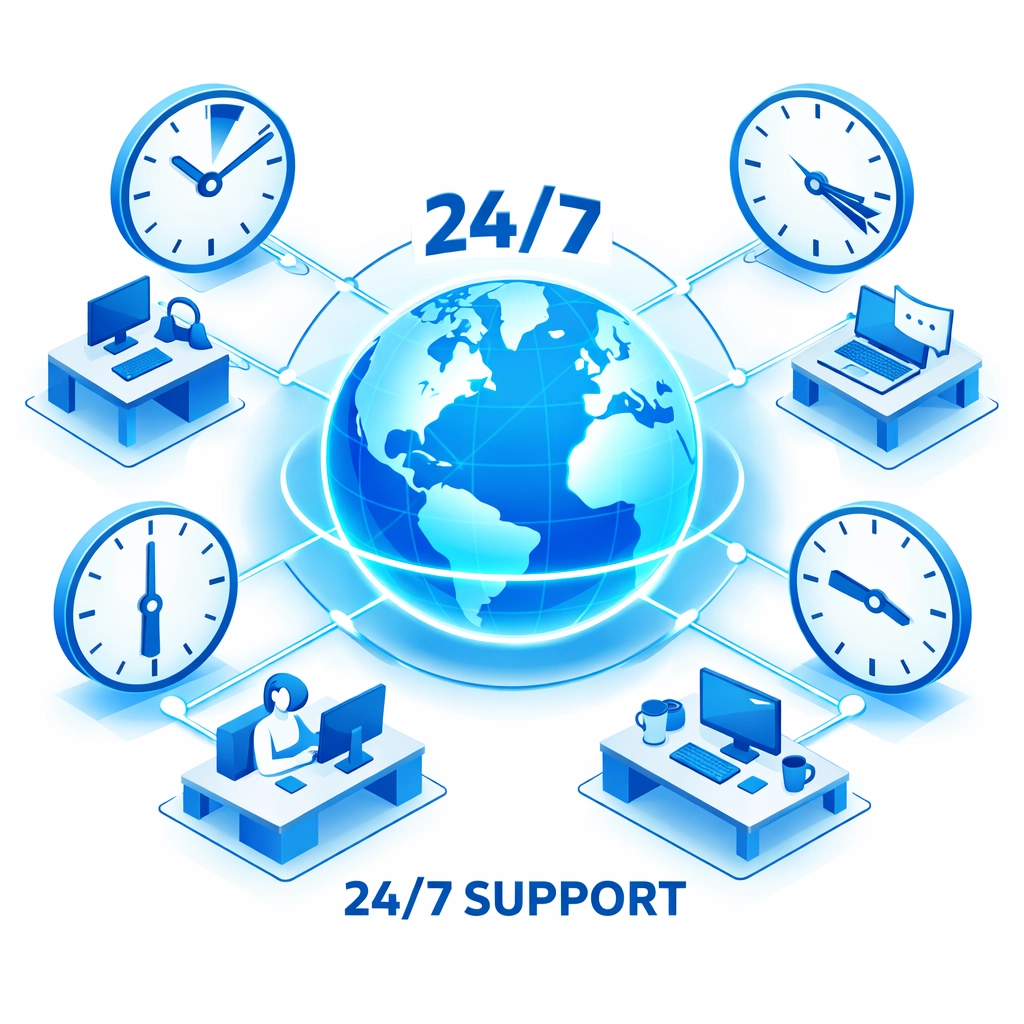
Technology doesn't break on a schedule. Server crashes at 2 am, ransomware attacks happen on weekends, critical systems fail during holidays.
In-house IT staff work regular hours. Maybe they'll respond to emergencies off the clock, but that's not sustainable. Managed IT providers offer round-the-clock monitoring and support. Someone's always watching your systems and ready to respond immediately.

Scalability Without Hiring Headaches
Your business changes. You add new employees, expand to new locations, adopt new software, or maybe you need to scale back during slow periods.
With in-house IT, every change means rethinking your staffing. Hiring takes months, layoffs are painful and expensive. Managed services scale up or down with a simple conversation. Need more support during a busy season? Done. Scaling back for a few months? No problem.
Up-to-Date Knowledge and Technology
Technology evolves constantly. New security threats emerge daily, software updates break things, best practices change every year.
Keeping an in-house team trained and certified costs serious money. Managed IT providers invest in ongoing training for their entire staff because that's their business. You automatically benefit from their latest knowledge without paying for certifications, conferences, or training time.
When In-House IT Makes More Sense
Managed services aren't perfect for every situation. Sometimes bringing IT in-house is the better move.
You Need Constant Physical Presence
If your business relies on specialized hardware that requires hands-on attention throughout the day, in-house might be necessary. Manufacturing facilities, research labs, or businesses with unique physical infrastructure sometimes need someone on-site constantly.
Highly Customized Systems
Some organizations run extremely specific proprietary systems that require deep, intimate knowledge. If your technology is that specialized, having someone who lives and breathes your exact setup can be valuable.
Control Over Strategy
In-house IT gives you more direct control over technology decisions and strategy. Your IT person reports directly to you, understands your company culture intimately, and can align technology choices with your business goals without translation layers.
The response time can be faster too. When someone's sitting in your office, they can walk over and fix issues immediately. No waiting for remote support or scheduled visits.
The Hybrid Approach That Actually Works
You don't have to choose just one option. Many businesses find success combining both.
The most common hybrid model: hire one in-house IT person to handle day-to-day support and basic troubleshooting, then partner with a managed service provider for specialized expertise, after-hours coverage, and major projects.
This gives you the personal touch and immediate availability of in-house support while still accessing the deep expertise and scalability of managed IT services. Your in-house person can focus on understanding your specific needs while the managed provider handles complex security, infrastructure management, and specialized technical challenges.
The hybrid approach costs more than going fully managed, but less than building a complete in-house team. It's a middle ground that works well for growing businesses.
Making Your Decision
Here's how to actually figure out what's right for your business.
Start with your budget. Calculate what you can realistically spend on IT support monthly. Remember to include the full cost of employment if you're considering in-house - salary, benefits, taxes, equipment, training, everything.
Assess your technology complexity. Are you running standard business software and cloud services, or do you have specialized systems that need unique expertise? The more complex and specialized your technology, the more you benefit from managed services' broad expertise.
Consider your growth plans. If you're planning to grow significantly over the next few years, managed services scale much easier. If you're stable at your current size, in-house might make sense.
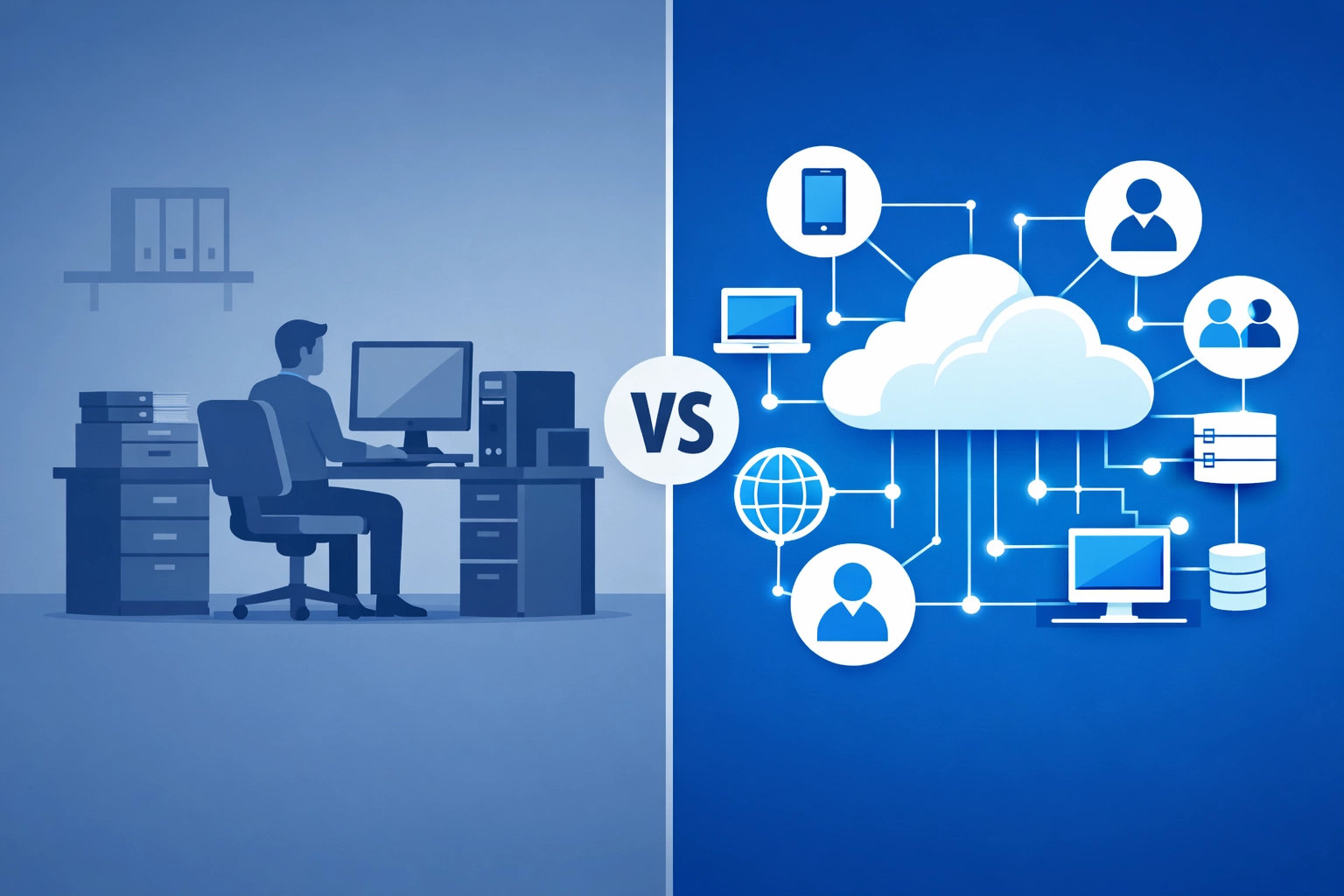
Evaluate your risk tolerance. What happens if your IT person quits, gets sick, or goes on vacation? Can your business handle IT downtime? Managed services provide redundancy that single-employee setups can't match.
Think about security requirements. Cybersecurity gets more complex every year. Compliance requirements, threat detection, security monitoring - these need specialized expertise that's expensive to maintain in-house.
What Most Small Businesses Should Do
For most small businesses with under 50 employees, managed IT support makes more financial and operational sense.
You get enterprise-level expertise and support at a fraction of the cost of building an internal team. The predictable monthly pricing makes budgeting easier. You avoid the risks of employee turnover and single points of failure.
As you grow larger, you might add in-house support or move to a hybrid model. But starting with managed services gives you professional IT support from day one without the overhead and complexity of hiring employees.
The key is finding a managed service provider that actually understands your business needs and communicates clearly. Look for providers who explain things in plain language, respond quickly, and treat your business like it matters - because it does.
Want to talk through your specific situation? Get in touch and we can help you figure out the right IT support approach for your business.