

So you've got a website but nobody seems to find it. You're not alone. Most business owners launch a site and expect visitors to magically appear. Spoiler alert: that's not how it works
Search engine optimization (SEO) is how you get your website to show up when people search for what you offer. It's not magic and it's not rocket science. It just takes some know-how and consistent effort
Let's break it down into pieces you can actually use
What Is SEO Anyway
SEO stands for search engine optimization. It's the process of making adjustments to your website so search engines like Google can find it, understand it, and show it to the right people
When someone types a question or phrase into Google, the search engine scans billions of pages to find the most relevant results. Your goal is to be one of those results: ideally on the first page
Think of SEO as making your website easier to read for both humans and search engines. When you do it right, you drive more traffic, generate more leads, and ultimately make more sales

The Three Pillars of SEO
SEO breaks down into three main categories. Master these and you're on your way to ranking higher
1. On-Page SEO
This is everything you control directly on your website. It includes your content, your page titles, your headings, and how you structure information
Here's what matters most for on-page SEO:
- Title tags: The clickable headline that appears in search results. Include your main keyword and keep it under 60 characters
- Meta descriptions: The short summary below your title in search results. Make it compelling and include your keyword
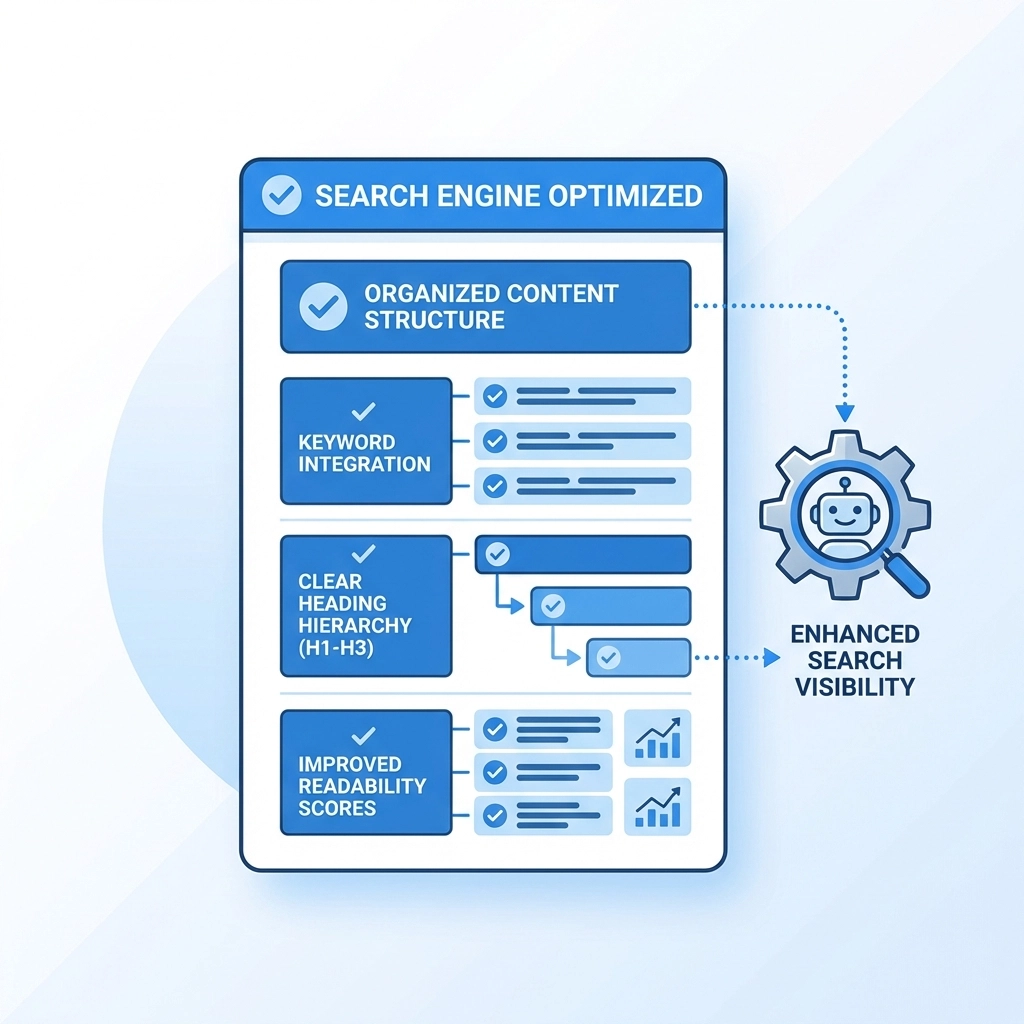
- Headings: Use H1 for your main title and H2/H3 for subheadings. This helps search engines understand your content structure
- Content quality: Write helpful, trustworthy content that actually answers what people are searching for
- Internal links: Link to other pages on your site using descriptive anchor text
The key here is to think about what your visitor needs. What questions are they asking? What problems do they need solved? Answer those directly
2. Off-Page SEO
Off-page SEO refers to actions taken outside your website that affect your rankings. The biggest factor here is backlinks
Backlinks are links from other websites pointing to yours. Think of them as votes of confidence. When a reputable site links to your content, Google sees that as a signal that your content is worth showing to others
Not all backlinks are equal though. A link from a well-known industry publication carries way more weight than a link from a random blog nobody reads
Ways to earn quality backlinks:
- Create content worth linking to (guides, original research, helpful tools)
- Guest post on relevant websites
- Build relationships with others in your industry
- Get listed in reputable directories

3. Technical SEO
Technical SEO covers the behind-the-scenes stuff that helps search engines crawl and index your site. You don't need to be a developer to understand the basics
Key technical factors include:
- Site speed: Slow websites frustrate users and hurt rankings. Compress images, use caching, and choose good hosting
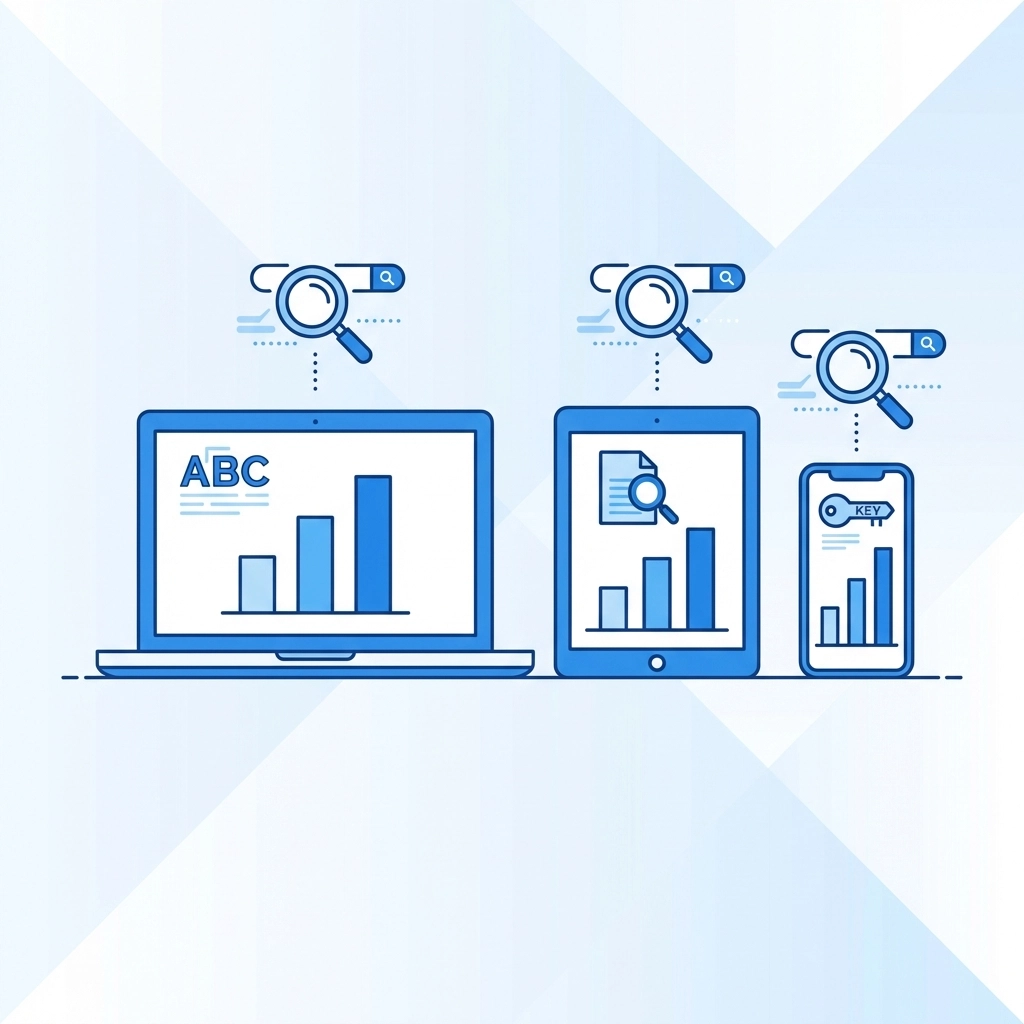
- Mobile-friendliness: More than half of all searches happen on mobile devices. Your site needs to look good and work well on phones and tablets
- Site structure: Organize your pages logically so search engines can easily navigate your site
- SSL certificate: That little padlock in your browser bar matters. Secure sites (https) rank better than non-secure ones
- XML sitemap: This file helps search engines find all your pages
If technical SEO sounds intimidating, start with the basics. Make sure your site loads fast and works on mobile. That alone puts you ahead of many competitors
How to Do Keyword Research
Keywords are the foundation of SEO. These are the words and phrases people type into search engines when looking for information
Your job is to figure out which keywords your potential customers use and then create content around those terms
Here's a simple process:
Step 1: Brainstorm topics Think about what your business offers. What questions do your customers ask? What problems do you solve?
Step 2: Use free tools Google Keyword Planner and Google Trends are free tools that show you what people actually search for. Type in your topics and see what comes up
Step 3: Check search volume and competition Look for keywords that have decent search volume but aren't impossible to rank for. Long-tail keywords (longer, more specific phrases) are often easier to rank for than short generic terms
Step 4: Match intent Make sure the keyword matches what your page offers. If someone searches "how to fix a leaky faucet," they want instructions: not a sales pitch
Creating Content That Ranks
Once you have your keywords, it's time to create content. But not just any content: content that actually helps people
Google's algorithm has gotten really good at identifying quality. It looks for something called E-E-A-T: Experience, Expertise, Authoritativeness, and Trustworthiness
What does that mean in practice?
- Show your experience: Share real examples and insights from your work
- Demonstrate expertise: Back up claims with data and link to reputable sources
- Build authority: Create comprehensive content that covers topics thoroughly
- Earn trust: Be accurate, transparent, and helpful
Structure matters too. Use clear headings, short paragraphs, and bullet points. Make your content easy to scan. Most people don't read every word: they skim for what they need
Quick Wins You Can Implement Today
Feeling overwhelmed? Start with these simple actions:
- Run a site audit: Check your site for broken links, slow pages, and missing meta descriptions. Free tools like Google Search Console can help
- Optimize your title tags: Make sure every page has a unique, keyword-rich title
- Speed up your site: Compress large images and remove plugins you don't use
- Make it mobile-friendly: Test your site on your phone. If it's hard to navigate, fix it
- Add alt text to images: Describe your images using relevant keywords. This helps with accessibility and SEO
These aren't fancy tactics but they work. Nail the basics before chasing advanced strategies
How Long Does SEO Take
Here's the honest truth: SEO takes time. You won't rank on page one overnight
Most websites start seeing meaningful results in 3-6 months. Some competitive keywords take a year or more. It depends on your industry, your competition, and how much effort you put in
The good news is that SEO compounds over time. The work you do today continues paying off months and years down the road. Unlike paid ads that stop working when you stop paying, organic traffic keeps coming
Common SEO Mistakes to Avoid
Before you dive in, watch out for these common pitfalls:
- Keyword stuffing: Cramming keywords everywhere makes your content unreadable and can get you penalized
- Ignoring mobile users: If your site doesn't work on phones, you're losing half your audience
- Buying backlinks: This violates Google's guidelines and can tank your rankings
- Neglecting updates: SEO isn't a one-time thing. Search algorithms change and your content needs to stay fresh
- Focusing only on rankings: Traffic means nothing if it doesn't convert. Make sure you're attracting the right visitors
Ready to Get Started
SEO doesn't have to be complicated. Start with the fundamentals: create helpful content, optimize your pages, make your site fast and mobile-friendly, and earn quality backlinks over time
The businesses that succeed at SEO are the ones that stay consistent. Small improvements add up
If you'd rather have experts handle your SEO while you focus on running your business, WorldWise can help. We build websites and marketing strategies that actually get found
Now go make your website work harder for you