
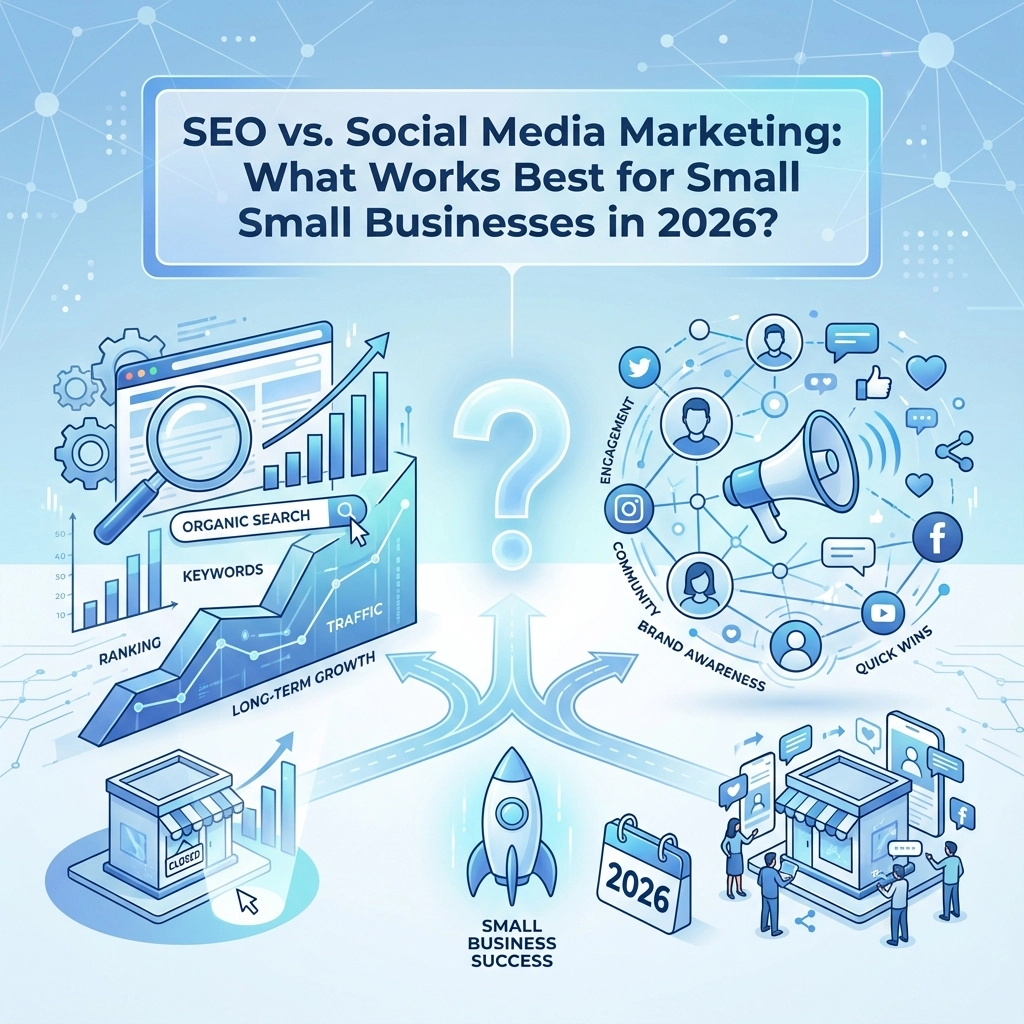

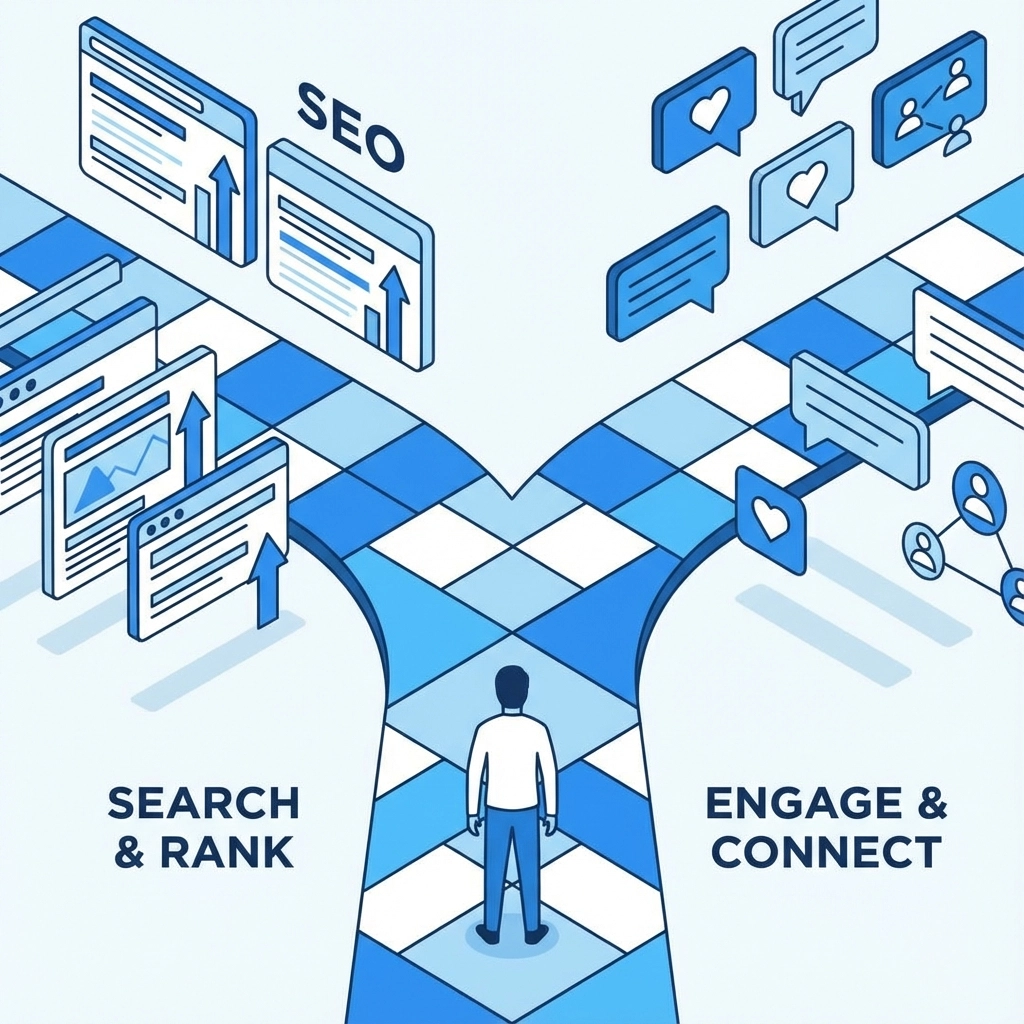
For small businesses in 2026, the best approach isn't choosing between SEO and social media marketing: it's understanding how to use them together as complementary strategies that strengthen each other.
The reality is that 90% of small businesses already view social media as an effective marketing tool, while SEO continues to drive the most qualified traffic. The question isn't which one to pick, but how to leverage both for maximum impact.
Understanding the Core Differences
SEO and social media serve fundamentally different purposes in your marketing strategy. SEO targets people actively searching for products or services like yours. These are high-intent visitors who already know they have a problem and are looking for solutions.
Social media reaches audiences who may not yet know your brand exists. It's about building awareness, creating connections, and nurturing relationships with potential customers who aren't necessarily ready to buy yet.
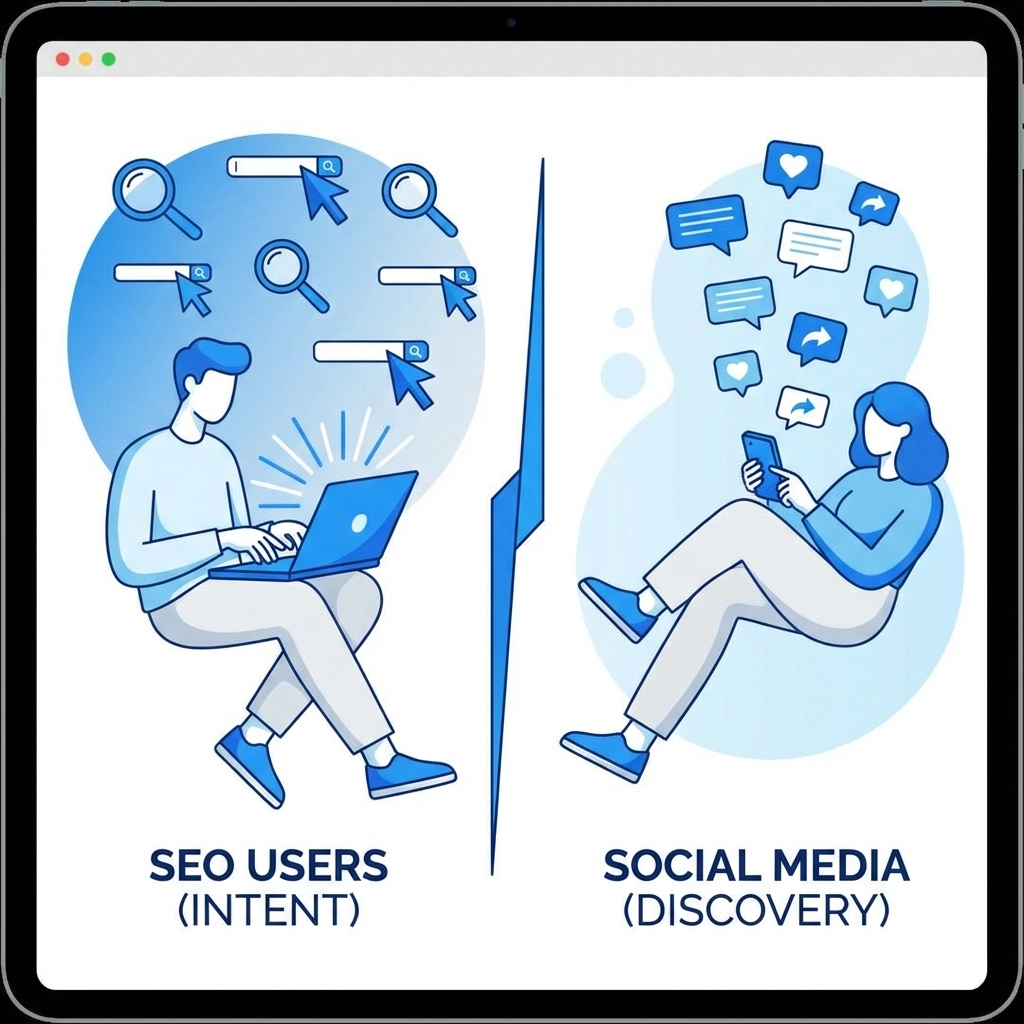
The user intent difference is crucial. Search engine visitors arrive with a clear goal: they want to buy something, solve a problem, or find specific information. Social media users are often browsing, discovering, and engaging without a particular purchase intent.
From a timeline perspective, SEO requires patience upfront but becomes cost-efficient over time. Once your pages rank well, traffic continues flowing without additional spending. Social media delivers faster visibility and engagement but requires continuous investment to maintain momentum.
Why Small Businesses Can't Ignore Either Channel
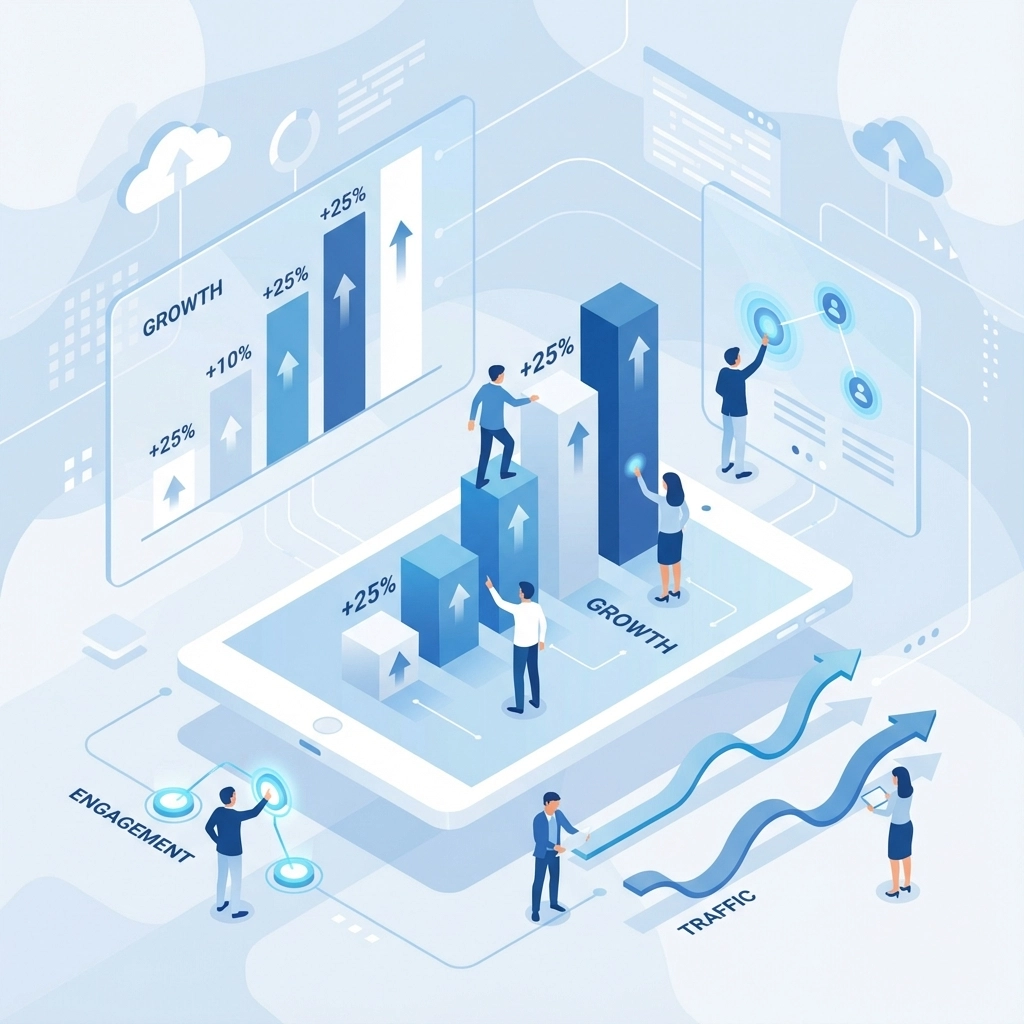
Recent data shows that 75% of marketers credit social media with increased web traffic, while 93% say it significantly improves brand exposure. For small businesses specifically, customers who interact on social media spend 35-40% more on that brand's products or services.
But here's what makes SEO equally important: it builds sustainable, long-term growth. While social media posts have a short lifespan, well-optimized content can drive traffic for months or years after publication.
The cost factor matters too. Social media advertising costs continue rising as platforms become more competitive. SEO, while requiring upfront investment in content and optimization, doesn't charge you for each visitor once you achieve rankings.
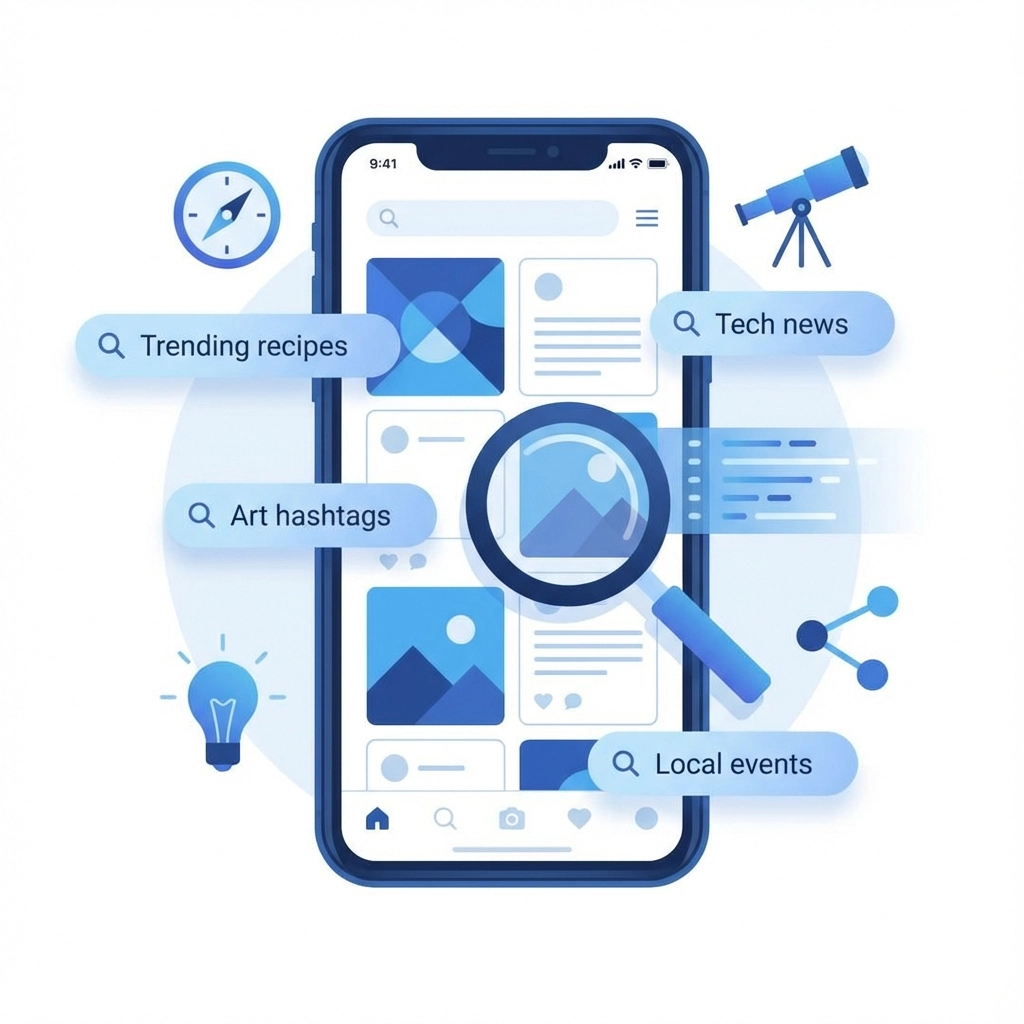
The 2026 Game Changer: Search on Social
A major shift happening right now is the rise of "search on social." Platforms like TikTok, Instagram, and Pinterest are increasingly used for product research and how-to information. Young consumers especially treat these platforms as search engines rather than just social networks.
This trend means your social content needs SEO thinking. You're no longer just creating posts for engagement: you're creating discoverable content that people actively search for within social platforms.
The implications are significant. Your TikTok videos need optimized captions and hashtags. Your Instagram posts should target specific keywords. Your LinkedIn articles require the same keyword research you'd do for blog posts.
When to Prioritize SEO
Choose SEO as your primary focus if you want sustainable, long-term lead generation. SEO works best for businesses with longer sales cycles, higher-ticket items, or services that people research extensively before buying.
SEO should be your priority if you're targeting specific keywords with commercial intent, if your customers typically research before purchasing, or if you want consistent organic traffic that doesn't depend on algorithm changes or advertising spend.
Professional services, B2B companies, and businesses solving specific problems often see better ROI from SEO because their customers actively search for solutions.
When Social Media Takes Priority
Focus on social media first if you need quick brand awareness, want to build community around your brand, or sell products that benefit from visual demonstration.
Social media works exceptionally well for businesses with shorter sales cycles, impulse purchases, or products that people discover rather than actively seek. It's also crucial for businesses that rely on word-of-mouth, reviews, and community building.
Restaurants, retail stores, creative services, and consumer goods companies often see faster results from social media because they can showcase their products visually and build emotional connections quickly.
The Integration Strategy That Actually Works
The most successful small businesses in 2026 don't treat these channels as separate entities. They create content once and adapt it for multiple platforms while maintaining consistent messaging.
Start by identifying topics your audience cares about. Create comprehensive blog content optimized for search, then break it into social media posts, videos, infographics, and stories. This approach maximizes your content investment while serving both SEO and social goals.
Use social media to amplify your SEO content. Share blog posts, create video summaries, and engage with comments to drive traffic back to your website. The social signals and traffic can indirectly boost your search rankings.
Measuring Success Across Both Channels
Track different metrics for each channel based on their strengths. For SEO, focus on organic traffic growth, keyword rankings, and conversion rates from organic search. For social media, measure engagement rates, reach, and traffic quality rather than just follower counts.
The key is understanding that social media often assists SEO conversions and vice versa. A visitor might discover you on social media, research you through search, then convert through a different channel entirely.
Budget Allocation Strategy
Most successful small businesses allocate 60-70% of their digital marketing budget to their stronger channel while maintaining 30-40% investment in the complementary channel.
If you're just starting, begin with social media for quick visibility while building your SEO foundation. As your search presence grows, gradually shift more resources toward content creation and optimization.

For established businesses, maintain strong SEO as your foundation while using social media to expand reach and engage with customers at different stages of the buying journey.
Looking Ahead: What's Next
The line between SEO and social media continues blurring. Search engines increasingly consider social signals, while social platforms improve their search capabilities. Voice search, AI-powered recommendations, and personalized content delivery will further integrate these channels.
Small businesses that succeed in this evolving landscape will be those that stop thinking in silos. Instead of asking "SEO or social media," ask "how can these channels work together to serve my customers better?"
The answer for most small businesses in 2026 is clear: you need both, but you need them working together strategically rather than competing for resources. Start with your customer's journey, understand where they discover and research your business, then build integrated campaigns that guide them from awareness to purchase across all channels.
Your competition is likely still treating these as separate strategies. That's your opportunity to pull ahead by creating a unified approach that serves customers wherever they are in their buying journey.