

Most businesses pour money into digital marketing campaigns that don't deliver results. You run ads, boost posts, and watch your budget disappear while sales stay flat. The problem isn't your products or services: it's how you're approaching digital marketing.
Here's the good news: you don't need a massive budget to drive sales. You need smarter tactics that work with your existing traffic and customer base. These seven hacks focus on high-impact, low-cost strategies that established businesses can implement immediately.
1. Target Long-Tail Keywords That Buyers Actually Use
Generic keywords cost more and convert less. When you bid on "digital marketing," you're competing with every agency on the planet. When you target "affordable digital marketing for manufacturing companies," you're speaking directly to your ideal customer.
Long-tail keywords: specific phrases of three or more words: deliver better results because they capture buyer intent. Someone searching "web design services" is browsing. Someone searching "web design company for professional services firms" is ready to buy.
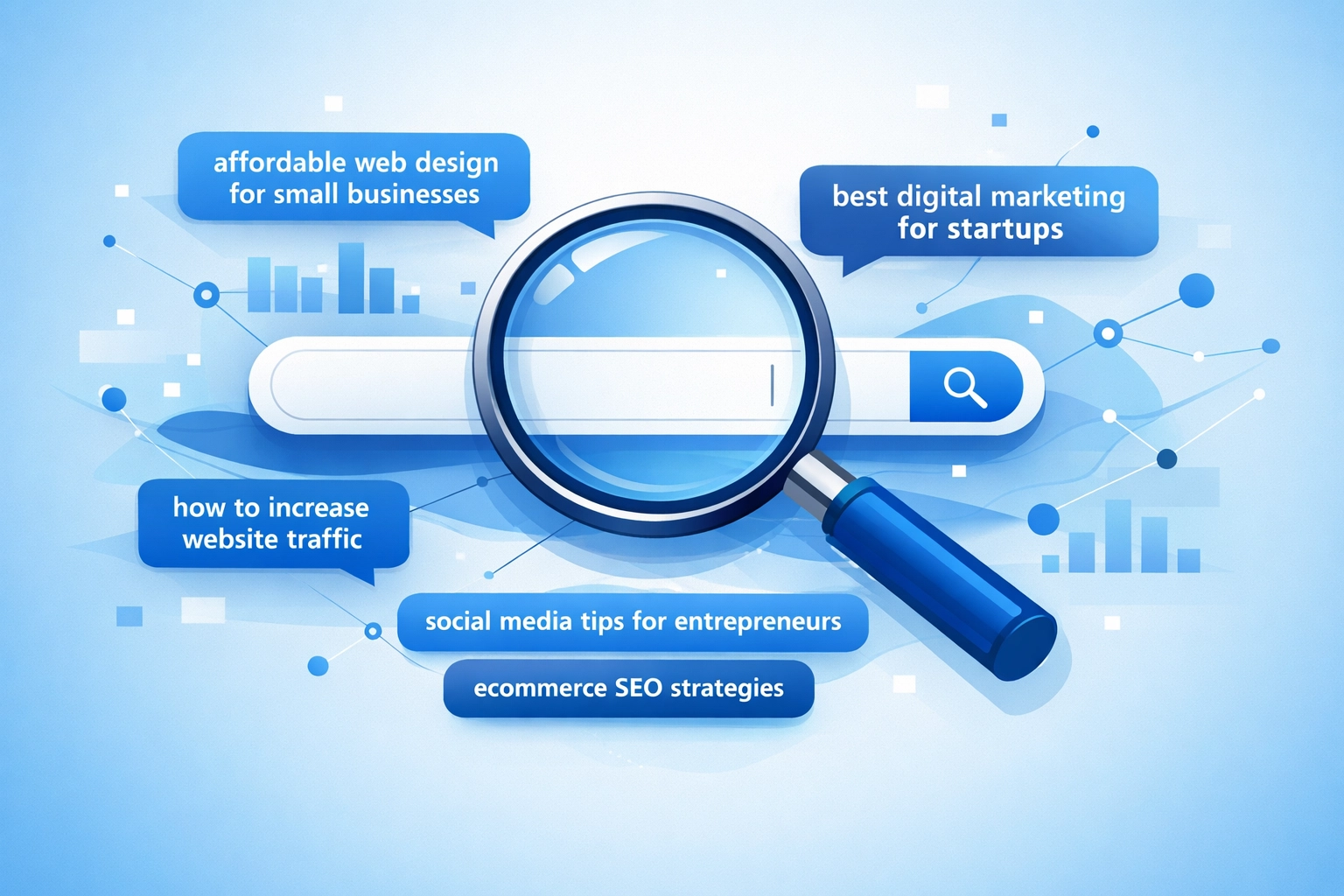
Start by analyzing your current traffic. Look at the specific search phrases that already bring visitors to your site. Then create content around similar long-tail variations. This approach through search engine optimization generates organic traffic without ongoing ad spend.
The key is matching natural speech patterns. People don't search like robots anymore. They ask questions: "Who can redesign my outdated website?" or "What's the best marketing strategy for established businesses?" Build your content strategy around these conversational queries.
2. Send Emails That People Actually Want to Read
Email marketing delivers an average ROI of $42 for every dollar spent, but only if you do it right. Blast emails to your entire list produce terrible results. Personalized campaigns based on actual behavior drive sales.
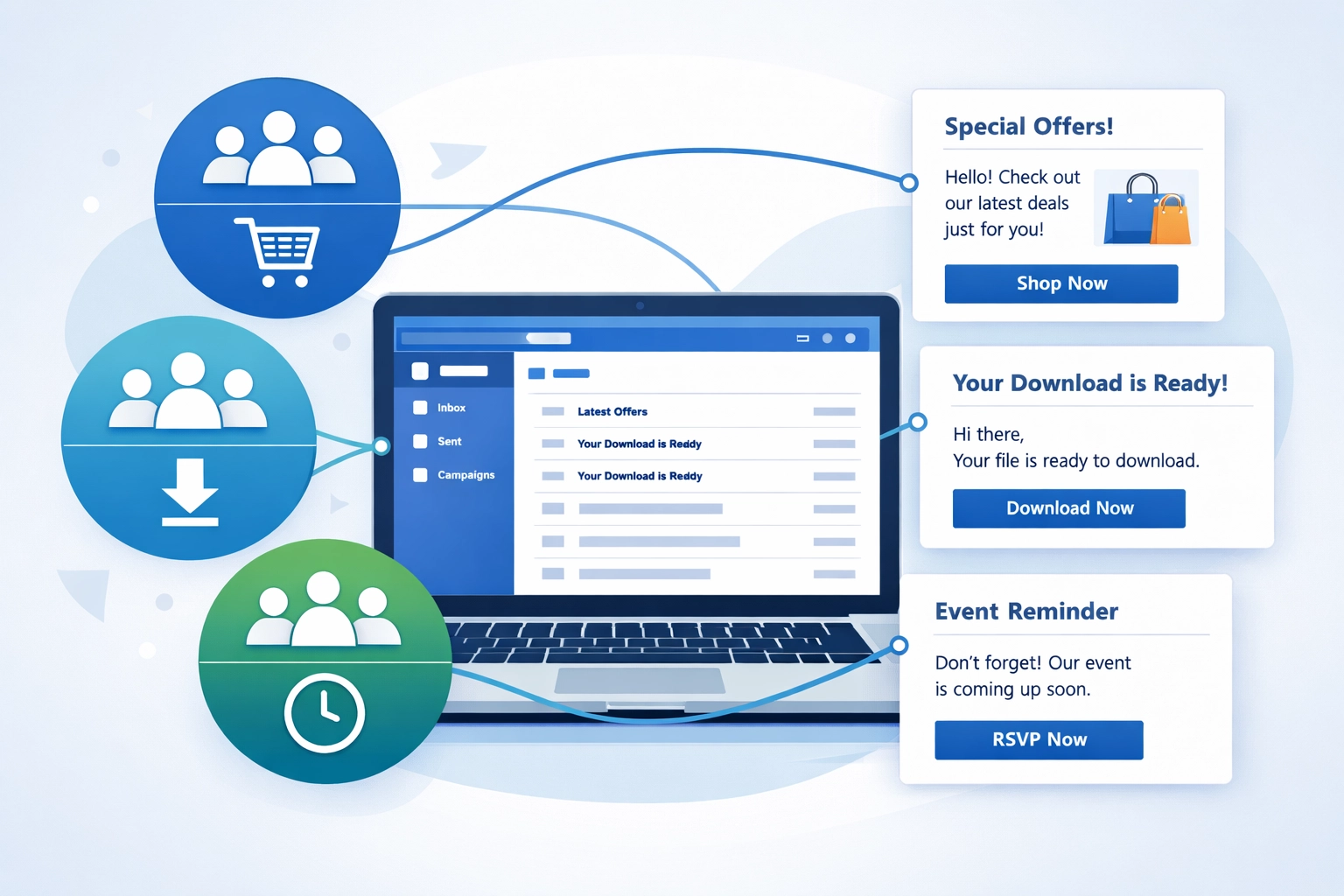
Segment your email list by customer actions. Create separate groups for recent purchasers, inactive subscribers, people who abandoned carts, and those who downloaded specific resources. Then send targeted messages that address each group's specific situation.
Someone who just purchased doesn't need a sales pitch: they need onboarding help and complementary product suggestions. Someone who hasn't opened an email in six months needs a re-engagement campaign with a compelling offer.
Use your recipient's name in the subject line and reference their specific interactions with your brand. "John, here's that guide you requested" performs better than "Download our latest guide." Tools like Mailchimp and HubSpot make this segmentation simple, but the real work is crafting messages that feel personal rather than automated.
3. Capture Leaving Visitors with Exit-Intent Technology
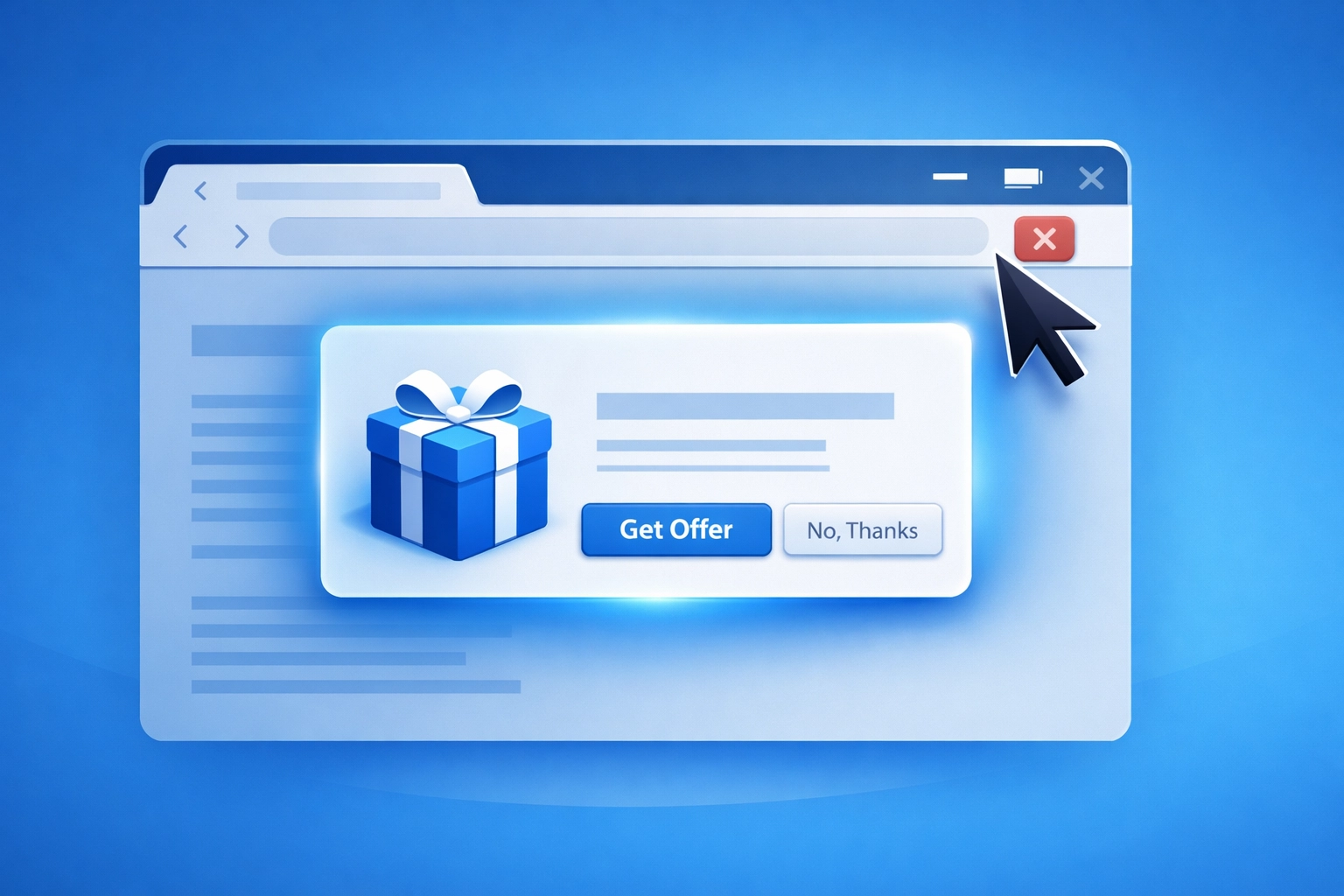
Seventy percent of website visitors leave without taking action. That's not a failure: it's an opportunity. Exit-intent popups detect when someone's about to leave and make one last offer before they go.
The strategy works because timing matters. A popup that appears immediately annoys visitors. One that appears when they're leaving feels less intrusive. You're not interrupting their experience: you're offering value at the exact moment they've decided to leave anyway.
Offer something worth providing an email address for: a detailed guide, industry report, discount code, or free consultation. The goal isn't making an immediate sale: it's capturing contact information so you can continue the conversation through email marketing.
Keep the popup simple. One clear offer, minimal text, and an obvious way to close it. You're building your email list with people who've already shown interest in your services by visiting your site.
4. Create Urgency Without Being Manipulative
People procrastinate. Even when they want your product or service, they tell themselves they'll buy later. Your job is making "later" right now.
Limited-time offers trigger FOMO (fear of missing out) and drive immediate action. But there's a difference between creating genuine urgency and fake scarcity. If your "24-hour sale" runs every week, customers learn to ignore it.
Real urgency comes from legitimate constraints: limited inventory, seasonal offers, or time-bound bonuses. Display countdown timers on landing pages. Use phrases like "Only 3 spots remaining" or "Offer ends Friday at midnight."
Pair urgency with strong calls-to-action. Don't just say "Shop now": say "Claim your spot before midnight" or "Lock in this rate for 48 hours." The specificity makes the deadline feel real and the action feel concrete.
This tactic works especially well for service businesses. Instead of letting prospects think about scheduling a consultation indefinitely, offer a time-limited bonus: "Schedule by Friday and receive a complimentary site audit."
5. Retarget Through Email Instead of Expensive Ads
Retargeting ads follow people around the internet after they visit your site. They work, but they're expensive. Email retargeting accomplishes the same goal at a fraction of the cost.
Track user behavior on your website and trigger automated emails based on specific actions. Someone who viewed your web design page but didn't request a quote gets a follow-up email highlighting recent projects and testimonials. Someone who started but didn't complete a contact form gets a gentle reminder with a direct link to finish.
The beauty of email retargeting is precision. You're not paying per impression or click: you're sending targeted messages to people who've already expressed interest. The cost is essentially zero beyond your email marketing platform.
Create different retargeting sequences for different behaviors. Abandoned cart emails for e-commerce, consultation reminders for service businesses, content downloads for educational products. Each sequence should feel like helpful follow-up rather than aggressive sales pressure.
6. Let Your Customers Do Your Marketing
User-generated content (UGC) provides authentic social proof that no branded message can match. People trust other customers more than they trust your marketing department.
Encourage customers to share their experiences on social media with a branded hashtag. Offer incentives: feature them on your website, enter them in a monthly drawing, or give them a discount on their next purchase. The key is making participation easy and rewarding.
Showcase this content everywhere: your website homepage, product pages, social media channels, and email campaigns. Real customers using your products or praising your services builds trust with prospects far better than polished marketing materials.
Create a dedicated section on your site for customer success stories. Include photos, video testimonials, and written reviews. The more specific and detailed, the better. Generic praise like "Great service!" doesn't convince anyone. Specific results like "They redesigned our website and we saw a 40% increase in qualified leads within two months" drives decisions.
7. Turn Customers into Your Sales Team
Your happiest customers are your best salespeople. Referral programs formalize this relationship by incentivizing word-of-mouth marketing.
Keep your referral program simple. Give each customer a unique link they can share. Reward both the referrer and the new customer: maybe 20% off their next purchase or a free month of service. The dual incentive encourages sharing and sweetens the deal for prospects.
The leads generated through referrals convert at higher rates than any other source because they come pre-qualified through personal recommendation. Someone referred by a trusted friend or colleague arrives with built-in confidence in your business.
Promote your referral program consistently. Include information in order confirmation emails, on your thank you pages, and in follow-up communications. Don't assume customers know about it: make the program visible and the process obvious.
Stop Spending, Start Converting
These seven tactics share a common thread: they maximize value from your existing traffic and customer base rather than constantly paying for new attention. That's how you stop wasting money and start driving actual sales.
The businesses that win with digital marketing aren't necessarily those with the biggest budgets. They're the ones that implement smart strategies focused on conversion rather than vanity metrics like impressions and clicks.
Ready to transform your digital marketing from expense to investment? Get in touch to discuss how these strategies can work for your specific business situation.