

Performance Max campaigns are either printing money or burning it. There's not much middle ground.
If your Google Ads account feels like a black box that's draining your budget without clear results, you're not alone. Performance Max gives you less control than traditional campaigns, but that doesn't mean you're helpless. A few strategic adjustments can flip underperforming campaigns into profit machines.
Here are five tweaks that actually move the needle.
1. Fix Your Conversion Tracking (Seriously)
This one sounds basic, but it's where most campaigns go off the rails.
Performance Max optimizes toward whatever conversions you tell it matter. If your tracking is messy: counting phone spam, bot form fills, or view-through conversions that didn't actually influence the sale: you're teaching the algorithm to chase garbage.
What to do:
Switch to click-based attribution instead of view-through conversions. View-through conversions credit your ads when someone saw them but didn't click, then converted later. Sounds nice in theory, but it creates attribution noise. The algorithm can't tell real demand signals from people who were going to convert anyway.
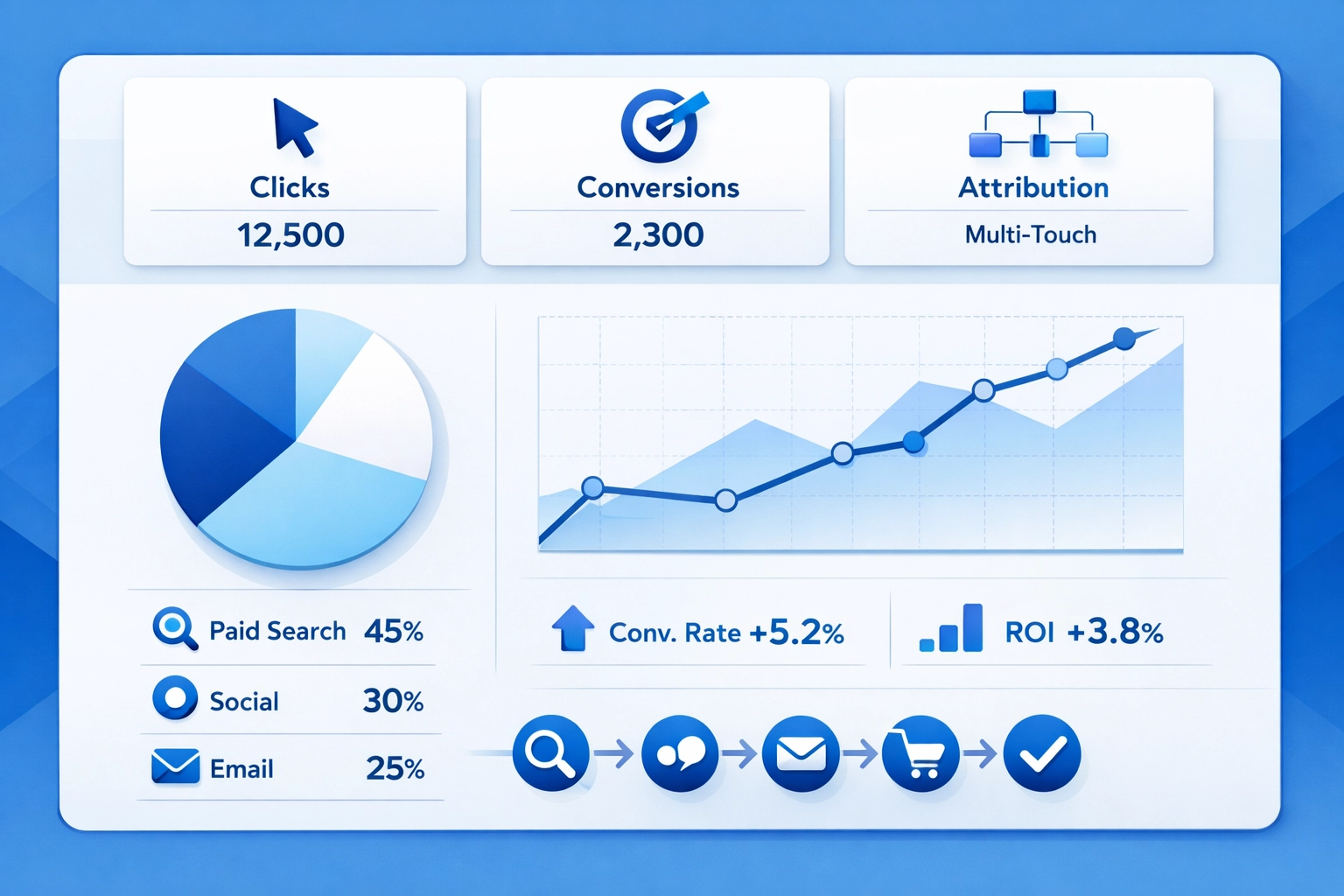
For e-commerce, create separate conversion actions for first-time purchases versus repeat customers. If you lump them together, Performance Max wastes budget re-targeting existing customers who already know your brand instead of finding new ones.
Clean conversion data is the foundation. Everything else builds on this. If you need help auditing your setup, our digital marketing team can walk through it with you.
2. Refresh Your Creative Before It Dies
Ad fatigue is real, and Performance Max burns through creative faster than you think.
Google's algorithm will keep serving the same winning assets until performance drops off a cliff. By the time you notice, you've already wasted weeks of budget on stale ads.
The fix:
Set up a systematic creative refresh schedule:
- Weekly: Review your asset performance report and identify what's dying
- Bi-weekly: Replace 2-3 underperforming images, videos, or headlines
- Monthly: Do a major refresh with seasonal themes or new angles
The campaigns that consistently perform well have deep creative libraries: multiple videos, image variations, 10+ headlines, and descriptions in different formats. More variety gives the algorithm room to test and optimize without getting stuck.
Don't wait for performance to crater before adding new assets. Proactive refreshes keep your campaigns healthy.
3. Stop Treating All Customers the Same
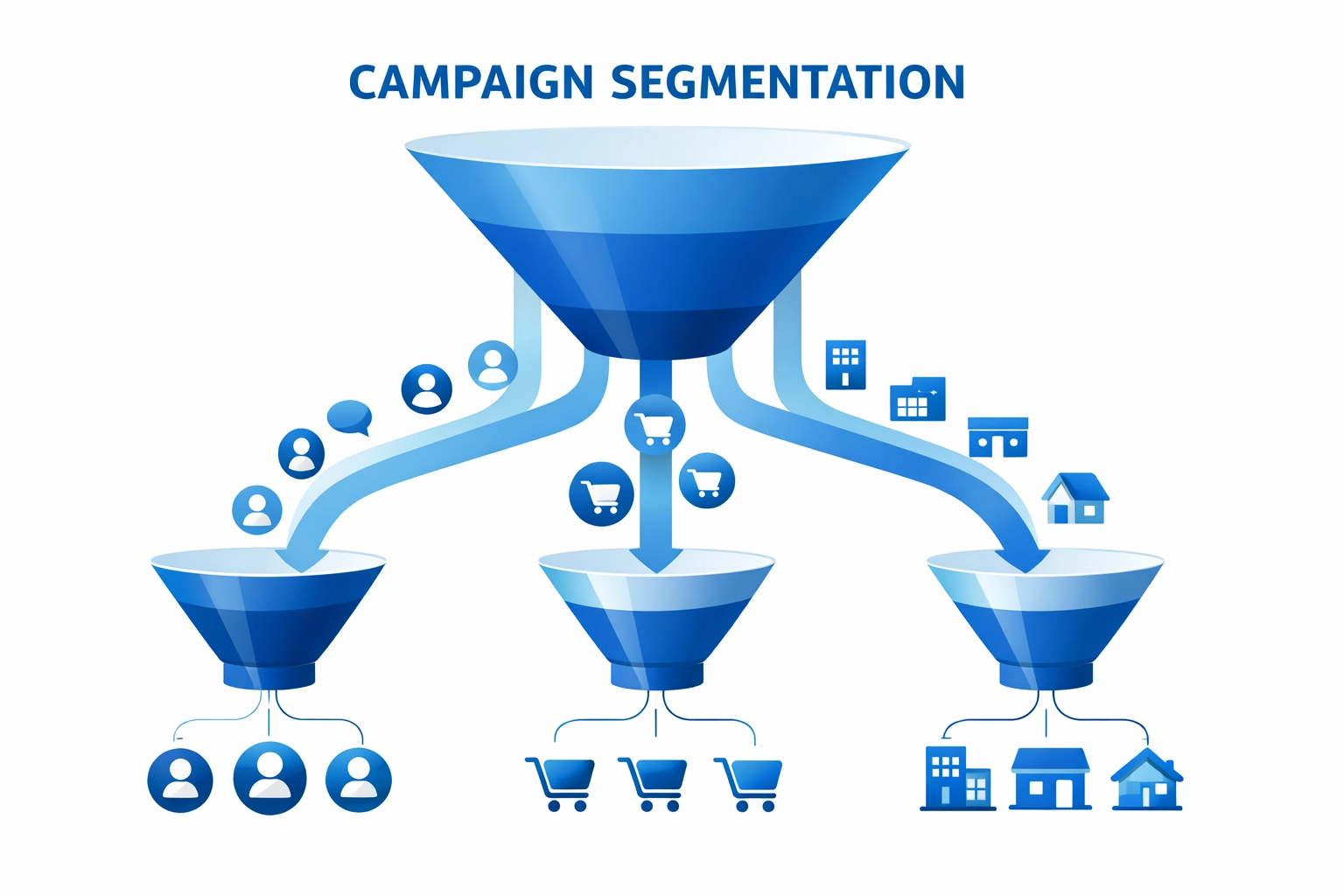
Running one Performance Max campaign for everything is like using the same fishing net in a goldfish bowl and the ocean. It doesn't work.
The biggest waste happens when you let Performance Max bid equally on brand searches (people already looking for you) and cold prospecting (people who've never heard of you). Brand searches convert cheap and easy. Prospecting costs more. When they're mixed together, the algorithm gravitates toward the easy wins and ignores new customer acquisition.
How to segment properly:
Create separate campaigns:
- New customer acquisition campaign - Add your brand name to the negative keyword list so this campaign can't bid on branded searches. Force it to find fresh customers
- Retention and upsell campaign - Let this one capture branded traffic and existing customers
For e-commerce, take it further by segmenting based on profit margins. High-margin products can support aggressive ROAS targets (400-600%). Low-margin products need volume strategies that maximize conversion value without strangling the budget.

Segmentation gives you control over where money goes and prevents the algorithm from taking the path of least resistance.
4. Use Brand Exclusion Lists
This connects directly to the previous point but deserves its own section because it's so commonly missed.
If you're running a non-brand prospecting campaign without adding your brand terms to the exclusion list, you're competing against yourself. Performance Max will happily spend budget on people searching for your company name: searches you'd win organically anyway.
Add these to your brand exclusion list:
- Your company name
- Common misspellings
- Product names if you have strong brand recognition
- Your domain name
This forces the algorithm to actually prospect instead of cherry-picking easy branded conversions that cost you money unnecessarily.
5. Follow the Right Bidding Strategy Sequence
New advertisers often sabotage their campaigns by starting with aggressive ROAS or CPA targets right out of the gate. The algorithm needs time and data to learn what works.
The correct progression:
Phase 1 (Weeks 1-6): Start with "Maximize Conversions" if you're new to Performance Max or have inconsistent conversion values. This gives the algorithm freedom to learn without constraints.
Phase 2 (After 50+ conversions): Switch to either:
- "Maximize Conversion Value with Target ROAS" for e-commerce
- "Maximize Conversions with Target CPA" for lead generation
Set your initial targets 10-20% less aggressive than your historical performance. If you've been hitting 400% ROAS, start with a 320-350% target. Give the algorithm breathing room.
Don't touch the bidding strategy every few days. Performance Max needs consistency to optimize. Let it run for at least two weeks before making adjustments.
The Budget Reality Nobody Talks About
All these tweaks assume you're giving Performance Max enough budget to actually work.
If you're running campaigns on $10/day hoping for miracles, you're setting yourself up for frustration. Performance Max needs volume to learn patterns and optimize effectively. Minimal budgets almost guarantee poor results because the algorithm never gets enough data to figure out what works.
As a general rule, budget at least 10x your target CPA per day. If your goal is $50 cost per lead, you need $500 daily minimum for Performance Max to function properly.
Making It All Work Together
These five tweaks work best as a system, not individual hacks:
- Clean conversion tracking ensures you're optimizing toward real results
- Fresh creative prevents performance decay
- Campaign segmentation directs budget intelligently
- Brand exclusions eliminate waste
- Proper bidding strategy gives the algorithm room to succeed
None of this requires a massive budget or advanced technical skills. It's about setting up the right structure and maintaining it consistently.
If you're tired of watching Google Ads drain your budget without clear ROI, these adjustments can turn things around. And if you want someone to audit your account and implement these fixes, get in touch with us. We help businesses optimize their digital marketing strategies every day.
Performance Max isn't magic, but it works when you give it clean data, good creative, and the right structure. Stop leaving money on the table.