
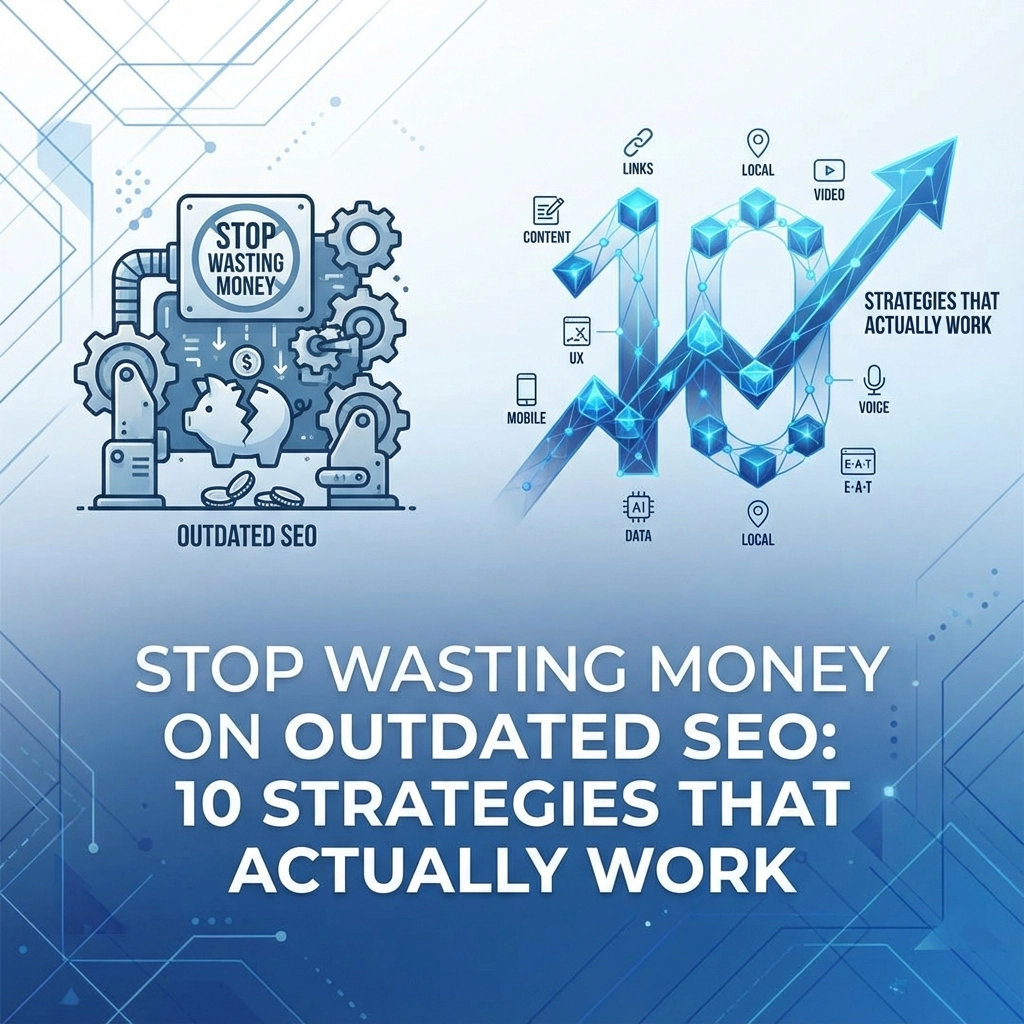

If you're still chasing keyword density targets and buying low-quality backlinks, you're burning money on tactics that stopped working years ago. Search engines have evolved dramatically, and what worked in 2020 can actually hurt your rankings today.
The problem isn't that SEO is dead – it's that most businesses are using outdated strategies while their competitors embrace what actually moves the needle. Here are 10 proven strategies that deliver real results in 2026.
1. Optimize for AI Systems and Semantic Understanding
Search engines now use AI to understand content meaning, not just keyword matches. This means you need to think beyond individual keywords and focus on building topic authority.
Create content that demonstrates deep understanding of your subject. Instead of cramming "web design" into every paragraph, write naturally about user experience, conversion optimization, and design principles. AI systems recognize this semantic relationship and reward comprehensive coverage.
Use structured data markup to help search engines understand your content context. Schema markup tells search engines exactly what your content covers – whether it's a service page, product description, or how-to guide.

2. Make E-E-A-T Your Foundation
Experience, Expertise, Authoritativeness, and Trustworthiness (E-E-A-T) is now the most important ranking factor. This isn't just about having credentials – it's about demonstrating real knowledge through your content quality.
Showcase your team's experience and credentials. Include author bios, case studies, and detailed explanations of your process. When you write about web design, explain the technical details and strategic thinking behind your decisions.
Link to authoritative sources when making claims. This shows search engines you understand your field and aren't just making things up.
3. Build Branded Search Visibility
When people search for your brand name plus relevant keywords, it signals to search engines that you're an authority in that space. Work actively to increase these branded searches.
Use social media to build brand awareness around your expertise areas. Share insights about web development, digital marketing strategies, and industry trends. When people remember your brand in connection with these topics, they'll search for you specifically.
Encourage satisfied clients to mention your brand when discussing their projects online. This organic brand mention creates the association between your company name and relevant industry terms.
4. Align Content with Business Goals
Stop chasing vanity metrics like domain authority scores. Focus on keywords and content that actually drive business results.
For service businesses, prioritize bottom-funnel keywords where people are ready to buy. Target phrases like "hire web developer" or "custom website design" rather than general educational content that doesn't convert.
Create content that matches your ideal customer's journey. If you offer web hosting services, write about specific hosting problems your target customers face, not generic hosting tutorials.
Track conversions, not just rankings. A page that ranks #5 but generates leads is infinitely more valuable than a #1 ranking that brings unqualified traffic.

5. Implement Technical Fundamentals for AI Access
Search engines and AI systems need to access your content easily. Technical SEO isn't optional anymore – it's the foundation everything else builds on.
Ensure fast loading speeds across all devices. AI agents often pull information in real-time, and slow sites get skipped. Optimize images, minimize code, and use quality hosting.
Make your site structure logical and crawlable. Use clear URL structures, proper internal linking, and XML sitemaps. When search engines can easily understand your site architecture, they're more likely to surface your content.
Implement new AI-ready protocols like structured data for all your key pages. This helps AI systems understand exactly what services you offer and how to present that information to users.
6. Structure Content for Clarity
Both humans and AI systems prefer well-organized content. Use clear headings, short paragraphs, and logical flow.
Break up long blocks of text with subheadings. This makes content scannable and helps search engines understand your content hierarchy. Each H2 and H3 should cover a distinct subtopic.
Use bullet points and numbered lists when presenting multiple related points. This format is easier for AI systems to parse and more user-friendly.
Include a clear introduction that explains what readers will learn. Search engines use this context to understand your content's purpose and value.
7. Target Customer Keywords with Intent Alignment
Research what your actual customers are searching for, not what you think they should be searching for. Use tools like SEMrush or Ahrefs to find the exact phrases your target market uses.
Focus on commercial intent keywords where people are actively looking for solutions. Someone searching "website keeps crashing" has higher commercial intent than someone searching "what is web development."
Create content that directly answers the search query. If someone searches for "mobile app development cost," provide specific pricing information and factors that affect cost, not a general overview of app development.
8. Optimize Meta Descriptions and Page Titles Strategically
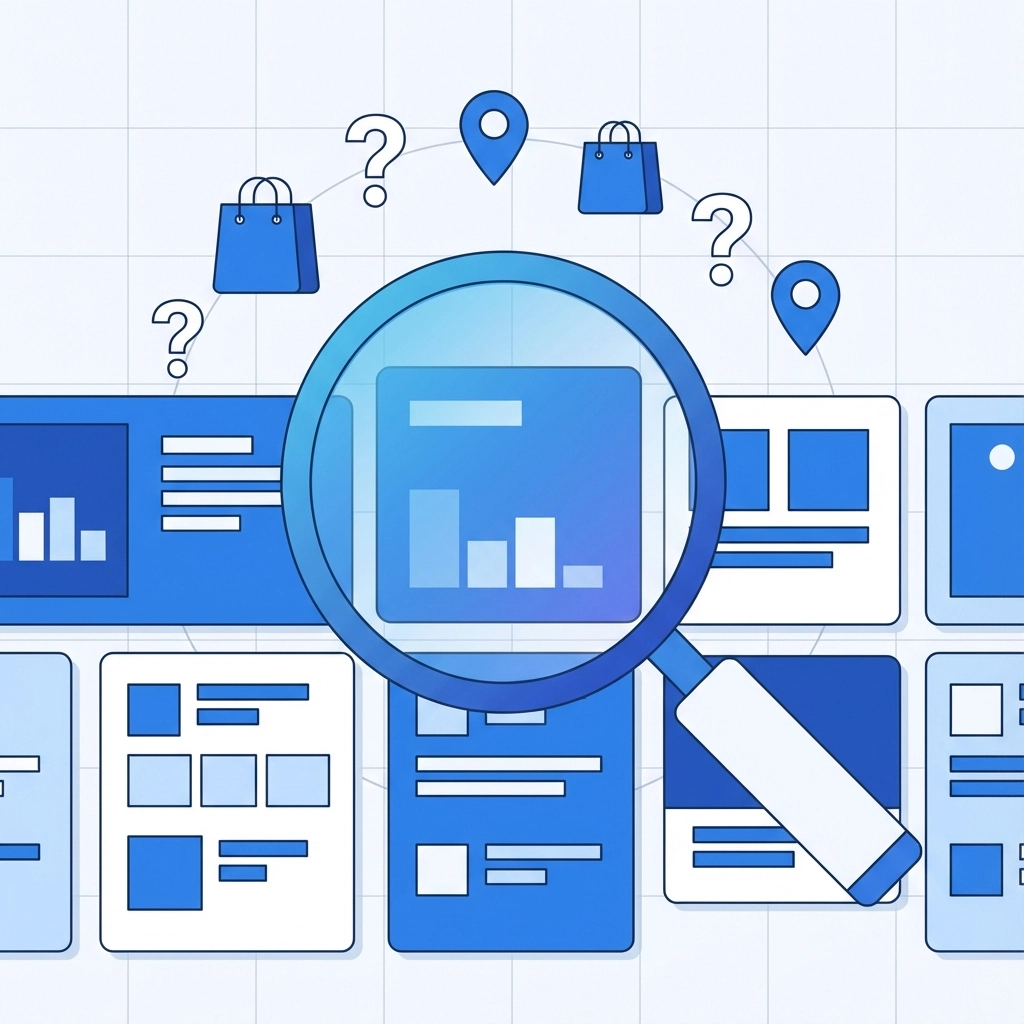
Your page titles and meta descriptions are often the first thing potential customers see. Make them count.
Write titles that clearly describe your page content and include your target keyword naturally. "Professional Web Design Services for Small Businesses" is better than "Web Design | Company Name."
Create meta descriptions that summarize your content value and encourage clicks. Think of them as mini advertisements for your page. Include a clear benefit or solution that matches the search intent.
Keep titles under 60 characters and descriptions under 155 characters so they display fully in search results.
9. Build Strategic Internal Link Architecture
Internal linking helps search engines understand your site structure and distributes authority throughout your pages. Do this strategically.
Link to your most important pages from your main navigation. If strategic planning is a key service, make sure it's easily accessible from every page.
Use descriptive anchor text that includes relevant keywords. Instead of "click here," use "learn about our web development process" or "view our portfolio of responsive websites."
Create content clusters around your main topics. Write several related articles that link to each other and to your main service pages. This shows topical authority and keeps visitors engaged longer.
10. Prioritize Mobile and Core Web Vitals
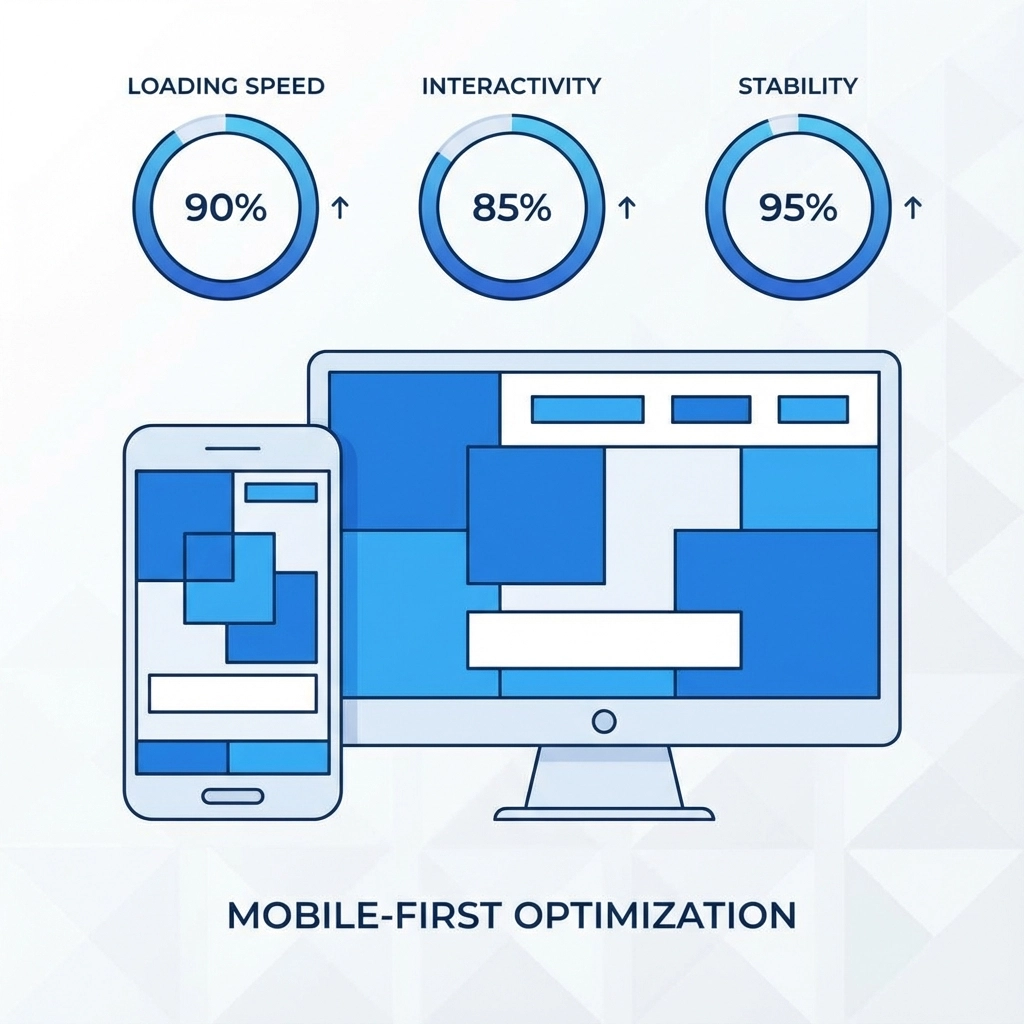
Most searches happen on mobile devices, and search engines heavily weight mobile performance. Your mobile experience needs to be flawless.
Optimize for Core Web Vitals: loading speed, interactivity, and visual stability. These technical metrics directly impact rankings and user experience.
Ensure all content is easily accessible on mobile. Buttons should be easily tappable, text should be readable without zooming, and navigation should be simple.
Test your site regularly on actual mobile devices, not just browser simulators. Real-world performance often differs from testing environments.
Making the Switch from Outdated to Effective
The key difference between outdated SEO and modern strategies is focus. Old SEO tried to trick search engines with keyword stuffing and link schemes. Modern SEO focuses on genuinely helping your audience while making your content easily discoverable.
Stop thinking about search engines as adversaries to outsmart. Instead, view them as partners helping connect your expertise with people who need it.
If you're ready to move beyond outdated tactics and implement strategies that actually work, get started with a comprehensive SEO strategy that focuses on real business results.
The businesses winning online aren't using secret tricks or black-hat techniques. They're simply doing the fundamentals well and staying focused on their customers' needs. That approach works in 2026, and it'll keep working as search technology continues evolving.