

So you've heard the term "digital marketing" thrown around a million times. Maybe you're a small business owner trying to get more eyes on your website. Maybe you're just curious about how companies actually get customers online
Either way, digital marketing can feel overwhelming when you're starting from scratch. There's SEO, PPC, social media, email marketing, content strategy: the list goes on
Here's the good news: you don't need to master everything at once. Let's break down the basics and figure out where you should actually start
First Things First: Define Your Goals
Before you spend a single dollar or minute on marketing, you need to know what you're trying to achieve
Sounds obvious, right? But you'd be surprised how many businesses skip this step. They jump straight into running ads or posting on social media without a clear direction
Ask yourself:
- Do you want more website traffic?
- Are you trying to generate leads?
- Do you need more online sales?
- Are you building brand awareness?
Your answer shapes everything else. A business focused on lead generation will have a completely different strategy than one focused on e-commerce sales
Pro tip: Start with one or two primary goals. Trying to accomplish everything at once usually means accomplishing nothing well
Know Your Audience
Here's a hard truth: your marketing doesn't matter if it's reaching the wrong people
Before creating any content or launching any campaigns, you need to understand who you're talking to. This means digging into:
- Demographics: Age, income level, job titles, interests
- Behavior: Where do they spend time online? What problems are they trying to solve?
- Pain points: What keeps them up at night? What would make their life easier?
Tools like Google Analytics and social media insights can help you gather this data. If you already have customers, talk to them. Ask questions. Find out how they found you and why they chose your business
This research pays off big time. When you know exactly who you're targeting, your messaging becomes sharper and your budget goes further
The Big Three: SEO, PPC, and Brand Goals
There are a lot of digital marketing channels out there. But if you're just getting started, focus on understanding these three core concepts
Search Engine Optimization (SEO)
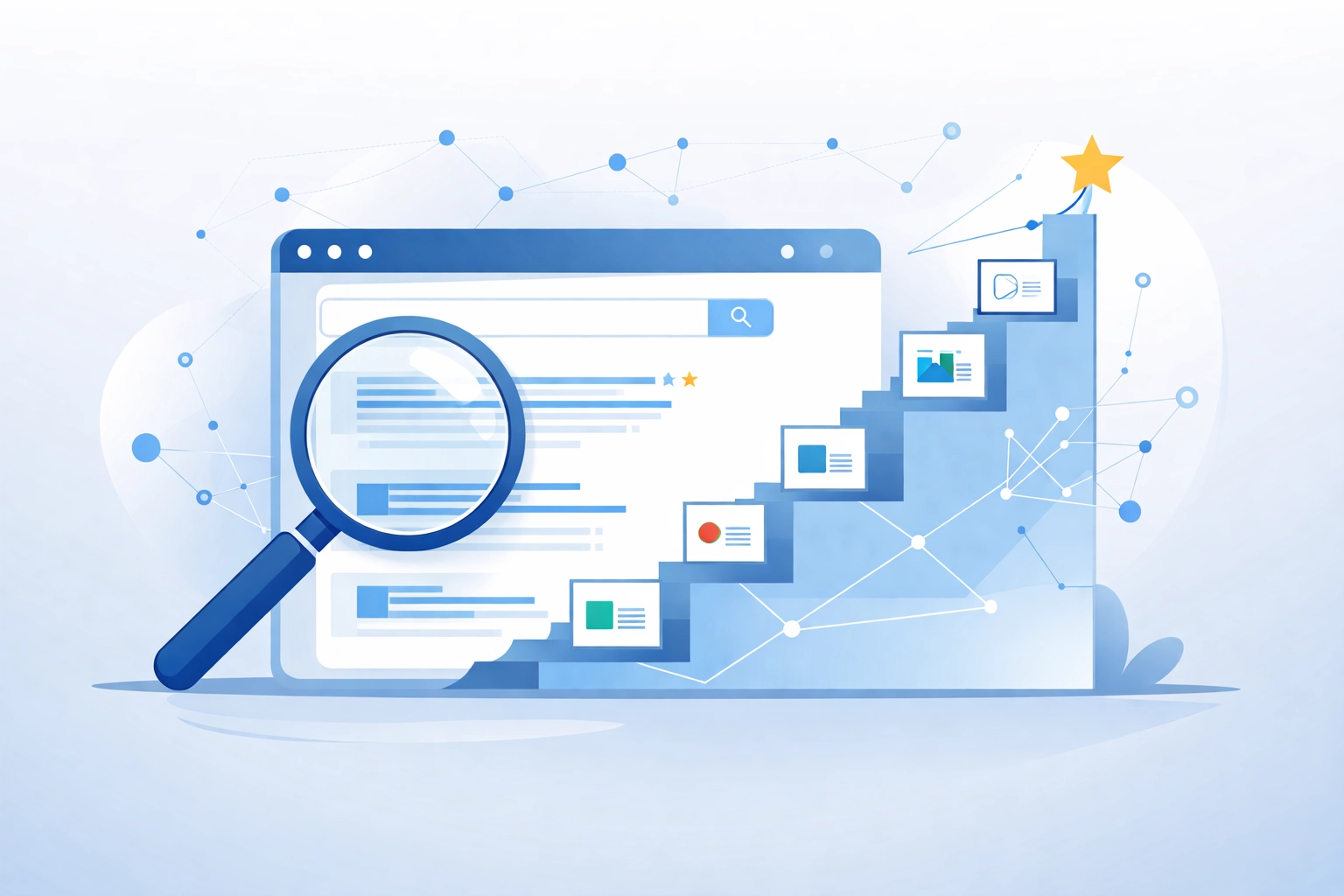
SEO is about making your website show up when people search for things related to your business on Google
Think about it: when someone needs a service or product, what do they do? They Google it. If your website doesn't appear in those search results, you're invisible to potential customers
SEO involves:
- Keyword research: Finding the terms people actually search for
- On-page optimization: Making sure your website content includes relevant keywords naturally
- Technical SEO: Ensuring your site loads fast, works on mobile, and is easy for search engines to crawl
- Content creation: Publishing helpful, relevant content that answers questions your audience has
SEO is a long game. You won't see results overnight. But once your site starts ranking, you get consistent traffic without paying for every click
Pay-Per-Click Advertising (PPC)
If SEO is the slow burn, PPC is the quick win
PPC: most commonly through Google Ads: lets you pay to appear at the top of search results. You bid on keywords, and when someone clicks your ad, you pay a fee
The beauty of PPC:
- Immediate visibility: Your ad can show up today
- Precise targeting: You control who sees your ads based on keywords, demographics, and even time of day
- Measurable results: You know exactly how much you spent and what you got in return
The downside? Once you stop paying, the traffic stops. That's why most businesses use PPC and SEO together: PPC for quick results while SEO builds momentum over time
A few tips for PPC beginners:
- Start with a small budget and test different keywords
- Write clear, compelling ad copy that matches what people are searching for
- Send traffic to a dedicated landing page, not just your homepage
- Monitor your campaigns daily and adjust based on performance
Aligning Everything with Your Brand Goals
Here's where a lot of beginners go wrong. They learn about SEO and PPC, start running campaigns, but forget to tie it all back to their brand
Your digital marketing should reinforce who you are as a business. Every ad, every blog post, every social media update should feel consistent with your brand voice and values
Ask yourself:
- Does this campaign reflect what my business stands for?
- Is the messaging consistent across all channels?
- Am I attracting the right kind of customers?
This is where working with a team like WorldWise can help. Aligning your digital marketing efforts with your broader brand goals ensures you're not just getting traffic: you're getting the right traffic

Building Your First Campaign: A Simple Framework
Ready to actually do something? Here's a straightforward approach to launching your first digital marketing campaign
Step 1: Set a Clear Objective
Pick one goal. Maybe it's getting 50 new email subscribers this month or driving 500 visitors to your website
Step 2: Choose Your Channel
Don't try to be everywhere. If you're B2B, LinkedIn might be your best bet. If you're targeting consumers, Google Ads or Instagram could work better. Start with one channel and do it well
Step 3: Create Your Content
Whether it's an ad, a blog post, or an email, make sure it speaks directly to your audience's needs. Focus on benefits, not features. What problem are you solving for them?
Step 4: Set Your Budget
For PPC, start small. Even $10-20 per day can give you valuable data. For SEO and content marketing, the investment is more about time than money upfront
Step 5: Launch and Monitor
Hit publish. Then watch the data. Look at click-through rates, engagement, and conversions. What's working? What isn't?
Step 6: Adjust and Improve
Digital marketing is never "set it and forget it." Use what you learn to make your next campaign better. Test different headlines. Try new keywords. Keep optimizing
Tools You'll Actually Use
You don't need fancy software to get started. Here are a few essentials:
- Google Analytics: Free and essential for understanding your website traffic
- Google Search Console: Shows how your site performs in search results
- Google Ads: The main platform for PPC advertising
- Canva: Easy graphic design for social posts and ads
- Mailchimp or Constant Contact: Simple email marketing platforms
Start with these. Add more tools as your needs grow
Don't Try to Do Everything at Once
This is probably the most important piece of advice for beginners
Digital marketing has a lot of moving parts. It's tempting to try everything: SEO, PPC, social media, email, content marketing, video, podcasts: all at once
Don't
Pick one or two channels that align with your goals and audience. Master those first. Once you're seeing results and have a handle on the basics, expand from there
When to Get Help
DIY digital marketing is totally possible, especially when you're starting out. But there comes a point where professional help makes sense
If you're spending more time on marketing than running your business, or if you've hit a plateau and can't figure out why, it might be time to bring in experts
A good digital marketing partner doesn't just run campaigns: they help you develop a strategy that connects your marketing efforts to real business outcomes
Wrapping Up
Digital marketing isn't as complicated as it seems. At its core, it's about understanding your audience, choosing the right channels, and creating content that resonates
Start with clear goals. Learn the basics of SEO and PPC. Make sure everything ties back to your brand. And most importantly: just start. You'll learn more from running one real campaign than from reading a hundred articles
Ready to take the next step? Get in touch and let's talk about building a digital marketing strategy that actually works for your business