

Your customers aren't sitting at desks anymore. They're scrolling on their phones during lunch breaks, waiting in line, and browsing from the couch. Over 60% of global web traffic now comes from mobile devices, and that number keeps climbing. If your website still treats mobile as an afterthought, you're leaving money on the table.
Mobile-first design isn't a trend. It's the standard. And in 2026, businesses that ignore it are actively hurting their bottom line.
What Exactly Is Mobile-First Design?
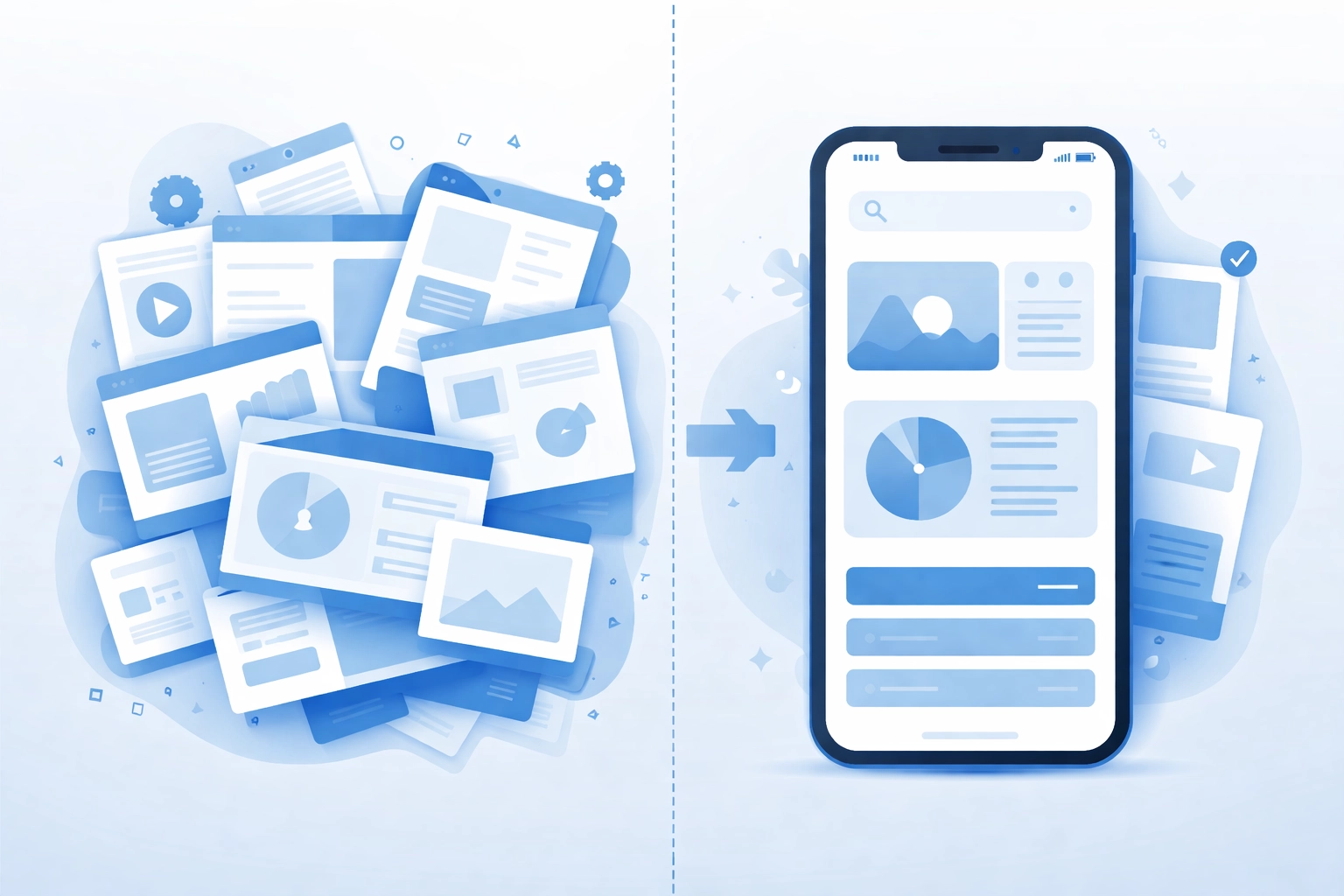
Mobile-first design flips the traditional web development process on its head. Instead of building a full desktop site and then shrinking it down for phones, you start with the mobile experience and scale up from there.
This approach forces you to prioritize what actually matters. When you only have a small screen to work with, every element needs to earn its place. No more cluttered layouts or unnecessary features that look fine on a 27-inch monitor but become a nightmare on a 6-inch phone.
The result? A cleaner, faster, more focused website that works beautifully across all devices.
Why Google Cares About Your Mobile Experience
Here's where things get serious for your business. Google uses mobile-first indexing, which means it primarily looks at the mobile version of your site when deciding where to rank you in search results.
Read that again. Your desktop site could be stunning, but if your mobile experience is slow or clunky, Google won't care. Your search rankings will suffer, and potential customers won't find you.
This isn't new: Google made the switch years ago. But plenty of businesses still haven't caught up. They're wondering why their organic traffic keeps dropping while competitors climb the rankings. The answer is often sitting right in their pocket.
A solid digital marketing strategy has to account for how search engines actually evaluate your site today. Mobile optimization isn't optional anymore.
The Numbers Don't Lie
Let's talk about what mobile-first design actually does for your business:
Faster Load Times
Mobile-first sites typically load 30-50% faster than traditional sites. That matters because mobile users are impatient. If your site takes more than a few seconds to load, they're gone. Back to the search results. Probably to your competitor.
Higher Engagement
Sites built with mobile-first principles see significantly lower bounce rates. When users can actually navigate your site without zooming, pinching, and getting frustrated, they stick around longer.
More Repeat Visits
Research shows mobile-first responsive design can increase repeat website visits by 75%. That's huge for building customer relationships and brand loyalty.
Better Conversions
A streamlined mobile experience removes friction from the buying process. Fewer obstacles between your customer and the checkout button means more completed transactions.

Signs Your Website Needs a Mobile Overhaul
Not sure if your current site is up to par? Here are some red flags:
- Text that's too small to read without zooming
- Buttons that are impossible to tap accurately with a thumb
- Horizontal scrolling required to see content
- Menus that are confusing or hard to navigate
- Forms that are painful to fill out on a phone
- Images that take forever to load or don't display correctly
- Pop-ups that cover the entire screen with no clear way to close them
If any of these sound familiar, your mobile experience is probably costing you customers. A professional web design approach can fix these issues and turn your site into a conversion machine.
Key Principles of Mobile-First Design
Building a great mobile experience isn't just about making things smaller. It requires a fundamental shift in how you think about your website.
Prioritize Ruthlessly
Limited screen space forces hard choices. What do your visitors actually need? What action do you want them to take? Everything else is noise. Strip away the clutter and focus on what moves the needle.
Simplify Navigation
Complex dropdown menus work fine with a mouse. They're a disaster on a touchscreen. Mobile-first design uses clear, simple navigation: often a hamburger menu: that lets users find what they need without frustration.
Design for Thumbs
Most people navigate their phones one-handed. Important buttons and links need to be placed where thumbs can easily reach them. They also need to be big enough to tap accurately, with enough spacing to prevent accidental clicks.

Optimize Images and Media
Large, uncompressed images are the number one killer of mobile load times. Mobile-first design uses properly sized, compressed images that look good without dragging down performance. Video and other media need the same treatment.
Make Calls-to-Action Obvious
On a small screen, your CTA buttons need to stand out. They should be visible without scrolling when possible, and they should remain accessible as users move through your content. If people can't find the "buy now" or "contact us" button, they won't click it.
Test on Real Devices
Simulators and responsive design tools are helpful, but they don't tell the whole story. Testing your site on actual phones and tablets reveals issues you'd never catch otherwise. Different devices, different browsers, different screen sizes: they all matter.
The Cost Advantage
Here's something business owners love to hear: mobile-first design can actually save you money in the long run.
Maintaining a single responsive codebase costs significantly less than running separate mobile and desktop versions. You avoid the headaches of keeping multiple sites in sync, reduce development time, and eliminate inconsistencies that confuse customers.
For small and medium-sized businesses, this efficiency levels the playing field. You don't need a massive budget to have a professional, high-performing website. You just need to build it right from the start.
Mobile-First Goes Beyond Websites
The principles that make mobile-first web design effective also apply to mobile app development. If your business is considering a dedicated app, starting with mobile-first thinking ensures you're building something users will actually want to use.
The same focus on speed, simplicity, and user experience that drives great mobile websites drives great apps. It's all connected.
Getting Started
If your website was built more than a few years ago, there's a good chance it wasn't designed with mobile-first principles in mind. That doesn't mean you need to tear everything down and start over: but you do need to evaluate where you stand.
Run your site through Google's mobile-friendly test. Check your analytics to see how mobile visitors behave compared to desktop visitors. Look at your bounce rates and conversion rates by device type. The data will tell you how urgent the problem is.
From there, you can make a plan. Maybe you need a few targeted improvements. Maybe you need a complete redesign. Either way, ignoring the mobile experience isn't a viable option in 2026.
The Bottom Line
Mobile-first design is simply how websites should be built now. The majority of your visitors are on phones. Google ranks you based on your mobile experience. Slow, clunky mobile sites drive customers away.
The businesses that thrive online are the ones that meet customers where they are. Right now, that's on a 6-inch screen in the palm of their hand.
Ready to see how your website stacks up? Get in touch and let's talk about building a mobile experience that actually works for your business.