

SEO can feel overwhelming. There are thousands of articles out there telling you what to do, what not to do, and what Google might change next week. It's a lot
But here's the thing: you don't need to master everything at once. You just need to start somewhere
This checklist breaks down 7 things you can actually do today to improve your search rankings. No fluff, no jargon-heavy explanations. Just practical steps that move the needle
Let's get into it
1. Set Up Google Search Console and Google Analytics
If you don't have these two tools installed, stop everything and do this first. Seriously
Google Search Console shows you how Google sees your website. It tells you which keywords you're ranking for, which pages are getting impressions, and if there are any technical issues holding you back
Google Analytics tracks what visitors do once they land on your site. How long do they stay? Which pages do they visit? Where do they drop off?
Without this data, you're basically guessing. And guessing doesn't rank websites
Both tools are free. Setting them up takes about 15-20 minutes. There's no reason not to have them running

2. Audit Your Core Web Vitals
Google cares about user experience. A lot. That's why Core Web Vitals are now a ranking factor
These are three specific metrics that measure how your site performs:
- Largest Contentful Paint (LCP) – How fast does the main content load?
- Interaction to Next Paint (INP) – How quickly does your site respond when someone clicks something?
- Cumulative Layout Shift (CLS) – Does stuff jump around while the page loads?
You can check your Core Web Vitals right inside Google Search Console. Look at both mobile and desktop versions
If your scores are poor, that's a problem. Slow sites lose visitors. Visitors who leave quickly send bad signals to Google. Bad signals mean lower rankings
Common fixes include compressing images, reducing unnecessary scripts, and choosing better hosting. If your site runs on WordPress, caching plugins can help too
3. Optimize Your Title Tags
Title tags are one of the most important on-page SEO elements. They tell Google what your page is about and they're what people see in search results
A good title tag:
- Includes your target keyword near the beginning
- Is under 60 characters so it doesn't get cut off
- Makes people want to click
Here's an example. Let's say you're targeting "small business web design"
❌ Bad: "Home | ABC Company"
✅ Better: "Small Business Web Design That Actually Converts | ABC Company"
Go through your main pages and check every title tag. Are they descriptive? Do they include relevant keywords? Would you click on them?
This is low-hanging fruit that can make a real difference
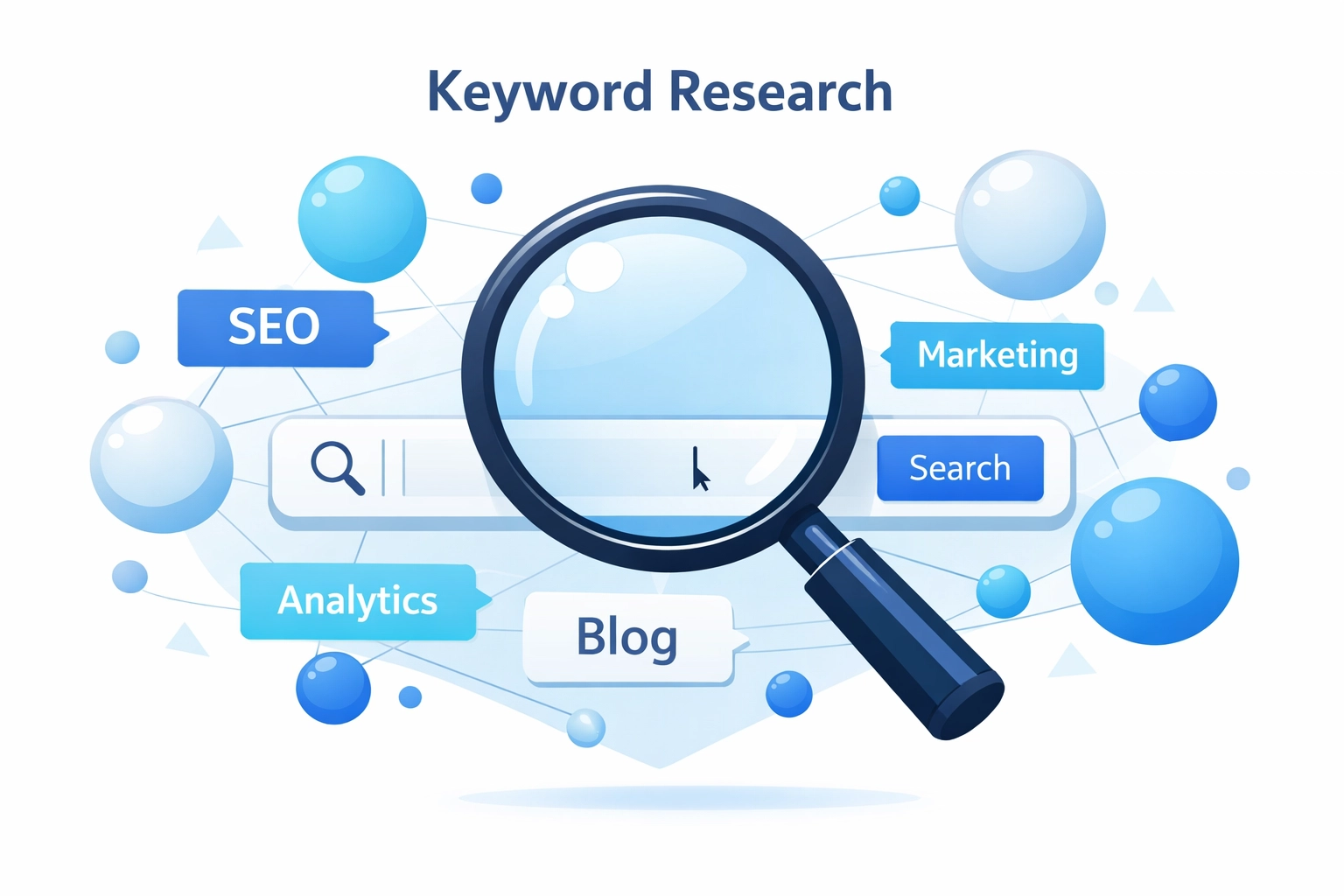
4. Identify Your Target Keywords
You can't optimize for keywords you haven't identified. Sounds obvious, but a lot of businesses skip this step
When researching keywords, look at three things:
- Search volume – Are people actually searching for this term?
- Keyword difficulty – How hard will it be to rank for it?
- Search intent – What does someone searching this term actually want?
That last one is crucial. If someone searches "what is SEO," they want information. If someone searches "SEO services for small business," they're probably looking to hire someone
Match your content to the intent behind the search. Create informational content for informational queries. Create service pages for commercial queries
Tools like Google Keyword Planner, Ubersuggest, or Ahrefs can help you find keyword opportunities. Even just typing things into Google and looking at the "People also ask" section gives you ideas
5. Add Your Target Keyword to the First 100 Words
Here's a simple rule that works: put your main keyword in the first 100 words of your page
Why? Keyword prominence matters. Google pays attention to what appears early on a page. It helps establish what your content is about right from the start
This doesn't mean you should write awkward, keyword-stuffed sentences. Just make sure your topic is clear from the beginning
If you're writing a page about email marketing services, don't spend the first three paragraphs talking about the history of digital marketing. Get to the point
Your readers will appreciate it too
6. Implement Schema Markup
Schema markup is code you add to your website that helps search engines understand your content better. It's like giving Google a cheat sheet
When you use schema, you can get enhanced search results: those fancy listings with star ratings, prices, FAQs, or event dates. These stand out more and tend to get higher click-through rates
Common types of schema include:
- Local Business – Name, address, phone number, hours
- FAQ – Questions and answers that can appear directly in search results
- Product – Prices, availability, reviews
- Article – Author, publish date, headline
Adding schema can be technical, but there are plugins that make it easier. If you're on WordPress, tools like Yoast SEO or Rank Math have built-in schema options
Not sure if your site has schema? Use Google's Rich Results Test to check any URL
7. Get More Reviews (Aim for 10+)
Reviews matter for SEO, especially for local search. But here's something interesting: there's a noticeable ranking boost when you go from 9 reviews to 10
Why? Because 10+ reviews signals that your business is established and trustworthy. It's a threshold that matters in Google's eyes
If you're sitting at 5, 6, or 7 reviews, make it a priority to get to 10. Reach out to happy customers and ask. Make it easy by sending them a direct link to your Google Business Profile
A few tips:
- Ask shortly after you've delivered good results
- Keep the request simple and direct
- Don't offer incentives for reviews (that violates Google's guidelines)
More reviews also mean more social proof for potential customers browsing your listing. It's a win-win

Bonus: Check Your Competitors
Before you finish, take 10 minutes to look at what your competitors are doing
Search for your main keywords and see who's ranking on page one. Look at their:
- Title tags
- Content length and structure
- Number of reviews
- Page speed
You don't need to copy them. But understanding what's working in your space helps you make smarter decisions about where to focus your efforts
If every competitor has 50+ reviews and you have 3, that's a gap to close. If they all have detailed service pages and you have one paragraph, that's an opportunity
Start Today, Not Tomorrow
SEO isn't a one-time project. It's ongoing. But these 7 items give you a solid foundation to build on
You don't have to do everything at once. Pick one or two things from this list and knock them out today. Then come back tomorrow and tackle the next one
Small, consistent improvements add up over time. That's how you climb the rankings
Need help putting together an SEO strategy that fits your business? WorldWise offers SEO services designed to get real results without the confusing jargon. Reach out if you want to chat about where your site stands and what it would take to move up