

Search engine optimization isn't what it used to be. Gone are the days of keyword stuffing and shady link schemes. In 2026, SEO is all about clarity, authority, and understanding what your audience actually wants
Whether you're starting from scratch or looking to level up your existing strategy, this guide breaks down everything you need to know to succeed online
Why SEO Still Matters in 2026
Let's address the elephant in the room. With AI search tools popping up everywhere, some folks wonder if traditional SEO is even relevant anymore
Here's the truth: AI optimization layers on top of traditional SEO rather than replacing it. If your content doesn't perform well by Google's standards, it rarely performs well in AI-driven discovery either. The fundamentals still matter, maybe even more than before
Strong SEO drives organic traffic, builds credibility, and generates leads without paying for every click. It's one of the highest-leverage investments you can make for long-term online visibility
The Core Fundamentals You Can't Skip
SEO success starts with mastering the basics. These aren't glamorous, but they consistently drive rankings:
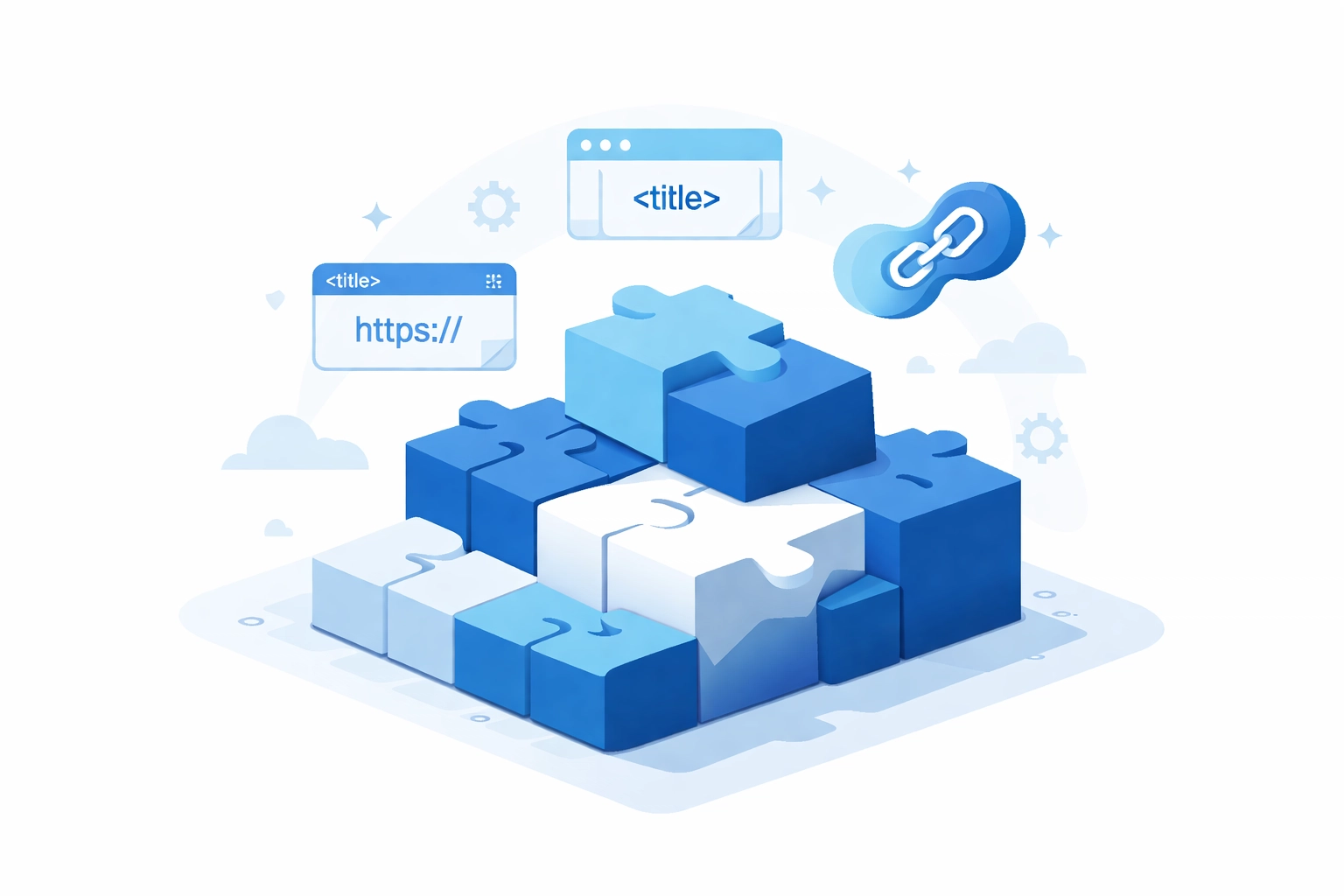
- Clear title tags aligned to search intent
- Focus keywords that reflect how people actually search
- Clean URL structures that make sense to humans and search engines
- Strong internal linking between related pages
- Crawlable, indexable content that search engines can actually find
The strategy is simple: create content for people first, not search engines. AI systems reward clarity, structure, and usefulness because these traits make content easier to extract, summarize, and trust
Keyword Research: Finding What Your Audience Actually Searches For
Keywords remain the foundation of any solid SEO strategy. But it's not about volume anymore, it's about intent
There are three types of keywords you should prioritize:
Intent-driven keywords match the searcher's specific goal. Are they looking for information? Ready to buy? Trying to find a specific website? Your content needs to match that intent
Long-tail keywords are longer, more specific phrases with lower competition. Something like "best free SEO tools for beginners 2026" is easier to rank for than just "SEO tools"
LSI keywords (Latent Semantic Indexing) are related terms that help search engines understand your content's full context. If you're writing about "web design," related terms might include "responsive layout," "user experience," or "site navigation"
Tools like Semrush, Ahrefs, and Surfer SEO can help you identify these opportunities. The key is organizing your strategy around 4-6 topical content pillars rather than targeting keywords at random
Content Optimization: How to Outrank Your Competition
Your content needs to answer search intent better than what's already ranking. Here's how to structure your pages for maximum impact:
Put your main keyword early. Ideally within the first 25 words or first paragraph. Google weighs terms appearing at the top of the page more heavily
Use short paragraphs and explicit headings. Give direct two-sentence answers at the top of each section, then follow with steps, trade-offs, and examples
Weave in related keywords naturally. This provides context without keyword stuffing. If it sounds awkward when you read it out loud, rewrite it
Add FAQ blocks. Mirror how people actually ask questions. This can also help you snag featured snippets
Include trustworthy numbers. Benchmarks, ranges, before/after data, these build credibility. And always show a "last updated" date to signal freshness
Want to outrank competitors? Reverse-engineer their success. Identify keywords they've overlooked, create content that answers questions better, or target formats they haven't used
If content strategy feels overwhelming, working with a digital marketing team can help you build a plan that actually moves the needle
Technical SEO: The Behind-the-Scenes Work That Matters
You can have the best content in the world, but if search engines can't find or understand it, you're invisible. Technical SEO ensures your site is built on a solid foundation
Site structure matters. Build around logical content hierarchies, intent-based clustering, minimal orphan pages, and clean navigation paths. Every important page should be reachable within a few clicks from your homepage
Fix crawl errors. Broken links and redirect chains silently erode your performance. Check Google Search Console regularly
Verify indexing status. Make sure your important pages are actually being indexed. You'd be surprised how often they're not
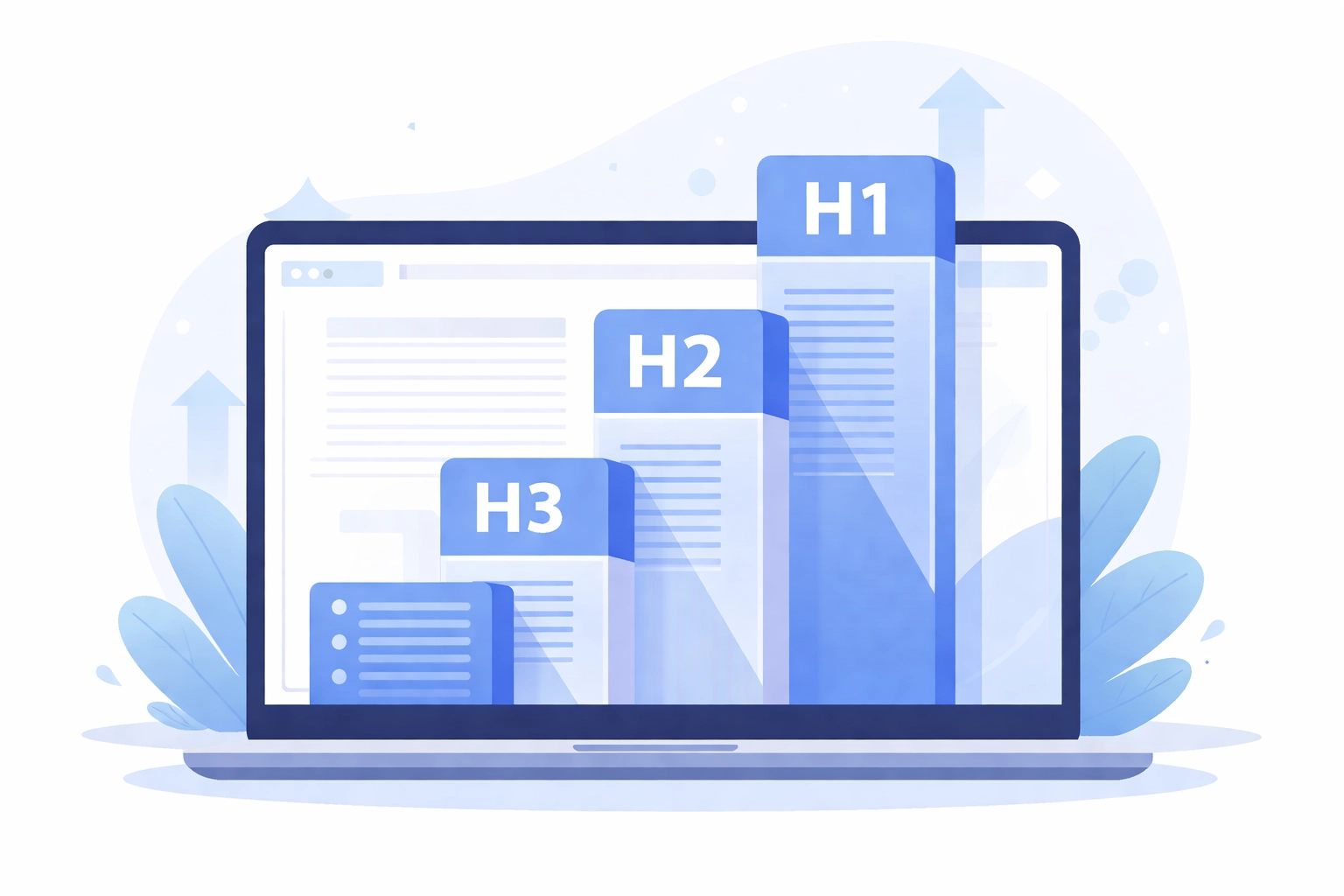
Use semantic HTML. Proper structure helps search engines understand your content's hierarchy
Create clean sitemaps. Submit them to search engines so they know exactly what pages exist on your site
A well-built website starts with solid web design that considers both user experience and technical requirements from day one
Page Speed and Core Web Vitals
Website speed is a confirmed ranking factor. The Core Web Vitals threshold is 2.5 seconds on mobile, if you're slower than that, you're likely losing both rankings and visitors
Here's how to speed things up:
- Enable browser caching to store static files locally
- Use a content delivery network (CDN) to serve content from servers closer to users
- Minify CSS, JavaScript, and HTML to remove unnecessary characters
- Reduce third-party scripts that bog down performance
- Lazy load images and videos that aren't immediately visible
For images specifically, compress to 70-80% quality. Most visitors won't notice the difference, but your load times will improve dramatically

Mobile Optimization: Non-Negotiable in 2026
More than half of all web traffic comes from mobile devices. If your site doesn't work well on phones, you're essentially invisible to a huge chunk of your potential audience
Key mobile priorities:
- Responsive design that adapts to any screen size
- Tap targets around 44x44 pixels with adequate spacing
- Thumb-friendly placement for important elements (typically the lower half of the screen)
- Simplified navigation with sticky menus and collapsible sections
- No zooming required to read or interact with content
Run mobile tests across different device types. What works on an iPhone might not work on an Android tablet
Need help making your site mobile-friendly? Web development experts can ensure your site performs well on every device
Building Authority Through Links
Authority still matters, a lot. But building it has changed. Forget buying links or spamming comment sections. Those tactics will get you penalized
Instead, focus on earning links naturally:
Create thought leadership content. Original research, industry insights, and comprehensive guides attract links organically
Analyze competitor backlinks. Find sites linking to their weaker content and reach out with something better
Guest post strategically. Write for reputable sites in your industry (not link farms)
Build relationships. Networking with others in your space leads to natural collaboration and link opportunities
The goal is authority growth aligned to real business outcomes, not vanity metrics
Measuring Success: Analytics That Matter
You can't improve what you don't measure. Set up proper analytics to track:
- Organic traffic trends over time
- Keyword rankings for your target terms
- Conversion rates from organic visitors
- Referral traffic from AI sources (yes, track this separately)
- Bounce rates and time on page
Google Search Console is your best friend here. It shows exactly how Google sees your site and identifies opportunities you might be missing
Review your data regularly and adjust your strategy based on what's actually working

Putting It All Together
SEO in 2026 isn't about tricks or hacks. It's about doing the fundamentals really well, consistently, over time
Start with keyword research that matches real search intent. Create content that genuinely helps your audience. Build a technically sound website that loads fast and works on every device. Earn authority through quality rather than shortcuts
The businesses that win at SEO are the ones that commit to providing value. Everything else follows from there
Ready to build an SEO strategy that actually works? Get started with a team that understands both the technical and creative sides of search optimization