
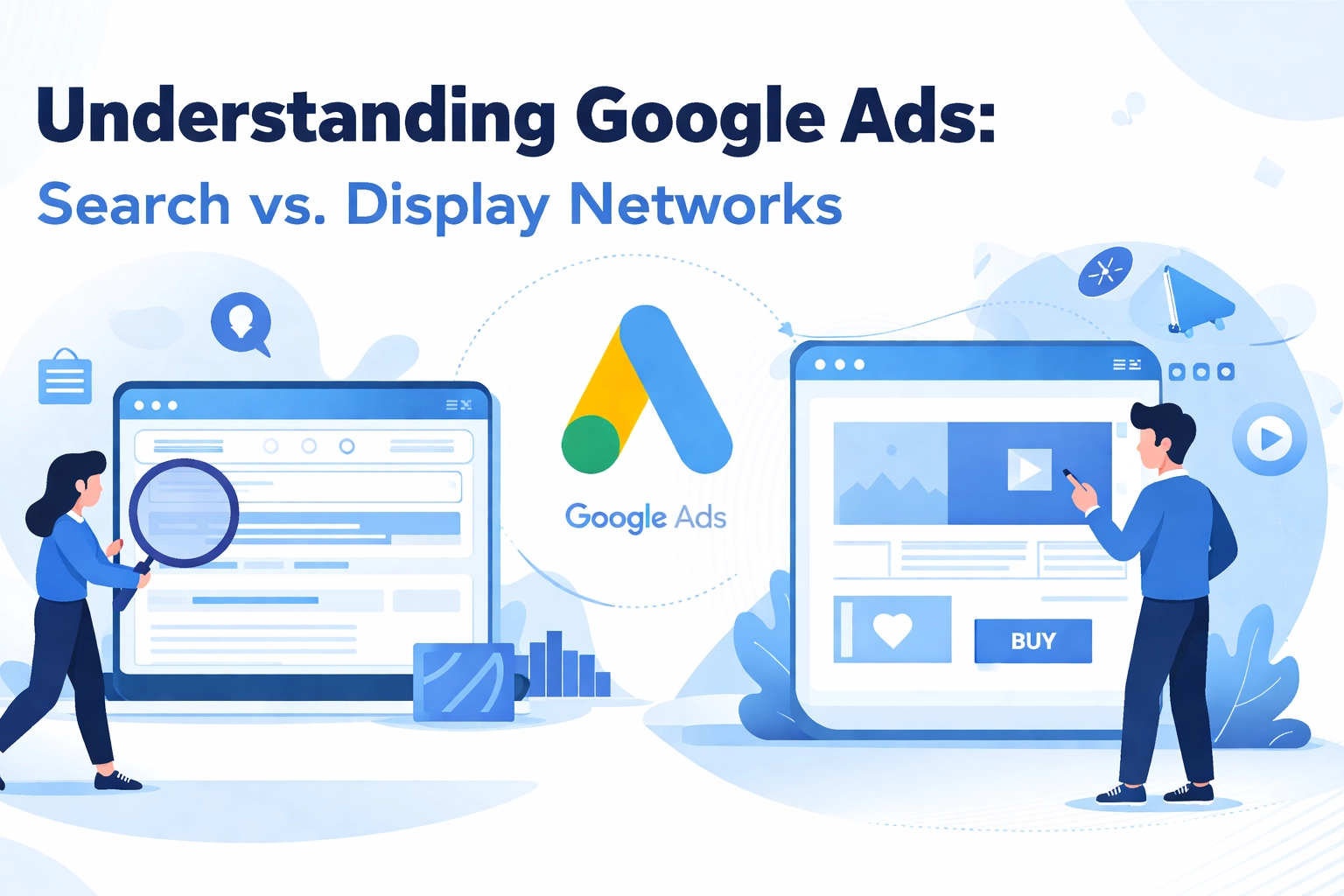

If you've ever dipped your toes into Google Ads, you've probably noticed two main options: the Search Network and the Display Network. They sound similar, but they work in completely different ways
Choosing the wrong one can drain your budget fast. Choosing the right one can bring in quality leads without breaking the bank
Let's break down how each network works and when to use them
What is the Google Search Network?
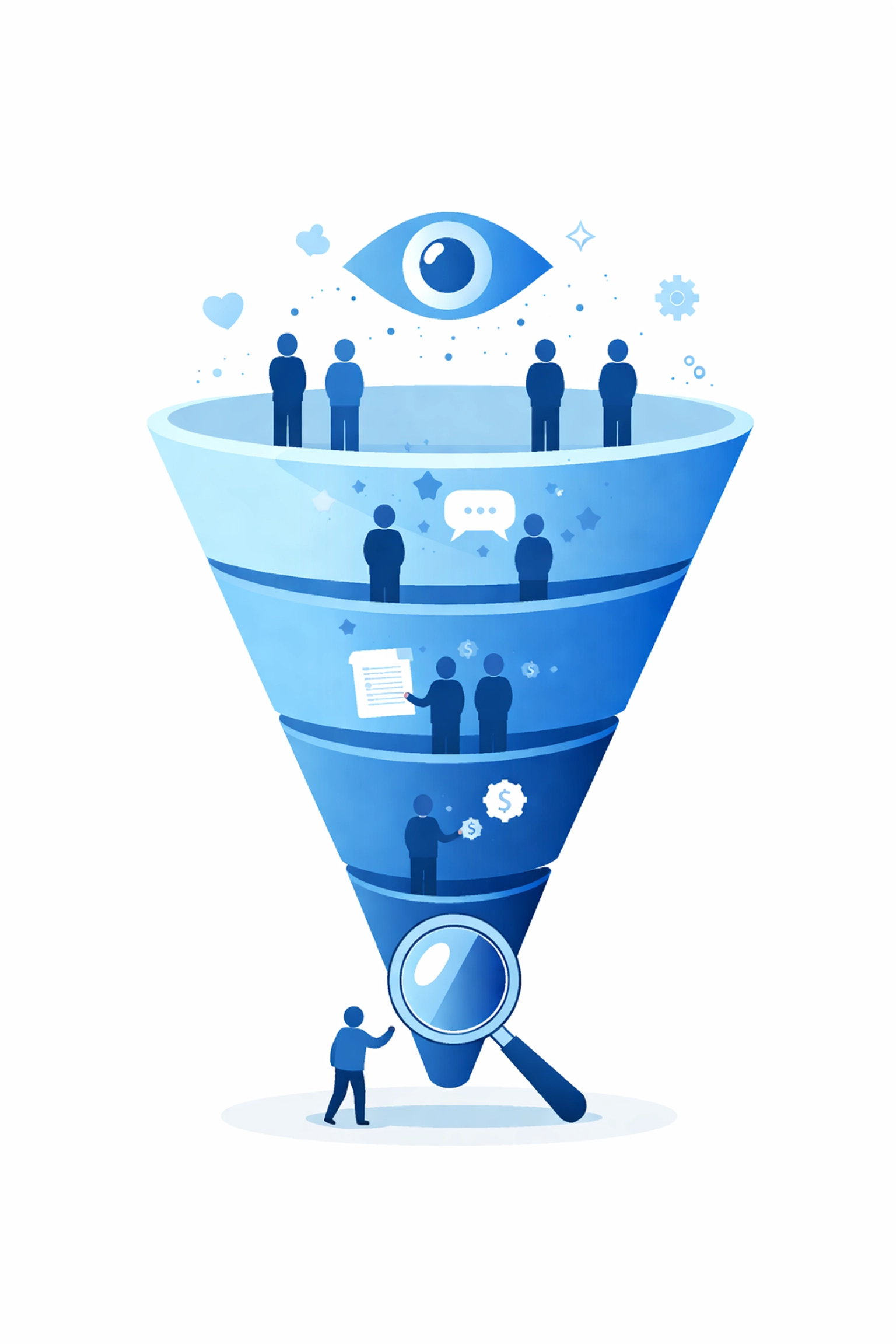
The Search Network is pretty straightforward. When someone types a query into Google, your ad can appear at the top or bottom of those search results
These are text-based ads. No fancy graphics or banners. Just headlines, descriptions, and a link to your website
Your ads only show up when someone searches for keywords you've selected. So if you're a web design company and you bid on "custom website design," your ad appears when someone searches that exact phrase or something close to it
The Search Network also includes Google Search Partners: sites like YouTube and other websites that use Google's search functionality
What is the Google Display Network?
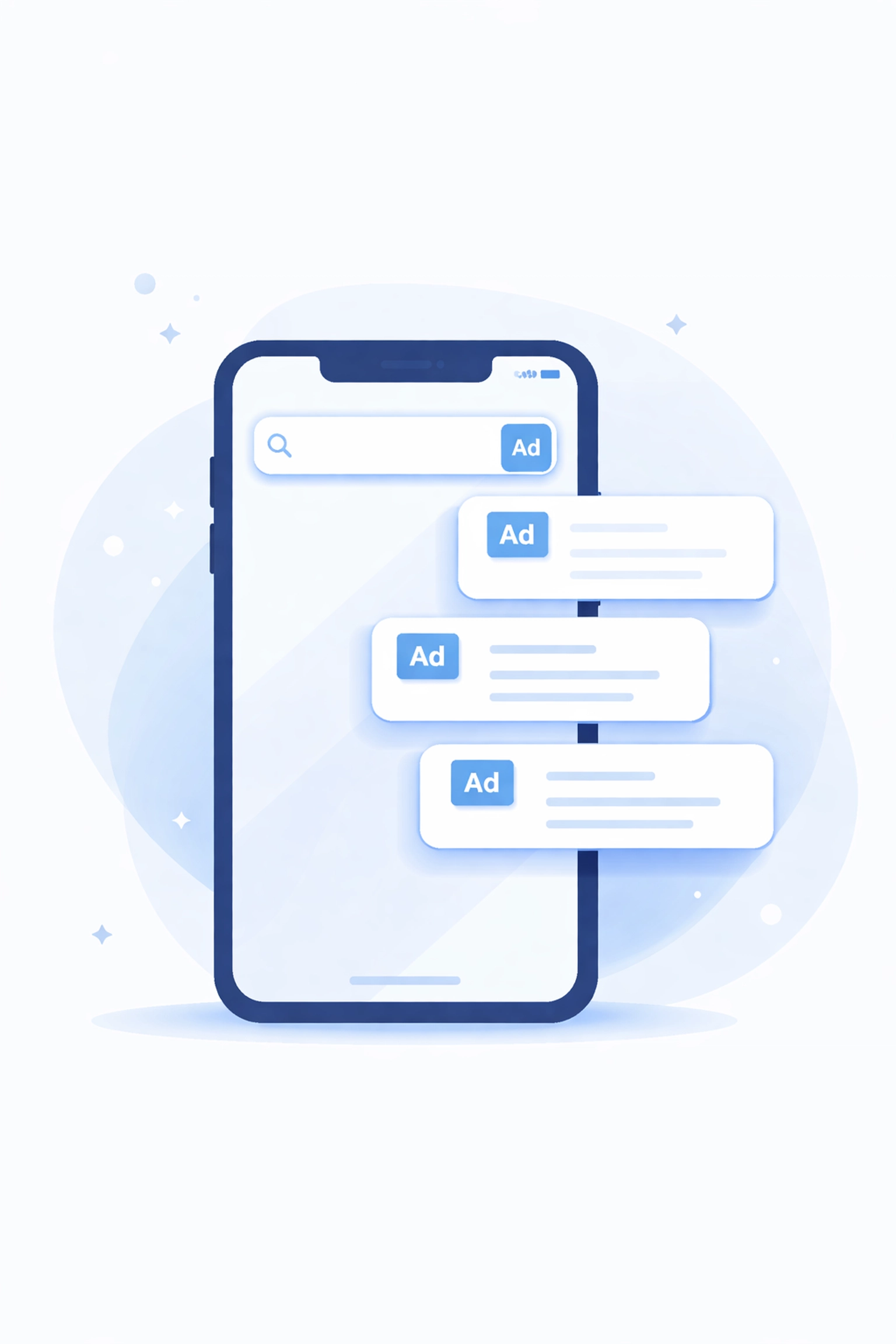
The Display Network works differently. Instead of waiting for someone to search for something, your ads appear on websites people are already browsing
These are visual ads: banners, images, and sometimes video. They show up on millions of partner websites across the internet based on content relevance, audience targeting, or user behavior
Think of it this way: you're reading an article about home improvement, and suddenly you see an ad for power tools. That's the Display Network at work
The Core Difference: Intent
Here's the fundamental difference between these two networks
Search Network = Pull advertising
Users are actively looking for something. They type in a query because they want answers. They're pulling your ad toward them
Display Network = Push advertising
Users are browsing the web, not actively searching for your product. You're pushing your ad in front of them hoping to grab their attention
This difference in intent changes everything about how you should use each network
Where Users Sit in the Sales Funnel
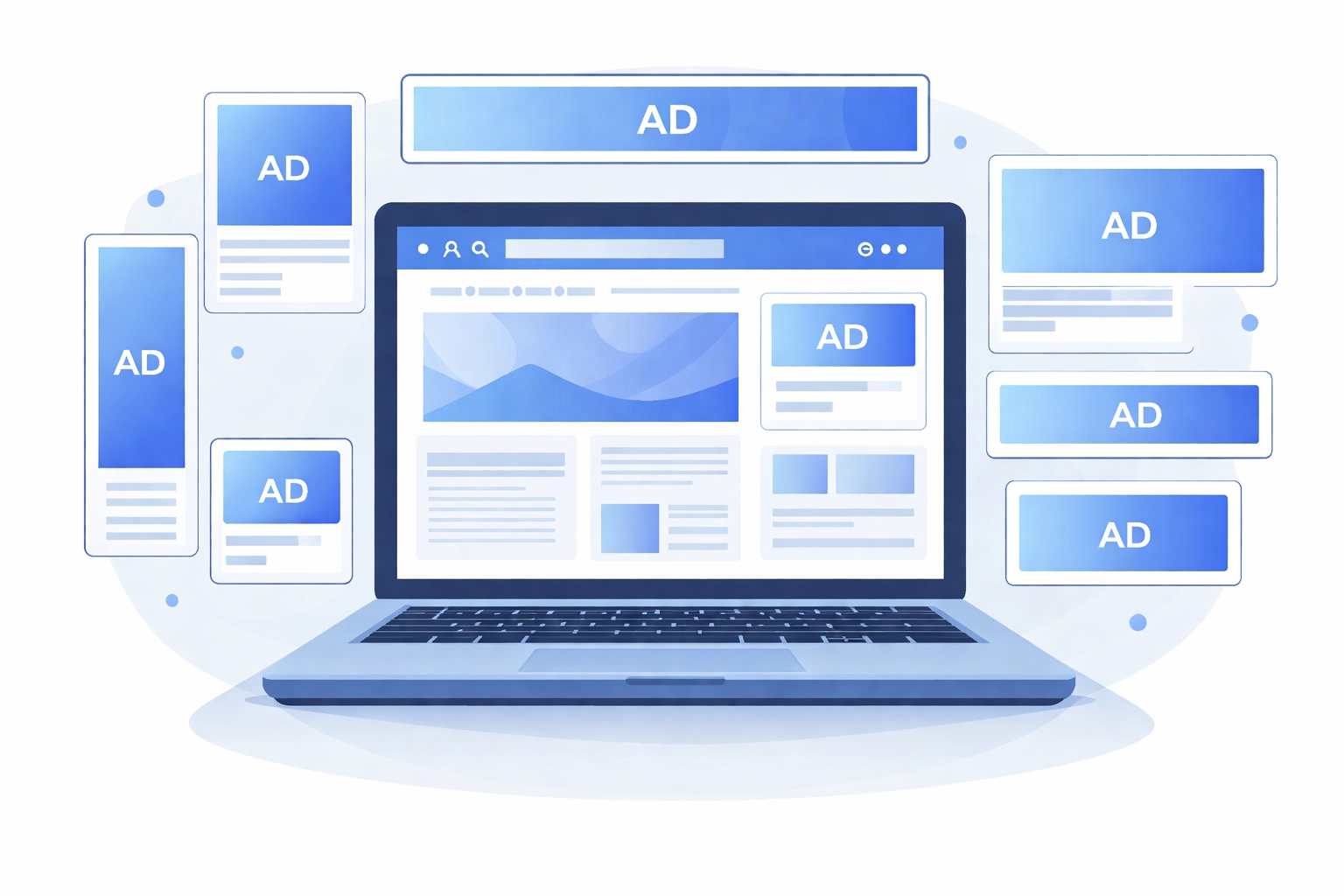
Understanding the sales funnel helps clarify when to use each network
Search Network: Bottom of the Funnel
People using Google Search are often ready to take action. They know what they want. They're comparing options, looking for pricing, or searching for a specific service
These users are high-intent. They're closer to making a decision
If someone searches "digital marketing agency for small business," they're not just browsing. They're actively looking for help
Display Network: Top of the Funnel
Display ads reach people who might not know your brand exists yet. They're not searching for you: they're reading news, checking the weather, or scrolling through blogs
These users are colder. They need to be warmed up before they convert
Display works best for brand awareness and staying top-of-mind
Cost Comparison
Budget matters. Here's what you need to know
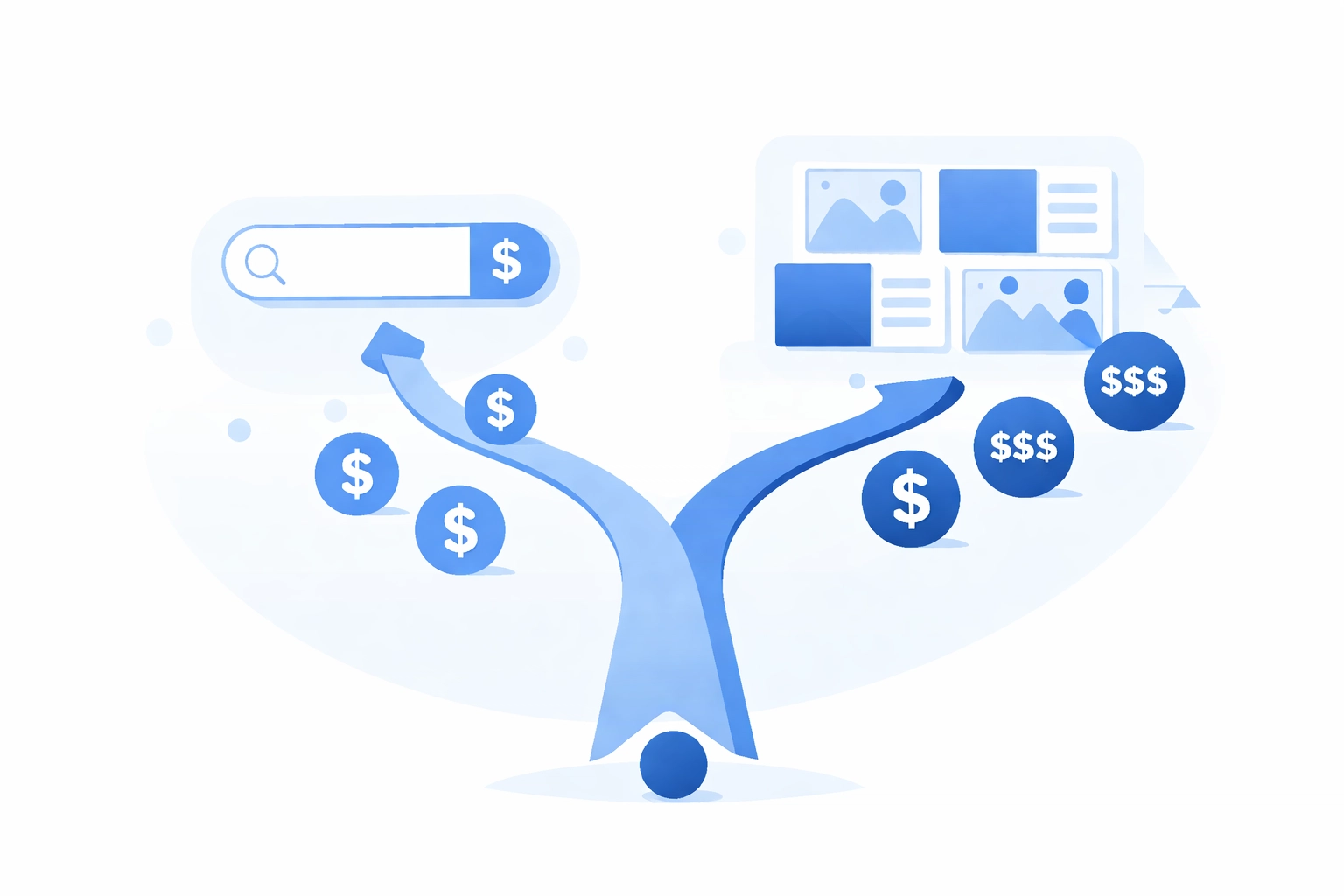
Search Network ads typically cost more per click
Why? Because you're reaching high-intent users. They're more likely to convert, so competition for those keywords is higher
Display Network ads are cheaper per click
You're reaching broader audiences with less immediate intent. The traffic is colder, so the cost reflects that
If you're working with a limited budget and need results fast, Search usually delivers better ROI. If you have room to play the long game and build awareness, Display can stretch your dollars further
When to Use the Search Network
Search ads make sense when:
- Your budget is tight : Focus on people already looking for what you offer
- You want conversions : Sales, leads, sign-ups, phone calls
- Users know what they need : They're searching for specific solutions
- You're in a competitive market : Capture demand that already exists
Search is ideal for digital marketing campaigns focused on lead generation or direct sales
When to Use the Display Network
Display ads work best when:
- Brand awareness is the goal : Get your name in front of new audiences
- You're launching something new : Products or services people don't know to search for yet
- Remarketing is part of your strategy : Target people who already visited your website
- You want visual impact : Showcase products with images or video
Display is great for businesses that need to build recognition before expecting conversions
Should You Run Both Networks Together?
Here's a common mistake: running Search and Display in the same campaign
Google offers an option called "Search Network with Display Select." It sounds convenient: one campaign, both networks
But it usually hurts your performance
Each network requires different targeting, different ad formats, and different optimization strategies. Lumping them together makes it harder to track what's working and wastes budget on underperforming placements
The better approach: Run separate campaigns for each network. Optimize them independently based on their specific goals
Remarketing: Where Display Really Shines
One of the most powerful uses of the Display Network is remarketing
Remarketing lets you show ads to people who already visited your website. They checked out your services page but didn't fill out a form. They added something to their cart but didn't buy
With remarketing, your display ads follow them around the web, keeping your brand fresh in their mind
This bridges the gap between awareness and conversion. You're not reaching cold traffic anymore: you're reconnecting with warm leads
Measuring Success on Each Network
Different goals mean different metrics
Search Network KPIs
- Click-through rate (CTR)
- Conversion rate
- Cost per conversion
- Quality Score
Display Network KPIs
- Impressions
- Reach
- View-through conversions
- Brand lift
Don't judge Display campaigns by the same standards as Search campaigns. If your display ads aren't converting directly, that doesn't mean they're failing. They might be doing exactly what they're supposed to: building awareness that leads to conversions later
Getting Started
If you're new to Google Ads, start with the Search Network. It's more straightforward to set up, easier to measure, and delivers faster results for most businesses
Once you've got Search dialed in, layer on Display campaigns for remarketing and brand awareness
Need help building a strategy that fits your goals? Our team at WorldWise can help you figure out the right mix of digital marketing services for your business
Quick Recap
| Feature | Search Network | Display Network |
|---|---|---|
| Ad format | Text-based | Visual (banners, images) |
| User intent | High (actively searching) | Low (passive browsing) |
| Funnel position | Bottom | Top |
| Cost per click | Higher | Lower |
| Best for | Conversions, leads | Awareness, remarketing |
Both networks have their place. The key is matching the right network to the right goal
If you want people who are ready to buy, go Search. If you want people to know you exist, go Display. And if you want the best results, run both: just keep them separate
Ready to get started? Reach out to our team and we'll help you build campaigns that actually work