
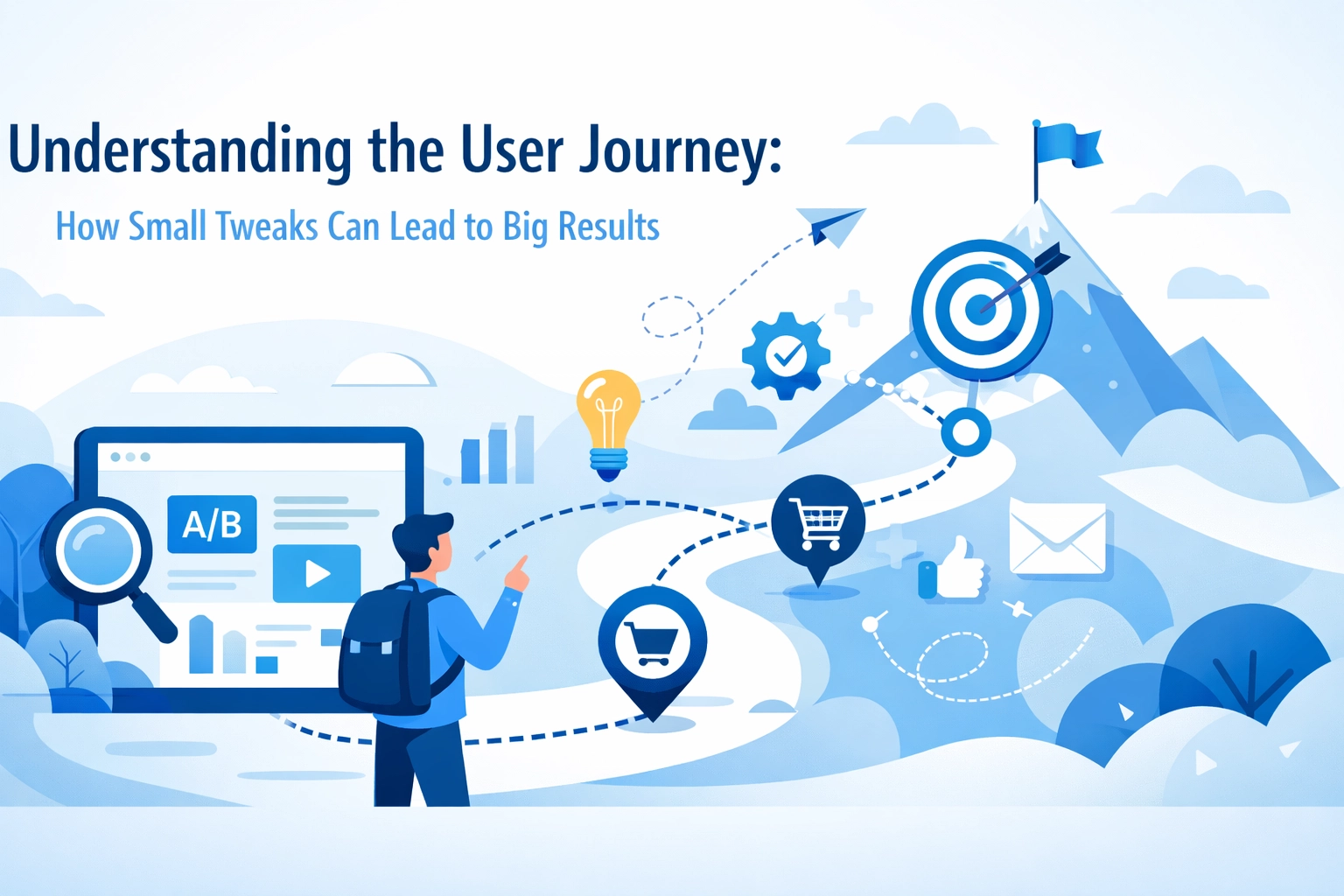

You've probably heard the term "user journey" thrown around in marketing meetings or web design discussions. But what does it actually mean, and why should you care about mapping it out?
Here's the simple version: a user journey is the path someone takes when interacting with your business: from the moment they discover you to when they become a paying customer (and hopefully, a loyal one). Understanding this journey isn't just a nice-to-have exercise. It's how you identify the exact spots where potential customers are getting frustrated and leaving.
The best part? You don't need a complete website overhaul to fix most of these issues. Small, strategic tweaks often deliver the biggest results.
What User Journey Mapping Actually Shows You
User journey mapping is a visualization of every step your customers take to accomplish a goal. Think of it like creating a roadmap of their experience, complete with all the bumps, detours, and dead ends they encounter along the way.
When you map out this journey properly, you're not just guessing about what might be wrong with your website or marketing funnel. You're identifying specific friction points where real people are struggling. These are concrete moments you can fix, not abstract problems that require months of development work.
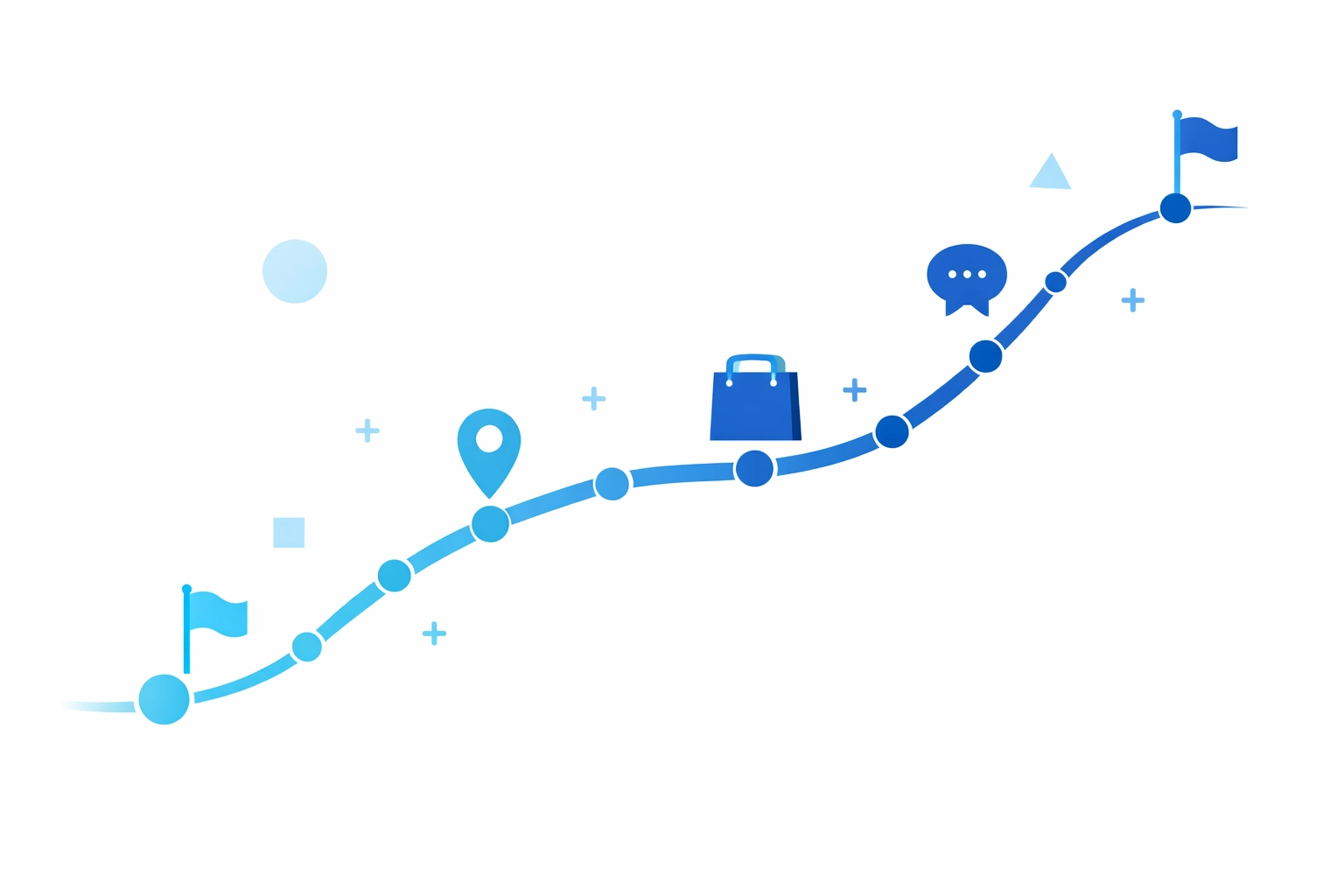
For example, maybe your checkout process requires customers to create an account before purchasing. That single extra step might be preventing people who are ready to buy from completing their order. A simple tweak: adding a guest checkout option: could immediately improve your conversion rate.
This is the power of journey mapping. It reveals the leverage points where small changes create outsized impact.
The Numbers Don't Lie
Here's something that should get your attention: when done correctly, customer journey mapping can increase ROI by 13–22%. That's not a minor improvement. That's a substantial return from strategic, focused improvements rather than expensive, time-consuming redesigns.
Why does it work so well? Because you're not making random changes based on what you think looks better or what your competitor is doing. You're making informed decisions based on real customer behaviors and emotions at each interaction point.
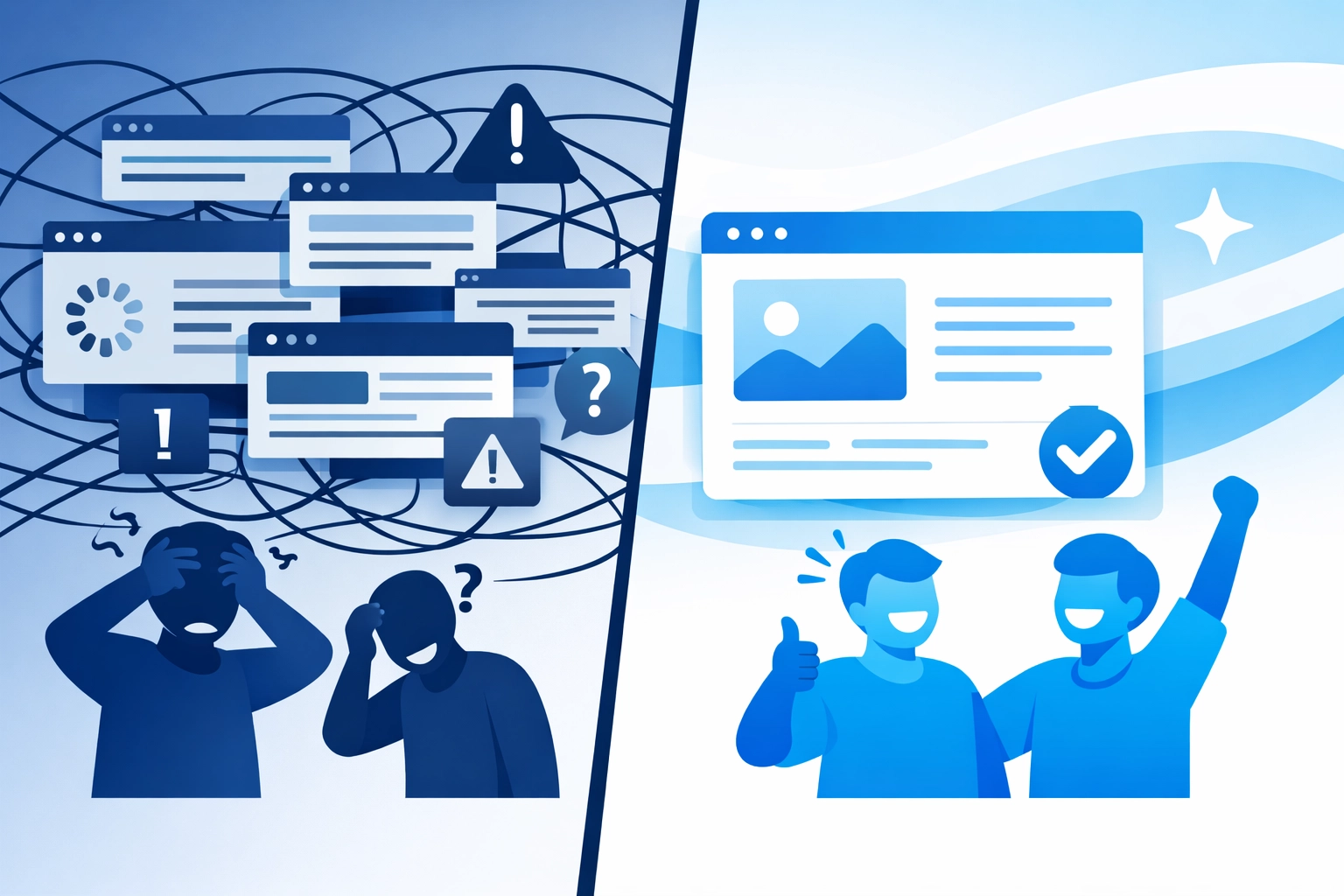
Instead of throwing money at broad marketing campaigns or complete web design overhauls, you're surgically addressing the specific moments that cause customers to bounce. The ROI compounds because every fix removes friction from the entire customer experience.
What Small Tweaks Actually Target
Journey mapping reveals several types of problems you can address with relatively small changes:
Pain Points and Friction
These are the moments where users get confused, frustrated, or simply give up. Maybe your contact form asks for too much information. Maybe your navigation menu is buried under three levels of submenus. Maybe your product descriptions don't answer the questions customers actually have.
Each of these is a concrete problem with a concrete solution. You don't need to rebuild your entire site: you just need to fix the specific thing that's broken.
Emotional Highs and Lows
People don't interact with businesses in a purely logical way. They have emotional responses at every touchpoint. Journey mapping helps you understand when customers feel delighted, when they feel anxious, and when they feel frustrated.
Understanding these emotional patterns means you can address frustration at its source. If customers feel anxious about security during checkout, adding trust badges and security certificates can ease that concern. If they feel delighted after a smooth onboarding process, that's a moment you can capitalize on with a well-timed ask for a review or referral.

Unmet Needs
Sometimes the problem isn't that something is broken: it's that something is missing entirely. Journey mapping reveals gaps between what customers expect and what you're actually providing.
Maybe customers want to see real product photos instead of stock images. Maybe they need a live chat option for quick questions instead of waiting for email responses. Maybe they expect to see pricing upfront rather than having to request a quote.
These unmet needs represent opportunities. When you fill them, you're not just fixing problems: you're exceeding expectations.
Cross-Channel Inconsistencies
Your customers don't experience your brand in a vacuum. They might discover you on social media, visit your website on mobile, call your office, and then make a purchase on desktop. If these experiences don't align, you're creating unnecessary friction.
Journey mapping helps you spot these inconsistencies. Maybe your Instagram promises 24-hour response times, but your website says to expect replies within 2-3 business days. Maybe your mobile site is missing features that exist on desktop. Small tweaks to create consistency across channels can significantly improve the overall experience.
Real-World Examples of Small Tweaks That Matter
Let's get specific about what "small tweaks" actually look like in practice:
Navigation Improvements
Moving your most important call-to-action from the bottom of your homepage to the top navigation can dramatically increase conversions. Reducing menu options from 10 items to 5 focused choices makes it easier for visitors to find what they need.
Form Optimization
Cutting your contact form from 12 fields to 5 essential ones can double submission rates. Adding inline validation (so users know immediately if they've entered something incorrectly) reduces frustration and abandonment.
Page Load Speed
Compressing images and removing unnecessary scripts can shave seconds off your load time. This might not sound dramatic, but every extra second of load time costs you conversions. A one-second improvement can increase conversions by 7%.

Copy Clarity
Replacing industry jargon with plain language helps visitors understand your value proposition immediately. Changing a button from "Submit" to "Get My Free Quote" tells people exactly what happens when they click.
Mobile Responsiveness
Ensuring your phone number is clickable on mobile saves users from having to manually type it. Making sure buttons are large enough to tap easily prevents accidental clicks and frustration.
None of these changes require months of development or a five-figure budget. But together, they remove friction at multiple touchpoints throughout the user journey.
The Compounding Effect of Strategic Improvements
Here's what makes journey mapping so powerful: small tweaks accumulate impact over time.
When you systematically address pain points across the entire customer experience, you're not just fixing isolated problems. You're creating a smoother, more intuitive experience that builds trust at every step. This has cascading effects:
Reduced churn happens when you remove the friction that causes customers to leave. Maybe they're not abandoning their carts as often. Maybe they're not bouncing after viewing just one page. Each improvement keeps more people engaged longer.
Improved retention comes from personalized, smoother interactions. When customers have a good experience, they're more likely to come back. When they have a great experience, they become loyal advocates.
Better customer advocacy emerges when experiences exceed expectations. Happy customers tell their friends. They leave positive reviews. They become organic marketing channels that cost you nothing but generate real results.
This is why the ROI numbers are so impressive. You're not just improving one metric: you're creating a virtuous cycle where each improvement amplifies the others.
Getting Started with Journey Mapping
You don't need expensive software or a dedicated UX team to start understanding your user journey. Begin by asking yourself:
- Where do potential customers first hear about us?
- What do they do when they land on our website?
- What questions do they have at each stage?
- Where do they get stuck or confused?
- What makes them decide to buy (or not buy)?
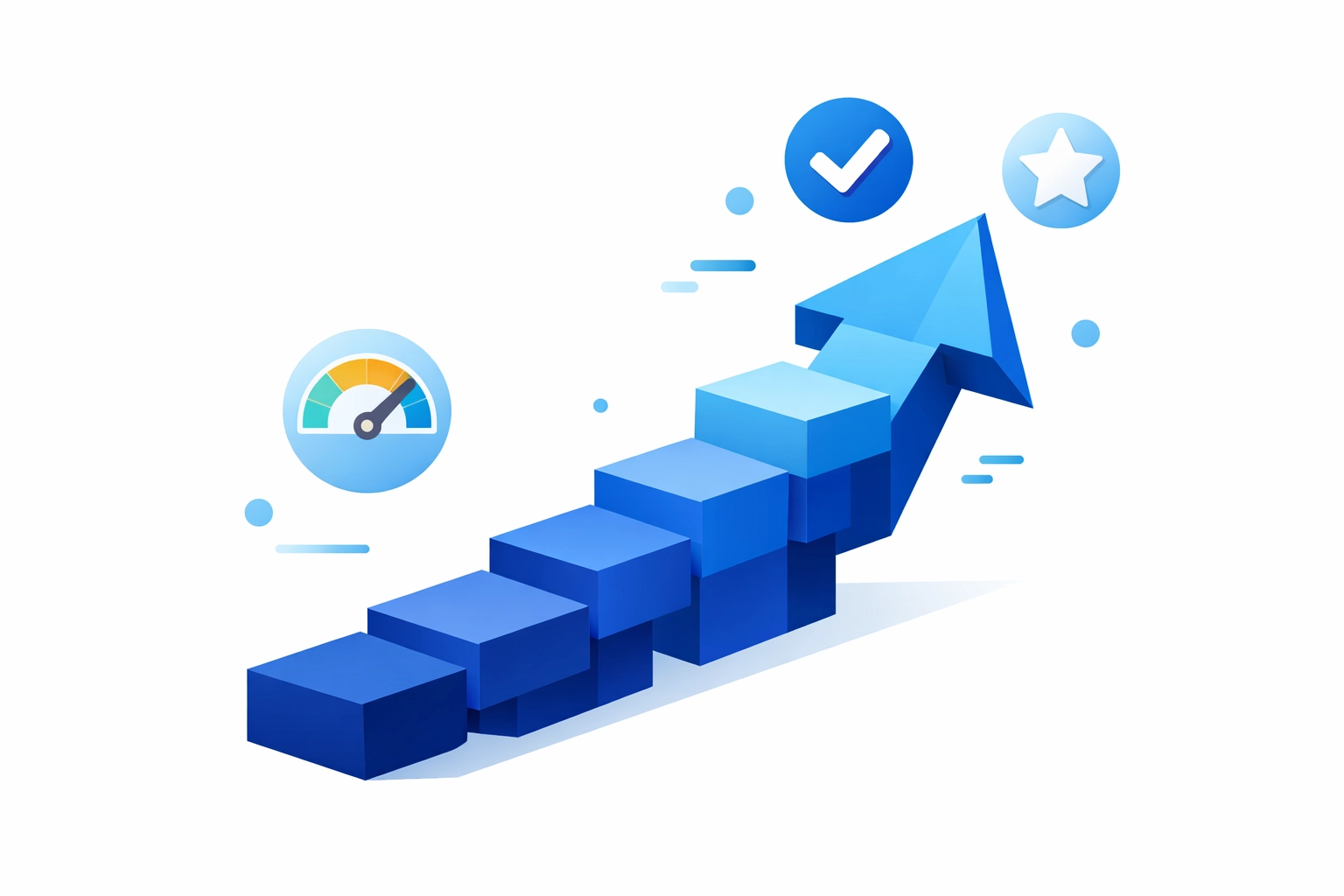
Talk to real customers. Look at your analytics data. Watch session recordings if you have them. The goal is to build a realistic picture of the actual path people take, not the ideal path you wish they would take.
Once you've mapped the journey, prioritize the pain points that affect the most people or have the biggest impact on conversions. Fix those first. Measure the results. Then move on to the next issue.
If you need help identifying these opportunities or implementing solutions, that's exactly what our digital marketing and web design services are built for. We help businesses understand their user journeys and make the strategic tweaks that drive real results.
The truth is, you probably don't need a complete redesign. You just need to fix the specific things that are breaking the experience for your customers. Small tweaks, big results( that's the power of understanding the user journey.)