
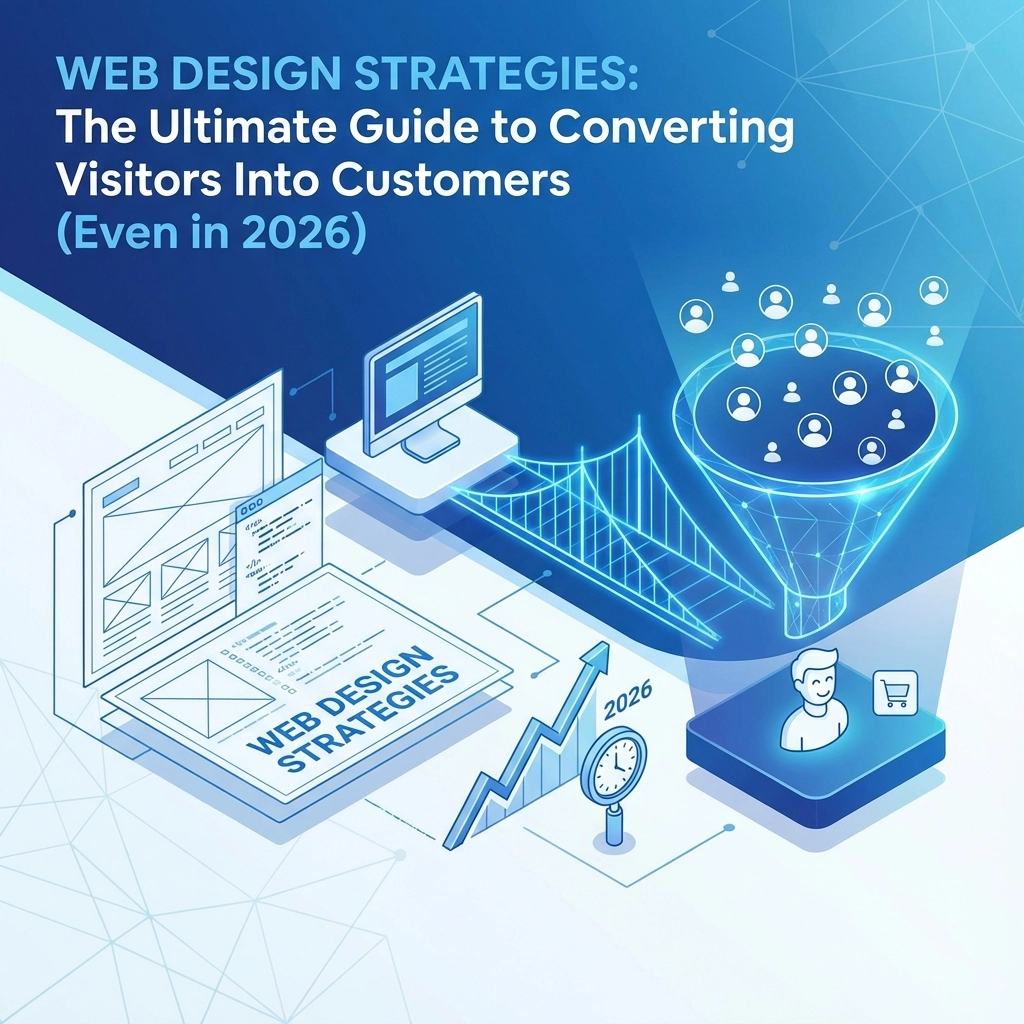

The biggest mistake businesses make with web design? Focusing on how a website looks before defining what it needs to accomplish. In 2026, the most successful websites flip this approach entirely: strategy comes first, aesthetics follow.
High-converting websites start with clear business goals, defined user journeys, and mapped conversion paths before any visual elements touch the screen. This fundamental shift separates websites that generate revenue from those that just look pretty.
Clarity Beats Beautiful Every Time
If your website looks amazing but converts poorly, the problem isn't your design quality. It's clarity, proof, or friction. Visitors need to understand within seconds what you do, who you serve, what makes you different, and what action they should take next.
Your hero section carries the heaviest load here. Lead with a strong, specific headline that immediately communicates value. Follow with a clear subheading explaining exactly how you serve your audience. Skip the generic messaging that tries to appeal to everyone: it appeals to no one.
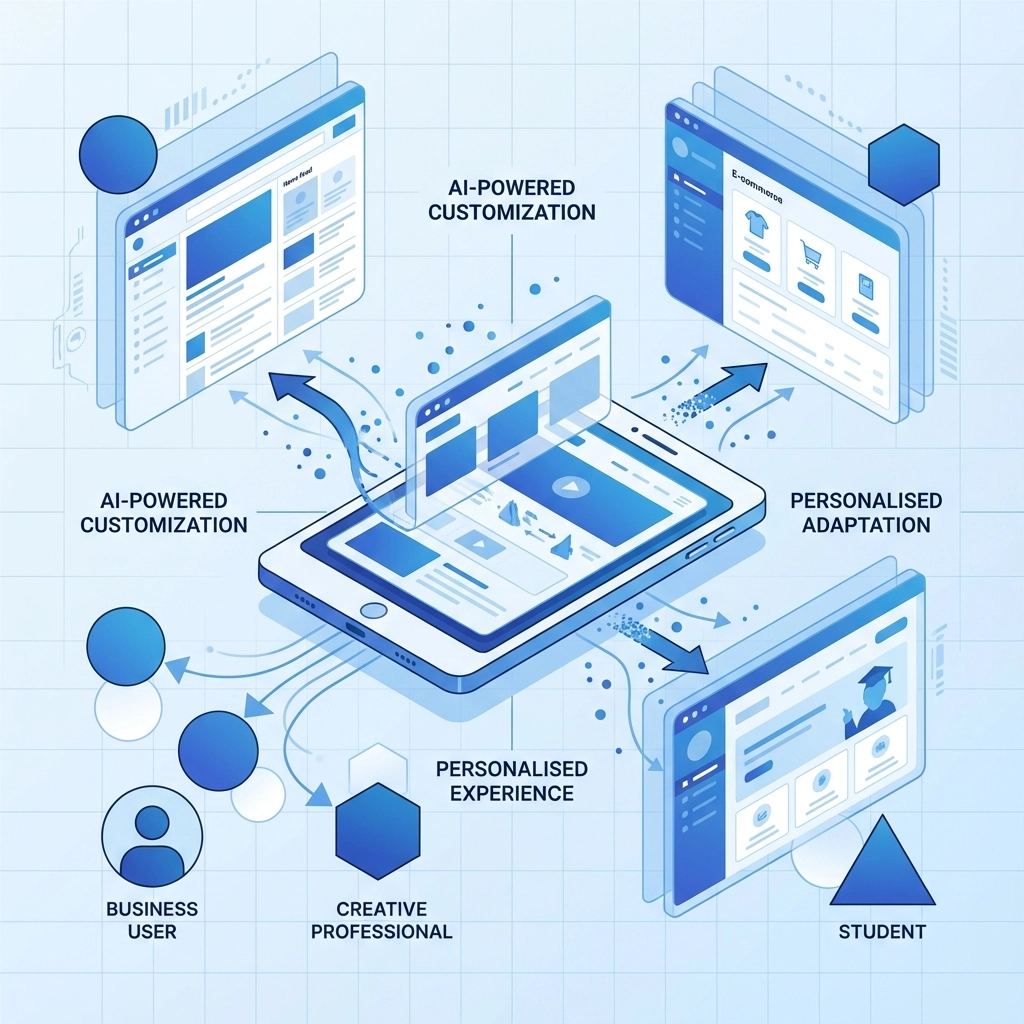
The most effective approach? AI-powered personalization that dynamically adapts your hero message based on visitor type. Companies using this strategy see 20-40% conversion lifts because different visitors see different value propositions tailored to their specific needs.
Show Don't Tell With Product-First Visuals
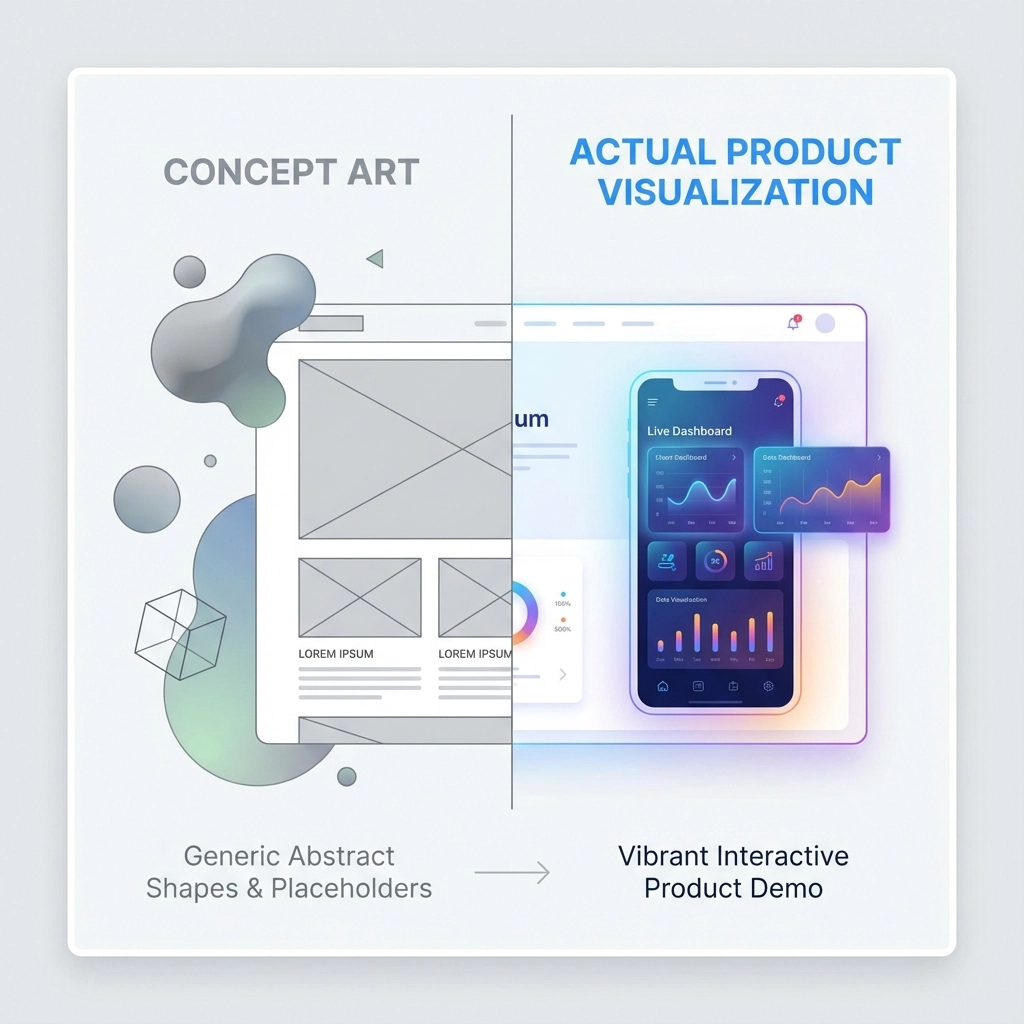
Generic illustrations and stock photos are conversion killers. Users want to see your actual product, not artistic representations of concepts. Interactive demos consistently outperform animations and static illustrations.
When companies replace generic animations with real interactive demos, engagement spikes and demo requests often double. Effective product visualization includes actual interface elements, animated workflows, and micro-demos lasting 10-15 seconds that show real functionality.
Your visitors are evaluating whether your solution solves their specific problem. Abstract visuals force them to imagine the connection between your offering and their needs. Product-first visuals eliminate that mental work.
CTAs That Actually Convert
Generic "Learn More" buttons are missed opportunities. Action-oriented language with urgency and specificity drives results: "Get Your Free SEO Audit," "Calculate Your Marketing ROI," "Schedule Your Consultation," or "Start Your Free Trial."
When paired with high-quality content and presentation, strong CTAs increase conversions by more than 20%. The key is matching the CTA language to where visitors are in their decision-making process.
Your layout should intentionally guide visitors, not just look organized. Use conversion-centered layouts with fewer pages but stronger structure. Every scroll should answer a question and move visitors closer to taking action. Strategic CTA placement combined with visual hierarchy that guides the eye creates a natural flow toward conversion.
Mobile-First Is No Longer Optional
Mobile traffic accounts for over 60% of all website visits. When visitors struggle with pinching and zooming to navigate, 88% won't return. Mobile-first design isn't about making your desktop site work on phones: it's about designing for mobile from the ground up.
Prioritize touch-friendly buttons and links with minimum 44px tap targets. Simplify navigation menus for thumb navigation. Optimize images for fast loading without sacrificing clarity. Design forms that require minimal typing and include click-to-call phone numbers for immediate contact.
The mobile experience often determines whether visitors ever see your desktop version. Get mobile wrong and you lose more than half your potential customers before they have a chance to convert.
Content That Builds Trust and Converts
Break up content with descriptive headings, bullet points, and short paragraphs. Three to four sentences maximum per paragraph keeps readers engaged. Bold key concepts to help scanners quickly find relevant information.
Structure content around problems your customers face and how you solve them. This naturally leads to conversion conversations because you're addressing their specific pain points rather than talking about your company.

Build credibility through educational blog posts answering prospect questions, comprehensive resource guides for lead generation, case studies showing real results, and testimonials from satisfied customers. Each piece of content should either build trust or move visitors toward conversion: ideally both.
Technical Performance Directly Impacts Revenue
Page speed connects directly to conversion rates. Slow sites lose visitors before they have a chance to see your value proposition. Reduce image sizes while maintaining visual clarity. Clean up CSS, HTML, and JavaScript code. Use quality web hosting with CDN for global visitors.
Ensure your site displays correctly across all browsers: Chrome, Safari, Firefox, and Edge. Browser compatibility issues create immediate trust problems. Visitors who encounter broken layouts or missing functionality question whether you can deliver on larger promises.
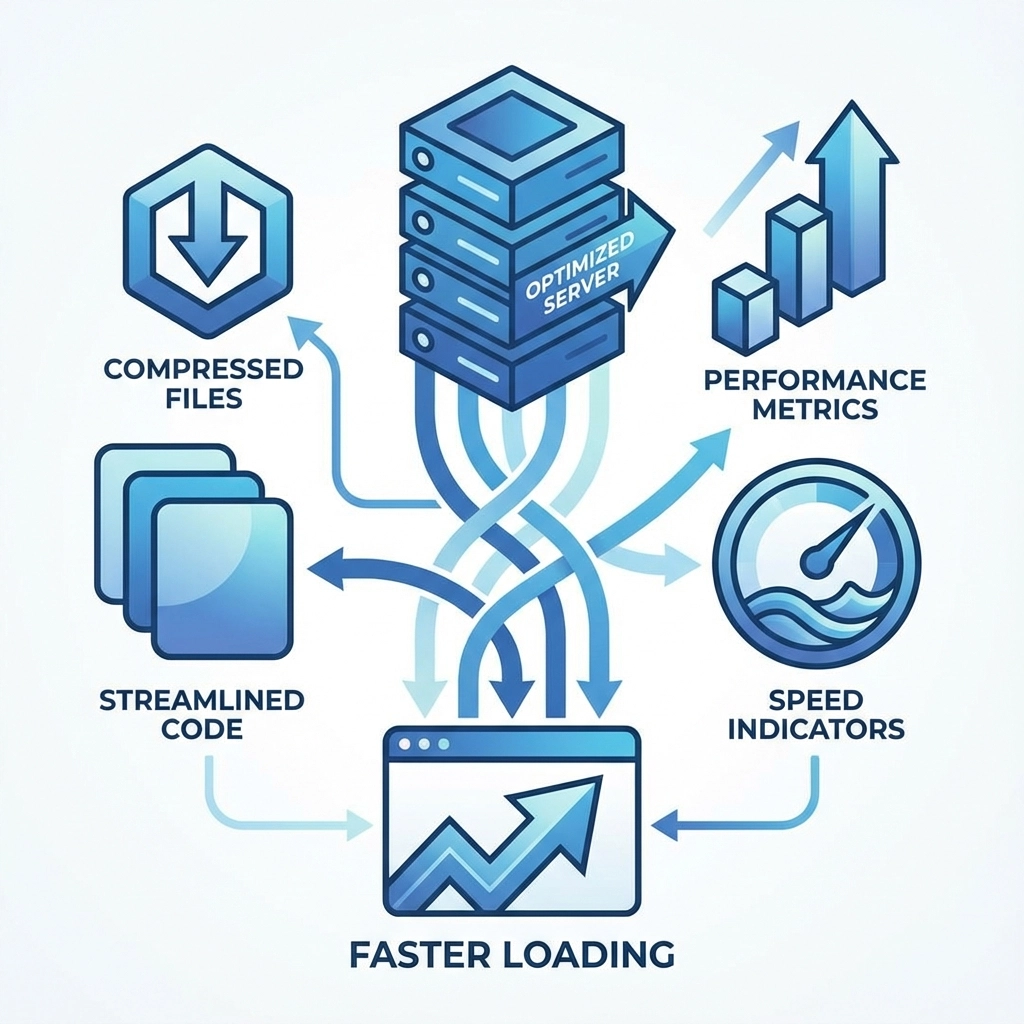
Your site's technical foundation either supports or undermines every other conversion optimization effort. Perfect messaging won't convert visitors who can't access it or wait for it to load.
Testing and Optimization Never End
Implement a testing culture by continuously evaluating headlines, copy, button colors, form placement and length, and page layouts with real data. Opinions about what works matter less than actual performance metrics.
Ask customers how they found you and what influenced their decision. This feedback reveals gaps between your assumptions and their reality. Identify where visitors drop off in your conversion funnel and optimize those specific friction points.
Most businesses optimize once and move on. High-converting businesses treat optimization as an ongoing process. Markets change, competitors evolve, and visitor expectations shift. Your web design strategy should evolve with them.
Results-Driven Design Implementation
Converting visitors into customers requires more than applying these strategies individually. The most successful websites integrate strategy, design, content, and technical performance into a cohesive system focused on guiding visitors toward specific actions.
Every element on your page should either build trust, demonstrate value, or reduce friction in the conversion process. When strategy drives design decisions rather than aesthetics, websites become revenue-generating assets instead of digital brochures.
Ready to transform your website into a conversion machine? Contact our team to discuss how these strategies can work for your specific business goals.