

Here's the truth: you don't have to pick one
Both web design and conversion rate optimization (CRO) play different roles in growing your business. One builds the foundation, the other fine-tunes it. When you use them together, that's when things really take off.
Let's break down what each one does and how they work best when they team up.
What Web Design Actually Does
Web design isn't just making things look nice. It's about creating an experience that guides visitors through your site and helps them find what they need.
Good web design thinks long-term. It builds a site that can grow with your business, adapt to changing user needs, and stay relevant over time. This approach is often called Growth-Driven Design.
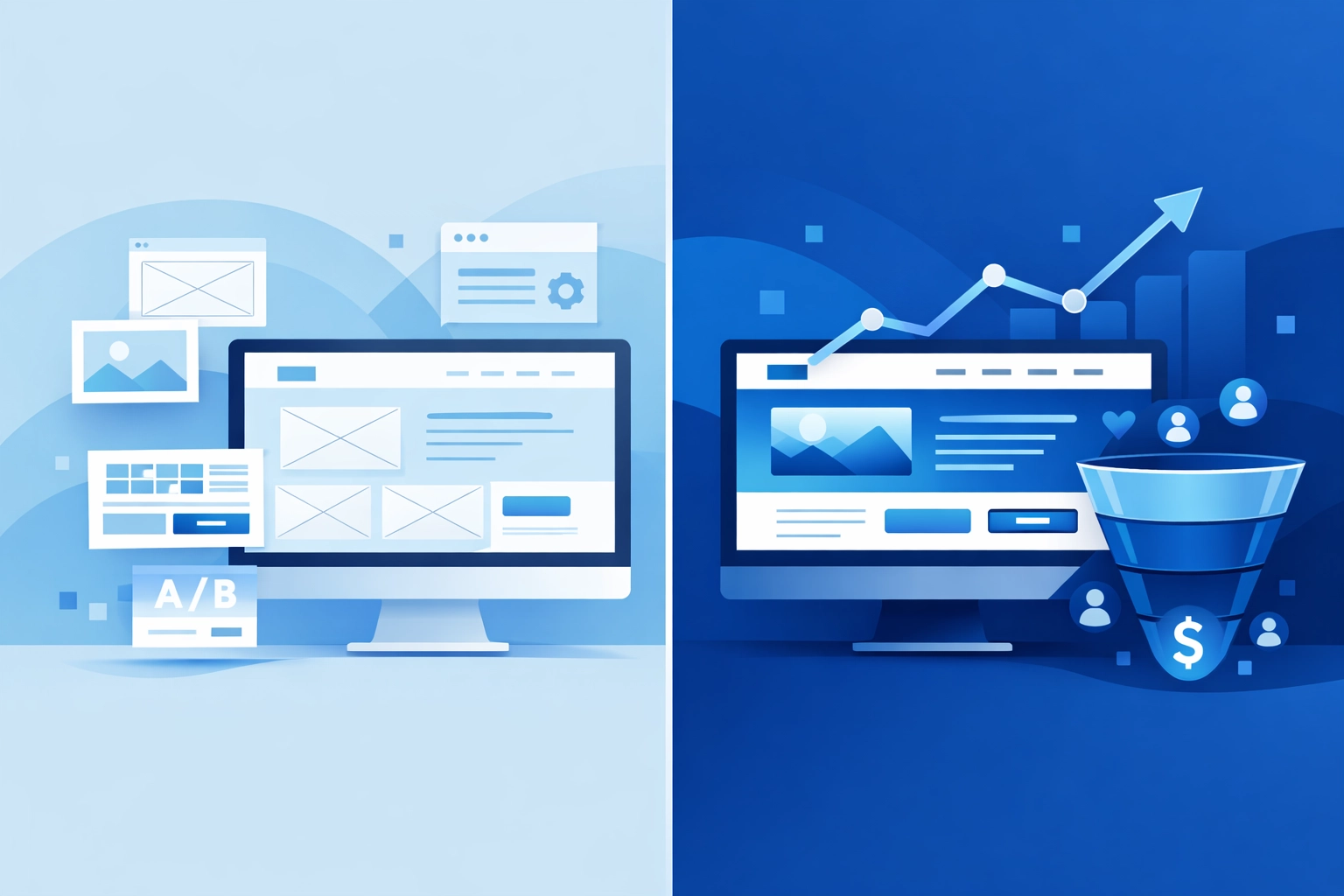
Here's what it focuses on:
- Creating clear navigation that makes sense
- Building mobile-responsive layouts
- Developing new pages as your business expands
- Improving user experience based on feedback
- Making sure your brand looks consistent
Growth-Driven Design treats your website like a living thing. It evolves. Companies that use this approach see real results: one study found a 14% boost in traffic and a 44% increase in leads over six months compared to traditional redesigns.
What Conversion Rate Optimization Does
CRO takes a different angle. It's tactical and focused on right now.
Instead of building new pages or redesigning your whole site, CRO looks at what you already have and asks: how do we get more people to take action?
That action could be:
- Filling out a contact form
- Making a purchase
- Signing up for a newsletter
- Downloading a resource
- Calling your business
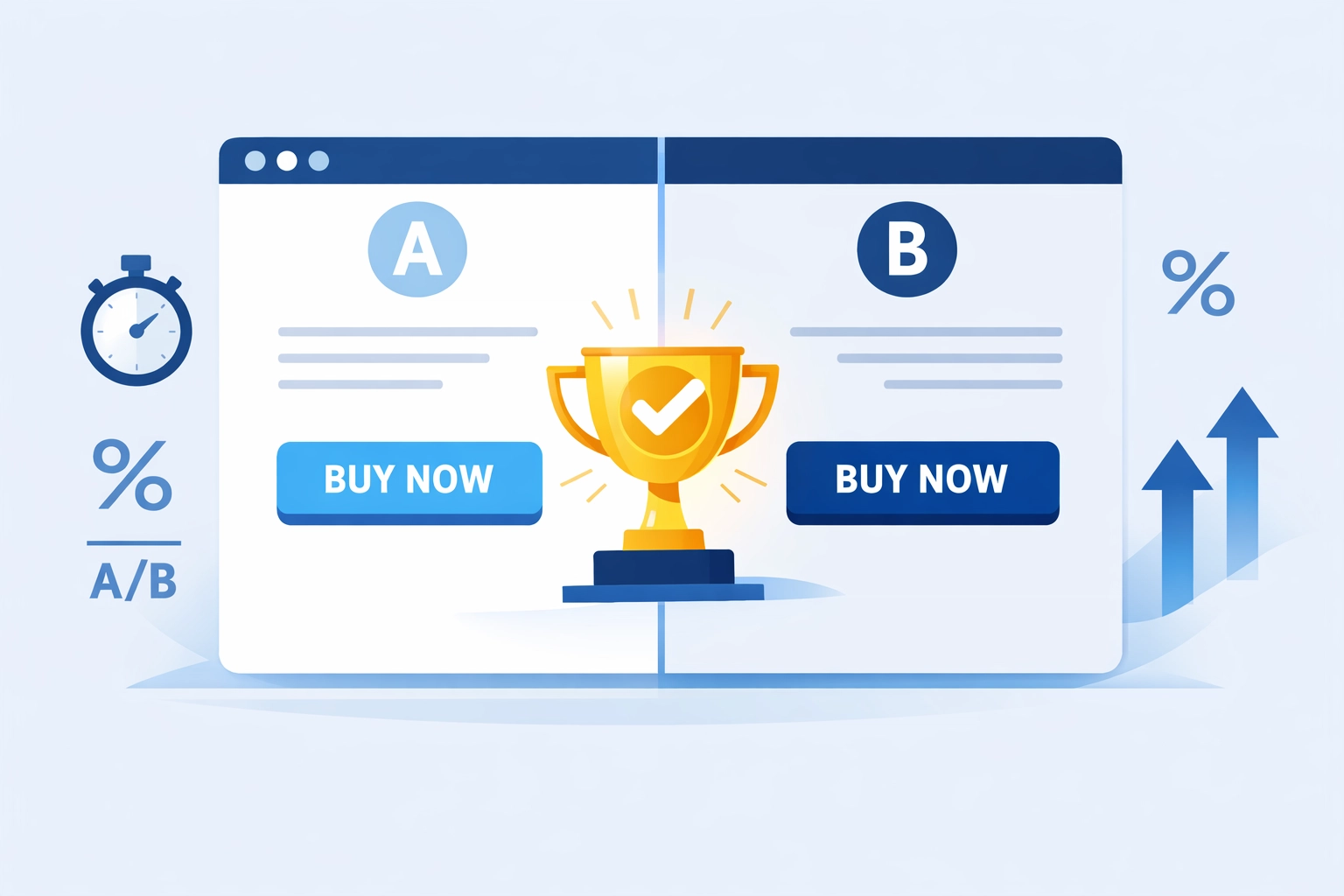
CRO uses data and testing to make these improvements. A/B testing is a big part of it: you try two versions of a page and see which one performs better.
The results can be impressive. Some businesses see conversion improvements up to 400% with optimized user experience. Even a small 1% increase in conversion rate can double your revenue depending on your margins.
Different industries see different results:
- Legal services: 7.4% average improvement
- Point of sale businesses: 7% improvement
- Staffing services: 5.1% improvement
These numbers add up fast when you're talking about real customers and revenue.
The Speed Factor Matters
Here's something most people overlook: site speed is a conversion killer.
Even a 0.1 second delay in page load time can drop conversions by 10%. That means if your site takes too long to load, you're literally watching potential customers bounce before they even see what you offer.
CRO tackles this directly with:
- Image optimization
- Code cleanup
- Server improvements
- Mobile performance fixes
Web design sets up the structure, but CRO makes sure it runs fast enough to actually convert visitors.
When You Need Web Design
You need to focus on web design when:
Your site is outdated. If your website looks like it's from 2010, that's a problem. Visitors judge your credibility in seconds.
You're expanding services. Adding new offerings means you need new pages, better organization, and updated navigation.
User behavior is changing. If analytics show people are struggling to find what they need, it's time for a design overhaul.
Your brand evolved. Rebranding isn't just about your logo. Your website needs to reflect who you are now, not who you were three years ago.
Mobile traffic is growing. If most of your visitors come from phones but your site isn't mobile-friendly, you're leaving money on the table.
Think of web design as the foundation. You can't optimize a house built on sand.
When You Need CRO
Focus on CRO when:
You have traffic but no conversions. If people visit your site but don't take action, you don't need more visitors: you need better optimization.
Specific pages underperform. Maybe your homepage does well but your product pages fall flat. CRO targets those problem areas.
You want quick wins. Design projects take time. CRO can deliver measurable improvements in weeks, sometimes days.
Your bounce rate is high. If visitors leave immediately, something's wrong with the experience on that specific page.
You're running campaigns. If you're spending money on ads or search engine optimization, make sure your landing pages convert that traffic.
CRO is about maximizing what you already have. It's efficient and data-driven.
Why Integration Wins
Here's where it gets interesting: web design and CRO aren't competitors. They're teammates.
Growth-Driven Design provides the strategy and framework. CRO provides the tactical improvements that make specific elements perform better.
When you integrate both:
You build smarter from the start. Design decisions consider conversion potential, not just aesthetics.
You test what works. Instead of guessing, you use data to drive design choices.
You improve continuously. Your site doesn't sit static: it evolves based on real user behavior.
You stay adaptable. Business goals change, customer needs shift. An integrated approach keeps up.
Think of it this way: web design builds the car, CRO tunes the engine. You need both to win the race.
The Practical Approach
So how do you actually use both together?
Start with design fundamentals. Make sure your site is functional, mobile-responsive, and represents your brand well. Without this foundation, optimization efforts won't stick.
Gather baseline data. Before you start optimizing, know where you're starting from. Track key metrics like bounce rate, time on page, and conversion rate.
Identify problem areas. Use analytics to find pages that underperform. These are your CRO targets.
Test and iterate. Run A/B tests on specific elements: headlines, call-to-action buttons, form fields. See what moves the needle.
Design with optimization in mind. When you add new pages or features, build them with conversion potential from day one.
Keep evolving. Neither web design nor CRO is a one-and-done project. Plan for ongoing improvements.
This integrated approach is what separates businesses that grow from businesses that plateau.
What This Means For Your Business
If you're trying to choose between investing in design or optimization, you're asking the wrong question.
The real question is: how do you use both to create a website that looks professional, functions smoothly, and actually converts visitors into customers?
Your website isn't just a digital brochure anymore. It's your 24/7 salesperson, and it needs to perform.
A strategic approach combines the long-term thinking of Growth-Driven Design with the immediate impact of CRO. Together, they create websites that adapt, perform, and grow alongside your business.
Whether you're starting fresh or improving what you have, consider how both design and optimization play into your overall digital strategy. The businesses seeing the best results aren't picking sides: they're using every tool available.
Your website should work as hard as you do. Make sure it's built right and optimized to convert.