


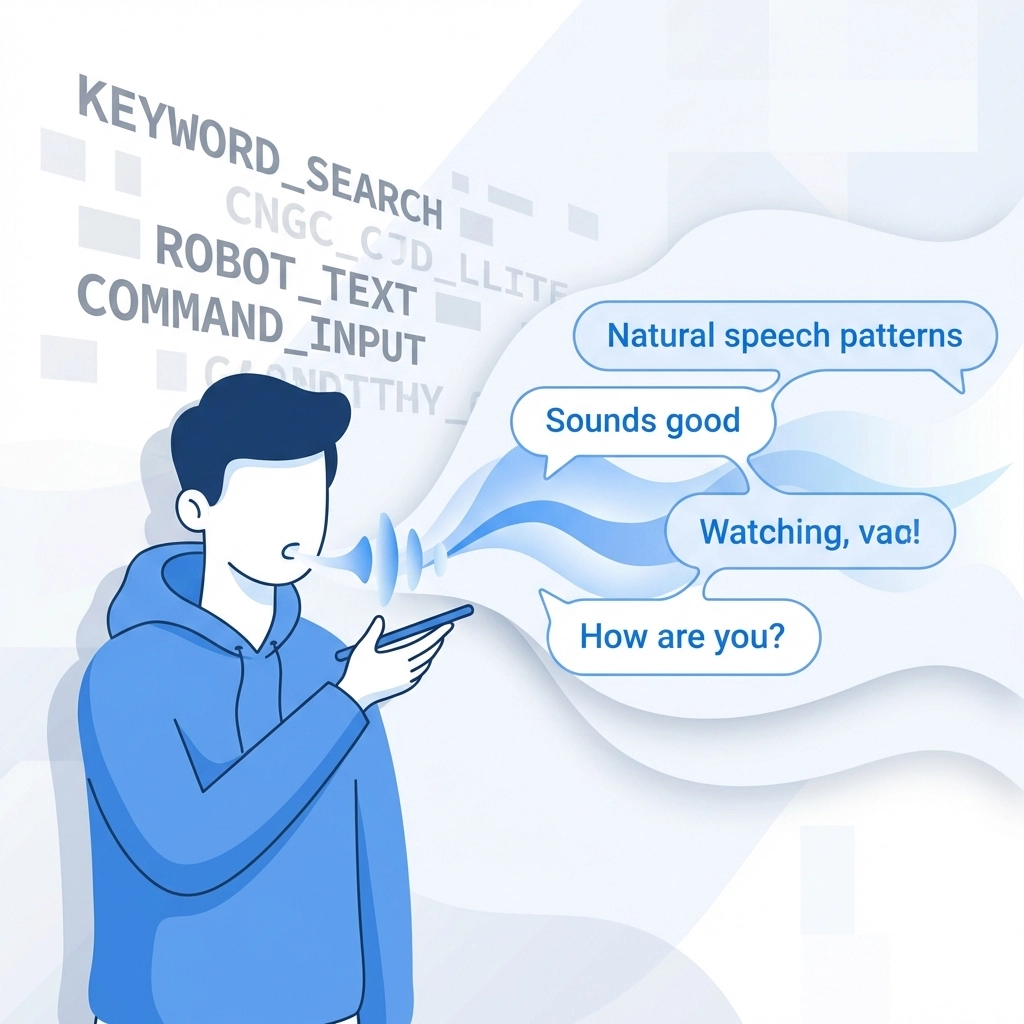
Remember when you had to think like a robot to find something online? You'd type weird phrases like "best pizza delivery near me open now" instead of just asking what you actually wanted to know
Those days are fading fast
Conversational SEO is changing everything about how businesses connect with potential customers. And if you're not paying attention, you might find yourself invisible to the people who need what you offer
What Is Conversational SEO Anyway
Let's keep this simple
Traditional SEO was all about keywords. You'd stuff your website with specific phrases and hope Google noticed. It worked for a while. But search engines got smarter. And so did the people using them
Conversational SEO focuses on how people actually talk and ask questions. Instead of optimizing for robotic keyword strings, you're creating content that matches natural human language
Think about how you use voice assistants. You don't say "weather forecast Tuesday." You ask "What's the weather going to be like on Tuesday?" That's conversational search in action
Why This Shift Matters for Your Business
Here's the deal. Search behavior has fundamentally changed
People expect to have conversations with technology now. They ask complete questions. They use follow-up queries. They want answers that feel like they came from a helpful human, not a database
This matters for customer attraction because:
- Users spend more time on sites that feel natural and responsive
- Trust builds faster when your content sounds like a real conversation
- Conversions increase when you answer questions the way people actually ask them
Studies show 86% of people prefer using conversational tools like chatbots over filling out forms. That preference extends to how they search and consume content too
The Psychology Behind Conversational Search
There's something deeper happening here
When people can interact naturally with content, it lowers what experts call cognitive effort. They don't have to translate their thoughts into machine language. They just ask what they want to know
This creates comfort. And comfort creates trust
Traditional SEO measured success through rankings and click-through rates. Conversational SEO measures engagement depth, how long people stay, and whether they come back. Visibility alone doesn't cut it anymore. People return to what feels right

How Voice Search Is Accelerating This Change
Voice search isn't just a novelty anymore. It's how millions of people find information every single day
When someone speaks to their phone or smart speaker, they use complete sentences. They ask questions. They expect direct answers
This means your content needs to:
- Answer specific questions clearly
- Use natural language patterns
- Anticipate follow-up questions
- Sound like something a knowledgeable friend would say
If your website still reads like a keyword-stuffed brochure from 2015, voice search will skip right over you
What This Means for Your Content Strategy
Time to get practical
Creating content for conversational SEO isn't complicated. But it does require a mindset shift
Focus on intent, not just keywords
Ask yourself what problem someone is trying to solve when they search for your services. What are they really asking? What do they need to understand?
Someone searching for web design services isn't just looking for a list of features. They want to know if you can solve their specific problem. Can you make their business look professional? Can you help them get more customers? Will the process be painful or easy?
Write like you talk
Read your content out loud. Does it sound natural? Would you actually say these words to a potential customer sitting across from you?
If not, rewrite it
Answer questions directly
Every piece of content should answer a specific question. Put the answer near the top. Don't make people dig through paragraphs of fluff to find what they need
Anticipate the next question
Good conversational content thinks ahead. If someone asks about website costs, they'll probably want to know about timelines next. Or maintenance. Or what's included
Structure your content to flow naturally from one question to the next

Practical Steps to Implement Conversational SEO
Here's what you can do starting today
1. Audit your existing content
Go through your website and look for robotic language. Find places where you've stuffed keywords unnaturally. Rewrite them to sound human
2. Create FAQ content
Frequently asked questions are perfect for conversational SEO. They're already in question-and-answer format. Just make sure the answers sound natural and helpful
3. Use long-tail conversational phrases
Instead of targeting "digital marketing services," create content around "how do I know if my digital marketing is working" or "what should I expect from a marketing agency"
4. Optimize for featured snippets
Google often pulls conversational content into featured snippets: those answer boxes at the top of search results. Structure your content with clear questions and direct answers to increase your chances
5. Add conversational tools
Consider adding chatbots or live chat to your website. These tools keep visitors engaged longer and signal to search engines that your site provides value. Plus they give you direct insight into what questions people actually ask
The Impact on Customer Attraction
Here's where it all connects
Conversational SEO isn't just about rankings. It's about becoming the obvious choice for people who need what you offer
When your content sounds like a trusted advisor instead of a sales pitch, something shifts. People start to see you differently. You're not just another option in a sea of search results. You're the one who actually understood what they were asking
This builds the kind of trust that turns searchers into customers. And customers into advocates
Traditional marketing pushed messages at people. Conversational SEO pulls them in by meeting them where they already are: in the middle of a question they need answered

What Happens If You Ignore This Shift
Let's be direct
Businesses that don't adapt to conversational search will slowly become invisible. Not overnight. But steadily
As voice search grows and AI-powered assistants get smarter, content that doesn't match natural language patterns will get filtered out. Your competitors who embrace this shift will capture the attention you used to get
The good news? Most businesses haven't caught on yet. There's still time to get ahead
Getting Started
You don't need to overhaul everything at once
Start with your most important pages. Look at your strategy and identify where you're losing potential customers. Rewrite one page to sound more conversational. See what happens
Then do another. And another
Small changes compound over time. A website that feels human and helpful will always outperform one that reads like a keyword checklist
The way people search is changing. The businesses that change with it will attract more customers. The ones that don't will wonder where everyone went
Ready to make your website work harder for you? Get in touch and let's talk about what conversational SEO could do for your business