
You launched your website. It works. Pages load. The contact form sends emails. Job done, right?
Not quite.
That "good enough" mentality is quietly costing you customers, credibility, and cash. And the worst part? You might not even realize it's happening.
Let's talk about why settling for mediocre web design is one of the most expensive mistakes a business can make.
The Problem With "Good Enough"
Here's a stat that should make you pause: 94% of people say poor design is the main reason they lose trust in a website. Not slow load times. Not confusing navigation. The way it looks.
Your website is often the first interaction someone has with your brand. Before they ever call you, email you, or walk through your door, they're judging you based on what they see on screen.
And if what they see looks generic, outdated, or thrown together? They're gone. Probably to a competitor whose site actually looks like they care.
This isn't about being flashy or trendy. It's about trust. 75% of consumers judge a company's credibility based on its website design alone. That's three out of four people deciding whether you're legit before they read a single word of your copy.
"Good enough" doesn't cut it anymore.

Templates: The Illusion of Savings
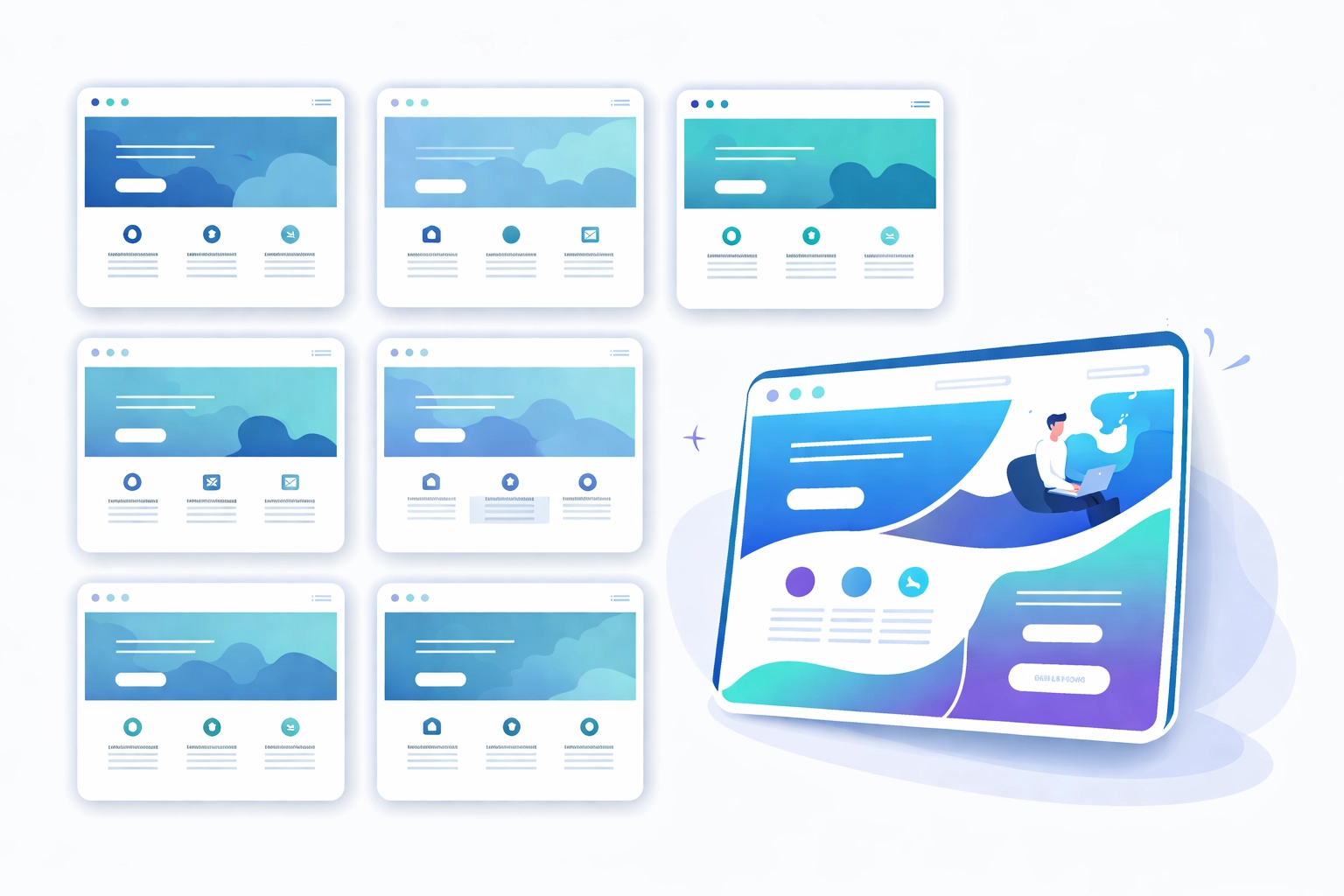
We get it. Template websites are tempting. They're cheap. They're fast. They promise you can have a professional-looking site up and running in a weekend.
But here's what they don't tell you.
Everyone Else Has the Same Site
Templates are sold to thousands of businesses. That "unique" design you picked? Someone in your industry probably has the exact same one. Maybe with different colors. Maybe with a different logo. But the same bones.
Your brand should stand out. Templates make you blend in.
They're Built for Everyone (Which Means No One)
Template designs are created to work for as many businesses as possible. A bakery. A law firm. A fitness studio. They're generic by design.
That means they're not built to guide your specific customers toward your specific goals. They don't account for how your audience thinks, what they need to see, or where they need to click.
Customization Has Limits
Want to move that section? Add a feature? Change how the checkout works? Good luck. Templates lock you into their structure. You'll spend hours fighting the design instead of improving your business.
And when you finally give up and hire someone to fix it? You'll probably end up paying more than if you'd gone custom from the start.
Custom Design: Built to Convert
Here's the difference with a custom, conversion-focused website: every element exists for a reason.
A custom site isn't just pretty. It's strategic. It's built around your business goals, your customer journey, and the actions you want people to take.
Design That Guides Behavior
Good design isn't decoration. It's direction.
Where do your visitors look first? Where do they click? What makes them scroll? A conversion-focused design answers these questions with intention. Buttons are placed where people naturally look. Content flows in a logical order. Distractions are minimized.
The result? More leads. More sales. More engagement.
A Brand That Actually Feels Like You
Your website should feel like an extension of your business. The colors, the fonts, the imagery, the tone, all of it should reinforce who you are and what you stand for.
Templates can't do that. They give you someone else's vision with your logo slapped on top.
Custom design starts with your brand and builds outward. It creates a cohesive experience that sticks in people's minds.
Room to Grow
Businesses change. Your website should be able to change with you.
Custom sites are built with flexibility in mind. Need to add a new service page? Launch an online store? Integrate a booking system? No problem. The foundation is built to expand.
With templates, you hit walls. With custom, you build doors.
The Real Cost of Cheap Design
Let's do some quick math.
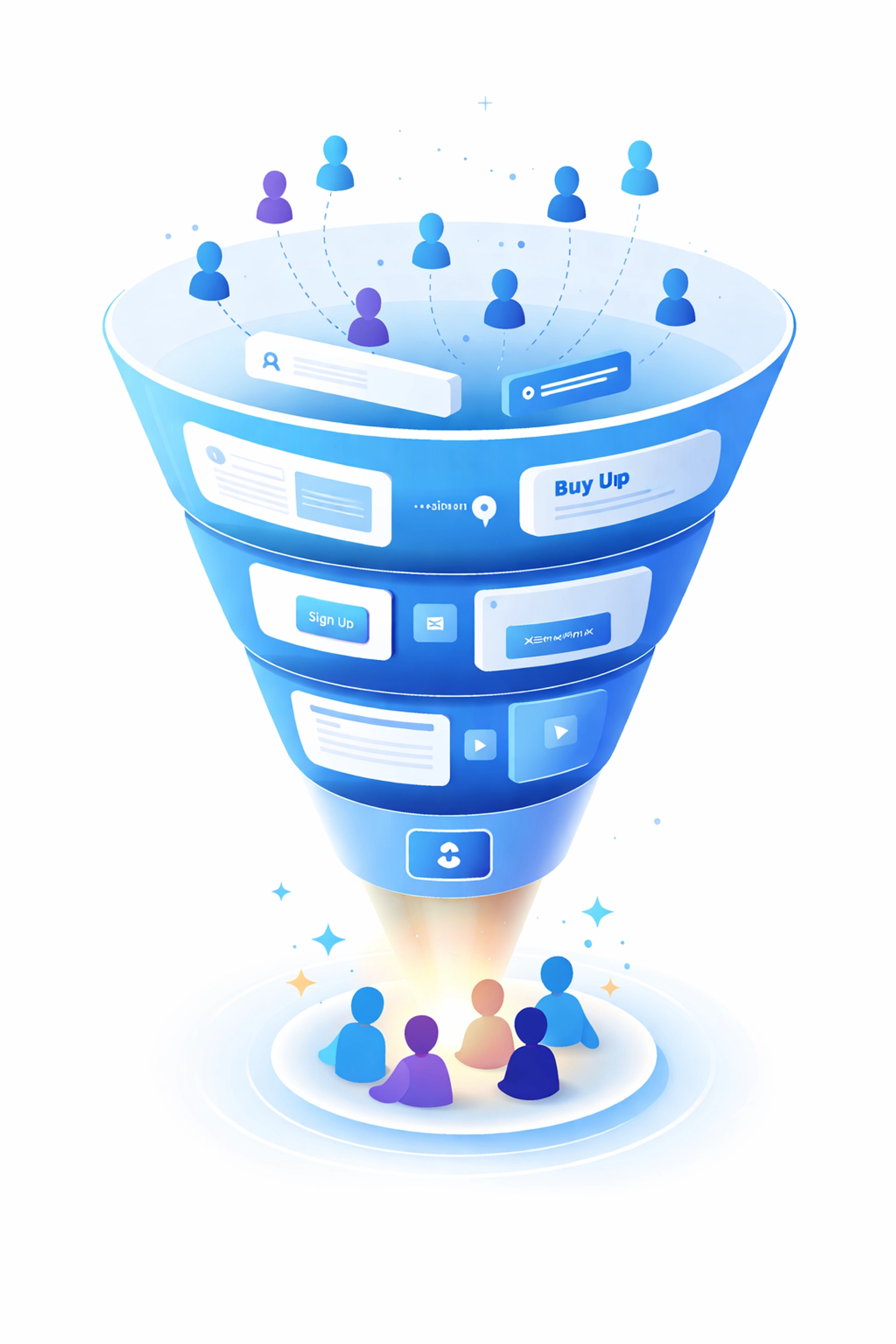
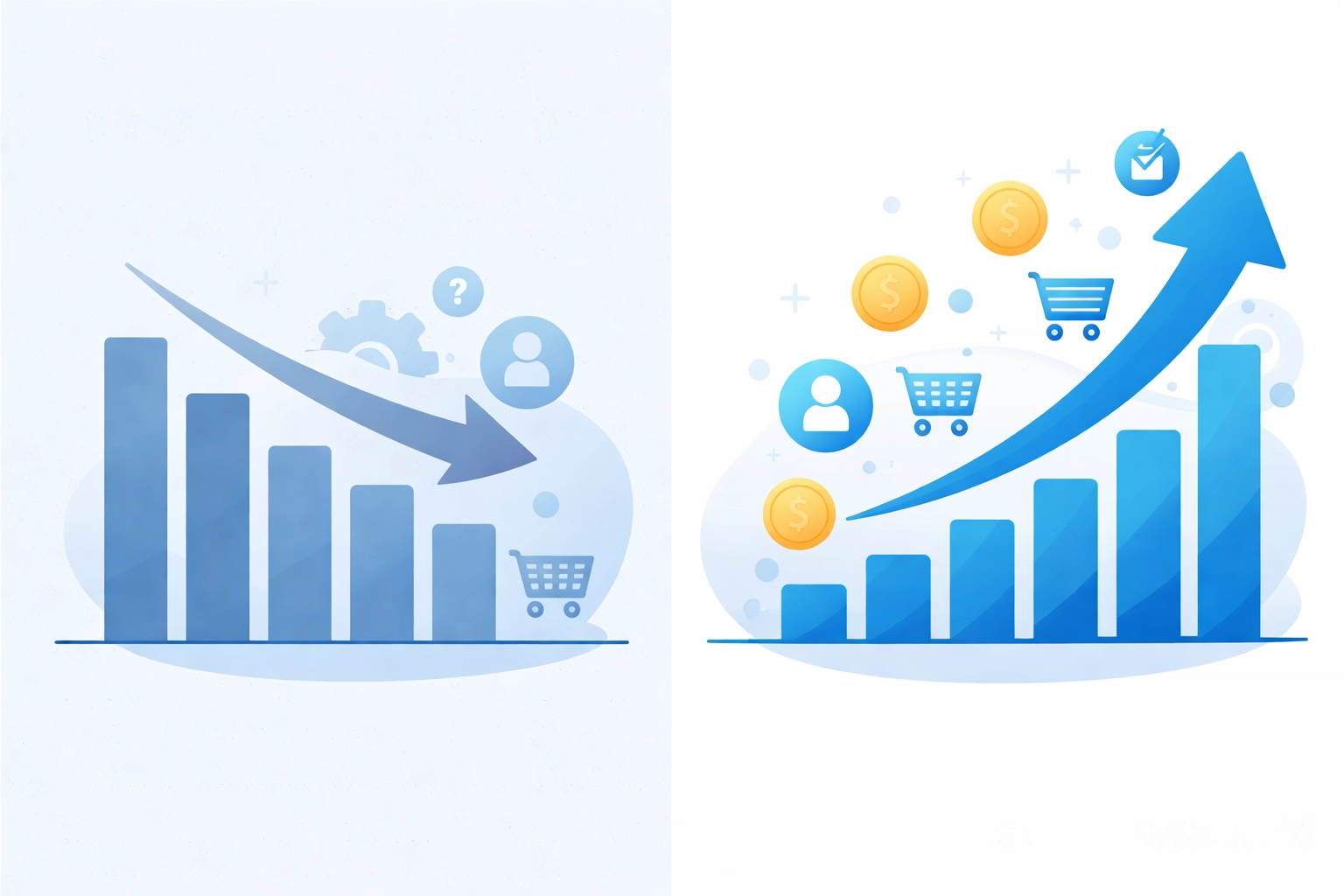
Say your website gets 1,000 visitors a month. With a "good enough" template site, maybe 1% of them convert into leads or customers. That's 10 people.
Now imagine a custom, conversion-focused site bumps that to 3%. That's 30 people from the same traffic.
You just tripled your results without spending an extra dollar on marketing.
Now think about the lifetime value of each customer. The referrals they bring. The repeat business.
That cheap template suddenly looks really expensive.
Hidden Costs Add Up
Beyond lost conversions, template sites often come with hidden headaches:
- SEO limitations that keep you buried in search results
- Slow load times from bloated code you can't fix
- Security vulnerabilities that put your data at risk
- Ongoing frustration from design limitations
You end up spending time and money patching problems instead of growing your business.
What Good Design Actually Looks Like
So what separates a high-performing website from a "good enough" one? Here are the basics:
Clear Visual Hierarchy
Visitors should instantly know where to look and what to do. Headlines grab attention. Subheadings guide them deeper. Calls to action stand out without screaming.
Consistent Branding
Colors, fonts, and imagery should feel unified across every page. Inconsistency makes you look disorganized. Consistency builds recognition and trust.
Mobile-First Approach
More than half of web traffic comes from phones. If your site doesn't look and work great on mobile, you're losing people before they even give you a chance.
Fast Load Times
Every second counts. A one-second delay in page load can drop conversions by 7%. Good design means clean code and optimized images.
Strategic Content Placement
The right message in the right place at the right time. Testimonials near calls to action. Benefits before features. Trust signals where doubt creeps in.
Making the Shift
If your current site falls into the "good enough" category, don't panic. You're not alone. Most businesses start there.
The important thing is recognizing when it's time to level up.
Ask yourself:
- Is my website converting visitors into customers at the rate I want?
- Does my site accurately reflect the quality of my products or services?
- Am I embarrassed to send people to my website?
- Do I constantly run into limitations when trying to update or improve it?
If you answered yes to any of these, it might be time for a change.
The Bottom Line
Your website isn't just a digital brochure. It's your hardest-working salesperson. It's open 24/7. It's often the first and last impression people have of your brand.
"Good enough" design tells people you're okay with mediocrity. That you don't sweat the details. That you're probably not the best choice.
Custom, conversion-focused design tells a different story. It says you're professional. You're intentional. You care about the experience you deliver.
Which story do you want your website to tell?
Ready to move beyond "good enough"? Check out our custom web design services and see what a site built for your brand can do