
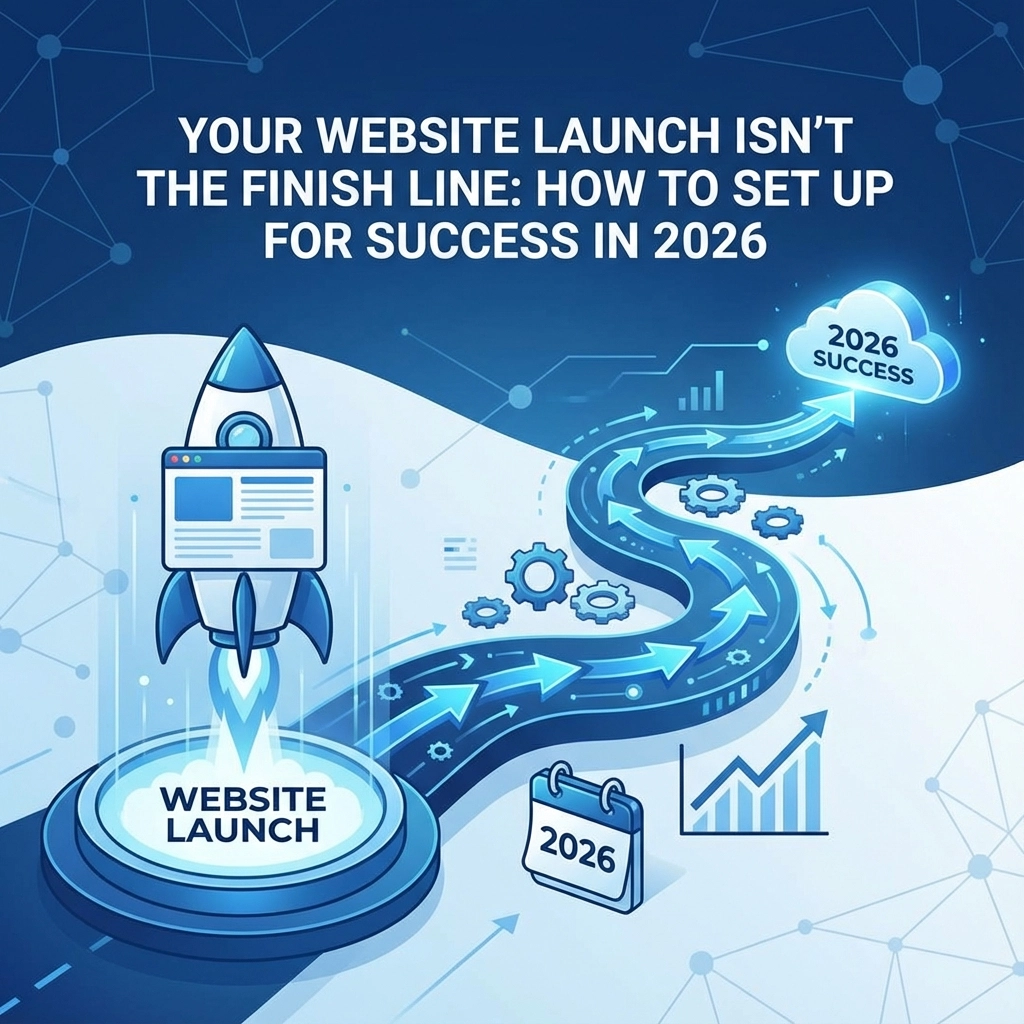

You've finally launched your website. Congratulations! But if you think your work is done, you're setting yourself up for failure. Going live is just step one: not the victory lap.
In 2026, successful businesses understand that launch day marks the beginning of the real work. Your website needs constant attention, optimization, and strategic adjustments to deliver results. Companies that treat their website launch as a "set it and forget it" moment quickly fall behind competitors who embrace continuous improvement.
Here's what separates thriving websites from forgotten ones in the months after launch.
Set Up Immediate Monitoring From Day One
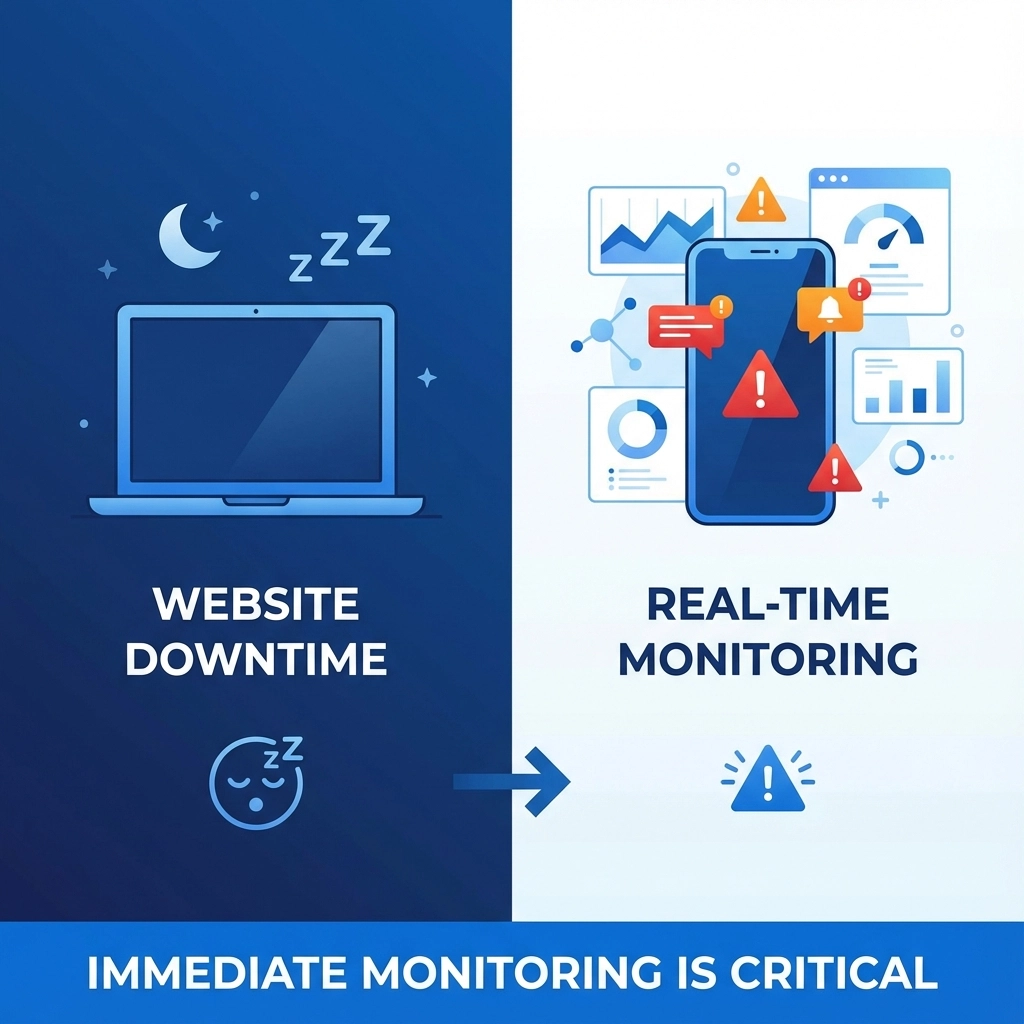
Your website goes live at midnight, and by 6 AM you discover it's been down for three hours. How many potential customers did you lose? How much revenue slipped away while you slept?
Immediate monitoring isn't optional: it's survival. You need systems tracking three critical areas from the moment your site goes live:
Uptime monitoring alerts you instantly when your site goes down. Services like UptimeRobot or Pingdom check your site every minute and send alerts to your phone. A 99.9% uptime sounds good, but that still means 8.77 hours of downtime per year. Every minute offline costs you money.
Security threat detection catches attacks before they cause damage. Install security plugins that monitor for suspicious login attempts, malware, and unauthorized changes. WordPress sites face 90,000 attacks per minute: your site will be targeted, so be ready.
Conversion performance tracking shows whether your site actually makes money. Set up goals in Google Analytics for every important action: form submissions, phone calls, purchases, newsletter signups. Track these daily, not monthly.
Don't launch quietly and hope people find you. That's a wasted investment. Your monitoring setup should generate daily reports showing exactly how your site performs.
Turn Data Into Immediate Action
Analytics without action is just digital hoarding. You need systems that turn visitor behavior into quick fixes and improvements.
Identify drop-off points where visitors leave your site. If 70% of people leave your contact page without submitting the form, that's not bad luck: that's a fixable problem. Maybe the form is too long, loads slowly, or asks for unnecessary information.
Track page conversion rates to find your winners and losers. Your homepage might get tons of traffic but convert poorly, while a buried service page converts 10% of visitors. Promote that high-converting content and fix the homepage.
Monitor site search data to understand what visitors want but can't find. If people constantly search for "pricing" but you buried pricing information three clicks deep, that's lost revenue you can recover immediately.
Set up heatmap tracking with tools like Hotjar to see exactly where people click, scroll, and hesitate. This visual data reveals problems that numbers alone miss. Maybe visitors click on images thinking they're buttons, or they never scroll far enough to see your call-to-action.
Create weekly data review sessions where you identify the biggest problem and implement one fix. Small improvements compound into major gains over time.
Treat Launch as Day Zero of Optimization
Launch day isn't graduation: it's enrollment in an ongoing course of improvement. Your website needs a structured optimization calendar, not just a crisis response plan.
Schedule monthly speed audits because site speed directly impacts conversions. A one-second delay reduces conversions by 7%. Use Google PageSpeed Insights to identify specific improvements like image compression, cache optimization, or plugin cleanup.
Plan quarterly content updates to keep information fresh and improve search rankings. Google favors sites with current, relevant content. Update your homepage copy, refresh old blog posts, and add new case studies or testimonials.
Implement progressive mobile improvements since most visitors use phones. Test your site on different devices monthly and fix any issues immediately. Mobile-first design isn't trendy: it's mandatory for business success.
Create a rolling update schedule for plugins, themes, and content management systems. Outdated software creates security vulnerabilities and performance problems. Schedule updates during low-traffic periods and always backup your site first.
Your optimization calendar should include both proactive improvements and reactive fixes. Don't wait for problems: prevent them.
Actively Promote and Re-engage Your Audience
A beautiful website hidden from the world generates zero revenue. You need strategic promotion that drives qualified traffic and builds lasting relationships.
Announce your launch across all channels including email, social media, and direct outreach. Send personalized emails to existing customers, partners, and prospects explaining what's new and how it benefits them.
Create launch-specific content that showcases your new capabilities. Write blog posts about your improved services, record video tours of new features, or host webinars demonstrating your expertise.
Implement retargeting campaigns to re-engage visitors who didn't convert. Install Facebook and Google pixels to track visitors, then show them targeted ads highlighting specific services they viewed.
Start email nurture sequences for new subscribers. Someone who downloads your free guide isn't ready to buy immediately, but consistent valuable emails build trust and demonstrate expertise over time.
Engage directly with your audience through comments, messages, and phone calls. Personal outreach drives better results than passive content. Call prospects who visited your pricing page, email people who downloaded resources, and respond promptly to all inquiries.
Direct engagement creates relationships that automated systems cannot replicate.

Respond Fast to Everything
In 2026, slow responses kill businesses. Your website operates in an environment where competitors launch similar sites weekly, customer expectations increase constantly, and technical problems spread through social media in minutes.
Fix bugs within 24 hours because visitors assume broken websites reflect broken businesses. Keep a running list of reported issues and prioritize fixes based on impact. A broken contact form costs more than a misaligned image.
Respond to customer feedback immediately whether positive or negative. Thank people for compliments and address concerns before they become public complaints. Fast responses show you care about customer experience.
Monitor competitor activities and respond with improvements to your own site. If competitors add new features or services, evaluate whether you need similar updates. Don't copy blindly, but stay competitive.
Update content when industry changes occur because outdated information damages credibility. If regulations change, technology advances, or market conditions shift, update relevant pages within days, not months.
Implement user suggestions quickly when they make business sense. If multiple customers request the same feature or information, add it. Your website should evolve based on actual user needs, not just your assumptions.
Fast responses create competitive advantages that compound over time. While competitors take weeks to implement changes, you can adapt in days.
Your Website Success Starts Now
Successful websites in 2026 aren't just well-designed: they're well-managed. The companies winning online understand that launch day marks the beginning of continuous optimization, strategic promotion, and responsive management.
Your website is a business asset that requires ongoing investment to generate returns. Like any valuable asset, neglect leads to decreased performance and eventual failure.
Ready to turn your website launch into sustainable business growth? WorldWise specializes in post-launch optimization that delivers measurable results. Our team monitors your site performance, implements data-driven improvements, and helps you stay ahead of competitors.
Don't let your website investment plateau after launch. Contact us today for a free website performance review and discover how we can accelerate your online success in 2026.